Autor
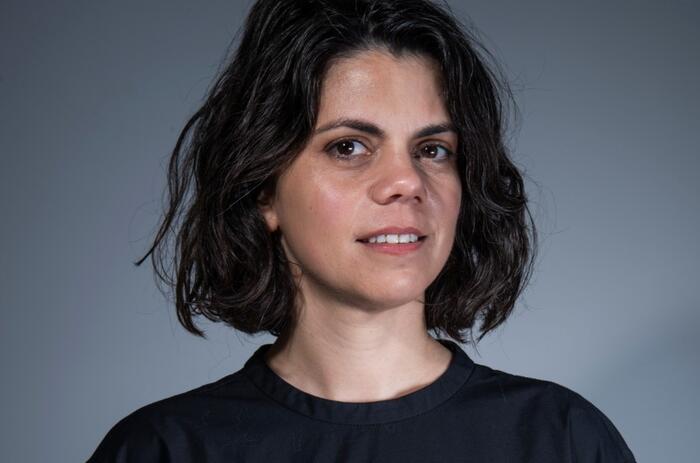
María Galarza
María Galarza

Journalist and writer. Her background—and ongoing professional development—focuses on finding new ways to narrate artistic practices in the region. She has been a contributor to Arte al Día since 2022.
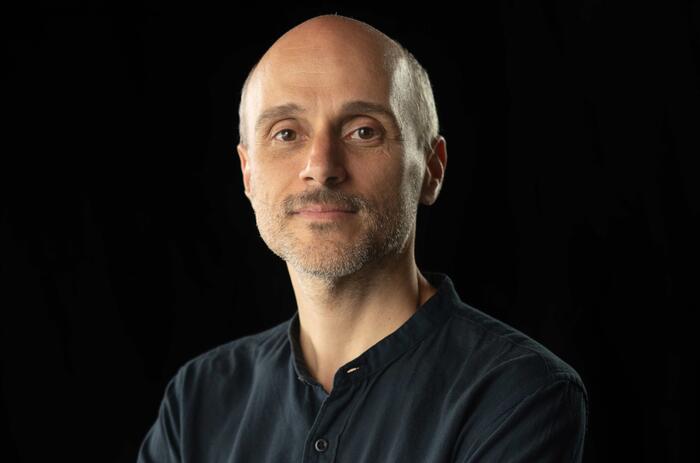
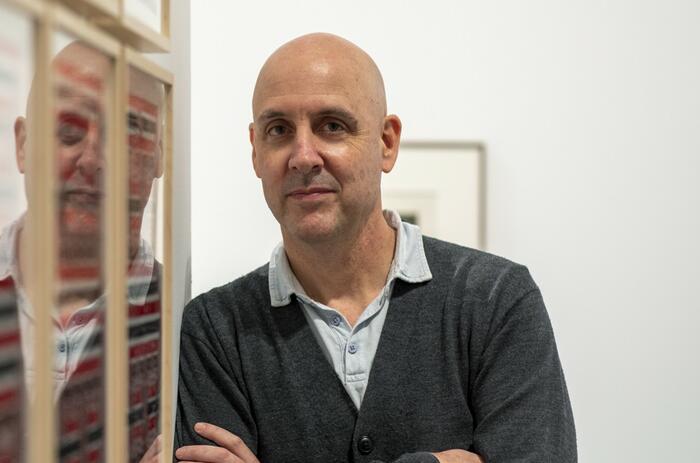
A CONVERSATION AROUND POLITICS, AFFECTION AND LISTENING WITH SOL HENARO

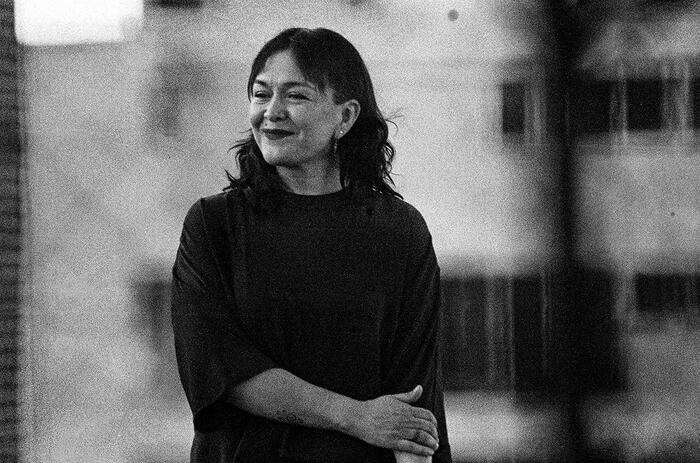
Director of the Museo Universitario del Chopo, Sol Henaro reflects on her role, the tensions within the institution, and the construction of communities from a curatorial perspective.
By María Galarza
Interviews

A CONVERSATION AROUND POLITICS, AFFECTION AND LISTENING WITH SOL HENARO

By María Galarza

Director of the Museo Universitario del Chopo, Sol Henaro reflects on her role, the tensions within the institution, and the construction of communities from a curatorial perspective.

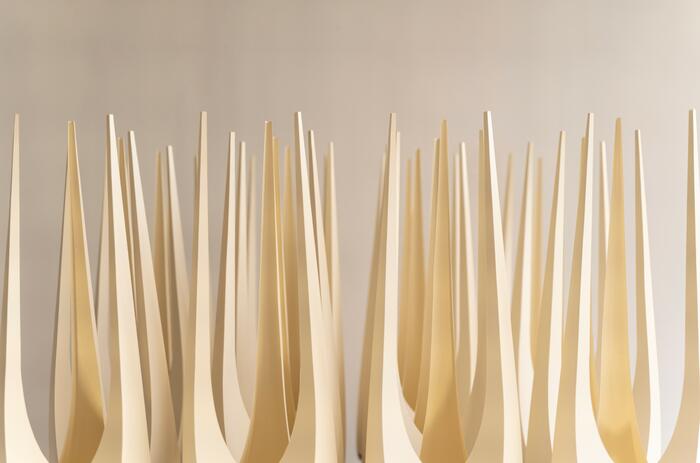
PATRICK CHARPENEL: “CULTURALLY SPECIFIC INSTITUTIONS ARE BREAKING AN INCREASINGLY HOMOGENEOUS PATTERN”

What is a Culturally Specific Institution? Director of El Museo del Barrio for over eight years, Patrick Charpenel reflects on the role of museums in the United States, the visibility of Latinx communities, and the challenges of thinking about art beyond fixed categories and market logics.
By María Galarza
Interviews

PATRICK CHARPENEL: “CULTURALLY SPECIFIC INSTITUTIONS ARE BREAKING AN INCREASINGLY HOMOGENEOUS PATTERN”

By María Galarza

What is a Culturally Specific Institution? Director of El Museo del Barrio for over eight years, Patrick Charpenel reflects on the role of museums in the United States, the visibility of Latinx communities, and the challenges of thinking about art beyond fixed categories and market logics.

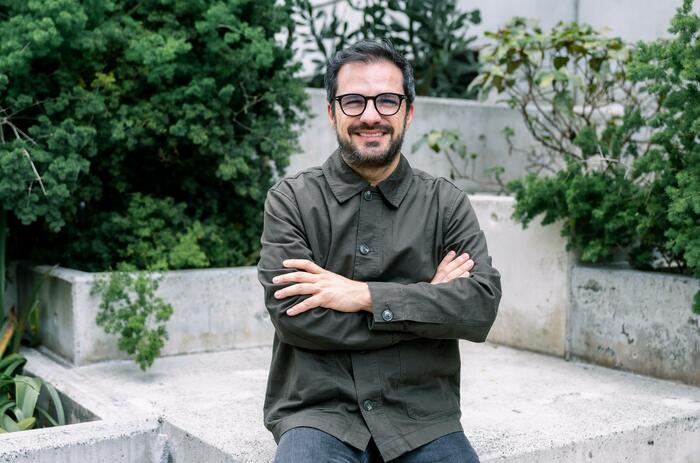
DON NADIE: THE LATIN AMERICAN PROJECT AT MILANO DESIGN ART WEEK

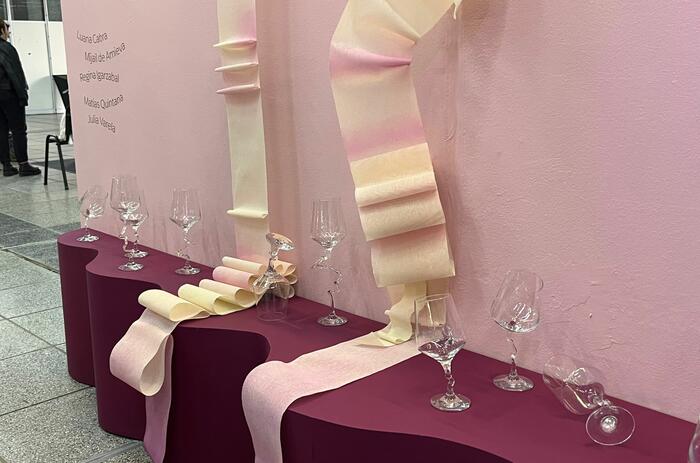
The Ecuador-based design studio DON NADIE presents the project 1 m² / 1 second at the Fuorisalone of Milano Design Week 2026. The paper-sculptured native plants seek to translate deforestation into a tangible experience.
By María Galarza
News

DON NADIE: THE LATIN AMERICAN PROJECT AT MILANO DESIGN ART WEEK

By María Galarza

The Ecuador-based design studio DON NADIE presents the project 1 m² / 1 second at the Fuorisalone of Milano Design Week 2026. The paper-sculptured native plants seek to translate deforestation into a tangible experience.

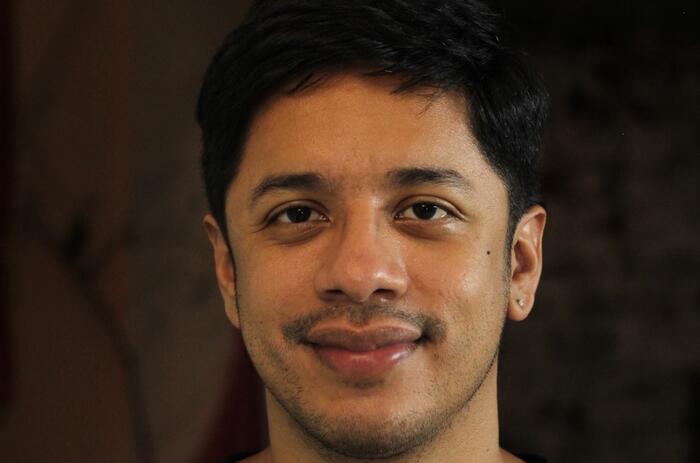
RAFAEL TAMAYO AND THE MUSEUM AS A PLACE OF ENCOUNTER

With a background shaped by humanities and a trajectory in cultural practice, Rafael Tamayo promotes a model of the museum that is conceived in relation to its social context. Director of the Museum of Modern Art of Medellín, he will take part in the FORO of Pinta Panamá, where he will engage in discussions on how institutions construct narratives, community, and debate in the region.
By María Galarza
Interviews

RAFAEL TAMAYO AND THE MUSEUM AS A PLACE OF ENCOUNTER

By María Galarza

With a background shaped by humanities and a trajectory in cultural practice, Rafael Tamayo promotes a model of the museum that is conceived in relation to its social context. Director of the Museum of Modern Art of Medellín, he will take part in the FORO of Pinta Panamá, where he will engage in discussions on how institutions construct narratives, community, and debate in the region.

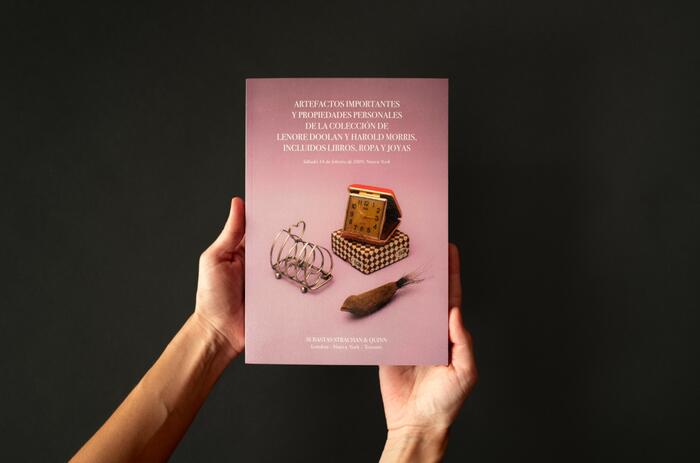
PATRICIO MAJANO: “ART CAN HELP US UNDERSTAND THE PAST, PRESENT AND FUTURE”

The Salvadoran curator reflects on the relationship between art, memory, and politics, and on how his work at Y.ES Contemporary seeks to generate opportunities for local artists while building networks with the international scene. He will be participating in the 2026 edition of Pinta Panamá in the FORO talk.
By María Galarza
Interviews

PATRICIO MAJANO: “ART CAN HELP US UNDERSTAND THE PAST, PRESENT AND FUTURE”

By María Galarza

The Salvadoran curator reflects on the relationship between art, memory, and politics, and on how his work at Y.ES Contemporary seeks to generate opportunities for local artists while building networks with the international scene. He will be participating in the 2026 edition of Pinta Panamá in the FORO talk.

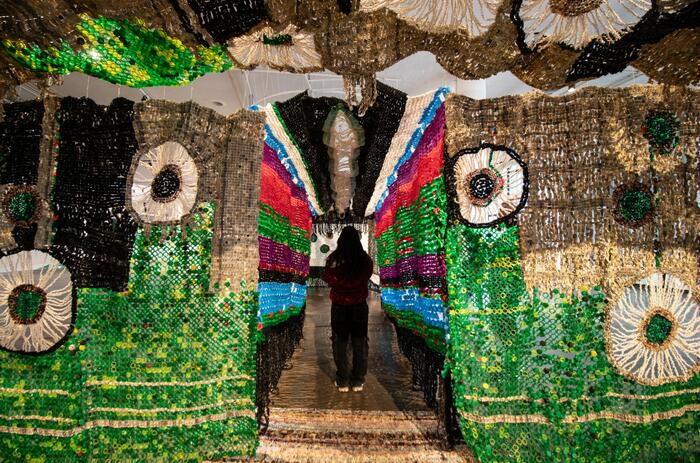
THREE PINK ART BOOKS RELEASED IN 2025

Antena by Silvia Gurfein, Huir del mundo by Rosa Chancho, and Important Artifacts by Leanne Shapton are three art books published in Spanish during 2025. All three have pink covers. But contrary to the saying, it’s not all roses in these books. Or perhaps it is, but not in an obvious way: they narrate and engage with art through themes of isolation, fragmentation, rupture, and imagination.
By María Galarza
News

THREE PINK ART BOOKS RELEASED IN 2025

By María Galarza

Antena by Silvia Gurfein, Huir del mundo by Rosa Chancho, and Important Artifacts by Leanne Shapton are three art books published in Spanish during 2025. All three have pink covers. But contrary to the saying, it’s not all roses in these books. Or perhaps it is, but not in an obvious way: they narrate and engage with art through themes of isolation, fragmentation, rupture, and imagination.

FOUR WORKS BY FOUR ARTISTS AT THE SÃO PAULO BIENNIAL

It is not easy to compose a path through monumental works inside a monumental space. At the 36th São Paulo Biennial, the artists invited by Bonaventure de Soh Bejen Ndikung and his team, present large-scale works whose textures and forms sometimes speak to each other linearly, and other times through oblique movements.

By María Galarza
Reviews

FOUR WORKS BY FOUR ARTISTS AT THE SÃO PAULO BIENNIAL

By María Galarza

It is not easy to compose a path through monumental works inside a monumental space. At the 36th São Paulo Biennial, the artists invited by Bonaventure de Soh Bejen Ndikung and his team, present large-scale works whose textures and forms sometimes speak to each other linearly, and other times through oblique movements.

December 10, 2025
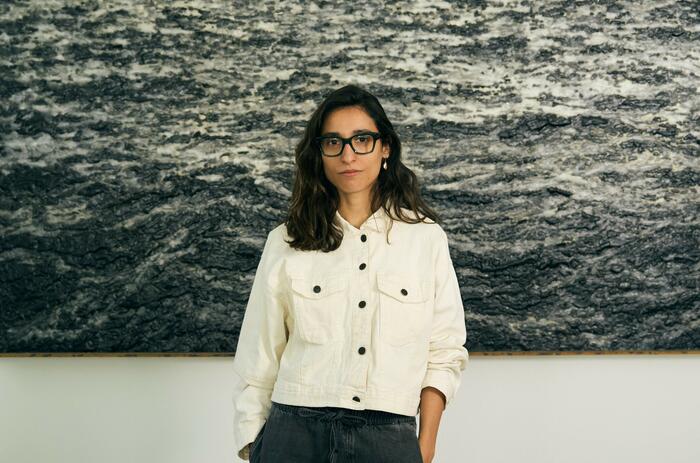
ISABELLA LENZI AND CURATORSHIP AS A CHORAL SPACE

Isabella Lenzi (São Paulo, 1986) is a curator trained in architecture, museology, and art history. She lives in Madrid, where she works as Visual Arts Curator at the Círculo de Bellas Artes and as Artistic Director and Chief Curator of the Fundación Alberto Cruz, following a trajectory that includes institutions such as the Museo Reina Sofía, Fundación Mapfre, Videobrasil, the Cuenca Biennial, and the Whitechapel Gallery.
By María Galarza
Interviews

ISABELLA LENZI AND CURATORSHIP AS A CHORAL SPACE

By María Galarza

Isabella Lenzi (São Paulo, 1986) is a curator trained in architecture, museology, and art history. She lives in Madrid, where she works as Visual Arts Curator at the Círculo de Bellas Artes and as Artistic Director and Chief Curator of the Fundación Alberto Cruz, following a trajectory that includes institutions such as the Museo Reina Sofía, Fundación Mapfre, Videobrasil, the Cuenca Biennial, and the Whitechapel Gallery.

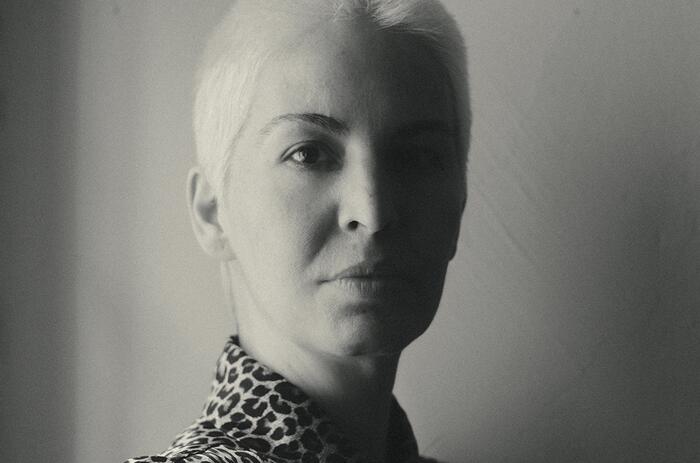
IRENE GELFMAN: BETWEEN SCENES, ARCHIVES, AND TERRITORIES

To tell, narrate, or curate always implies a perspective. From where one speaks, to whom one speaks, and which points of support are chosen when conceiving an exhibition—when designing a story. Irene Gelfman is an Argentine curator, art critic, and cultural manager. She trained as an art historian and curator. Today, she is the global curator of Pinta.
By María Galarza
Interviews

IRENE GELFMAN: BETWEEN SCENES, ARCHIVES, AND TERRITORIES

By María Galarza

To tell, narrate, or curate always implies a perspective. From where one speaks, to whom one speaks, and which points of support are chosen when conceiving an exhibition—when designing a story. Irene Gelfman is an Argentine curator, art critic, and cultural manager. She trained as an art historian and curator. Today, she is the global curator of Pinta.

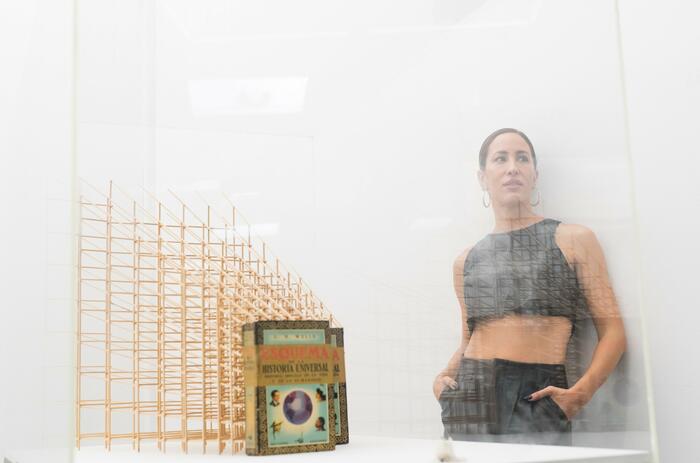
GUAD CRECHE: ON THE PERFORMATIVE GESTURE OF PHOTOGRAPHY

Through the exploration of the intersections between image, body, and discourse, Guad Creche (Salta, Argentina, 1985) positions their curatorial gaze on the performative potential of photography.
By María Galarza
Interviews

GUAD CRECHE: ON THE PERFORMATIVE GESTURE OF PHOTOGRAPHY

By María Galarza

Through the exploration of the intersections between image, body, and discourse, Guad Creche (Salta, Argentina, 1985) positions their curatorial gaze on the performative potential of photography.

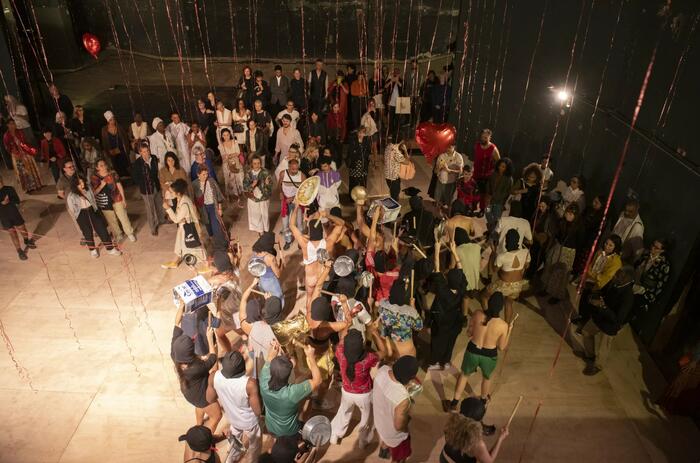
SOL ECHEVARRÍA + ESPACIO FAN: A CROSSROADS FOR TEXTS, BOOKS, ART AND IMAGES

Editor and curator, Sol Echevarría created Espacio FAN as a meeting ground between the editorial and the visual. There, books become a territory for experimentation, and artworks become ways of reading. A project that champions collaboration, critical thinking, and cultural resistance in times of retreat.
By María Galarza
Interviews

SOL ECHEVARRÍA + ESPACIO FAN: A CROSSROADS FOR TEXTS, BOOKS, ART AND IMAGES

By María Galarza

Editor and curator, Sol Echevarría created Espacio FAN as a meeting ground between the editorial and the visual. There, books become a territory for experimentation, and artworks become ways of reading. A project that champions collaboration, critical thinking, and cultural resistance in times of retreat.

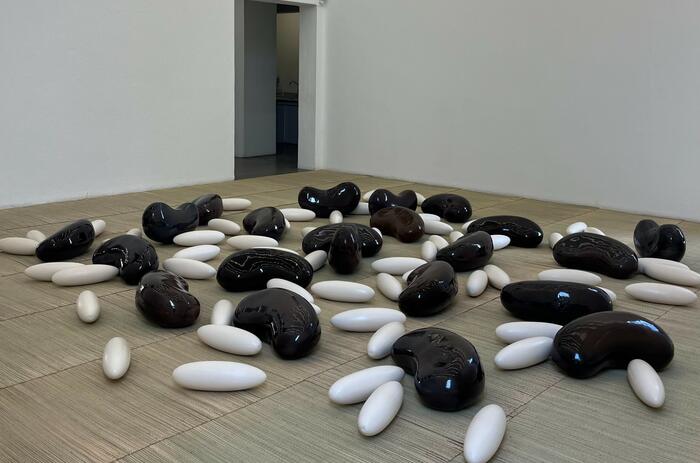
“BATUCADA,” MARCELO EVELIN’S PERFORMANCE: A STORY

In Casa do Povo's basement, Marcelo Evelin’s performance unleashes a ritual of bodies, rhythms, and nudity that allows no anticipation. An experience that demands looking, breathing, and moving through the present without guide or return.
By María Galarza
Reviews

“BATUCADA,” MARCELO EVELIN’S PERFORMANCE: A STORY

By María Galarza

In Casa do Povo's basement, Marcelo Evelin’s performance unleashes a ritual of bodies, rhythms, and nudity that allows no anticipation. An experience that demands looking, breathing, and moving through the present without guide or return.

September 23, 2025
SÃO PAULO: A JOURNEY THROUGH GALLERIES, STUDIOS, AND RESIDENCIES

Like any big city, in São Paulo everything happens at once: galleries, residencies, studios, and exhibitions weave together in an electric network that nurtures local artists and connects them with global circuits. The city works like a node: intense, vibrant, inexhaustible.


By María Galarza
Reviews

SÃO PAULO: A JOURNEY THROUGH GALLERIES, STUDIOS, AND RESIDENCIES

By María Galarza

Like any big city, in São Paulo everything happens at once: galleries, residencies, studios, and exhibitions weave together in an electric network that nurtures local artists and connects them with global circuits. The city works like a node: intense, vibrant, inexhaustible.

September 19, 2025
ANGLES, CROSSINGS, MOVEMENT, JUXTAPOSITION: THE 36TH SÃO PAULO BIENNIAL

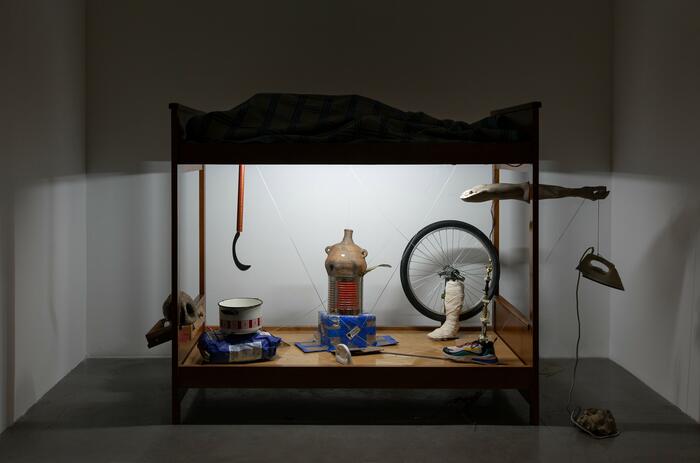
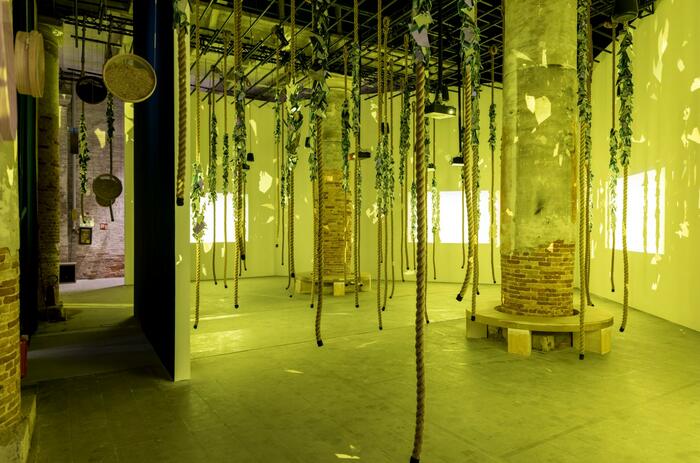
The São Paulo Biennial opened its 36th edition with a mix of proposals that invite a return to the senses: textures are highlighted, sounds resonate, and at times even scents appear. With a large number of commissioned works, the curatorial approach—led by Bonaventure Soh Bejeng Ndikung—was guided by several threads, all centered on the idea of “humanity as practice”.

By María Galarza
Reviews

ANGLES, CROSSINGS, MOVEMENT, JUXTAPOSITION: THE 36TH SÃO PAULO BIENNIAL

By María Galarza

The São Paulo Biennial opened its 36th edition with a mix of proposals that invite a return to the senses: textures are highlighted, sounds resonate, and at times even scents appear. With a large number of commissioned works, the curatorial approach—led by Bonaventure Soh Bejeng Ndikung—was guided by several threads, all centered on the idea of “humanity as practice”.

September 12, 2025
MANUELA MOSCOSO, BIENAL DAS AMAZÔNIAS’ CURATOR: “ART CAN HOLD CONTRADICTIONS”

The Brazilian city of Belém has the particularity of being located in an estuary: the point where the Amazonian rivers open into the Atlantic. It is there, in a setting traversed by currents of water and of history, that the Bienal das Amazônias takes place, an event that explores the connections between territory, history, and climate, and the ways in which art can become a space to think through those tensions.

By María Galarza
Interviews

MANUELA MOSCOSO, BIENAL DAS AMAZÔNIAS’ CURATOR: “ART CAN HOLD CONTRADICTIONS”

By María Galarza

The Brazilian city of Belém has the particularity of being located in an estuary: the point where the Amazonian rivers open into the Atlantic. It is there, in a setting traversed by currents of water and of history, that the Bienal das Amazônias takes place, an event that explores the connections between territory, history, and climate, and the ways in which art can become a space to think through those tensions.

FROM PARAGUAY TO THE WORLD: THE INTERNATIONAL IMPACT OF PINTA ASUNCIÓN ART WEEK

Galleries, installations, talks, collections, exhibitions, institutions, celebrations, and visits to artists’ studios. All this, and more, is brought together in the three editions—and an upcoming fourth—of Pinta Asunción, where every initiative aims to expand and connect a country’s artistic ecosystem. Under the curatorship of Irene Gelfman and Adriana Almada, the goal over the years has been to enhance the cultural industry and exercise the muscle of openness to the world.

By María Galarza
News

FROM PARAGUAY TO THE WORLD: THE INTERNATIONAL IMPACT OF PINTA ASUNCIÓN ART WEEK

By María Galarza

Galleries, installations, talks, collections, exhibitions, institutions, celebrations, and visits to artists’ studios. All this, and more, is brought together in the three editions—and an upcoming fourth—of Pinta Asunción, where every initiative aims to expand and connect a country’s artistic ecosystem. Under the curatorship of Irene Gelfman and Adriana Almada, the goal over the years has been to enhance the cultural industry and exercise the muscle of openness to the world.

MÓNICA KUPFER: “IT’S NOT ENOUGH TO EXHIBIT ART, WE NEED TO WRITE ITS HISTORY”

For over four decades, Mónica Kupfer has been researching, writing, and curating exhibitions that seek to tell a story of Panamanian and Central American Art that is still under construction. She played a key role in the first edition of Pinta Panamá Art Week, where she coordinated FORO—a regional discussion platform that brought together artists, curators, collectors, and institutions.

By María Galarza
Interviews

MÓNICA KUPFER: “IT’S NOT ENOUGH TO EXHIBIT ART, WE NEED TO WRITE ITS HISTORY”

By María Galarza

For over four decades, Mónica Kupfer has been researching, writing, and curating exhibitions that seek to tell a story of Panamanian and Central American Art that is still under construction. She played a key role in the first edition of Pinta Panamá Art Week, where she coordinated FORO—a regional discussion platform that brought together artists, curators, collectors, and institutions.

THE ARCHIVE HITS THE STREETS: DISOBEDIENCE IS ALWAYS POLITICAL

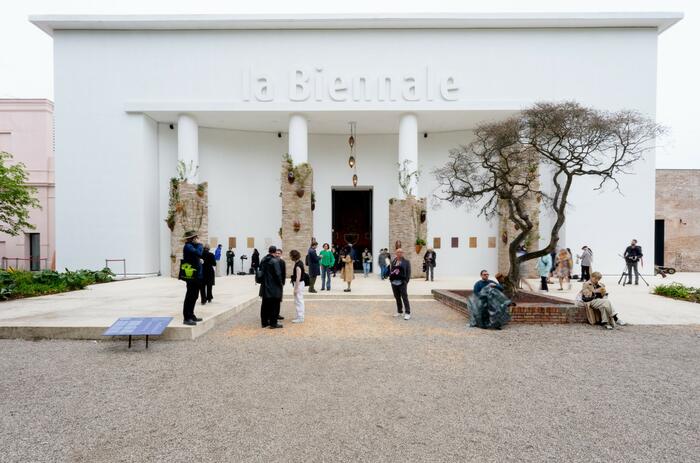
After its acclaimed presentation at the 60th Venice Biennale, the Disobedience Archive lands at PROA21 with a new configuration. What in Italy took the form of an animated pre-cinematic machine —The Zoetrope— that drew the viewer into a visual experience, now adopts in Buenos Aires a more intimate and austere format.

By María Galarza
Reviews

THE ARCHIVE HITS THE STREETS: DISOBEDIENCE IS ALWAYS POLITICAL

By María Galarza

After its acclaimed presentation at the 60th Venice Biennale, the Disobedience Archive lands at PROA21 with a new configuration. What in Italy took the form of an animated pre-cinematic machine —The Zoetrope— that drew the viewer into a visual experience, now adopts in Buenos Aires a more intimate and austere format.

June 20, 2025
PINTA PANAMA ART WEEK: AN INSTITUTION, A GALLERY, AN ACTIVATION AND A CONVERSATION

A selection of events, activities and cultural proposals bring together artists, curators, collectors and specialists in different parts of Panama City. Pinta Panama Art Week proposes an ambitious agenda from May 21 to 25 with the best of contemporary art in the region.

By María Galarza
News

PINTA PANAMA ART WEEK: AN INSTITUTION, A GALLERY, AN ACTIVATION AND A CONVERSATION

By María Galarza

A selection of events, activities and cultural proposals bring together artists, curators, collectors and specialists in different parts of Panama City. Pinta Panama Art Week proposes an ambitious agenda from May 21 to 25 with the best of contemporary art in the region.

JUAN CANELA AT MAC PANAMÁ: A COLLABORATIVE, CONTEXTUAL CURATORIAL APPROACH

MAC Panamá's Chief Curator Juan Canela, reflects on the challenges of curating in Central America, the value of collaborative practices, and the context of Panamanian art. He is participating in the inaugural Pinta Panamá Art Week, running May 21–25 with activities centered on the local art scene.

By María Galarza
Interviews

JUAN CANELA AT MAC PANAMÁ: A COLLABORATIVE, CONTEXTUAL CURATORIAL APPROACH

By María Galarza

MAC Panamá's Chief Curator Juan Canela, reflects on the challenges of curating in Central America, the value of collaborative practices, and the context of Panamanian art. He is participating in the inaugural Pinta Panamá Art Week, running May 21–25 with activities centered on the local art scene.

YESTERDAY AND TOMORROW, INSIDE AND OUTSIDE: SPECIAL PROJECT AT PINTA LIMA

A system. An architecture. A way of setting out the guidelines that connect millenary myths with the manifestations provided by the present. Lo que este paisaje puede decir sobre el futuro (What this landscape can say about the future), Pinta Lima's Special Project, is an oracle: a sacred space that reveals the union between what is and what can be.

By María Galarza
Reviews

YESTERDAY AND TOMORROW, INSIDE AND OUTSIDE: SPECIAL PROJECT AT PINTA LIMA

By María Galarza

A system. An architecture. A way of setting out the guidelines that connect millenary myths with the manifestations provided by the present. Lo que este paisaje puede decir sobre el futuro (What this landscape can say about the future), Pinta Lima's Special Project, is an oracle: a sacred space that reveals the union between what is and what can be.

April 25, 2025
ALBERTO REBAZA: COLLECTING AND ARTIST RESIDENCIES IN PERU

Alberto Rebaza is one of the most influential collectors in Peru. He began collecting in the late 1990s, driven by the rebirth of contemporary Peruvian art. Alongside his wife, Ginette Lumbroso, he has expanded the Rebaza Collection to include Latin American and European artists, with a keen eye for the connections between art and culture. They also lead an artist residency program that promotes exchange between international creators and the local scene. In conversation with Arte al Día, he shares his perspective on collecting, the value of residencies, and the role of art as a tool for connection.

By María Galarza
Interviews

ALBERTO REBAZA: COLLECTING AND ARTIST RESIDENCIES IN PERU

By María Galarza

Alberto Rebaza is one of the most influential collectors in Peru. He began collecting in the late 1990s, driven by the rebirth of contemporary Peruvian art. Alongside his wife, Ginette Lumbroso, he has expanded the Rebaza Collection to include Latin American and European artists, with a keen eye for the connections between art and culture. They also lead an artist residency program that promotes exchange between international creators and the local scene. In conversation with Arte al Día, he shares his perspective on collecting, the value of residencies, and the role of art as a tool for connection.

EMILIANO VALDÉS AT PINTA PANAMA 2025: EFFERVESCENCE, CONSTRUCTION AND IDENTITY

Panama is preparing to become the epicenter of regional art with the first edition of Pinta Panama, May 21-25, 2025. At an effervescence moment for the local artistic ecosystem, the fair seeks to consolidate the Panamanian scene, promote the circulation of artists and create a meeting space for the artistic currents of Central and South America. Emiliano Valdes, general curator of the project, shares his vision of Panama's potential as a cultural connection point.

By María Galarza
Interviews

EMILIANO VALDÉS AT PINTA PANAMA 2025: EFFERVESCENCE, CONSTRUCTION AND IDENTITY

By María Galarza

Panama is preparing to become the epicenter of regional art with the first edition of Pinta Panama, May 21-25, 2025. At an effervescence moment for the local artistic ecosystem, the fair seeks to consolidate the Panamanian scene, promote the circulation of artists and create a meeting space for the artistic currents of Central and South America. Emiliano Valdes, general curator of the project, shares his vision of Panama's potential as a cultural connection point.

GEORGINA VALDEZ AND THE WHITE LODGE: HOW TO GENERATE CONVERSATIONS THROUGH ART

Georgina Valdez is the founder and director of the Argentine gallery The White Lodge, with locations in Córdoba and Buenos Aires. The space is part of the NEXT section of Pinta Miami 2024, with works by artists Sandro Pereira and Nushi Muntaabski. In an interview with Arte al Día, the gallerist reflected on the role of art as an engine of transformation and the place of The White Lodge in the contemporary art scene.

By María Galarza
Interviews

GEORGINA VALDEZ AND THE WHITE LODGE: HOW TO GENERATE CONVERSATIONS THROUGH ART

By María Galarza

Georgina Valdez is the founder and director of the Argentine gallery The White Lodge, with locations in Córdoba and Buenos Aires. The space is part of the NEXT section of Pinta Miami 2024, with works by artists Sandro Pereira and Nushi Muntaabski. In an interview with Arte al Día, the gallerist reflected on the role of art as an engine of transformation and the place of The White Lodge in the contemporary art scene.