
Interviews
Interviews with artists, curators, and key figures in Latin American art about their work, creative process, and careers in the international circuit
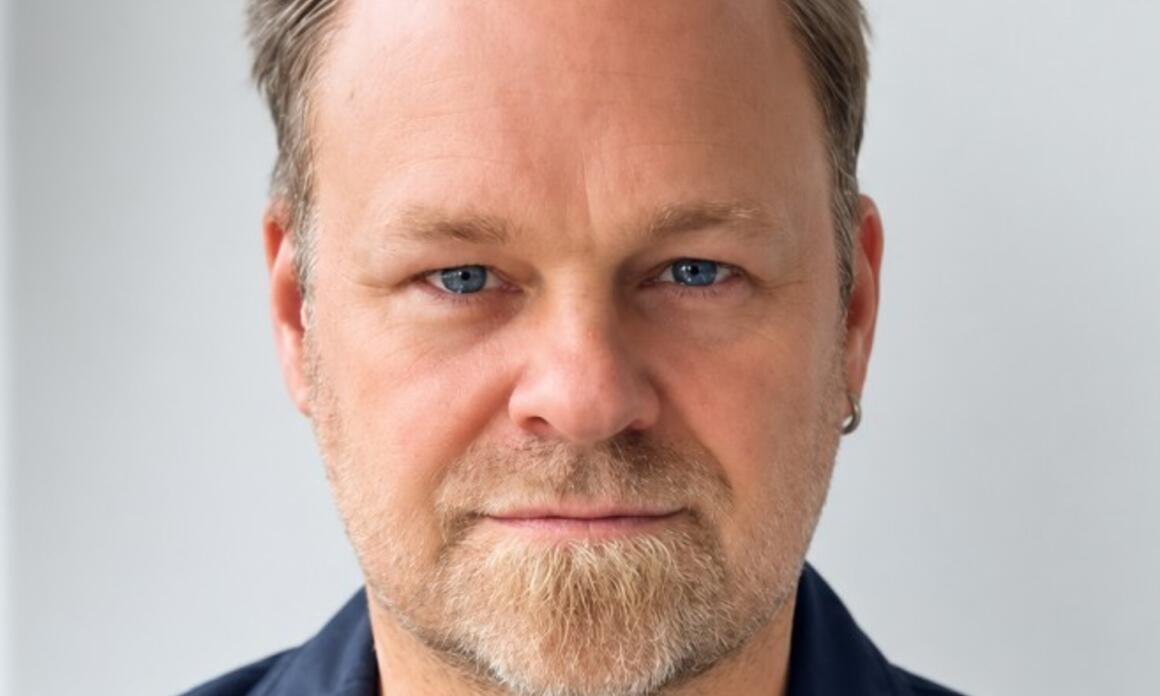
TOBIAS OSTRANDER: “LATIN AMERICA IS A VERY POTENT SOURCE FOR RETHINKING ART HISTORY”
We speak with Tobias Ostrander, the Estrellita B. Brodsky Adjunct Curator of Latin American Art at Tate Modern, at a moment of growing international recognition for Latin American art, as the institution presents three major exhibitions. The conversation explores the region’s growing visibility, the reassessment of the art-historical canon, and the importance of building a global art history grounded in diverse perspectives and local contexts.


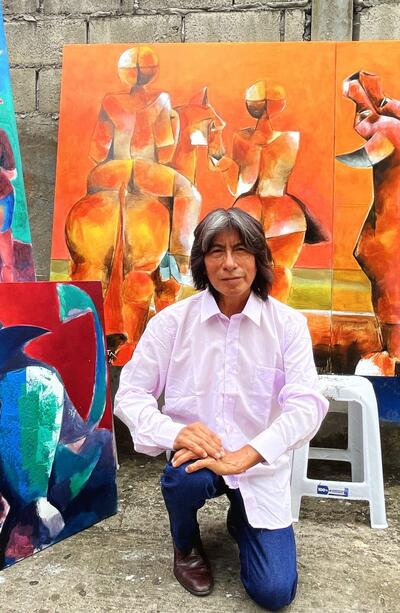
ART IS A LONG JOURNEY ATTAINED THROUGH DISCIPLINE: OLMEDO QUIMBITA
An interview with painter Olmedo Quimbita (Latacunga, Ecuador, 1965)
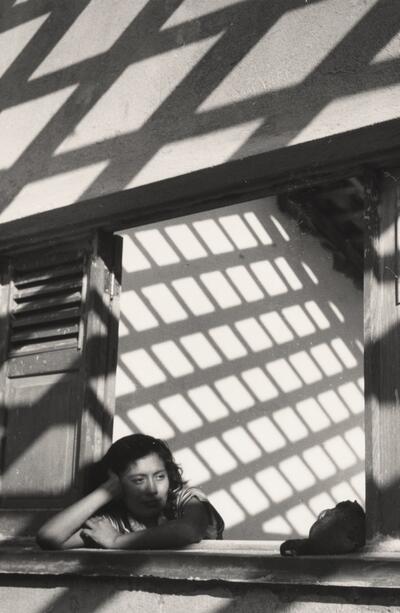
JULIETA PESTARINO ON THE EXHIBITION OF MEXICAN PHOTOGRAPHERS AT THE GETTY
In conversation with Arte al Día, the Argentine curator and researcher discusses the process behind Instante/revelación: Moments in Mexican Photography, a new photography exhibition at Getty Museum, drawing on her role as Assistant Curator specializing in Latin American photography.

AMANDA DE LA GARZA: «MUSEUMS ARE NO LONGER REGARDED AS THE SOLE AUTHORITIES ON TRUTH»
The Mexican cultural practitioner and president of CIMAM discusses the principal challenges facing museums—from diversity and funding to ethics and independence—ahead of the Annual Conference of an organization seeking to broaden the voices participating within it.
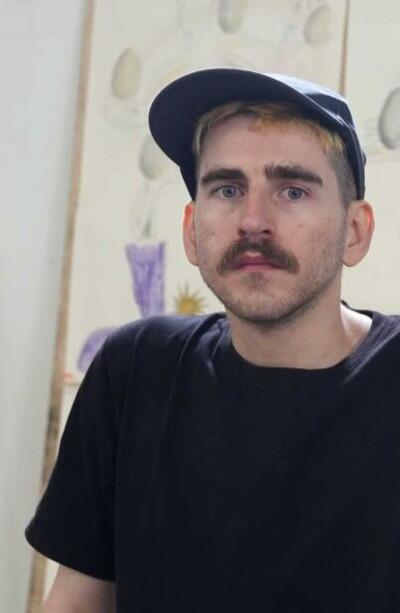
CERVIO MARTINI. THE SALON OF THE REJECTED
In sixteenth-century Florence, Duke Cosimo de’ Medici and the painter Giorgio Vasari founded the Accademia del Disegno, one of the first institutions to offer artists a space devoted to perfecting their craft, free from commercial pressures. In 1863, in Paris, by order of Napoleon III, an exhibition was held for a number of artists whose works had been rejected by the jury of an official Salon. It was given the name Salon des Refusés (Salon of the Rejected).
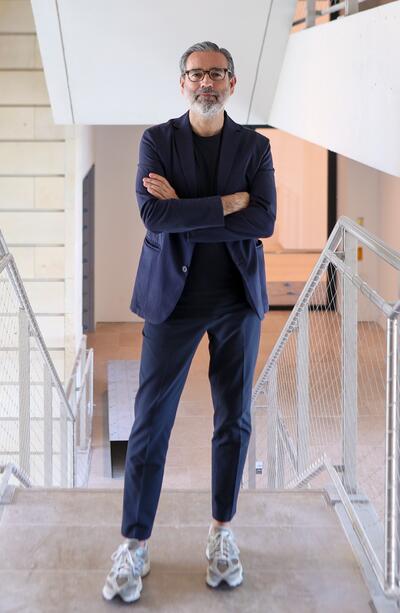
DANIEL VEGA: “THE AGREEMENT WITH THE OWNERS OF THE GELMAN COLLECTION IS CLOSELY LINKED TO THE AMBITION OF OUR PROJECT”
We spoke with Daniel Vega, director of Faro Santander, to address the cultural strategy of the center, its commitment to territorial engagement, and the controversy surrounding the Gelman Collection, which anchors one of its inaugural exhibitions.
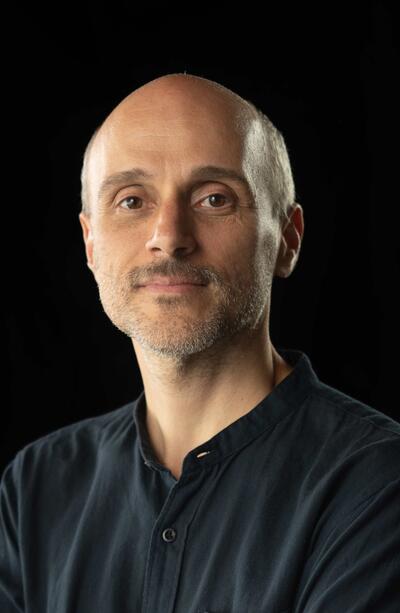
THYAGO NOGUEIRA: “INSTITUTIONS EXIST FOR ARTISTS”
Brazilian curator Thyago Nogueira, who heads Contemporary Art and Photography at Instituto Moreira Salles (IMS), reflects on the role of institutions, photography’s multiple dimensions, and the need to build new connections between the art scenes of Brazil and Argentina, ahead of his upcoming visit to Pinta BAphoto.
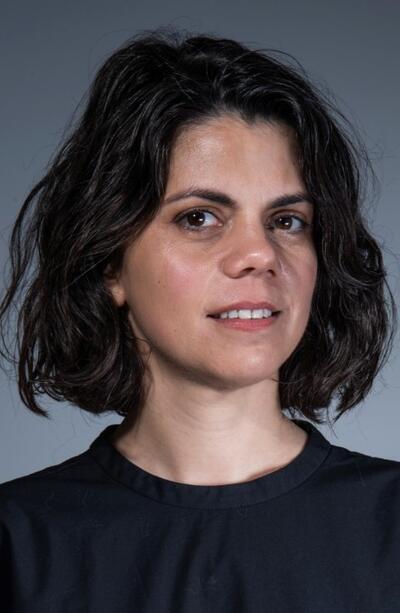
MERCEDES CLAUS AND PHOTOGRAPHY’S “POROUS NATURE”
Whether it is from the archive to the gallery or spanning between research and curatorial practice, Mercedes Claus explores the different spaces that outline Argentina’s photographic scene. This is an interview about the circulation, legitimization, and interpretation of images, in light of her work as curator of RADAR at the upcoming edition of Pinta BAphoto.
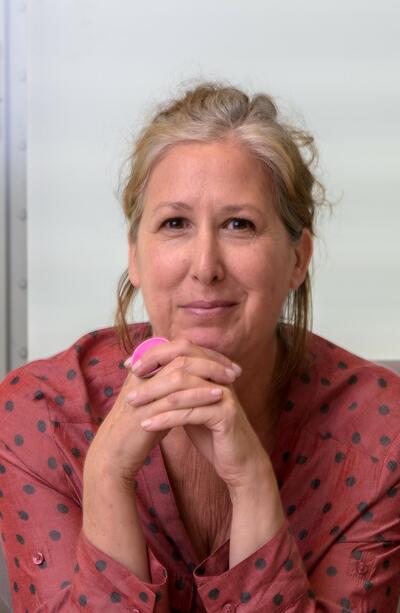
EVE SCHILLO AND PHOTOGRAPHY IN LACMA
Eve Schillo is an Associate Curator in the Wallis Annenberg Department of Photography at LACMA (Los Angeles County Museum of Art). During her upcoming visit to Buenos Aires, Argentina, for Pinta BAphoto 2026, she shares an organic and systemic perspective on photography, one that does not need to remain within its own boundaries.
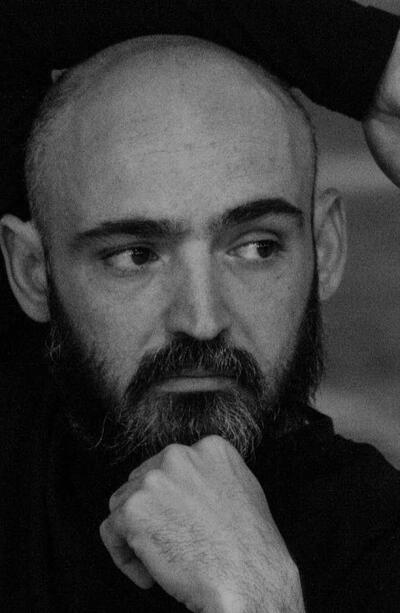
MARTÍN BOLLATI AND THE NOTION OF AUTHORSHIP IN PUBLISHING, CURATING, AND PHOTOGRAPHY
Artist, editor, workshop leader, and gallery owner. Depending on which “hat” he wears, Martín Bollati occupies different positions within the field of image-making (and thinking). He founded ATLAS, a bookstore and gallery specializing in photography, images, design, and architecture, as well as publisher SED Editorial.

EVOKING THE SPIRITUAL FROM THE SURFACE: THIS IS HOW ALBERTO GOLDENSTEIN PHOTOGRAPHS
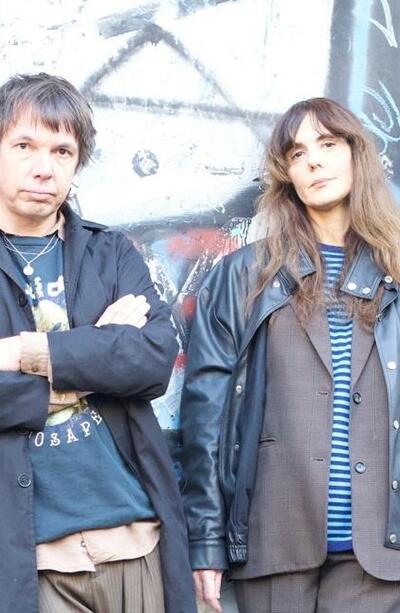
DUO INTERVIEW WITH FACUNDO BELÉN AND VIRGINIA MARTÍN
The founders of the NN gallery talk about their curatorial approach, driven by intuition and the periphery: “When it finally articulates well, it’s not that interesting.”
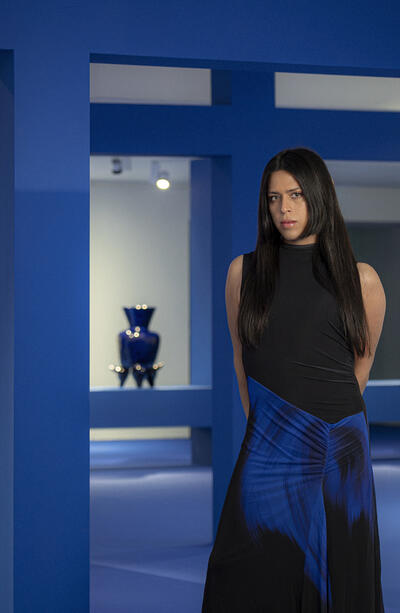
SEBA CALFUQUEO: "I AM INTERESTED IN BLOWING UP PRE-ESTABLISHED IDEAS ABOUT THE INDIGENOUS"
We spoke with Seba Calfuqueo on the occasion of her first institutional exhibition in Europe, at the Museo Thyssen-Bornemisza in Madrid, an exhibition that delves into the relationship with territory through history and identity from a heterogeneous, contemporary perspective.
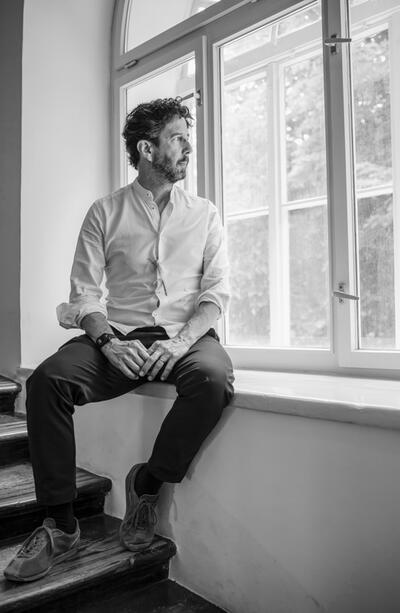
INTERVIEW WITH JOSÉ ROCA: “THE SPECIFICITY OF A MEDIUM GENERATES EXPECTATIONS THAT CAN BE DISRUPTED”
A conversation with the curator of the 37th Ljubljana Biennale of Graphic Arts on navigating biennial management within a turbulent global landscape, detailing his collaborative, site-responsive project exploring expanded printmaking for the 2027 edition.
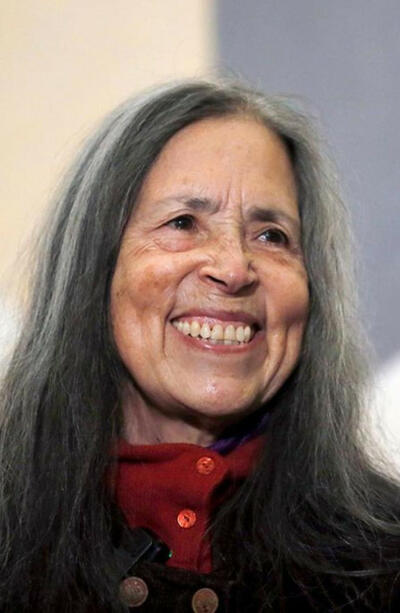
CECILIA VICUÑA: “FOR THE QUIPU TO ENDURE IS TO SAY THAT LIFE GOES ON IN THE FACE OF EXTINCTION"
Interview with Cecilia Vicuña
BEYOND THE ALGORITHM: GENEVIÈVE'S BESPOKE VISION FOR THE ART MARKET
The contemporary art ecosystem is undergoing a profound paradigm shift, caught between the hyper-speed of algorithmic metrics and the unsustainable overheads of traditional gallery models. Today's primary market increasingly rewards virality over slow-burning studio practice, forcing artists into hyper-transactional cycles and leaving collectors searching for genuine depth beneath online trends.

LA CHOLA POBLETE: "THEY EXPECT A VICTIM, I GIVE THEM A DIVA"
An Interview with La Chola Poblete
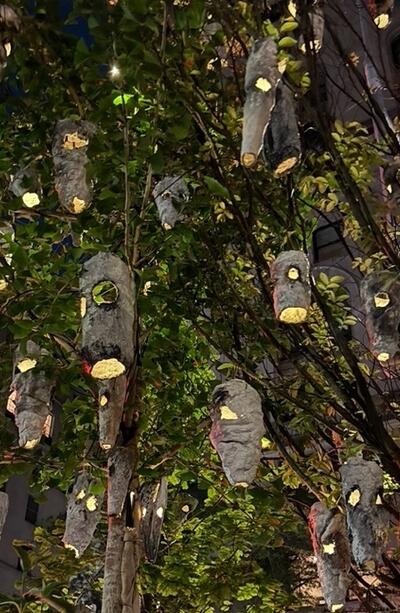
A CONVERSATION BETWEEN MICHELE OKA DONER AND JULIA P. HERZBERG – TALISMAN, A SACRED GROVE
Talisman, A Sacred Grove is a natural grove featuring twenty-one different species of trees that support approximately two hundred hand-formed heads, known as Talisman. The grove is installed on Park Avenue mall near the corner of East 66th Street in front of The Park Avenue Armory.
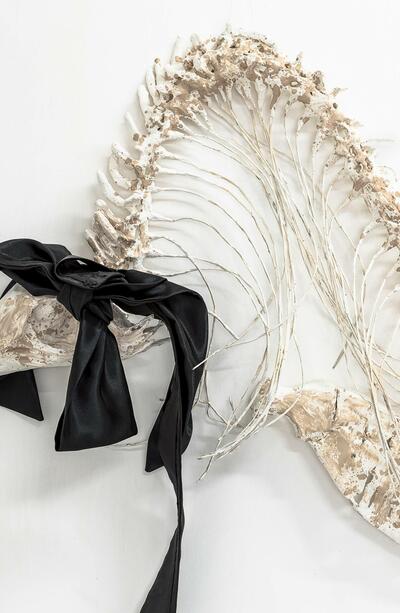
EMILIA DE LAS CARRERAS, THE ARTIST WHO PRACTICES FICTIONAL TAXIDERMY
Just as Emilia de las Carreras (Buenos Aires, 1989) looks at the hermit crab and understands that leaving a mark means that life leaves marks on you too, engaging with her artistic practice inevitably means that little crusts of her narrative stick to us: the methodology she works with, her intuition as a collector, her thinking of the body as geology, her obsessions, her skeletal and exoskeletal sculptures. The artist's work explores bodies and their remains through a visual and sensory operation crossed with scientific research and self-knowledge, giving shape to pieces that evoke an intersection of the archaeological, the clinical, and the speculative. Her approach to art could easily fill dozens of pages; this is only one chapter.
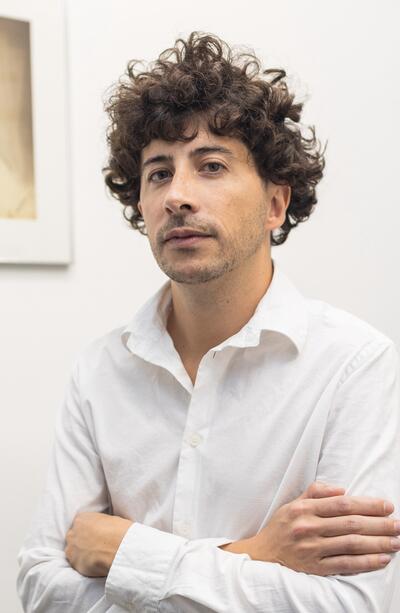
A GHOST INSTITUTE FOR ARGENTINE PHOTOGRAPHY, ACCORDING TO FRANCISCO MEDAIL
An interview about Argentina and its institutions, about Argentina and photography, about Argentina and its contemporary art audience. About the Instituto de Estudios Artísticos, Francisco Medail's new space.
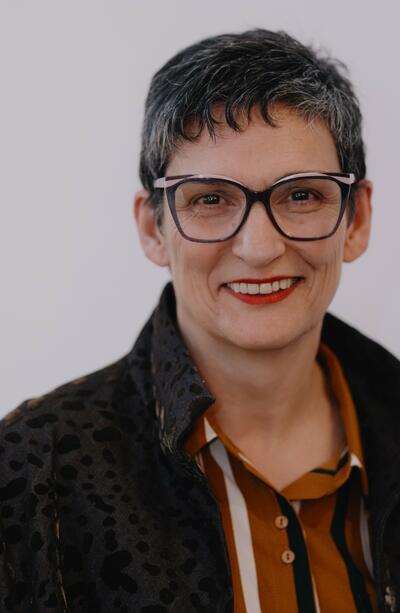
NURIA ENGUITA: “MUSEUMS DO NOT SPEAK FROM A NEUTRAL POSITION, BUT FROM A CONTEXT THAT SHOULD BE MADE VISIBLE”
Interview with Nuria Enguita, Artistic Director, MAC/CCB – Museum of Contemporary Art and Architecture Centre (Museu de Arte Contemporânea e Centro de Arquitetura), Lisbon.
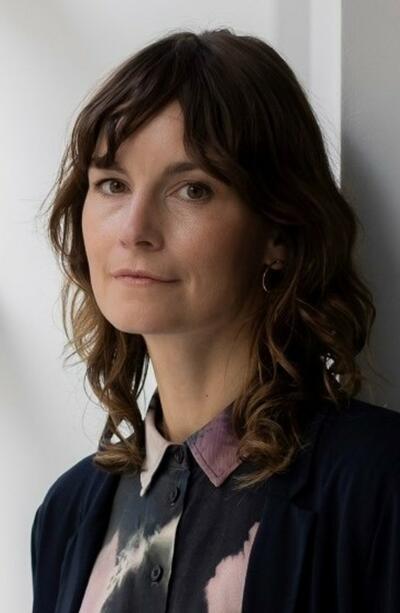
CHALLENGING THE WESTERN CANON – IN CONVERSATION WITH MELANIE ROUMIGUIÈRE ON HER PARTICIPATION IN PINTA LIMA
Argentine by origin, the curator and former Director of the Visual Arts Department of the Artists in Berlin Program (DAAD) — a residency that connects creatives from around the world with Germany's cultural scene — has spent years building bridges between Latin American art scenes and the major centers of Western art.
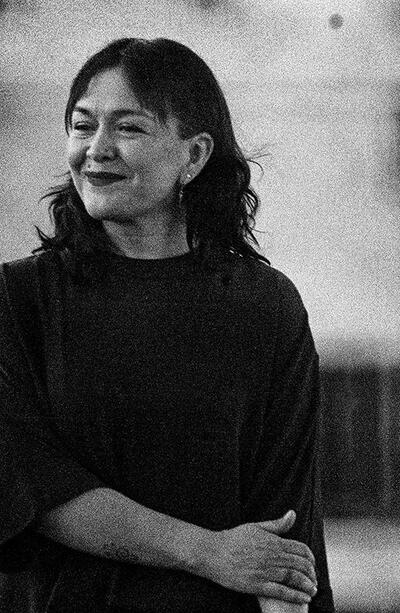
A CONVERSATION AROUND POLITICS, AFFECTION AND LISTENING WITH SOL HENARO
Director of the Museo Universitario del Chopo, Sol Henaro reflects on her role, the tensions within the institution, and the construction of communities from a curatorial perspective.
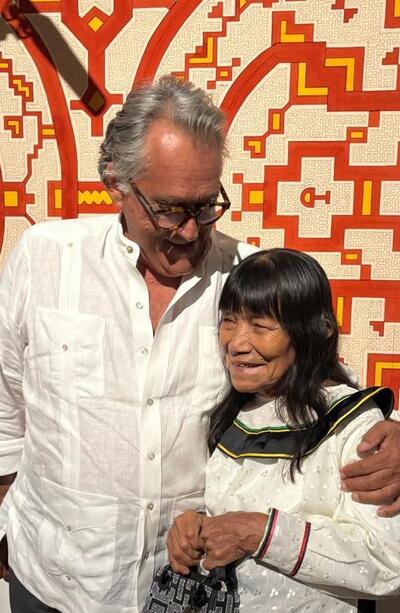
ARMANDO ANDRADE: “SARA FLORES PRESENTS A SERIES OF WORKS THAT TAKE KENÉ TO A SCALE NEVER BEFORE EXPLORED”
As commissioner of the Peruvian pavilion in Venice, Andrade examines how the Shipibo-Konibo artist transforms a visual thinking system into an all-encompassing experience —and why that gesture reshapes the scale of what contemporary art can hold.
PATRICK CHARPENEL: “CULTURALLY SPECIFIC INSTITUTIONS ARE BREAKING AN INCREASINGLY HOMOGENEOUS PATTERN”
What is a Culturally Specific Institution? Director of El Museo del Barrio for over eight years, Patrick Charpenel reflects on the role of museums in the United States, the visibility of Latinx communities, and the challenges of thinking about art beyond fixed categories and market logics.
JORGE VOLPI: "THE DIALOGUE BETWEEN LATIN AMERICA AND SPAIN IS REASON ENOUGH TO BE A PRIMARY FOCUS"
Jorge Volpi, after one year as Artistic Director of Contemporánea Condeduque, reflects on programming through a multidisciplinary narrative and how it fosters dialogue while giving Latin American art a central role in Madrid’s cultural scene.
RAFAEL TAMAYO AND THE MUSEUM AS A PLACE OF ENCOUNTER
With a background shaped by humanities and a trajectory in cultural practice, Rafael Tamayo promotes a model of the museum that is conceived in relation to its social context. Director of the Museum of Modern Art of Medellín, he will take part in the FORO of Pinta Panamá, where he will engage in discussions on how institutions construct narratives, community, and debate in the region.
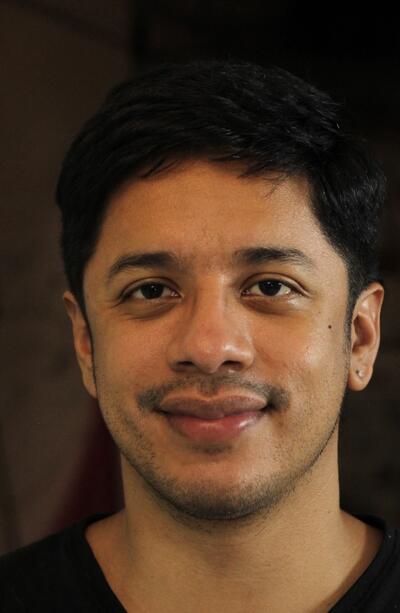
PATRICIO MAJANO: “ART CAN HELP US UNDERSTAND THE PAST, PRESENT AND FUTURE”
The Salvadoran curator reflects on the relationship between art, memory, and politics, and on how his work at Y.ES Contemporary seeks to generate opportunities for local artists while building networks with the international scene. He will be participating in the 2026 edition of Pinta Panamá in the FORO talk.
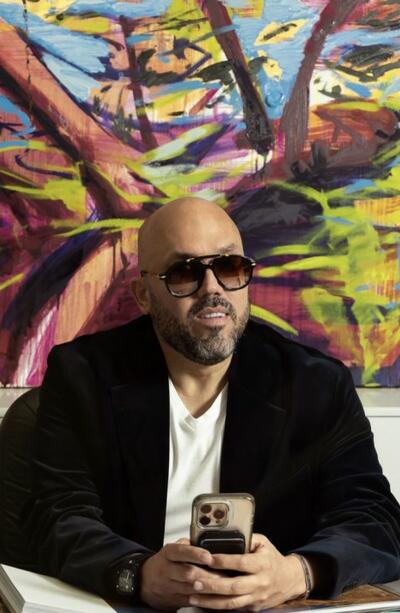
WALTER OTERO: “A TROPICAL GALLERIST IS ONE WHO IS NOT AFRAID OF ANYTHING”
Walter Otero is recognized for his unconventional approach to artist management and the Puerto Rican art ecosystem. His career is now compiled in Walter Otero. A Tropical Gallerist, a book in which he reviews his career and reflects on changes in the sector.

GISELA COLÓN: ANCIENT FORMS, NEW SOURCES OF TRANSFORMATION
The artist’s organic minimalism reveals the intertwining of ecological phenomena, personal and ancestral memory, and the relationship between cultural anthropology and the natural world.
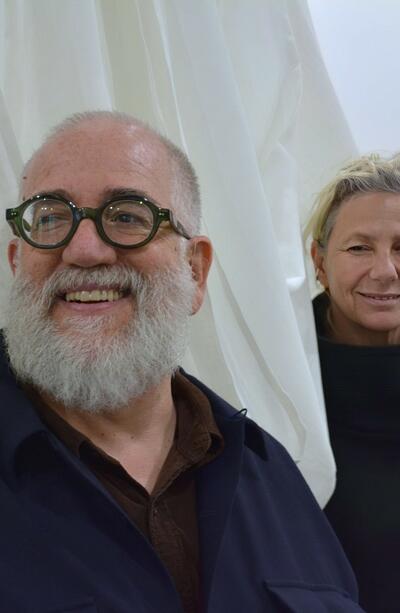
MAGALI ARRIOLA AND JOSÉ LUIS BLONDET: “WE QUESTION WHAT HAPPENS TODAY BECAUSE IT MAKES US WONDER ABOUT TOMORROW”
The curators present in their program at ARCOmadrid 2026 the exploration of the future as an open question. From theatrical play, where the dialogue between works and artists raises doubt and critique without certainties, the curators invite to “keep the eyes open” regarding what is to come.
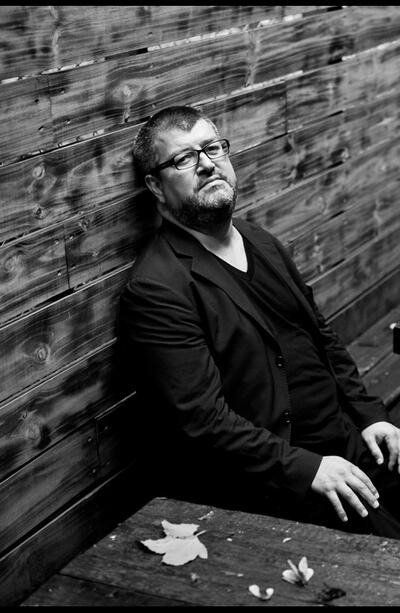
CHRISTIAN VIVEROS-FAUNÉ: “LATIN AMERICAN REPRESENTS A CRITICAL AND PRIVILEGED STANCE TOWARD POWER FROM THE ‘MARGINS’ OF THE EMPIRE”
From the curatorship of the Foco LATAM program at CAN Art Fair Madrid, Christian Viveros-Fauné approaches surrealism as a tool for reading global uncertainty, while advocating for painting and Latin American artistic practices as spaces of resistance and the creation of new imaginaries.
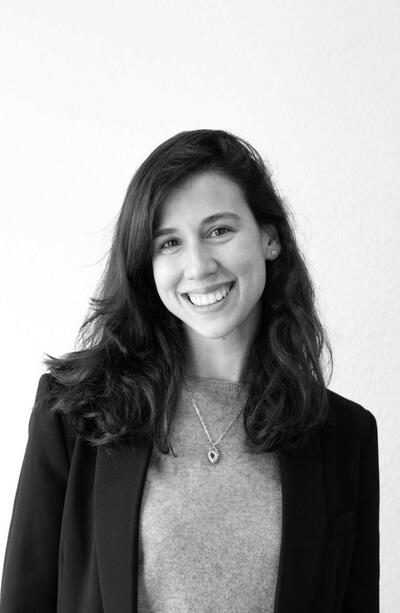
ISABELLA LENZI AND CURATORSHIP AS A CHORAL SPACE
Isabella Lenzi (São Paulo, 1986) is a curator trained in architecture, museology, and art history. She lives in Madrid, where she works as Visual Arts Curator at the Círculo de Bellas Artes and as Artistic Director and Chief Curator of the Fundación Alberto Cruz, following a trajectory that includes institutions such as the Museo Reina Sofía, Fundación Mapfre, Videobrasil, the Cuenca Biennial, and the Whitechapel Gallery.
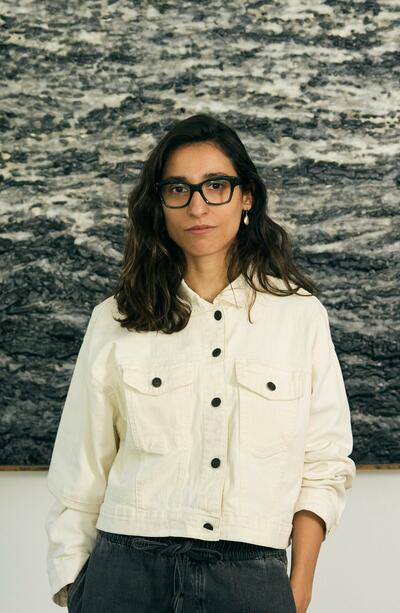
IRENE GELFMAN: BETWEEN SCENES, ARCHIVES, AND TERRITORIES
To tell, narrate, or curate always implies a perspective. From where one speaks, to whom one speaks, and which points of support are chosen when conceiving an exhibition—when designing a story. Irene Gelfman is an Argentine curator, art critic, and cultural manager. She trained as an art historian and curator. Today, she is the global curator of Pinta.

