By
María Galarza
Director of the Museo Universitario del Chopo, Sol Henaro reflects on her role, the tensions within the institution, and the construction of communities from a curatorial perspective.
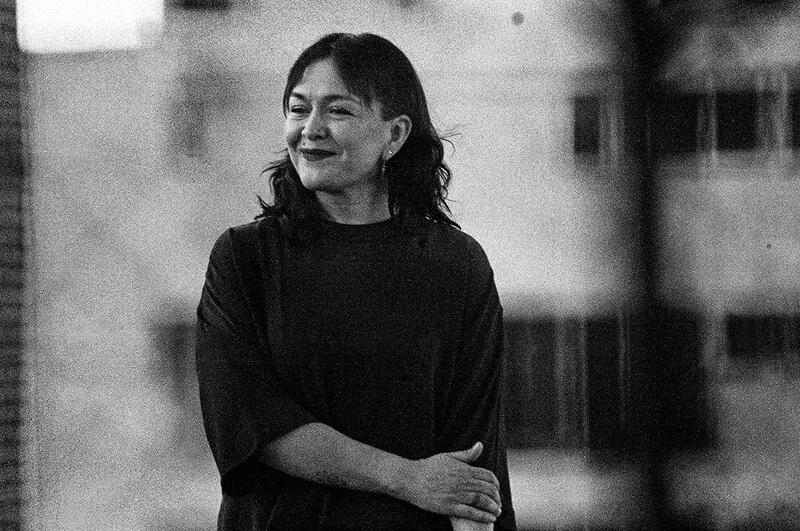
In conversation with Arte al Día, she proposes thinking the museum as a space of negotiation, affect, and dispute. One where desire, the collective, and the political run through institutional practice.
How have you been navigating your role at the Museo del Chopo? What excites or challenges you?
I embraced it as a very stimulating challenge. I see myself as a researcher and a curator, and for a long time I was focused on writing, exhibitions, and work related to archives and documentation centers. It felt like a good moment to take on this responsibility and to think the management and direction of a museum in a curatorial way.
I was interested in moving away from the figure of the director understood in a vertical way, with a kind of masculine energy that often defines it, or from those who lead with a certain asepsis and division of labor that makes it difficult to be fully involved in a museum’s needs and possibilities. I wanted instead to open up the pores of the institution and allow other kinds of care-and affection-based policies to permeate it.
How do you think the relationship between the museum and its audiences or communities?
I prefer to speak of communities, plurally. There isn’t just one community, there are many and this museum has shown that over its fifty years of existence. For example, communities connected to sex-gender freedoms found a space here in the early 1980s. There has also been a strong relationship with counterculture and with artistic practices such as performance or live arts.
Our work involves trying to perceive or read, always with caution, different desires. On one hand, those of the museum’s historical communities; on the other, the construction of new communities that have not had a sustained or clear presence. For instance, we are developing programs to bring in children and older adults, but also working with artists and professionals interested in Latin American narratives and practices, with a certain emphasis on Central America.
In that sense, we are trying to expand what a museum can be. I’ve said it before: this is a social center transvested as a museum. What drives me is offering a plurality of content from a critical horizon, resisting the logics of a dominant market and taking risks on content or practices that have not yet received sufficient support or visibility.
How do you understand the role of the museum within the broader art ecosystem?
The art ecosystem is deeply heterogeneous. All agents, whether individual or collective, public or private, take part in it and affect it. There is no absolute hierarchy.
I have respect for all those forms of practice, even if I may feel closer to certain ways of working or understanding the world. What matters is how each practice comprehend its political dimension and what kind of awareness or commitment it exercises from its position. The museum has a relevant role, but it depends on how each administration understands its moment. Institutions are not stable; they go through stronger or weaker periods depending on who leads them and what kinds of tools, resources, or sensibilities define that leadership.
I’m interested in thinking both the museum and management politically. There is, of course, an administration of needs, but also a way of intellectually engaging with the complexity of the institution.
In this case, it’s a public role within a university, the Universidad Nacional Autónoma de México. That implies a concrete responsibility, a position from which to put my tools, skills, and experience at the service of improving an institution. I’m interested in the idea of service, facilitating, guaranteeing, and defending the right to culture.
What does it mean, for you, to work “in service” within an institution?
Being in service does not mean cancelling one’s own desire or responding uncritically to that of others. It means working from a conscious listening, where there is an ongoing negotiation between what one considers meaningful and what emerges from dialogue with others.
It also means understanding that one arrives with a trajectory, with experiences and a vision that can put forward ideas and desires, always in relation to that listening.
What is one of the main challenges in your role?
One of the biggest challenges is how to pollinate. I mean by that how to activate desire in others and move through the inertia or frustration that often runs through colleagues and teams.
This takes place within a context marked by structural contradictions: labor precarity, lack of fair conditions, instability. Even in positions like mine, there are no long-term guarantees. That’s important to say, because there is a fantasy of “having made it” that doesn’t match the reality of the art field.
In that context, I try to sustain good practices, open spaces for listening, and create fairer working conditions. But resistance has a history, it doesn’t disappear easily. Wanting to change things is not enough; that change has to be sustained, insisted upon, worked through constantly, and sometimes it also means resisting frustration when you hit a wall and changes you consider necessary don’t materialize.
Thinking about your participation in the FORO at Pinta Lima, what interests you about interregional dialogues?
Spaces for dialogue are very important to me. They are an opportunity for learning and exchange with colleagues working in different contexts, a way of thinking about what strategies we can imagine together.
This has been part of my trajectory for years, through collective networks that have allowed me to exchange tools, experiences, and ideas. I’ve been part of the Red Conceptualismos del Sur since 2010, and that space has been very important in my formation.
It’s a kind of shared pot that everyone can draw from and also contribute to. I carry many of those ways of working into the spaces where I operate. It has also made me very accustomed to engaging with colleagues from across Latin America, which has enriched my perspective not only historically, but also in terms of practice.
I’m interested in thinking in terms of affinities rather than borders. Those affinities allow us to continue building connections and to blur geopolitical limits, generating forms of collaboration that develop over time.
Many times, these encounters don’t produce immediate results, but they open up relationships that later turn into projects, alliances, or collaborations. And there’s also something that happens in the embodied experience in shared spaces, in conversations. Those moments also produce knowledge.
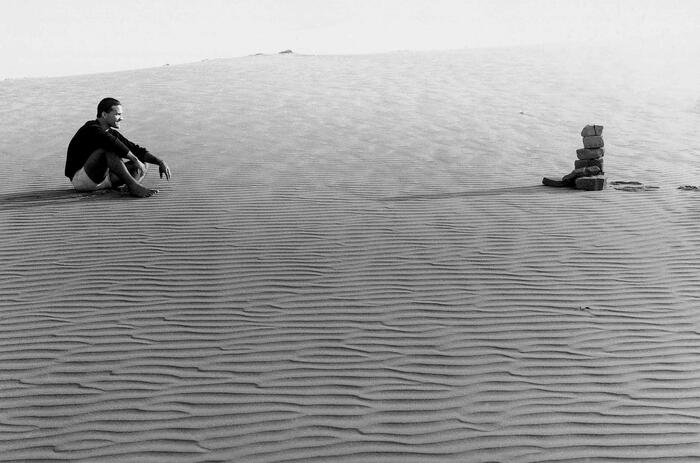
"Repeating and mastering form, shaping clay spheres, is like offering a prayer with no beginning or end in time. When I look, I hear distant music" — Carlos Runcie Tanaka (A Zen Parable and Ten Small Stories, 2007)
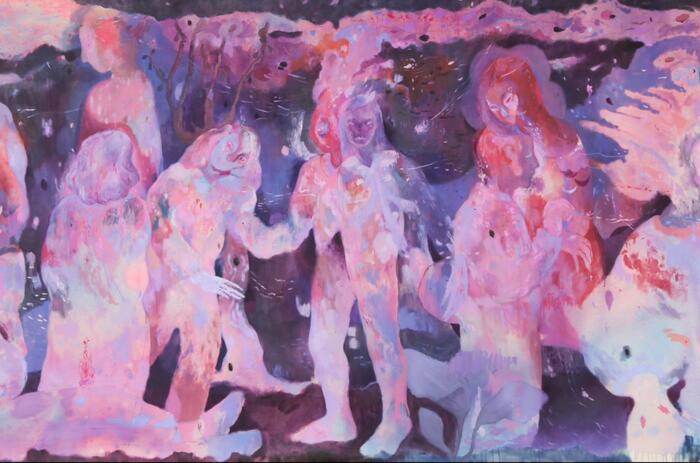
Vásquez, Rodrigo, Másquez, Verovcha, and Yone Makino transform the space into a living organism. A Special Project that questions what it means to make art in Peru today.
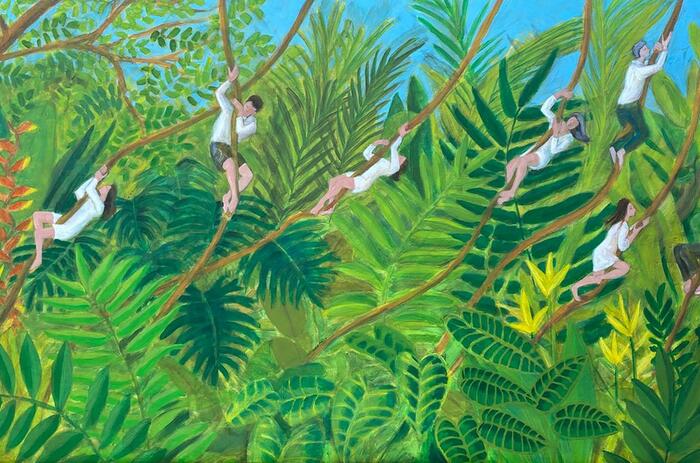
Galería Enlace, Forum, and Livia Benavides participate in the fair with a selection of artists with a presence in the national and international contemporary landscape.
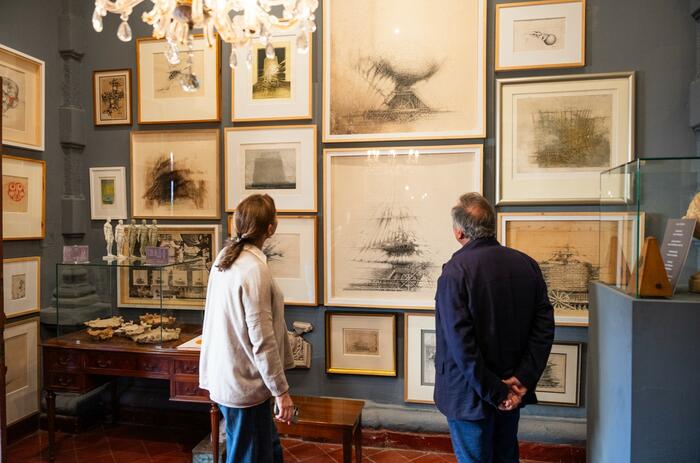
Through a boutique journey, Pinta proposes a true immersion into the cultural landscape of different cities across the continent—an experience designed for collectors, art lovers, and those seeking to expand their networks beyond their own country.
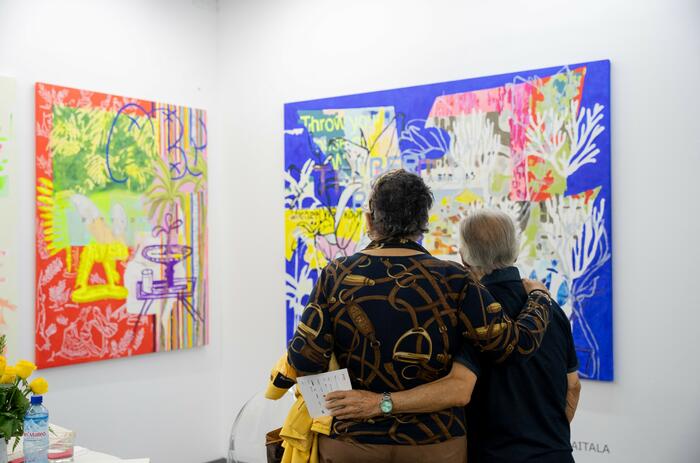
The fair commits to a program that brings together processes, technology, and identity, with curatorial sections that expand ways of thinking about contemporary art.
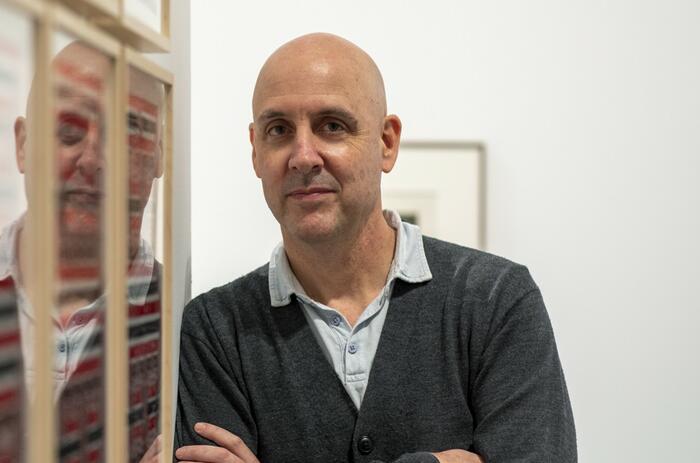
What is a Culturally Specific Institution? Director of El Museo del Barrio for over eight years, Patrick Charpenel reflects on the role of museums in the United States, the visibility of Latinx communities, and the challenges of thinking about art beyond fixed categories and market logics.
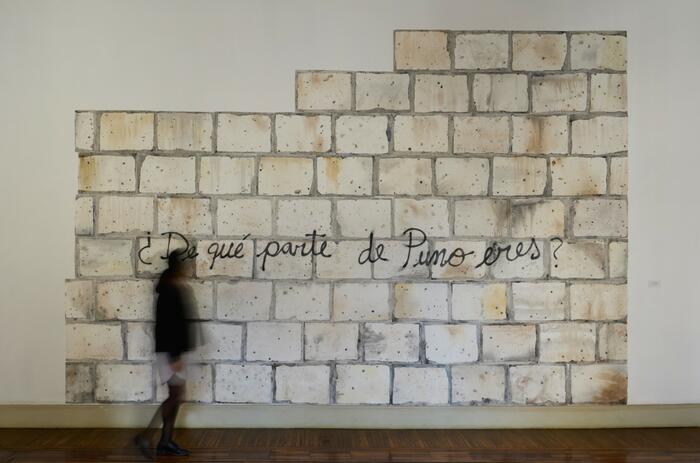
The exhibition Lengua materna (Mother language) is a journey through the intimate and social spaces that have shaped the work of the artist.
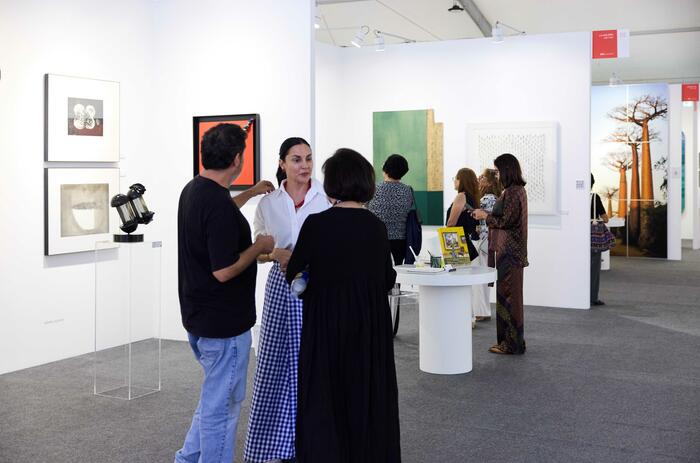
In conversation with Ilaria Conti, curator of the fair's Radar section, we learn how to adjust our gaze when encountering the Guatemalan work of Angélica Serech, presented by La Galería Rebelde.
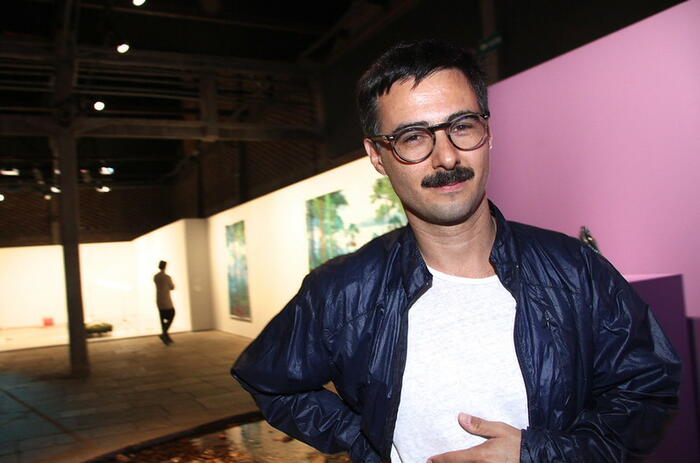
Cristiano Lenhardt was selected for his series of works born from his encounter with the environmental tragedy of the 2024 floods in southern Brazil.
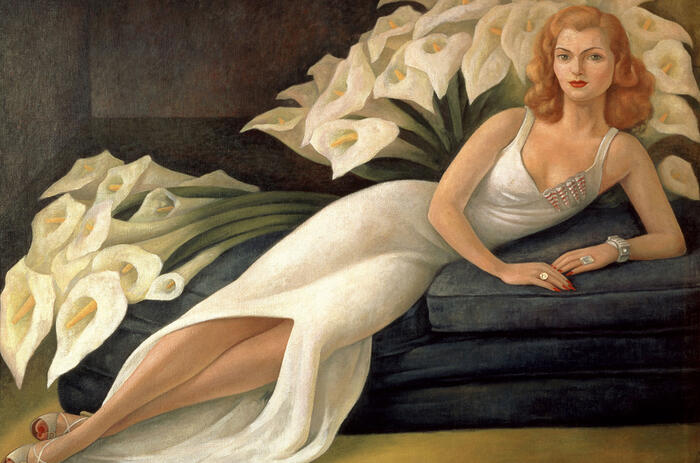
The current controversy highlights the difficult coexistence between the collection’s private ownership and the heritage protection that covers part of its works.
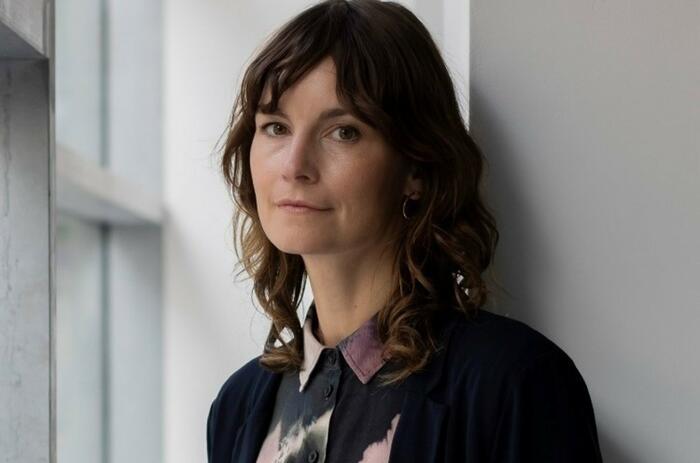
Argentine by origin, the curator and former Director of the Visual Arts Department of the Artists in Berlin Program (DAAD) — a residency that connects creatives from around the world with Germany's cultural scene — has spent years building bridges between Latin American art scenes and the major centers of Western art.