By
María Galarza
Eve Schillo is an Associate Curator in the Wallis Annenberg Department of Photography at LACMA (Los Angeles County Museum of Art). During her upcoming visit to Buenos Aires, Argentina, for Pinta BAphoto 2026, she shares an organic and systemic perspective on photography, one that does not need to remain within its own boundaries.
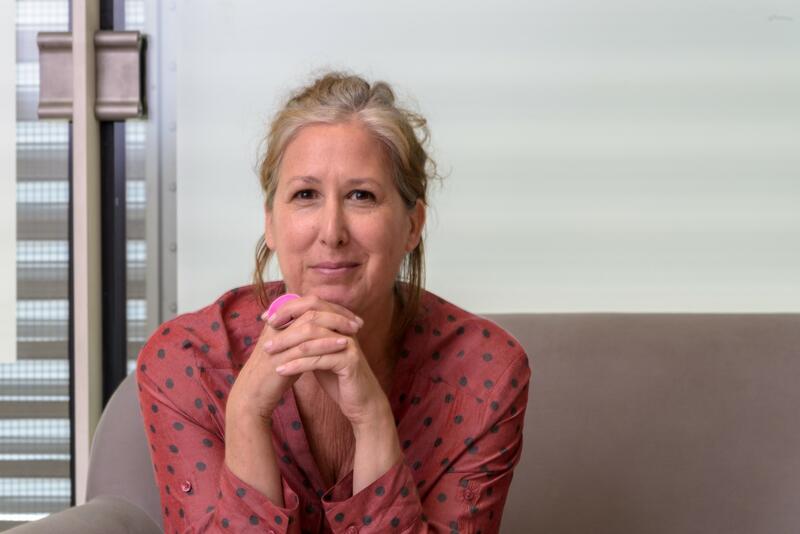
In conversation with Arte al Día, she offers concise, honest answers that are, as she admits, sometimes crafted by humor. She will take part in the FORO program at Pinta BAphoto on Saturday, October 24, for a conversation about her curatorial practice.
What keeps you interested in photography? What has it given you that no other artistic discipline could?
That's a big one! Perhaps best answered by going back to why I focused on photography in the first place. I came to photography for its ability to speak about the world in abstract terms. Not your usual, traditional entry point, at least for my generation. Photography, for me, is most equated to poetry: recognizable words, but reworked into magical terms, ones that we recognize on a different level than concrete language.
How does working within a museum like LACMA shape the way you think about photography? What draws you to bringing photography into conversation with other art forms?
Working in an encyclopedic museum definitely affects how I think about photography compared to an institution that is photo exclusive or focused on contemporary art. And on the plus side, it definitely opens up more opportunities for photography to interact with other media and across chronologies. I can be thinking about incorporating modernist, commercial photography from the mid-war years alongside decorative/commercial objects from the same time, and the next be considering a Daido Moriyama presentation amongst our Japanese holdings.
Our new building for the permanent collection, the David Geffen Galleries (opened in April 2026), is built on this model of cross pollination across all curatorial departments. Curating exclusively photo-based exhibitions still happens of course, but at LACMA we no longer feel the need for photography to be forever siloed and I'm delighted to have the medium in dialogue with other art forms.
In an interview, you stated that photographers identify themselves "As artists who use photography, rather than photographers per se". Why make that distinction?
I'm definitely not the first to make that distinction, that's been around for a while! I think for some time, identifying as a photographer implied a certain stereotype: a maker perhaps more focused on process, technique and dark room skills than on conceptually driven imagery. Now we more frequently hear the term "lens-based artist." That opens up artists to lean into the fact that while their practice involves a lens, it isn't necessarily beholden to photographic rules.
What are you looking forward to during your visit to Argentina for the 2026 edition of BAphoto? What stands out to you about photography in this part of the world?
Well...everything?! This is my first visit, though I've been looking at South American photography from afar for a bit. I'm looking forward to immersing myself in the photo community in Buenos Aires - the artists, academics, collectors, and so many photo-focused institutions. Photography here seems - again, from afar - to be quite open to experimentation, which is where I live.
You described humor as an overlooked element in photography, despite how often it contributes to what makes a work so magnetic or charming. What draws you to humor in photography?
I believe I was referring to humor found in photographic self-portraiture - LACMA has a large sub-collection of self-portraits - where a certain deadpanness is wonderfully at odds with photography's inherent truthfulness. That juxtaposition of two existences—reality and absurdity—is engaging in photography because of how, until fairly recently, we've bought into the fiction that everything captured by the camera's eye is true. But I suppose I might have put that out there because a) a chuckle over artwork is just as important an emotion as empathy, b) funny is money (to paraphrase Mel Brooks), and/or c) giving someone a laugh via any means is my love language.
What role does intuition play in your work as a curator?
Did AI come up with that one?! I'm joking (see above) - it's a good question and if I were a more academically trained curator I'd be inclined to say "Not at all!" As it is, I am not. I lean into my intuition when selecting artwork for the collection and when laying out an exhibition. Bottomline, I'm a visual thinker: I think about the intuitive experience of the artwork first, before writing about it, before analyzing its historical relevance or what box it ticks if contemporary.
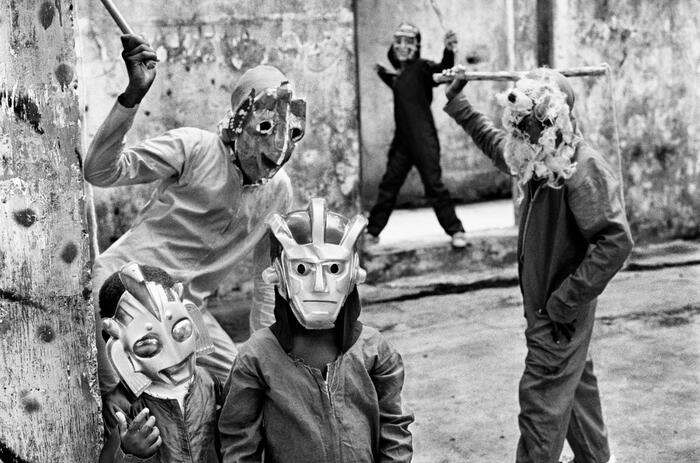
A tribute to Sandra Eleta, the work of Claudia Andujar, a solo show by Joaquín Sánchez, and a project that combines a bookstore and an exhibition chart a map that travels through Panama, Brazil, Paraguay, Mexico, Colombia, Chile, Argentina and Venezuela.
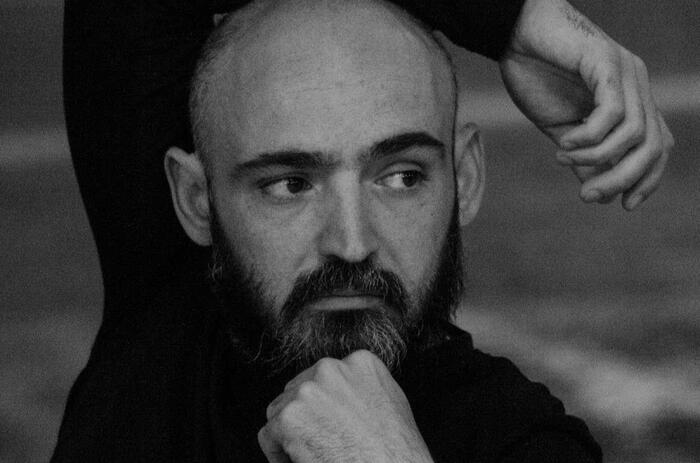
Artist, editor, workshop leader, and gallery owner. Depending on which “hat” he wears, Martín Bollati occupies different positions within the field of image-making (and thinking). He founded ATLAS, a bookstore and gallery specializing in photography, images, design, and architecture, as well as publisher SED Editorial.
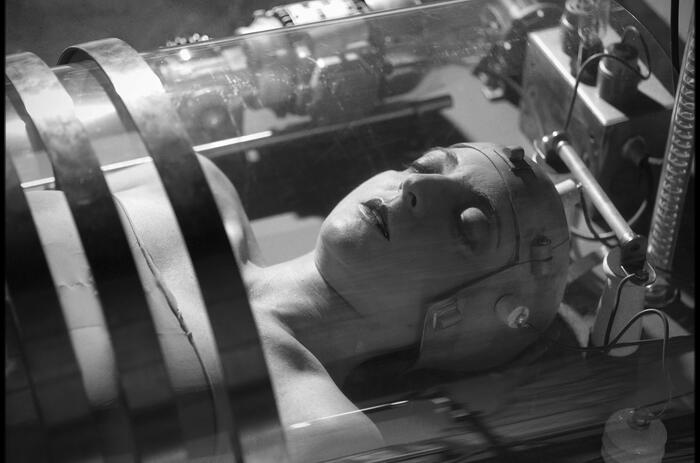
From October 22 to 25, La Rural hosts the 22nd edition of the only photography fair in Latin America: it celebrates two centuries of images with unique works, in-house curatorial projects, and an international presence.
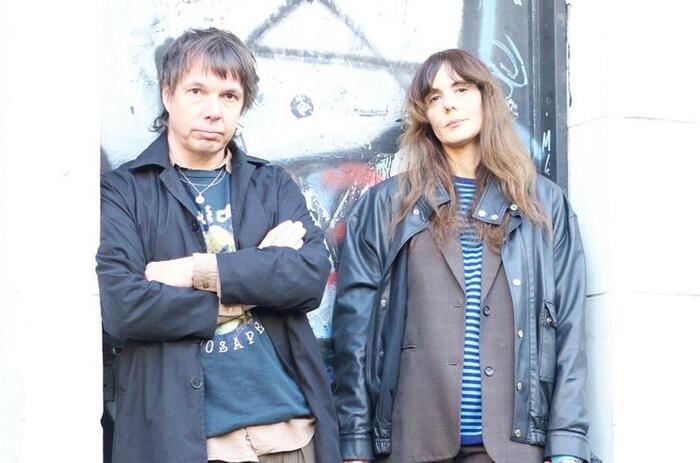
The founders of the NN gallery talk about their curatorial approach, driven by intuition and the periphery: “When it finally articulates well, it’s not that interesting.”
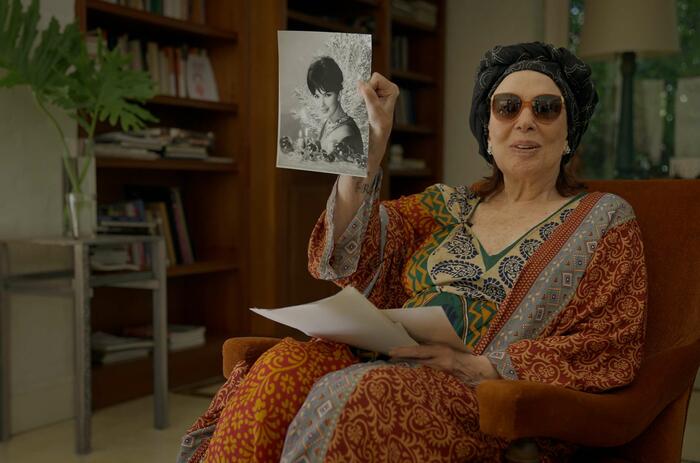
Presented at Argentine film festival BAFICI and soon to premiere at MALBA in Buenos Aires, Annemarie is the documentary about photographer Annemarie Heinrich, directed by her great-granddaughter, Mariana Sanguinetti. Heinrich's work, which has appeared in several editions of Pinta BAphoto, will also be on view this 2026 with the fair celebrating 200 years of photography.