
Interviews
Interviews with artists, curators, and key figures in Latin American art about their work, creative process, and careers in the international circuit
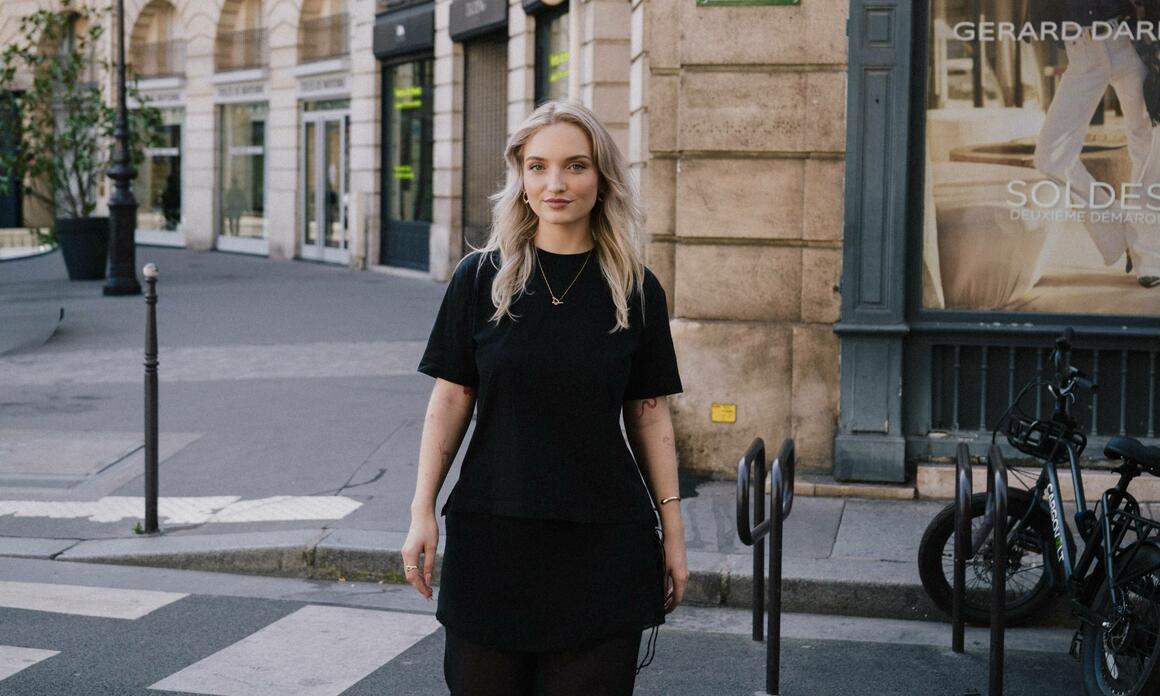
BEYOND THE ALGORITHM: GENEVIÈVE'S BESPOKE VISION FOR THE ART MARKET
The contemporary art ecosystem is undergoing a profound paradigm shift, caught between the hyper-speed of algorithmic metrics and the unsustainable overheads of traditional gallery models. Today's primary market increasingly rewards virality over slow-burning studio practice, forcing artists into hyper-transactional cycles and leaving collectors searching for genuine depth beneath online trends.



LA CHOLA POBLETE: "THEY EXPECT A VICTIM, I GIVE THEM A DIVA"
An Interview with La Chola Poblete
A CONVERSATION BETWEEN MICHELE OKA DONER AND JULIA P. HERZBERG – TALISMAN, A SACRED GROVE
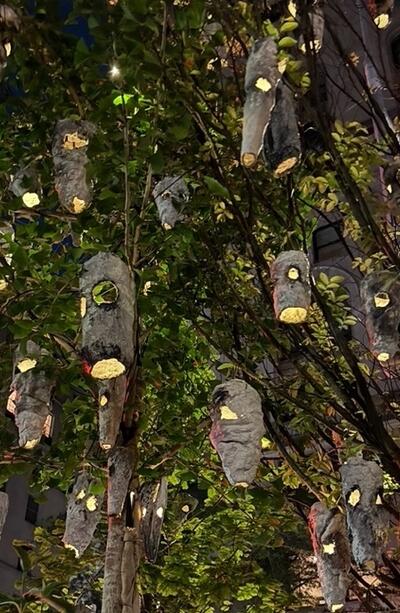
Talisman, A Sacred Grove is a natural grove featuring twenty-one different species of trees that support approximately two hundred hand-formed heads, known as Talisman. The grove is installed on Park Avenue mall near the corner of East 66th Street in front of The Park Avenue Armory.
EMILIA DE LAS CARRERAS, THE ARTIST WHO PRACTICES FICTIONAL TAXIDERMY
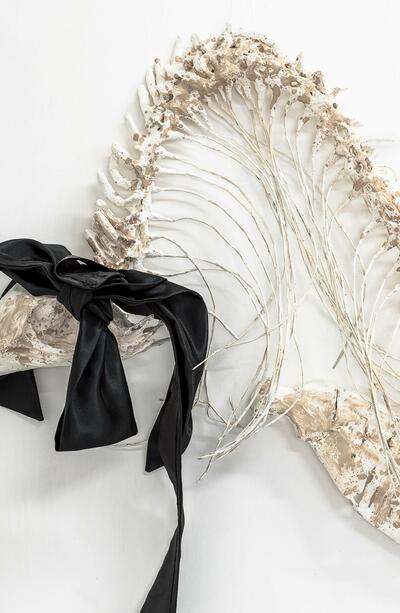
Just as Emilia de las Carreras (Buenos Aires, 1989) looks at the hermit crab and understands that leaving a mark means that life leaves marks on you too, engaging with her artistic practice inevitably means that little crusts of her narrative stick to us: the methodology she works with, her intuition as a collector, her thinking of the body as geology, her obsessions, her skeletal and exoskeletal sculptures. The artist's work explores bodies and their remains through a visual and sensory operation crossed with scientific research and self-knowledge, giving shape to pieces that evoke an intersection of the archaeological, the clinical, and the speculative. Her approach to art could easily fill dozens of pages; this is only one chapter.
A GHOST INSTITUTE FOR ARGENTINE PHOTOGRAPHY, ACCORDING TO FRANCISCO MEDAIL
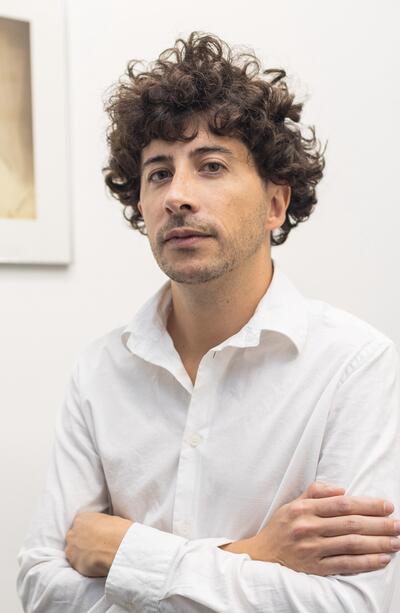
An interview about Argentina and its institutions, about Argentina and photography, about Argentina and its contemporary art audience. About the Instituto de Estudios Artísticos, Francisco Medail's new space.
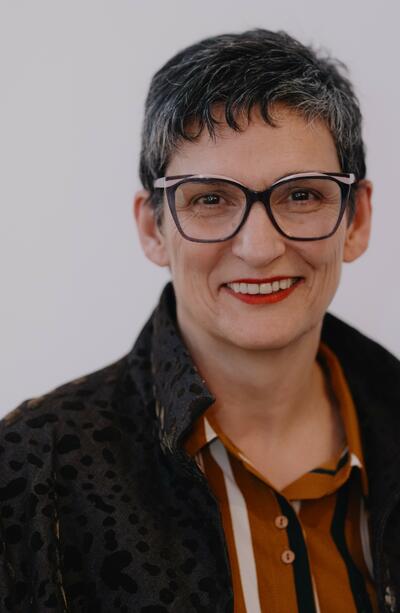
NURIA ENGUITA: “MUSEUMS DO NOT SPEAK FROM A NEUTRAL POSITION, BUT FROM A CONTEXT THAT SHOULD BE MADE VISIBLE”
Interview with Nuria Enguita, Artistic Director, MAC/CCB – Museum of Contemporary Art and Architecture Centre (Museu de Arte Contemporânea e Centro de Arquitetura), Lisbon.
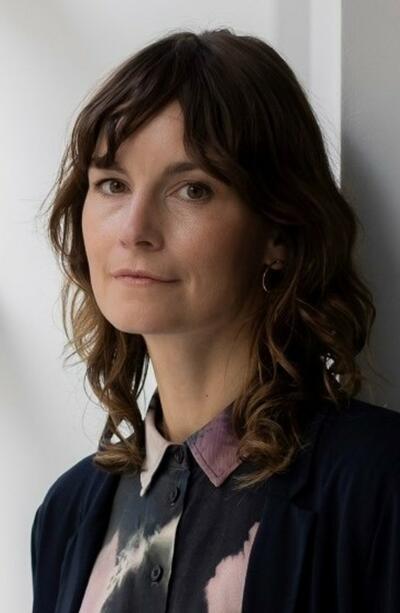
CHALLENGING THE WESTERN CANON – IN CONVERSATION WITH MELANIE ROUMIGUIÈRE ON HER PARTICIPATION IN PINTA LIMA
Argentine by origin, the curator and former Director of the Visual Arts Department of the Artists in Berlin Program (DAAD) — a residency that connects creatives from around the world with Germany's cultural scene — has spent years building bridges between Latin American art scenes and the major centers of Western art.
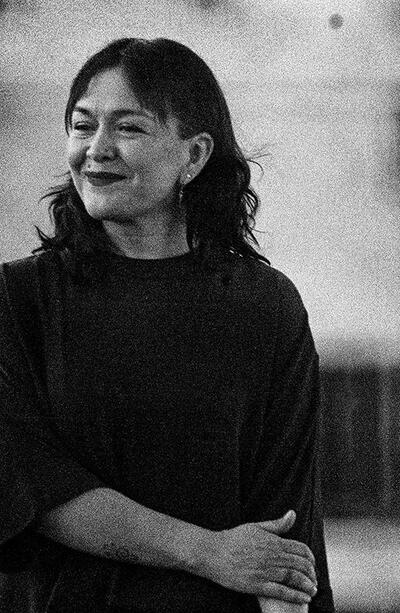
A CONVERSATION AROUND POLITICS, AFFECTION AND LISTENING WITH SOL HENARO
Director of the Museo Universitario del Chopo, Sol Henaro reflects on her role, the tensions within the institution, and the construction of communities from a curatorial perspective.
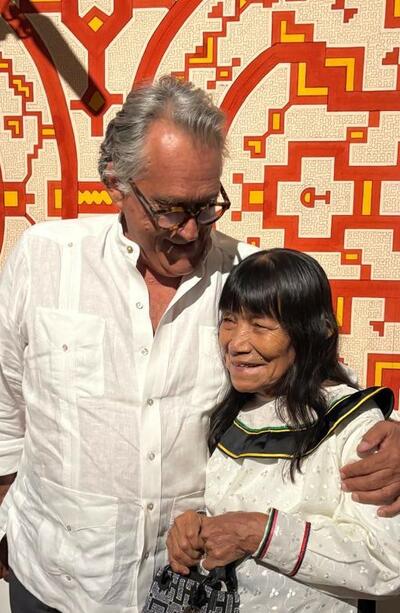
ARMANDO ANDRADE: “SARA FLORES PRESENTS A SERIES OF WORKS THAT TAKE KENÉ TO A SCALE NEVER BEFORE EXPLORED”
As commissioner of the Peruvian pavilion in Venice, Andrade examines how the Shipibo-Konibo artist transforms a visual thinking system into an all-encompassing experience —and why that gesture reshapes the scale of what contemporary art can hold.
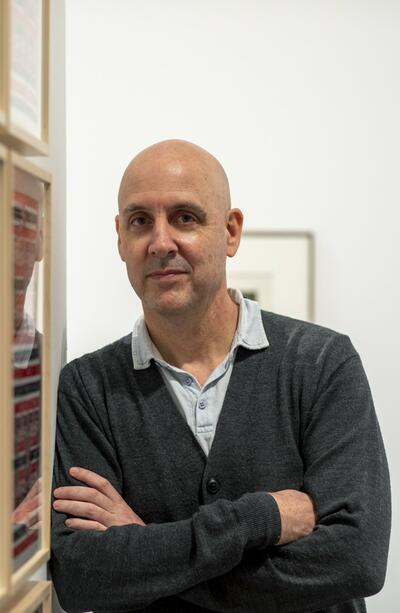
PATRICK CHARPENEL: “CULTURALLY SPECIFIC INSTITUTIONS ARE BREAKING AN INCREASINGLY HOMOGENEOUS PATTERN”
What is a Culturally Specific Institution? Director of El Museo del Barrio for over eight years, Patrick Charpenel reflects on the role of museums in the United States, the visibility of Latinx communities, and the challenges of thinking about art beyond fixed categories and market logics.
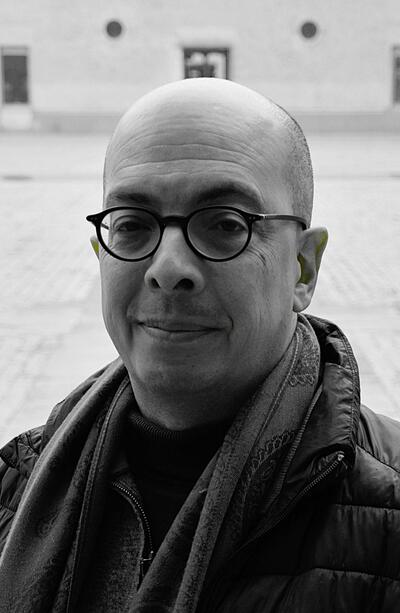
JORGE VOLPI: "THE DIALOGUE BETWEEN LATIN AMERICA AND SPAIN IS REASON ENOUGH TO BE A PRIMARY FOCUS"
Jorge Volpi, after one year as Artistic Director of Contemporánea Condeduque, reflects on programming through a multidisciplinary narrative and how it fosters dialogue while giving Latin American art a central role in Madrid’s cultural scene.
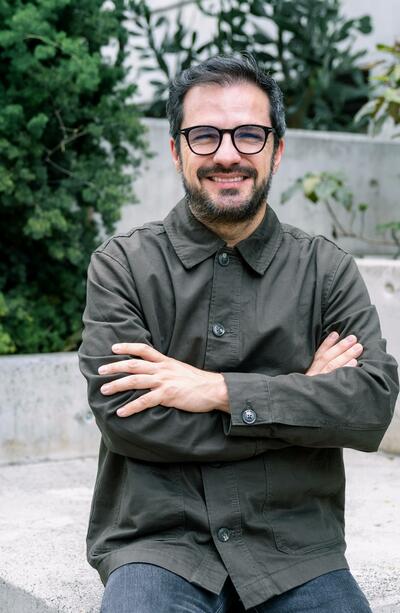
RAFAEL TAMAYO AND THE MUSEUM AS A PLACE OF ENCOUNTER
With a background shaped by humanities and a trajectory in cultural practice, Rafael Tamayo promotes a model of the museum that is conceived in relation to its social context. Director of the Museum of Modern Art of Medellín, he will take part in the FORO of Pinta Panamá, where he will engage in discussions on how institutions construct narratives, community, and debate in the region.
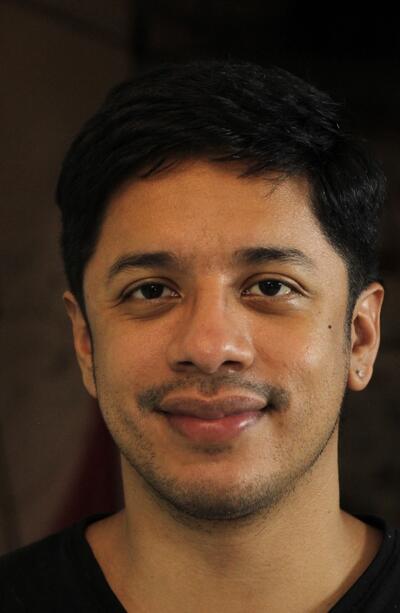
PATRICIO MAJANO: “ART CAN HELP US UNDERSTAND THE PAST, PRESENT AND FUTURE”
The Salvadoran curator reflects on the relationship between art, memory, and politics, and on how his work at Y.ES Contemporary seeks to generate opportunities for local artists while building networks with the international scene. He will be participating in the 2026 edition of Pinta Panamá in the FORO talk.
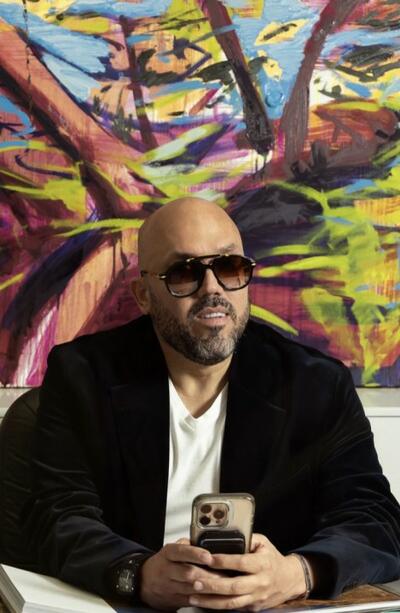
WALTER OTERO: “A TROPICAL GALLERIST IS ONE WHO IS NOT AFRAID OF ANYTHING”
Walter Otero is recognized for his unconventional approach to artist management and the Puerto Rican art ecosystem. His career is now compiled in Walter Otero. A Tropical Gallerist, a book in which he reviews his career and reflects on changes in the sector.

GISELA COLÓN: ANCIENT FORMS, NEW SOURCES OF TRANSFORMATION
The artist’s organic minimalism reveals the intertwining of ecological phenomena, personal and ancestral memory, and the relationship between cultural anthropology and the natural world.
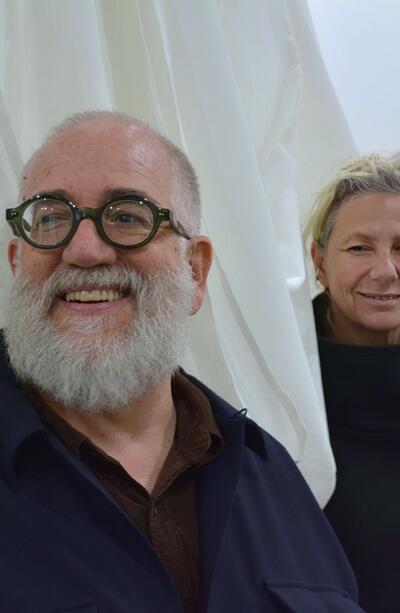
MAGALI ARRIOLA AND JOSÉ LUIS BLONDET: “WE QUESTION WHAT HAPPENS TODAY BECAUSE IT MAKES US WONDER ABOUT TOMORROW”
The curators present in their program at ARCOmadrid 2026 the exploration of the future as an open question. From theatrical play, where the dialogue between works and artists raises doubt and critique without certainties, the curators invite to “keep the eyes open” regarding what is to come.
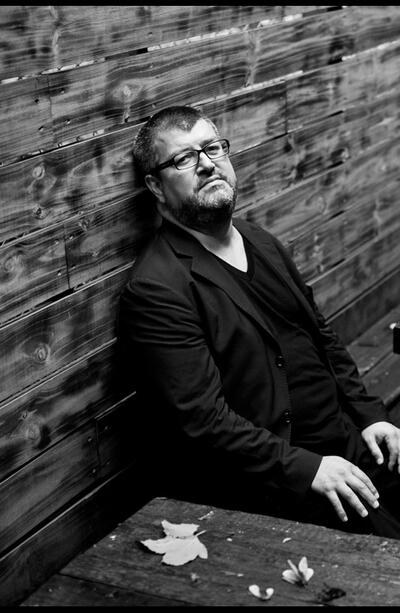
CHRISTIAN VIVEROS-FAUNÉ: “LATIN AMERICAN REPRESENTS A CRITICAL AND PRIVILEGED STANCE TOWARD POWER FROM THE ‘MARGINS’ OF THE EMPIRE”
From the curatorship of the Foco LATAM program at CAN Art Fair Madrid, Christian Viveros-Fauné approaches surrealism as a tool for reading global uncertainty, while advocating for painting and Latin American artistic practices as spaces of resistance and the creation of new imaginaries.
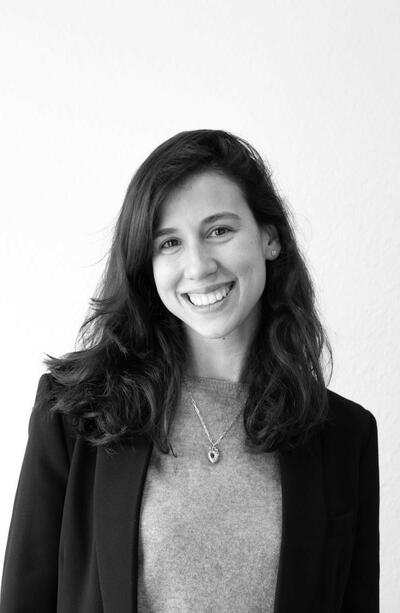
ISABELLA LENZI AND CURATORSHIP AS A CHORAL SPACE
Isabella Lenzi (São Paulo, 1986) is a curator trained in architecture, museology, and art history. She lives in Madrid, where she works as Visual Arts Curator at the Círculo de Bellas Artes and as Artistic Director and Chief Curator of the Fundación Alberto Cruz, following a trajectory that includes institutions such as the Museo Reina Sofía, Fundación Mapfre, Videobrasil, the Cuenca Biennial, and the Whitechapel Gallery.
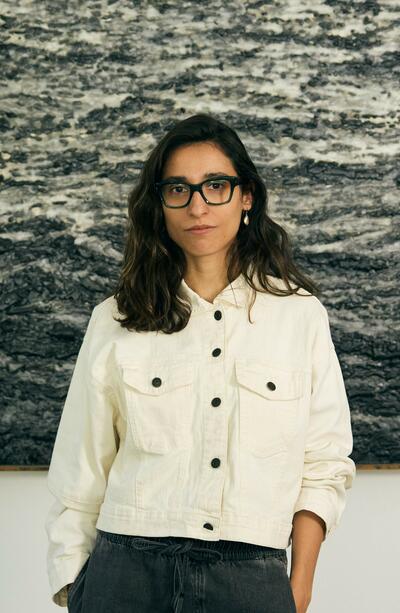
IRENE GELFMAN: BETWEEN SCENES, ARCHIVES, AND TERRITORIES
To tell, narrate, or curate always implies a perspective. From where one speaks, to whom one speaks, and which points of support are chosen when conceiving an exhibition—when designing a story. Irene Gelfman is an Argentine curator, art critic, and cultural manager. She trained as an art historian and curator. Today, she is the global curator of Pinta.
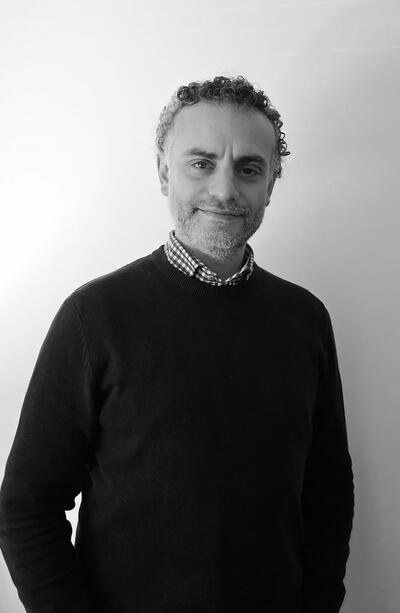
JUAN CRUZ ANDRADA AND HIS PERSPECTIVE FOR UNDERSTANDING THE VALUE OF ART DURING MIAMI ART WEEK
By Violeta Lozada
Art Week opens its doors next week and Miami begins to beat differently. There’s a pulse you can feel while walking through the fairs—a mix of curiosity, intuition, and discovery.
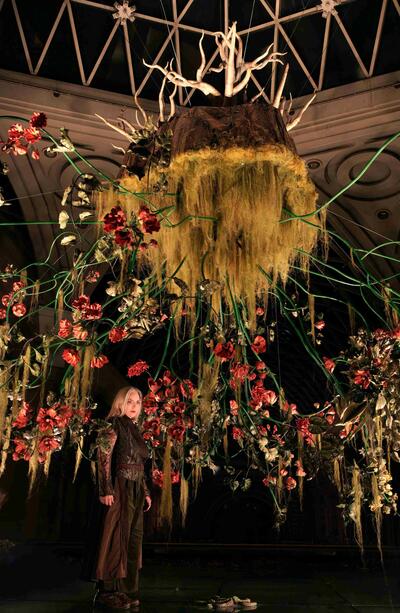
OF FLORA AND BEASTS, NICOLA’S REALM
Among jaguars, giant flowers, and living ceramics, Nicola Costantino unfolds a universe where technique and concept seek each other out. From initial rawness to a beauty guided by nature, her work continues to evolve like an expanding jungle.
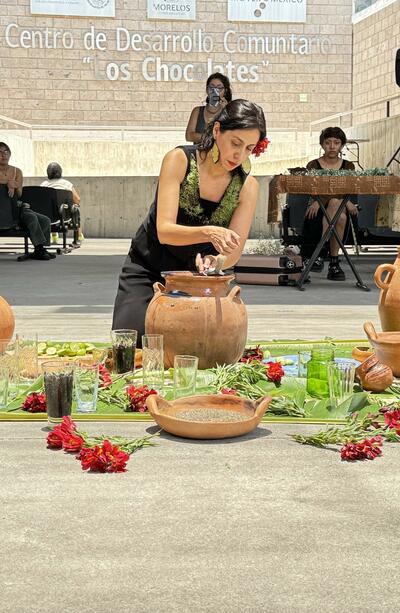
REFORESTING MEMORY: YUNUEN DÍAZ AT THE BOGOTÁ BIENNIAL
Bogotá and Mexico City are among the cities with the greatest bird diversity in the world: Bogotá is home to 550 species, while Mexico City has 365. Inspired by this observation, Mexican artist, poet, and educator Yunuen Díaz presented a series of ten habitable nests at the International Biennial of Art and the City, BOG25—a collaborative creation with basket weavers from Apulo, Colombia, installed in the plaza of the Gabriel García Márquez Cultural Center of the Fondo de Cultura Económica.
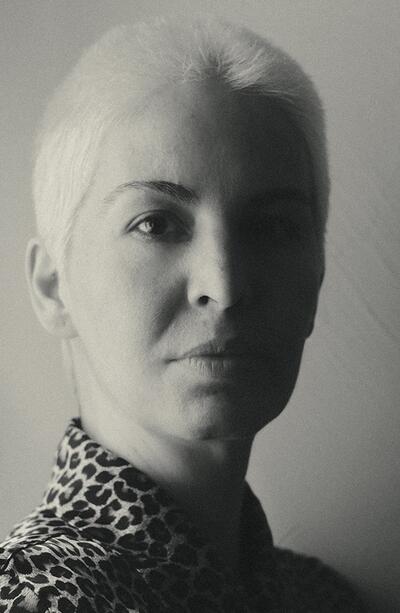
GUAD CRECHE: ON THE PERFORMATIVE GESTURE OF PHOTOGRAPHY
Through the exploration of the intersections between image, body, and discourse, Guad Creche (Salta, Argentina, 1985) positions their curatorial gaze on the performative potential of photography.
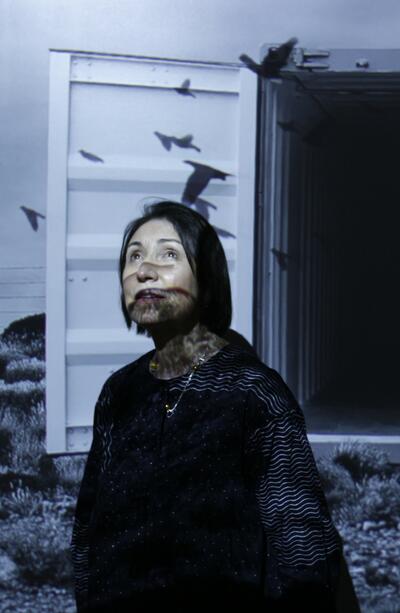
MATILDE MARÍN AND THE TRIMMINGS OF BEING A WITNESS ARTIST
Both the exhibited and the stored works draw attention in Matilde Marín’s studio. On the walls, her emblematic photographs steal the gaze, but so do the wrapped and labeled folders on her tables, the boxes full of books on the floor, and the stacks of files on her shelves. The image completes itself with her voice, the one that explains why the archive, too, is a protagonist.

SOL ECHEVARRÍA + ESPACIO FAN: A CROSSROADS FOR TEXTS, BOOKS, ART AND IMAGES
Editor and curator, Sol Echevarría created Espacio FAN as a meeting ground between the editorial and the visual. There, books become a territory for experimentation, and artworks become ways of reading. A project that champions collaboration, critical thinking, and cultural resistance in times of retreat.
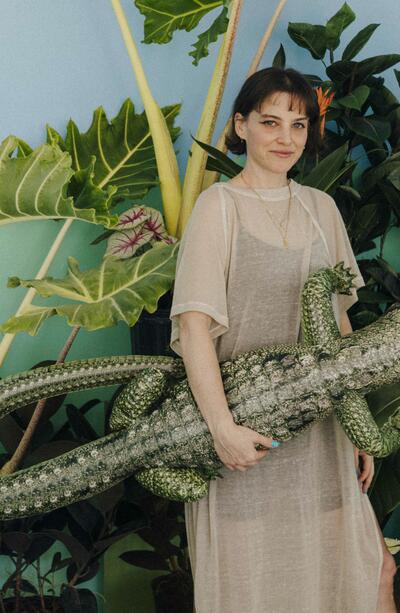
INTERVIEW TO ALEX NUÑEZ AND HER VISION OF FLORIDA'S PLAYFUL WILD
By Violeta Lozada
For Miami-born artist Alex Nuñez, inspiration often springs from the familiar yet unsettling details of everyday life in South Florida. Her latest project, "There’s a Gator in the Pool", takes a symbol that outsiders often fear and transforms it into a playful, layered metaphor for life as a Floridian. The exhibition is on view at the Faena Art Project Room in Miami Beach through September 14th.
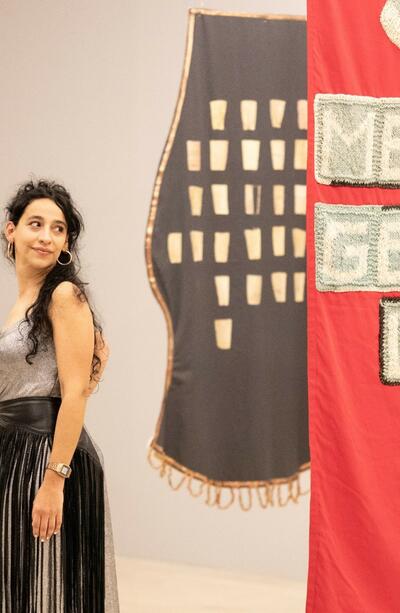
BETWEEN THREADS AND MEANINGS: THE WOVEN WORDS OF LUCRECIA LIONTI
In this interview, the artist from Tucumán talks about her inspirations, goals, and connections with the public. About beauty, chance, and irony. About materials and words. About community.

MANUELA MOSCOSO, BIENAL DAS AMAZÔNIAS’ CURATOR: “ART CAN HOLD CONTRADICTIONS”
The Brazilian city of Belém has the particularity of being located in an estuary: the point where the Amazonian rivers open into the Atlantic. It is there, in a setting traversed by currents of water and of history, that the Bienal das Amazônias takes place, an event that explores the connections between territory, history, and climate, and the ways in which art can become a space to think through those tensions.

CATALYSTA: NEW COORDINATES FOR LATIN AMERICAN ART
By Maria Paula Suarez
Interview with Valerie Cabrera Brugal, founder of Catalysta
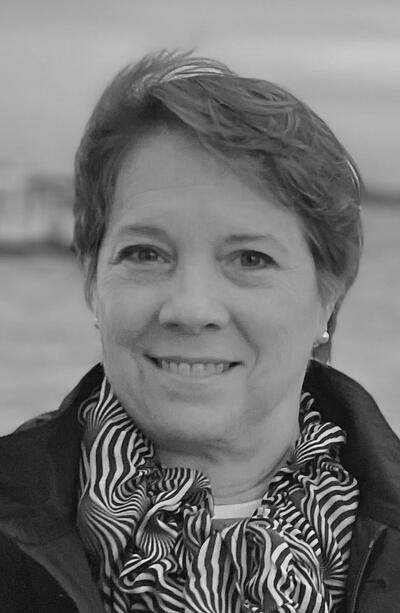
MÓNICA KUPFER: “IT’S NOT ENOUGH TO EXHIBIT ART, WE NEED TO WRITE ITS HISTORY”
For over four decades, Mónica Kupfer has been researching, writing, and curating exhibitions that seek to tell a story of Panamanian and Central American Art that is still under construction. She played a key role in the first edition of Pinta Panamá Art Week, where she coordinated FORO—a regional discussion platform that brought together artists, curators, collectors, and institutions.
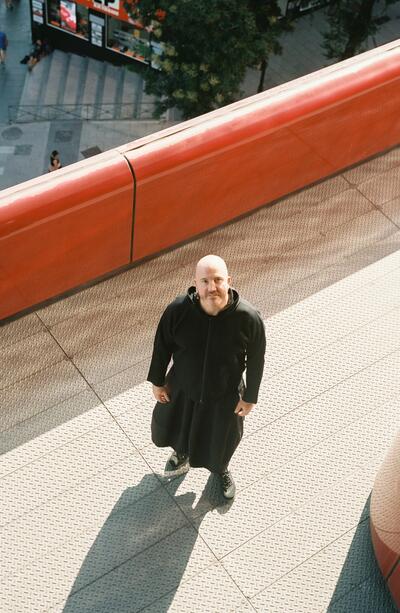
INTERVIEW WITH MANUEL SEGADE
Manuel Segade (La Coruña, Spain, 1977) celebrates two years this month at the helm of Spain’s largest public museum of contemporary art. Since taking over as director of the Reina Sofía, he has implemented a series of exhibition and institutional strategies that have gradually shaped the museum’s strong personality and clear direction. In addition to progress on gender and feminist issues, decolonial thinking plays an important role in his vision—always from a perspective that necessarily looks to both sides of the Atlantic. Segade never seems to lose his enthusiasm, as evidenced by his expression and way of speaking. He welcomes us into his office at the Reina Sofía to finalize ideas and details, and to discuss the museum’s positioning and approach regarding Latin America.
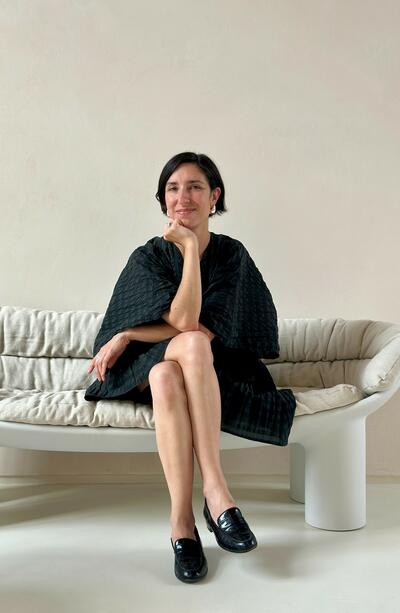
INTERVIEW WITH JULIA MORANDEIRA
Julia Morandeira Arrizabalaga (Bilbao, Spain, 1986) is in her first year at the Reina Sofía Museum as Director of Studies, a position she has held since October 2024 and which, since March of this year, she has combined with the directorship of the Instituto Cáder de Arte Centroamericano (ICAC). This organization faces several challenges in its core missions of raising awareness and promoting, but above all, researching and disseminating the reality of contemporary Central American art. It has ten years ahead of it to do so, and the foundations are already being laid to ensure that its objectives are met. Morandeira welcomes us to her office at the Reina Sofía, a few floors above the building that houses the library and which marks its character and connection with divulgation, to talk about the project, her vision, and the progress and future that are already taking shape.

SAMUEL SARMIENTO: SPECULATING ON HISTORY
This past April 2025, Venezuelan artist Samuel Sarmiento (Maracaibo, 1987) opened his solo exhibition, Primordial Marshes: Of Waters and Goddesses, at the Claustro de San Agustín of the National University of Colombia. Curated by María Belén Sáez de Ibarra, the show features over 100 works—ceramics, watercolors, and paintings—created by Sarmiento from 2013 to the present. The exhibition presents water as a fertile ground for human stories and myths, focusing particularly on narratives from the Caribbean islands, where the artist resides.
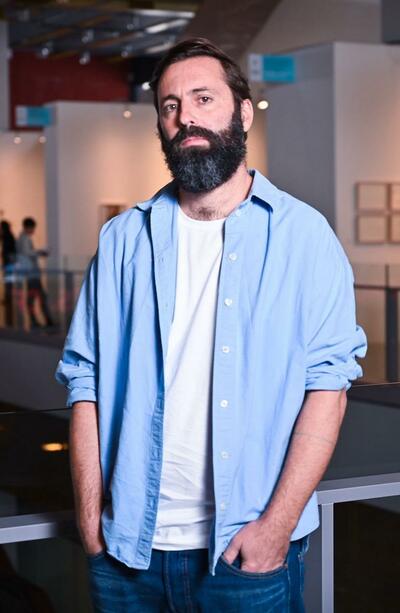
JUAN CANELA AT MAC PANAMÁ: A COLLABORATIVE, CONTEXTUAL CURATORIAL APPROACH
MAC Panamá's Chief Curator Juan Canela, reflects on the challenges of curating in Central America, the value of collaborative practices, and the context of Panamanian art. He is participating in the inaugural Pinta Panamá Art Week, running May 21–25 with activities centered on the local art scene.