By
María Galarza
Panama is preparing to become the epicenter of regional art with the first edition of Pinta Panama, May 21-25, 2025. At an effervescence moment for the local artistic ecosystem, the fair seeks to consolidate the Panamanian scene, promote the circulation of artists and create a meeting space for the artistic currents of Central and South America. Emiliano Valdes, general curator of the project, shares his vision of Panama's potential as a cultural connection point.
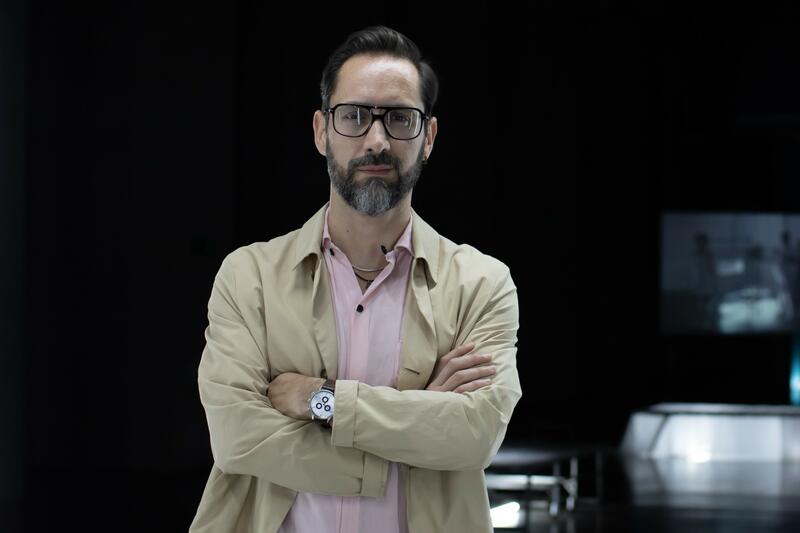
How did the curatorial vision behind the first edition of Pinta Panama emerge? What was the seed that originated the project?
Thinking of Pinta Panama as an opportunity to articulate and activate -or reactivate- the cultural sector in Panama was key from the beginning. The idea is that many of the efforts already underway in the city can be aligned and join forces to exploit the great potential that Panama has.
The intention is to include as many spaces, institutions and projects as possible, always under certain standards of quality and rigor in the presentation of art. We were very interested in achieving a significant representation of participating artists and institutions, with a strong presence of Panamanian and regional artists, especially from Central and northern South America.
Panama is, geographically, a meeting point. This strategic position allows us to imagine it as an epicenter from which diverse artistic and cultural currents spread. Just as Panama is a point of connection between North and South America and a transit point between the Caribbean Sea and the Pacific Ocean through the Canal, we believe it can also be strengthened as a center for the arts and culture of the region. The idea is for Pinta Panama to become a key node within these cultural corridors and to stimulate exchanges and artistic circulation, not only to the north, but above all to other directions.
How is Panamanian identity integrated into Pinta Panama's programming?
Panama is a country where the theme of identity is very present, both in official discourse and in artistic practices and cultural research. The Panama Canal, for example, is a monumental piece of infrastructure that has profoundly influenced the national identity and social configuration of the country, historically attracting (and forcing) people from different backgrounds. This has added complexity to Panamanian identity, creating a kind of unique social historicity that, as I explain, has been reflected in the country's artistic practices.
At this moment, Panama is in a process of asking itself what it is and what it represents. From where it builds itself as a nation. The Pinta Panama program will reflect this diversity of practices and narratives. We are interested in showing both the official and unofficial narratives, the dissident ones, the ones that emerge from the margins. All those “Panamas” that will emerge within the framework of the fair will help us to construct an answer -partial, of course- to the question of what Panama is today.
What are the strengths and challenges of the Panamanian artistic ecosystem?
Panama today has cultural institutions that have been strengthened and professionalized, which shows that there is a response to a society that demands more and better forms of artistic production and dissemination. However, the gallery circuit is still small, which limits the opportunities for artists to access careers that allow them to make a living from it. In addition, opportunities outside the commercial sector are limited.
I believe that the Panamanian artistic ecosystem is still young and under construction, especially at the institutional and state level. In that sense, Pinta Panama represents an opportunity to give a boost to these ongoing efforts and strengthen the artistic and cultural fabric of the country. The fair can serve to catalyze ideas, processes and initiatives that are in gestation. I perceive an effervescence in Panama right now, precisely as a result of those individual and institutional efforts, and I think Pinta Panama can be the impetus to consolidate that creative energy.
What lessons or influences did you gather from other ArtWeeks organized by Pinta, such as Pinta Asuncion?
The Pinta Asuncion experience was key, although I did not participate directly in that edition. However, from the conversations I've had with Diego Costa Peuser - Pinta's global director - and Irene Gelfman - Pinta's global curator - I understand that the results were very stimulating and promising. The positive impact that an initiative like this can have on a city was clearly felt.
The Pinta model is based on replicating and adapting the successful dynamics of other editions to different Latin American capitals. We know that there are aspects that worked very well and others that can be adjusted, so we are going to take advantage of those lessons learned to optimize the experience in Panama. The intention is for Pinta Panama not only to reflect the local context, but also to become part of a broader network of cultural exchanges at the regional level.
*
The first edition of Pinta Panama in 2025 is presented as an opportunity to consolidate Panamanian art and position the city as an epicenter of artistic currents in the region. Beyond being an art fair, Pinta Panama seeks to open new routes for cultural exchange, strengthening questions about Panamanian identities and projecting the city as a strategic node for artistic production in Latin America.
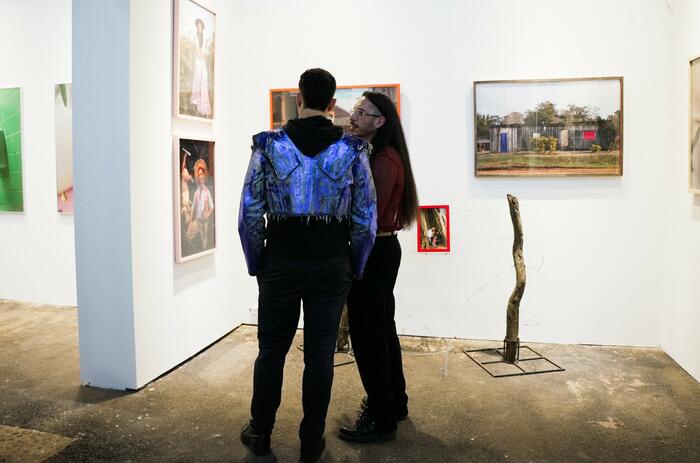
The fair has officially announced the opening of applications for exhibiting galleries interested in participating in this edition. The application deadline is May 15, 2025.
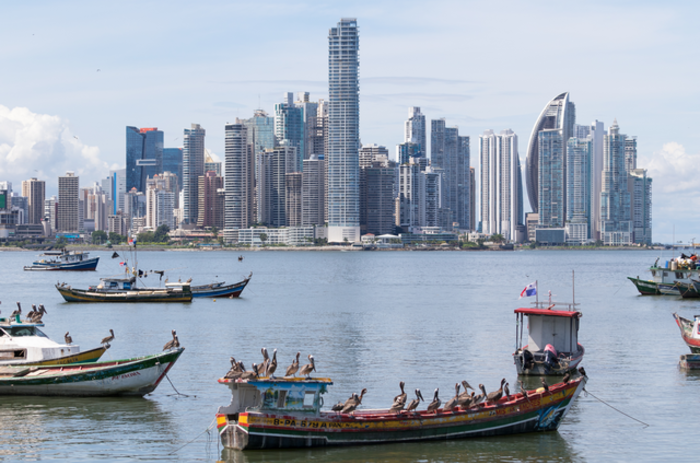
Pinta is launching Panamá Art Week in 2025 –May 21 to 25–, an initiative created to foster the integration of the art scene and strengthen and consolidate best practices within the sector.
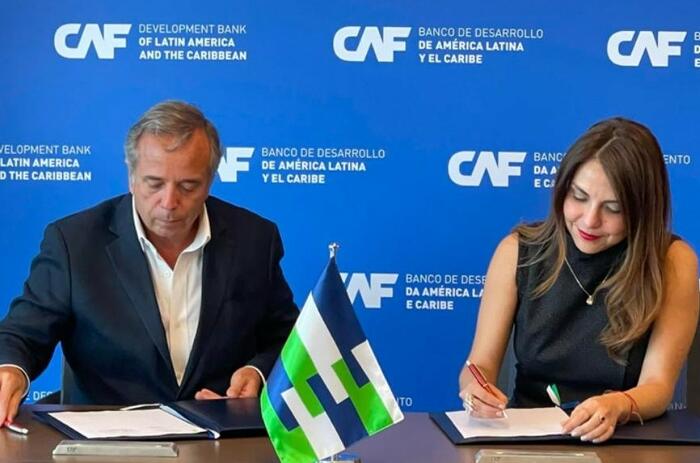
CAF – Development Bank of Latin America and the Caribbean – and Pinta, an international platform for promoting Latin American art through fairs and artistic circuits across the region, have formalized a strategic alliance aimed at strengthening and promoting Latin American and Ibero-American art worldwide. This collaboration will culminate in a prominent Art Week to be held in Panama City in May 2025, a new initiative designed to position regional culture on the global stage.
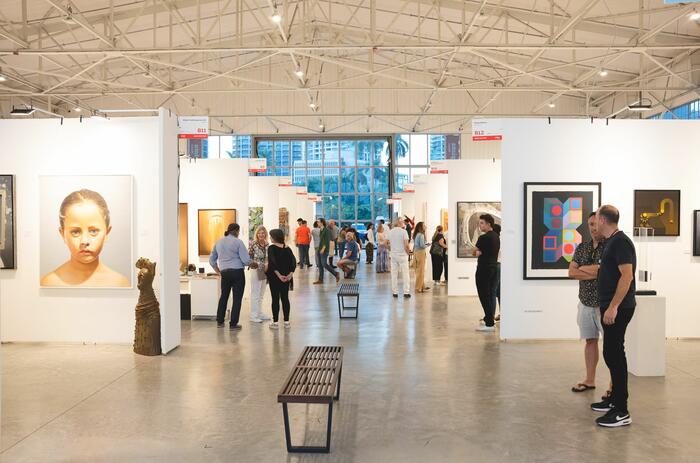
Since its foundation in 2007 in New York, Pinta has established itself as a key event in promoting Latin American, Spanish, and Portuguese art. What began as a boutique fair in the Big Apple has evolved into a global concept connecting artists, galleries, and collectors worldwide.
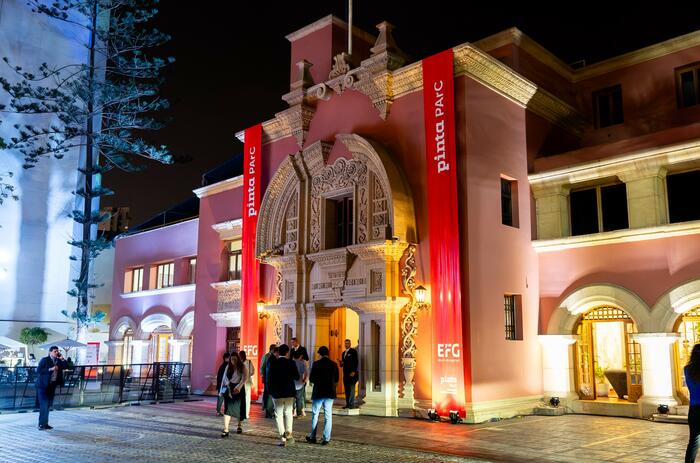
Pinta Lima is the most important contemporary art fair in Peru, presenting in its 12th edition a solid program that celebrates the diversity of the Latin American artistic and cultural scene. Located at Casa Prado in Miraflores, Lima, the fair is an essential event where a network of artists, galleries, curators, and collectors from the region connect with the international scene.
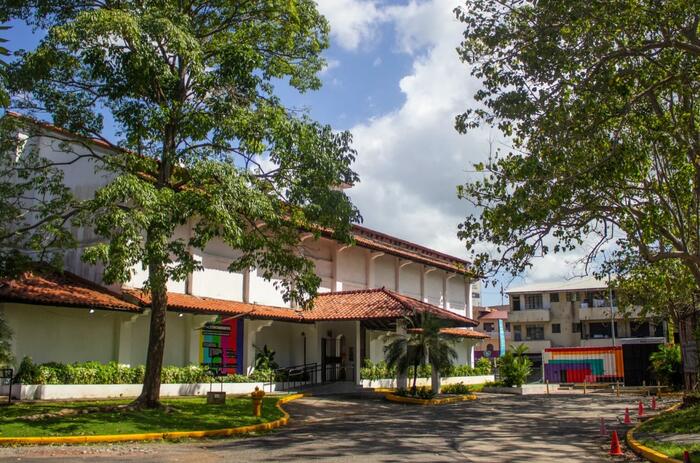
The Museum of Contemporary Art of Panama has opened applications for a prize aimed at supporting the careers of emerging artists in the country through professional training, curatorial guidance, and institutional visibility. The application period will remain open until May 25.
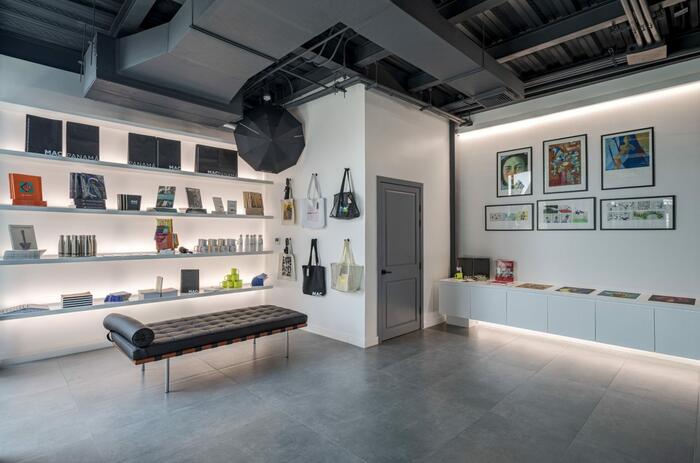
In the heart of Casco Antiguo, the Museum of Contemporary Art of Panama (MAC) embarks on a new chapter with the opening of its Sala Satélite, a space dedicated to showcasing projects developed from its Permanent Collection. The inaugural exhibition, 60+1 el pequeño gran museo de Ancón (60+1 The Little Big Museum of Ancón), serves as a tribute, a reflection, and an exploration of the museum’s history.
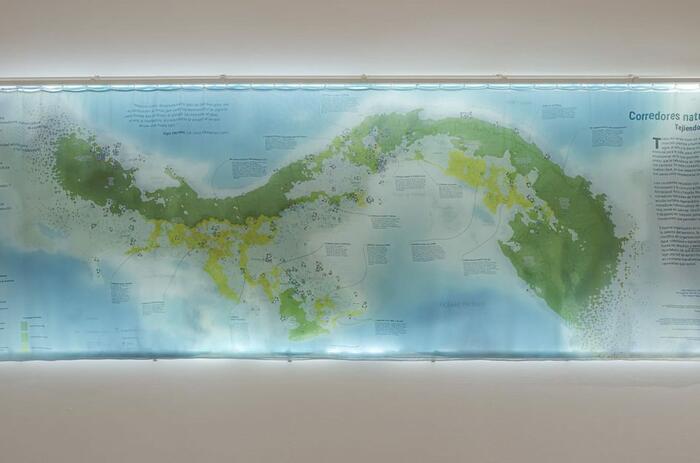
The Panarte gallery at the Museum of Contemporary Art of Panama hosts Cúmulus: 10+ Years of Estudio Nuboso, an exhibition celebrating over a decade of collaborative practices at the crossroads of art, science, and ecology.
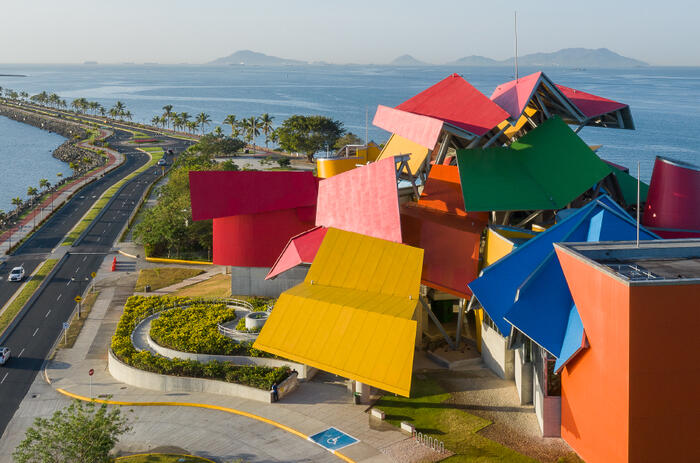
Pinta Panamá Art Week makes its debut from May 21 to 25. Over five days, it will offer a public program filled with art activities, inviting attendees to explore a city undergoing a cultural boom. This first edition positions Panama City as a key destination on the international art and culture calendar.
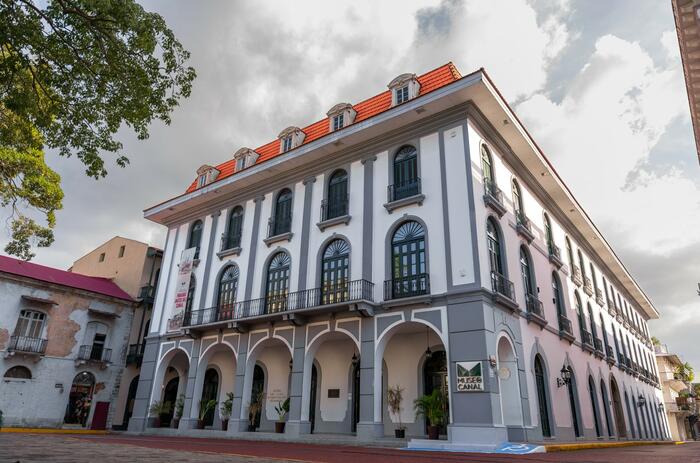
From Thursday, May 22 to Saturday, May 24, the FORO at Pinta Panamá Art Week will take place across various institutions in the city. Curated by Mónica E. Kupfer, the series presents a diverse program featuring both local and international experts. The event is free and open to the general public.
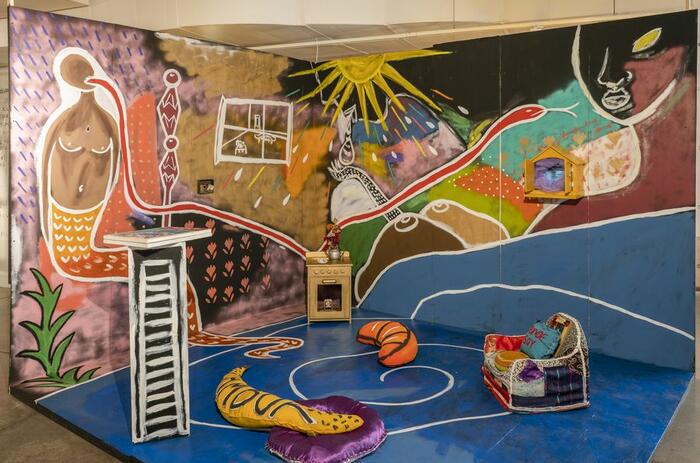
For 66 days, the exhibition will spread throughout the city, bringing together works by 76 artists from different regions of the world, focusing on exchanges between various social contexts and artistic languages as a way to explore the multiplicity of experiences between art and life.