

By
Violeta Méndez
Among jaguars, giant flowers, and living ceramics, Nicola Costantino unfolds a universe where technique and concept seek each other out. From initial rawness to a beauty guided by nature, her work continues to evolve like an expanding jungle.
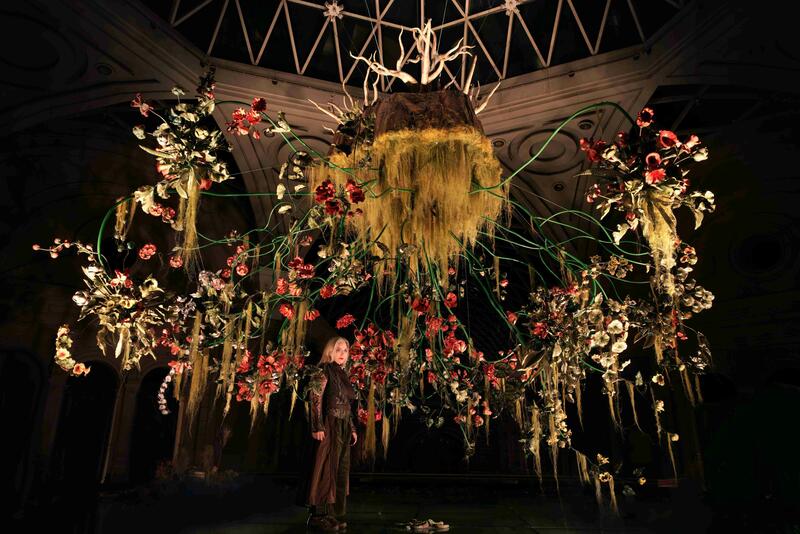
Like the jungle. Where rawness never hides and beauty walks with elegance. Where the rough becomes more sensitive than the refined. Where every color, morphology, and form unfurls in a post-biblical Eden. There, in that space in Villa Crespo, Nicola Costantino sits on a large burgundy velvet armchair, her long gray hair, eclectic orange outfit, red-painted lips, and wide eyes. The Rosario-born artist, who began her practice 30 years ago, continues to expand her contemporary ecosystem.
Tric-tric-tric-tric. The silkworms eat the grape leaves she tosses them, unaware that they will become co-authors of works by the great Nicola Costantino.
Nicola created Human Furriery with synthetic skin: corsets with male nipples, dresses made of natural hair, shoes with anuses. She made spheres containing animal forms — Ñandubola, Chanchobolas, Pollobolas, Ternerobolas. She directed a video performance where she gives life to her own doppelganger only to take it away. Her work has exposed what society chooses to hide: its coldness, its rawness, its cruelty. Even so, “beauty was always present, although I used it to produce a seduction that somehow attracts you, and when you realize what is drawing you in, you get scared.” Sometimes her themes dealt with that: the tyranny of beauty. But today, she seeks another kind of beauty. “Now I recognize that the most important thing is to learn from the beauty of nature — its intelligence, its geometry, its laws and rules that we don’t know but that govern everything.” Nicola believes that art connected to these rules holds something sacred, and that it can only be understood through nature.
Women with turkey necks in their mouths ride jaguars, tigers, and llamas. Enormous ceramic flowers hang with their stems and green leaves growing disproportionately, reaching out to cover everything. Like the jungle.
“There are artists for whom certain things aren’t important, and for others they are. For me, technique is very important.” Nicola has always had the ability to visualize the work before making it; she knows which technique she will use and what the aesthetic result will be. “The work appears to me already finished, and when time passes and I finally execute it, I’m amazed: it’s as if I had already seen it.” For her, concept and technique must need each other; it cannot work otherwise. Only when the conceptual need aligns with the technique that expresses it does she decide to make the work. If that doesn’t happen, the piece simply isn’t ready.
A black cat sleeps, and behind it, on the wall, acting as its landscape, a large tree trunk sprouts restless roots; it lives in reverse, because it is flowers that grow from its lower part.
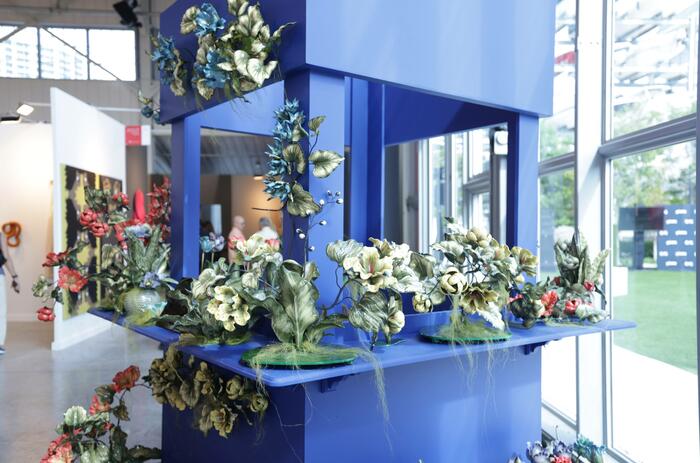
In Nicola’s work, the body is a territory of conflict, a battlefield where different tensions clash — between the human and the artificial, the beautiful and the monstrous. In her early works, the corporeal is immediately visible, but in her most recent project — ceramics made with the Japanese nerikomi technique — it appears without fanfare. “The work feels so physical, so material, that I believe the importance the human and animal body had 30 years ago is still present in this new work.” Nicola believes it is not strictly her who produces the drawings in her ceramic garden, but rather the clays, pigments, and intrinsic forces of nature working within the pieces.
Her abundant and shrub-like work — diverse, animal, mysterious, captivating, raw and above all, beautiful — began in 1994 and has no intention of stopping. She dug into the earthly, and now she seeks to understand the sacred. Witnessing Nicola Costantino’s work is the true artistic experience.
Nicola Costantino will take part in Pinta Miami 2025 (December 4–7) with The White Lodge gallery.
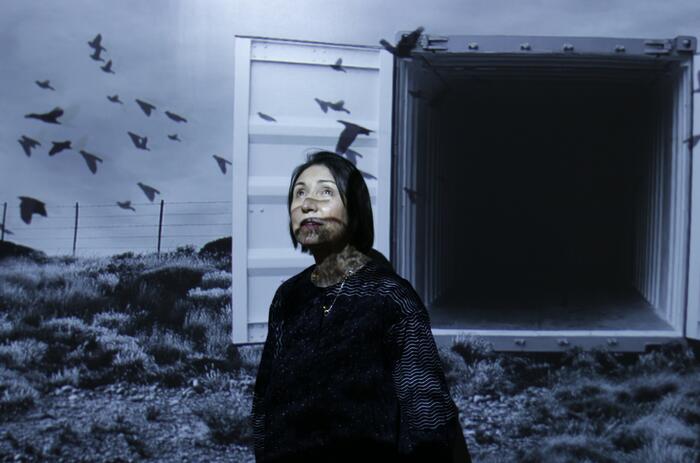
Both the exhibited and the stored works draw attention in Matilde Marín’s studio. On the walls, her emblematic photographs steal the gaze, but so do the wrapped and labeled folders on her tables, the boxes full of books on the floor, and the stacks of files on her shelves. The image completes itself with her voice, the one that explains why the archive, too, is a protagonist.

A leading platform for Ibero and Latin American art, the fair brings together galleries, curators, and emerging talents for a dynamic edition shaped by new voices and cross-regional perspectives.

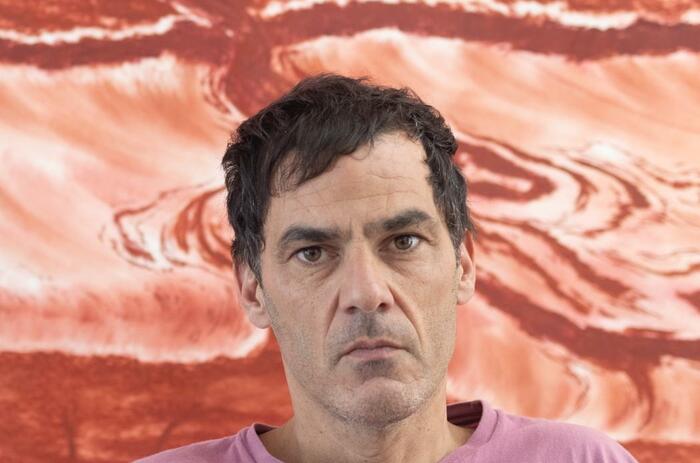
Daniel Basso presents new works that reinterpret nocturnal aesthetics, consumer objects, and urban memories to create an immersive space between fantasy and exaggeration.
Curated by Josefina Barcia, the project was selected among 69 submissions and will occupy the Argentine Pavilion from May 9 to November 22, 2026.

At the Argentine gallery, Pariente by Hans Petersen and Redondita by Juana Cravero engage in dialogue: two exhibitions that explore what we have turned into habit, and the desire that never fades away.

From the ancestral to the mythical, two parallel exhibitions explore how memory, identity, and nature shape the symbolic territories where migrant communities imagine —and reinvent— their roots.
With Special Projects, the Sculpture Garden, and the FORO program, the fair stands as the key meeting point for Latin American art during Miami Art Week.
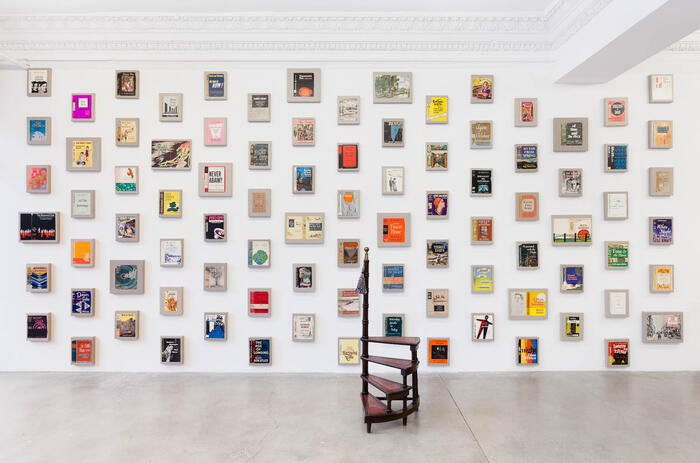
In an image-saturated present, Francisco Lemus proposes new relationships through a selection of works that appropriate space to assert their presence in the face of contemporary volatility.

Isabella Lenzi (São Paulo, 1986) is a curator trained in architecture, museology, and art history. She lives in Madrid, where she works as Visual Arts Curator at the Círculo de Bellas Artes and as Artistic Director and Chief Curator of the Fundación Alberto Cruz, following a trajectory that includes institutions such as the Museo Reina Sofía, Fundación Mapfre, Videobrasil, the Cuenca Biennial, and the Whitechapel Gallery.
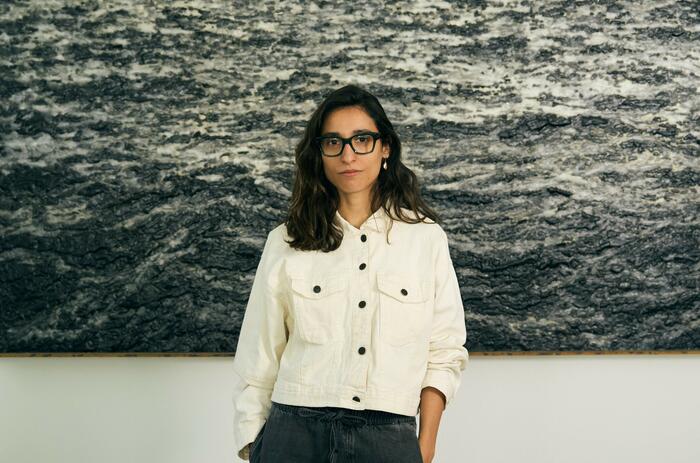
To tell, narrate, or curate always implies a perspective. From where one speaks, to whom one speaks, and which points of support are chosen when conceiving an exhibition—when designing a story. Irene Gelfman is an Argentine curator, art critic, and cultural manager. She trained as an art historian and curator. Today, she is the global curator of Pinta.
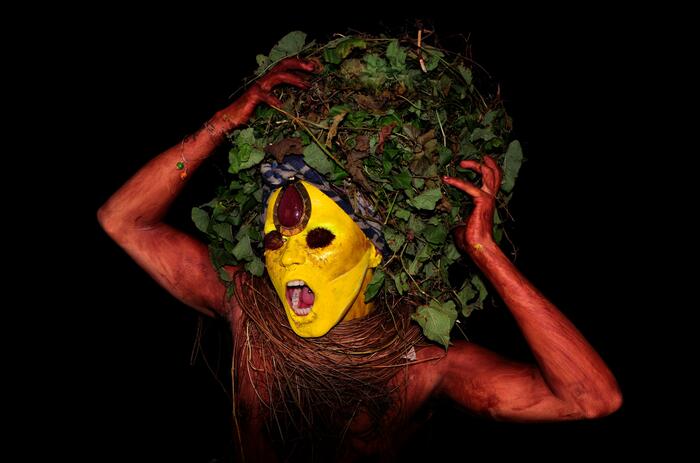
In its new edition, Pinta Miami reaffirms its role as a vital anchor of Miami Art Week. Curated by Irene Gelfman, the fair presents three projects that explore—through distinct approaches—the shifting relationships between landscape, identity, and collective experience.

In its 2025 edition, the fair unfolds a terrain of questions and encounters. Curated by Juan Canela, NEXT proposes pairings of artists and galleries that explore how we inhabit, name, and imagine the region, articulating new ways of thinking about the contemporary from Latin America and the Caribbean.