
Notes related to Spain
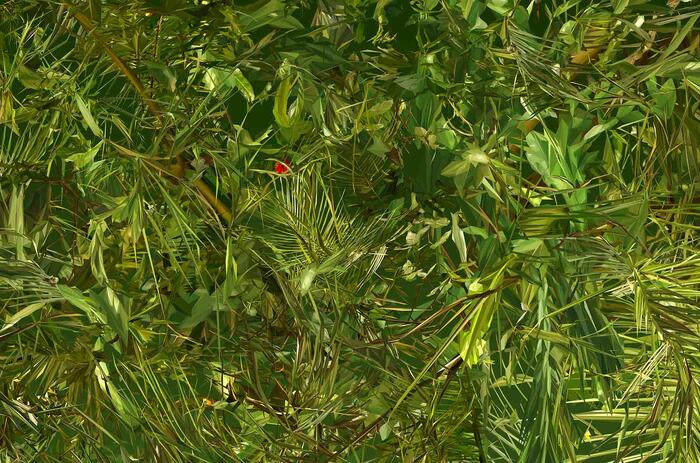
LIGHT ANIMATES ALBANO AFONSO'S FOREST IN MALLORCA
In his exhibition in Pollença, the Brazilian artist proposes an immersive experience that moves beyond contemplation, inviting viewers to reflect on nature as an ongoing process of which human beings form an integral part.
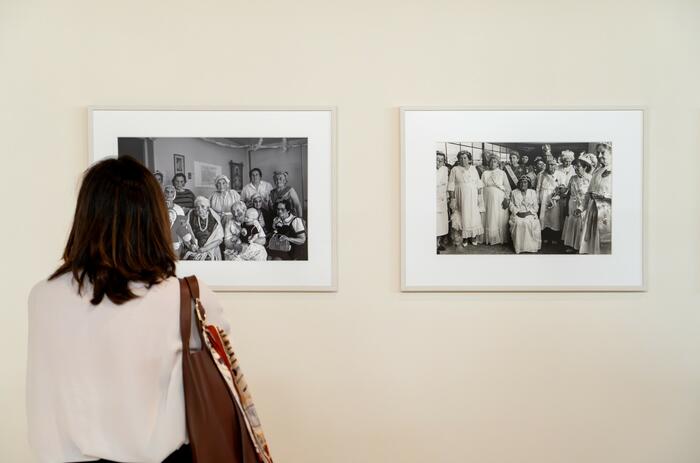
RECLAIMING PAZ ERRÁZURIZ'S PHOTOGRAPHY OF RESISTANCE AT MUCAC
A solo exhibition in Málaga traces the career of the Chilean photographer and her ability to transform the portrayal of society's margins into an exercise in memory, dignity, and resistance.
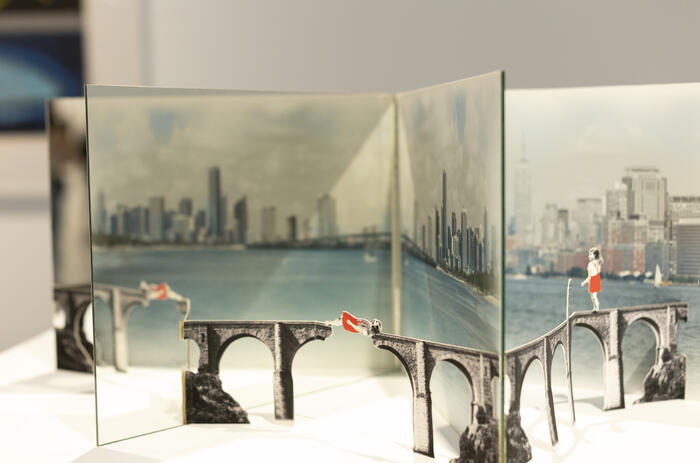
SANDRA RAMOS IMAGINES NEW ITHACAS IN LAS PALMAS
The CAAM presents an exhibition dedicated to Sandra Ramos that positions art as a tool for imagining possible futures in the face of an unstable world. Through her work, the artist addresses themes such as identity, migration, and displacement from a critical and poetic perspective.
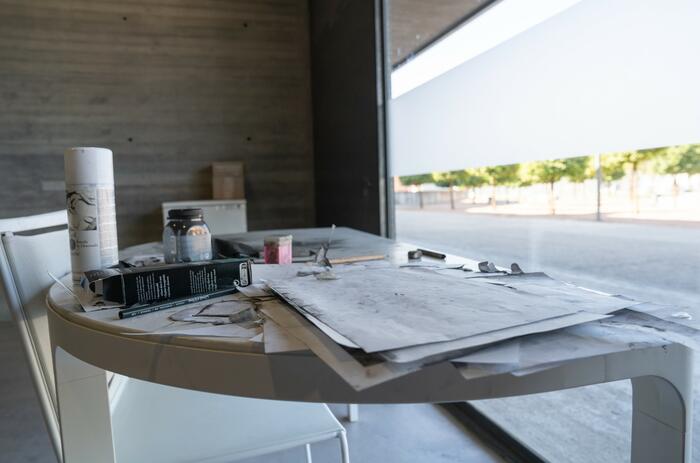
C3A OPENS CALL FOR ARTISTIC RESIDENCIES WITH GRANTS OF UP TO €7,000
Those selected in the new call will be able to develop their projects over three months at this museum center in Córdoba, Spain. Application deadline: August 13.
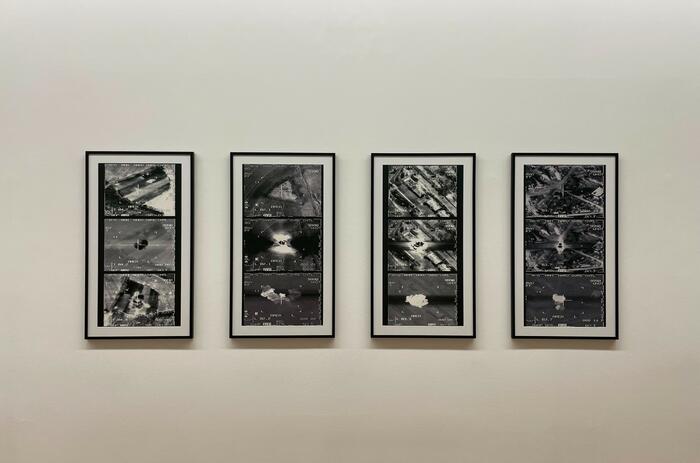
MACCHI, JEŽIK AND HERNÁNDEZ: RETHINKING THE CONTEMPORARY THROUGH MEDIA LANGUAGE
The Galician institution presents a proposal that connects the practices of Macchi, Ježik and Hernández with those of Alberto Ardid, bringing together critical strategies that engage with the construction of contemporaneity through media language and visual culture.
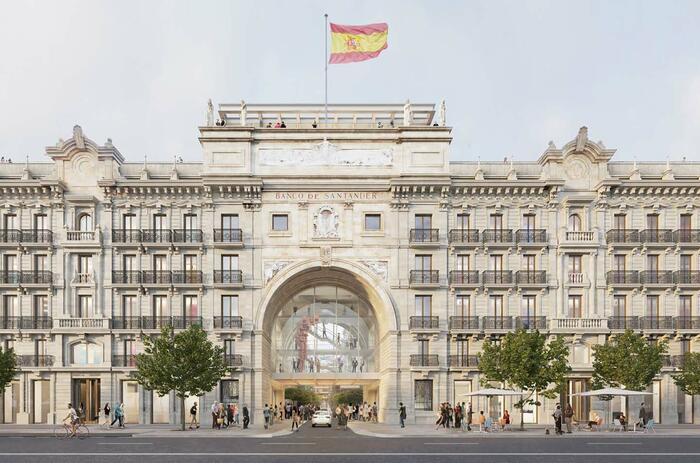
THE DEFENCE OF THE GELMAN COLLECTION COMMENCES LEGAL PROCEEDINGS AGAINST BANCO SANTANDER AND THE GOVERNMENT OF MEXICO
The citizens' movement challenges the legality of an agreement authorizing the works to remain abroad until at least September 2030, in contradiction with existing legislation on the protection of artistic heritage.
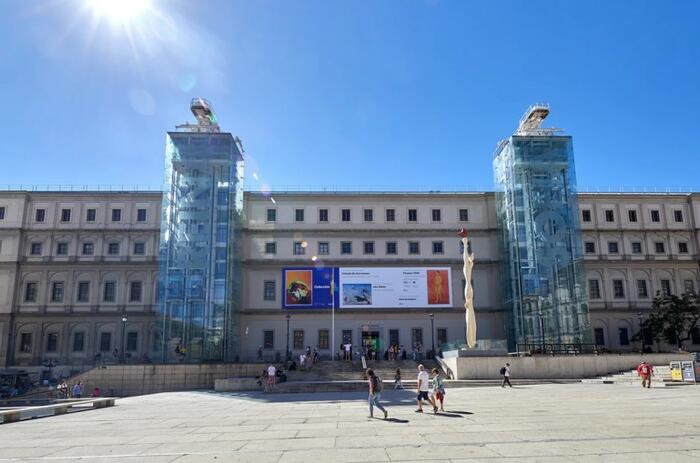
LAST DAYS TO APPLY FOR ICAC GRANTS AT THE MUSEO REINA SOFÍA
The Instituto Cáder de Arte Centroamericano has two open calls for researchers and students from the region: one closes June 21 and the other June 30, 2026.
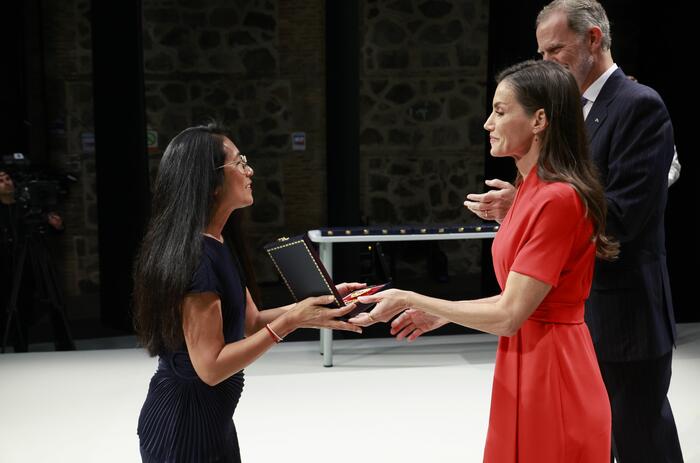
SPAIN HONORS SANDRA GAMARRA HESHIKI WITH ITS MOST PRESTIGOUS CULTURAL AWARD
The Lima-born, Madrid-based artist received the Gold Medal for Merit in the Fine Arts from King Felipe VI and Queen Letizia at a ceremony in Toledo.
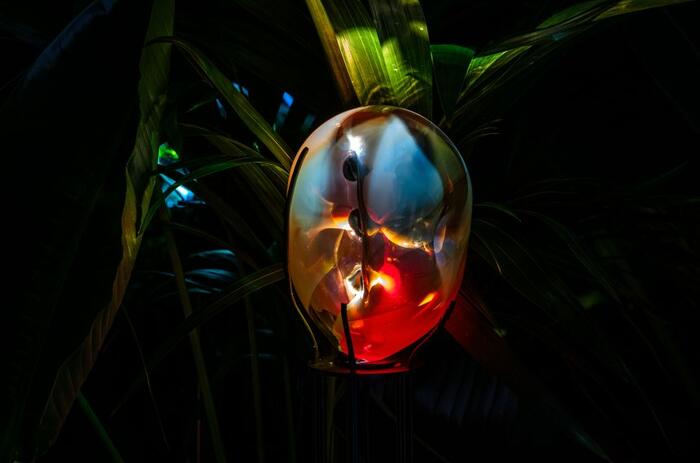
TANIA CANDIANI INSCRIBES AN ECOLOGY OF THE INVISIBLE AT IVAM
Tania Candiani arrives in Valencia with an immersive installation that reimagines the subsoil as a living, speculative organism, where nature, technology, and memory converge to configure a hybrid ecosystem.
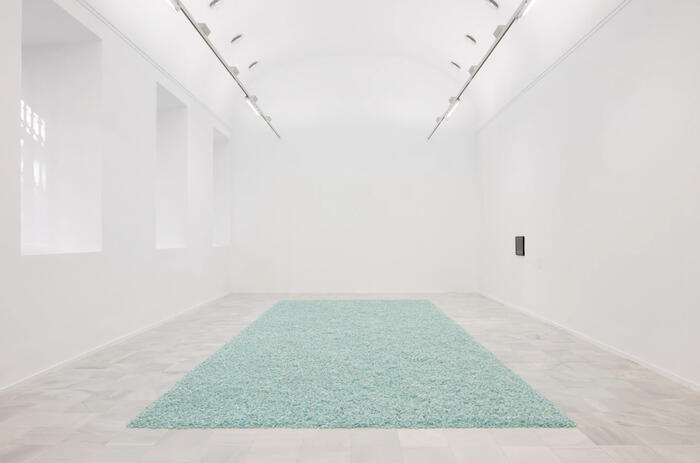
GONZALEZ-TORRES’ SWEET REVENGE IN MADRID UNRAVELS THE CURATORIAL NARRATIVE
The Museo Reina Sofía presents a selection of more than fifty participatory, reconfigurable and conceptually driven works by Felix Gonzalez-Torres, activating a contemporary reading of his practice that exceeds both curatorial boundaries and established discursive frameworks.
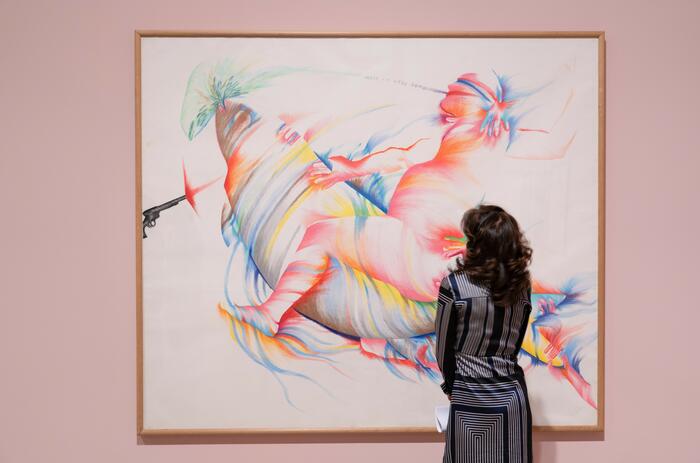
THE CENTRO BOTÍN REVISITS MARISOL BEYOND THE SCULPTURAL
The Santander-based institution proposes a curatorial reading of Marisol through a major retrospective of her drawing practice, understood as a fundamental axis of her work and as a means of articulating the knowledge acquired through her vital displacements.
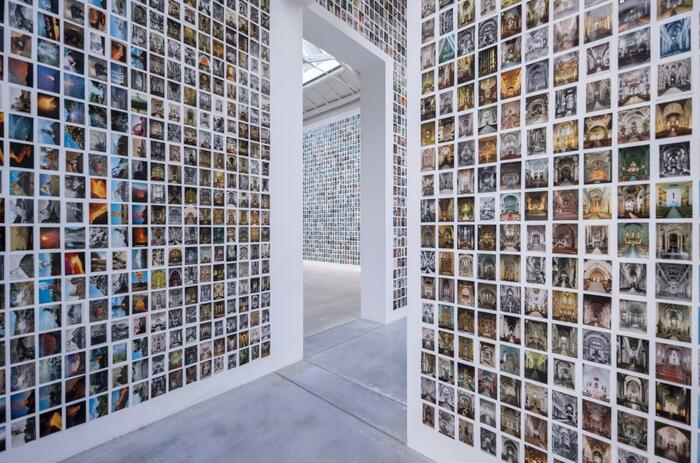
SPAIN: ORIOL VILANOVA AND THE ABOLITION OF THE MUSEUM AND THE ARCHIVE
The Spanish Pavilion at the Biennale is transformed into an anti-museum led by the Catalan artist, grounded in the accumulation of postcards, memory, and a critique of the archive.
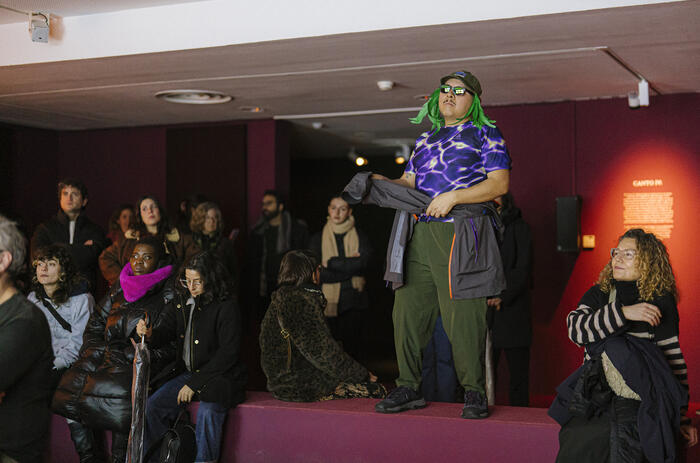
TBA21 IS SEEKING ARTISTS TO BRING SEBA CALFUQUEO’S EXHIBITION TO LIFE
The call for submissions, open until May 31, is aimed at creators residing in Spain and invites them to design performative tours and workshops in dialogue with “Cautín,” the exhibition by the Mapuche trans artist.
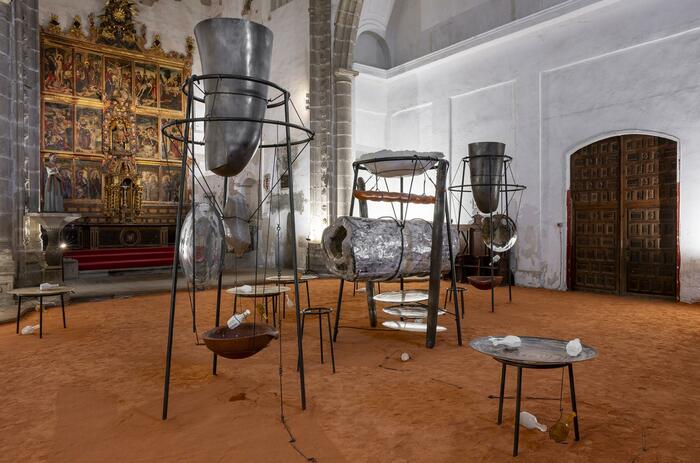
TUNGA’S "YO, VOS Y LA LUNA " MAKES ITS EUROPEAN DEBUT
Supported by Collegium, the acclaimed installation by the Brazilian artist arrives in Spain with a sensorial and contemplative proposal in dialogue with the Church of San Miguel in Arévalo.
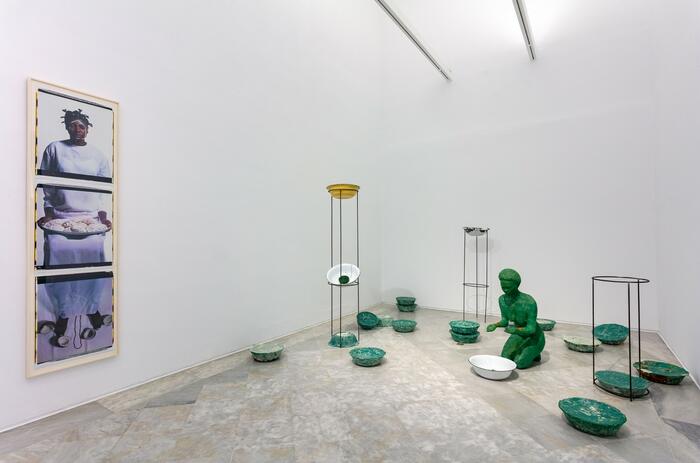
THE CAAC EXPLORES “AMEFRICAN” CONNECTIONS THROUGH THE JORGE M. PÉREZ COLLECTION
Inspired by Lélia Gonzalez’s concept of “amefricanity,” Seville once again engages with the Jorge M. Pérez collection, bringing together American and African artists and proposals to question the historical, symbolic, and aesthetic links across both sides of the Atlantic.
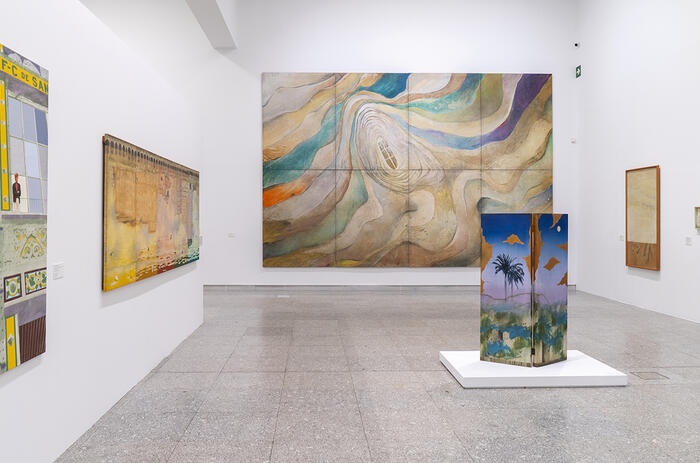
ARTIUM RECOVERS THE SILENCED DISSIDENCE OF JUANA CIMA
Artium brings back into the artistic debate the trajectory of Juana Fernández Cima, a body of work shaped by dissidence, identity, and spirituality that was progressively marginalized from the dominant artistic narrative.

CAB EXPLORES LANDSCAPE AS LIVING MEMORY IN MATÍAS ERCOLE’S WORK
The Castilian institution examines Matías Ercole’s conception of space as a cultural construction where identity and emotion converge, encouraging a rethinking of perception and interaction with the environment.
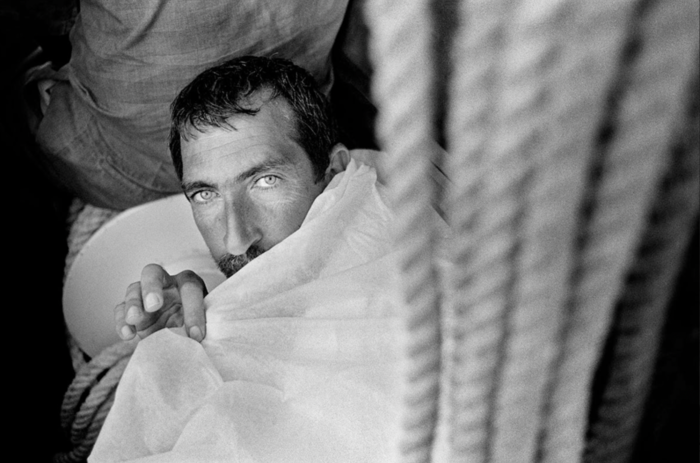
JEŽIK AND COSTA EXPLORE MEMORY AND EXILE IN A GROUP EXHIBITION
Enrique Ježik and Matías Costa address violence, memory, and exile in Elche, highlighting the connections shaped by displacement.
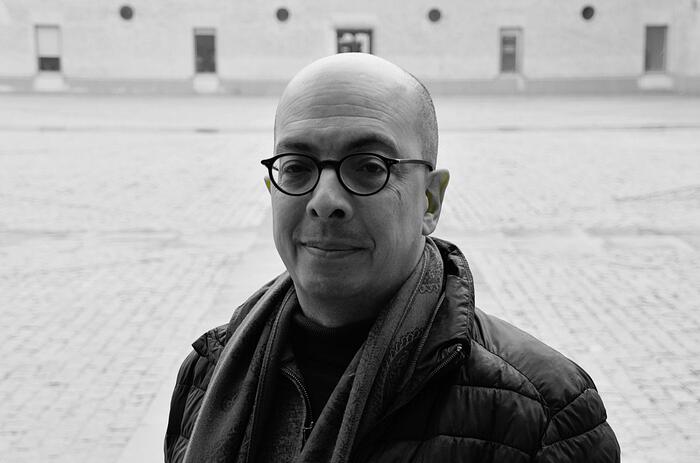
JORGE VOLPI: "THE DIALOGUE BETWEEN LATIN AMERICA AND SPAIN IS REASON ENOUGH TO BE A PRIMARY FOCUS"
Jorge Volpi, after one year as Artistic Director of Contemporánea Condeduque, reflects on programming through a multidisciplinary narrative and how it fosters dialogue while giving Latin American art a central role in Madrid’s cultural scene.
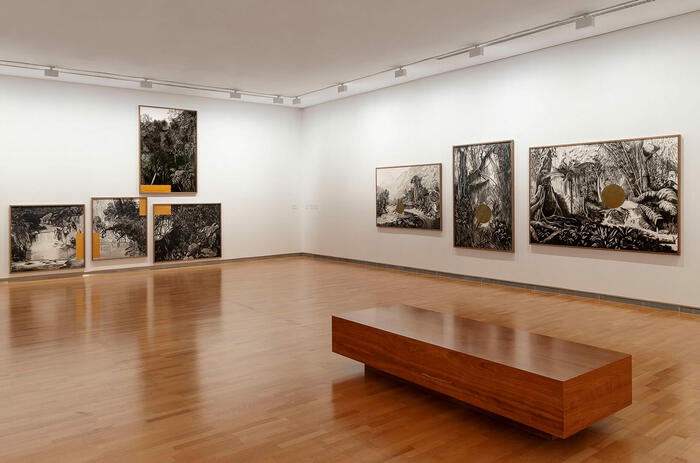
MEMORY, MOURNING AND REBELLION: BETTINI AT DA2
The first retrospective in Spain of Gabriela Bettini reflects on absence and the politics of forgetting through images that challenge official history.
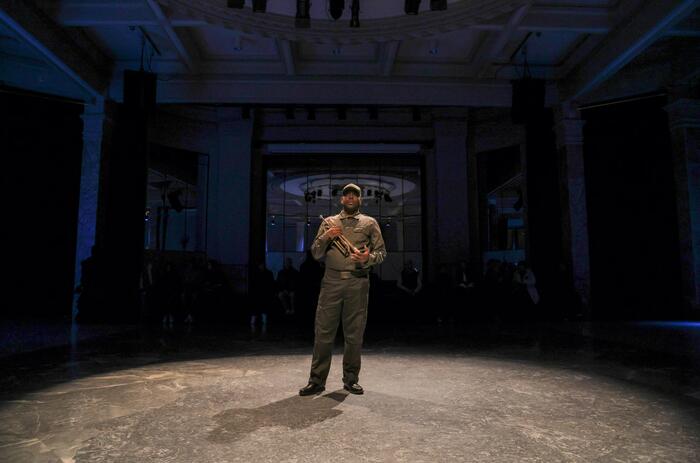
RE-READING THE CÍRCULO DE BELLAS ARTES AS SUBJECT AND CRITICAL AGENT
La lechuza de Minerva reflects on the power of cultural institutions in the contemporary context and creates a space where proposals by Dagoberto Rodríguez, Regina Silveira, and Los Carpinteros, among others, coexist in order to re-read the trajectory of the institution itself.
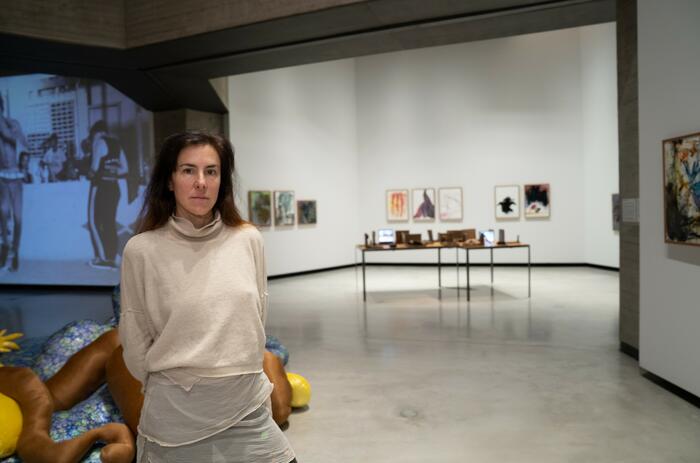
THE TRANSFORMATIVE SOUND, ACCORDING TO BENGOLEA, AT C3A
The exhibition brings together works created ad hoc by the artist in the city. Through them, she reinterprets craft and tradition from a contemporary perspective and invites the audience to understand sound as a language that redefines our relationship with the environment.
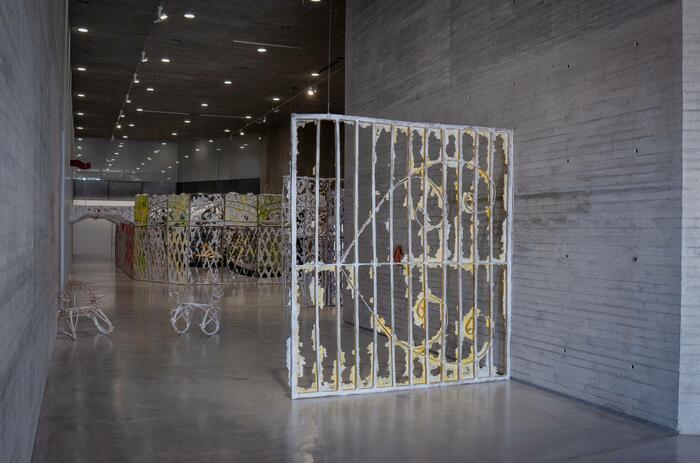
AFFECTIVE CARTOGRAPHIES AND ARCHITECTURES BY SOFÍA SALAZAR AT C3A
The exhibition by the Ecuadorian artist, featuring works created specifically for the Córdoba space, proposes a journey in which the viewer is invited to explore concepts such as migration, memory, and colonialism by moving through a space that brings together history and displacement.
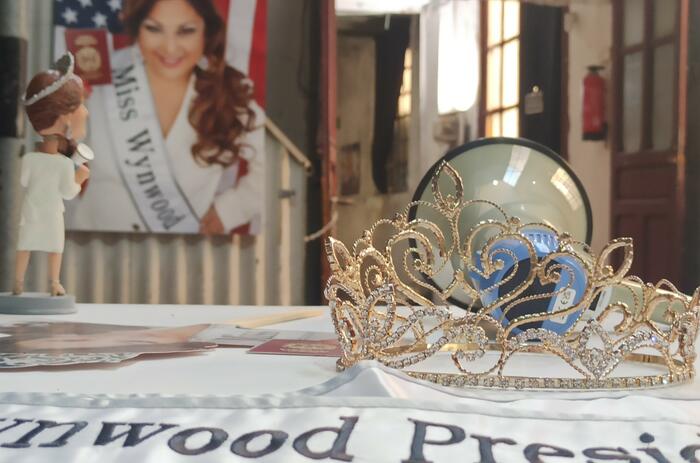
A REINTERPRETATION OF THE FUENTES ANGARITA COLLECTION AT LA NEOMUDÉJAR
La Neomudéjar presents over 130 works from the Fuentes Angarita Collection, mapping three decades of Latin American political art through themes of identity, gender, diaspora, and the memory of the body.
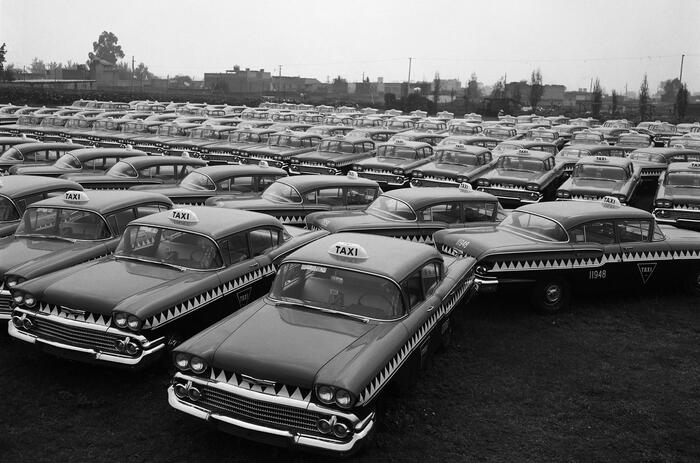
MODERN MEXICO CITY IN JUAN GUZMÁN’S PHOTOGRAPHS, AT ICME
The exhibition dedicated to the German-born photojournalist, featuring a selection from his archive—now safeguarded by the Fundación Televisa—focuses on documenting the transformation and growth of Mexico City in the mid-20th century, highlighting its social and urban contrasts.
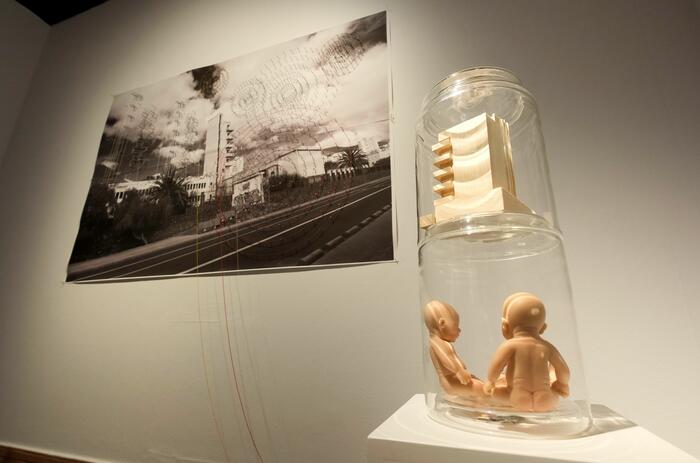
GARAICOA AND IBARRA FEATURED IN CAAM’S INAUGURAL GROUP SHOW
The CAAM opens its new season with an exhibition showcasing five recent acquisitions, highlighting works by Carlos Garaicoa and Karlo Andrei Ibarra that explore memory, space, and transformation.
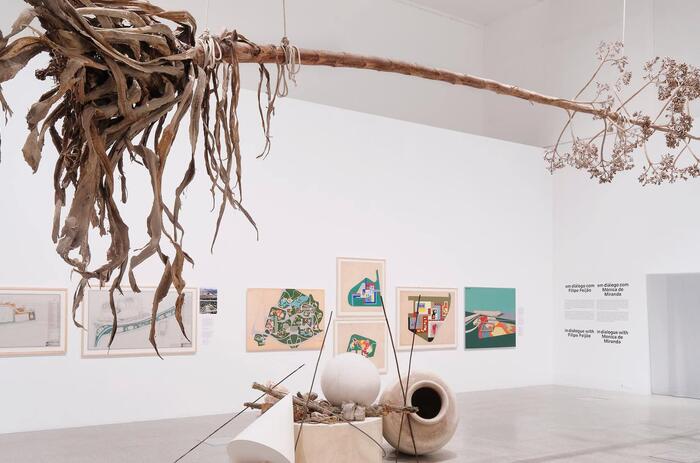
DIALOGUES WITH THE LEGACY OF BURLE MARX, AT MAC/CCB
Lugar de estar: o legado Burle Marx (A Place to Be: The Legacy of Burle Marx) is the exhibition presented by Lisbon’s MAC/CCB – Museum of Contemporary Art and Architecture Center, showcasing an extensive selection of landscape projects for public spaces developed by Roberto Burle Marx (São Paulo, Brazil, 1909 – Rio de Janeiro, Brazil, 1994) and his collaborators over nearly seventy years.
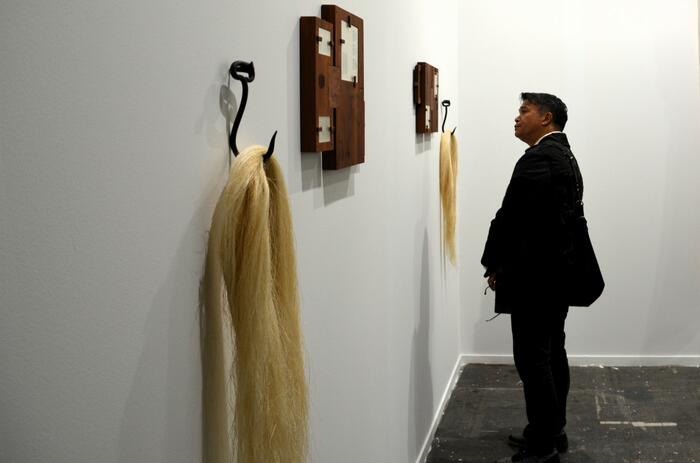
ARCO 2026: ANALYZING ITS IDENTITY AND MODEL IN THE GLOBAL MARKET
ARCOmadrid 2026 appears to reinforce its position in the global art market by consolidating a distinctive identity in contrast to the major internationalized art fairs, with Latin America as its anchor. Its capacity to generate cultural and market narratives from this positioning has been key to understanding its current role and evaluating the potential risks of its model.
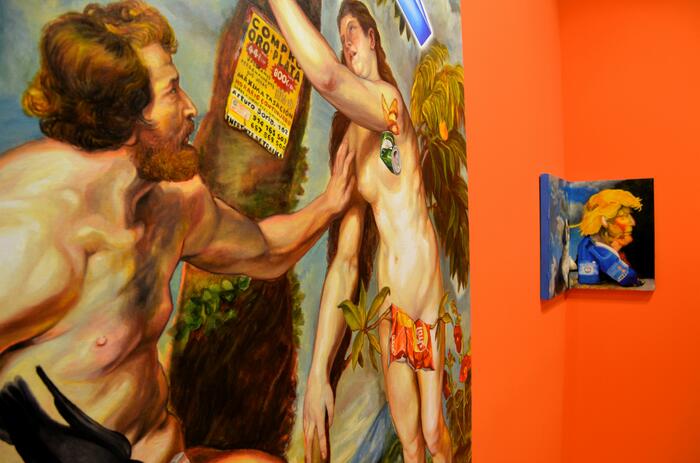
LATIN AMERICAN PROPOSALS AT CONTEMPORARY ART NOW: DECIPHERING A FUTURE
Contemporary Art Now in Madrid focuses on contemporary painting and highlights the value of Latin American art through the FOCO LATAM program. The proposals by regional artists presented at the fair reveal a diverse panorama, featuring material explorations, cultural memory, and contemporary imaginaries.
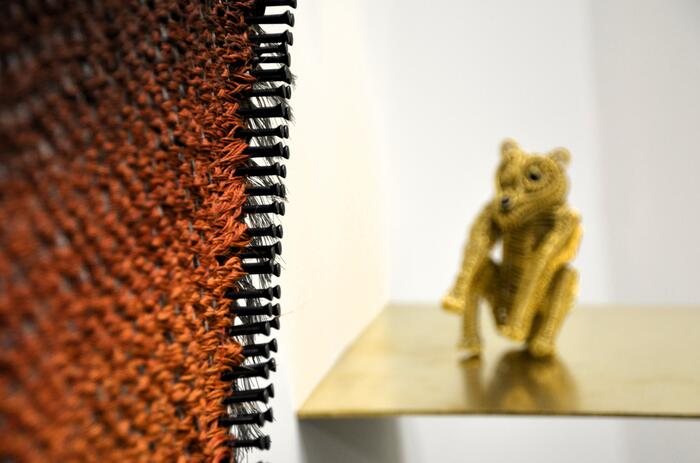
LATIN AMERICAN ART AT ARCO IN 10 CLUES AND 3 CONCEPTS
We propose an overview of Latin American art presented at ARCO through ten proposals that illustrate and outline current tendencies, where critical and experimental perspectives, nature, materiality and organic processes shape different languages through which to address key themes.