
By
Álvaro De Benito
We propose an overview of Latin American art presented at ARCO through ten proposals that illustrate and outline current tendencies, where critical and experimental perspectives, nature, materiality and organic processes shape different languages through which to address key themes.
The Latin American artistic proposals at ARCOmadrid 2026 reveal the vast universe of practices and languages currently at play. Within this constellation, painting, installation, the revived textile medium, sculpture and performance articulate reflections on several essential fields within Latin American narratives, always from a position of diversity yet sharing certain common threads.
The relationship between nature and history, memory, identity and the social realities of their contexts underpin the recovery of the ancestral while simultaneously dissolving—both appropriately and commercially—the boundaries between high art and craft. Through this selection, three major conceptual blocks offer a broad view of the current state of Latin American art.
Nature, Materiality and Organic Processes
The proposal of Miguel Ángel Rojas (Bogotá, Colombia, 1946) unfolds across the entire surface of the Colombian gallery La Cometa, providing a clear sense of cohesion with the space. His intention to debate and analyze the issues that affect the coexistence of humans within organic environments is approached through the interrelation of diverse languages and techniques within the body of work. In this way, the artist invites a reinterpretation—through his highly detailed paintings and the concept of installation—of the consequences of extractivism and political action on nature.
Juliana dos Santos (São Paulo, Brazil, 1987) presents a solo project at Galeria Luisa Strina that showcases her most recent work. The organic character of her aesthetic activity is reflected in sinuous forms and in the technical treatment of pigments. As part of the process, the oxidation of these pigments on canvas occurs naturally, while the incipient nature of the work challenges the idea of a definitive conclusion. The possibilities of the materials themselves dictate, in a sense, an ethical perspective of coexistence.
Camila Rodríguez Triana (Cali, Colombia, 1985) presents in her project for Casas Riegner a technical ode to the search for her roots. Positioned within the dual experience of the cosmopolitan and urban alongside the ancestral, the artist revisits natural imagery to connect—through craft in its most initiatory sense—with a contained spirituality. Conceived as a dialogue between outcomes—from which different layers and languages emerge—the project takes the form of an extensive manual that facilitates an intimate investigation embracing the viewer from every spatial angle.
Body and Memory (and the Re-dimensioning of Textile)
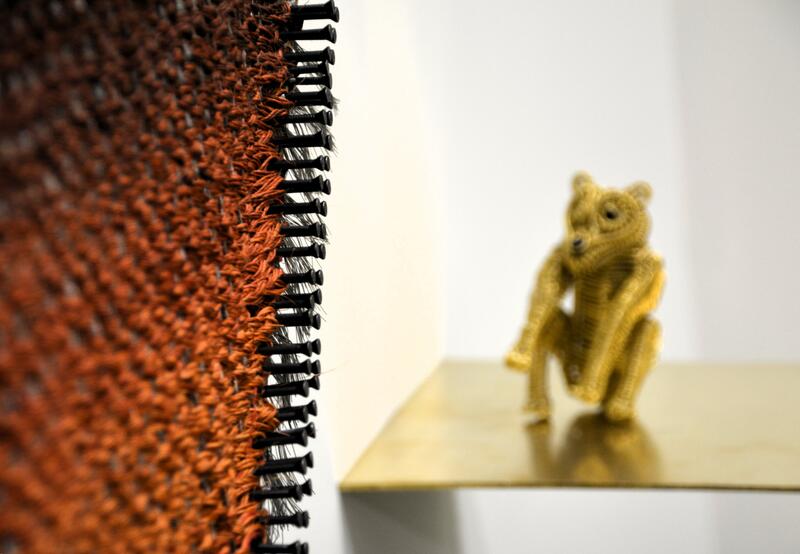
Amid the ongoing consolidation of textile practices within the art market, the presence of works by Esther Chacón Ávila (Santiago, Chile, 1936) at the gallery José de la Mano forms part of the Spanish space’s strategy of recovering and revendicating pioneering figures. In this context, the presentation of two recognizable works reactivates a production articulated through sculptural elements constructed from knots, where a form of syncretism emerges from technique to reach a material and knowledge-based practice.
Sandra Monterroso (Guatemala City, 1974) advocates at Fernando Pradilla for a re-signification of textile beyond the purely technical gesture. Tracing the path of ancestral knowledge and its connection to family tradition, the Guatemalan artist incorporates chromatic elements as an essential component beyond technique, delving into the idea of the healing connection present in her works in a clear reference to an original philosophy.
Chile is also experiencing a period marked by a strong presence of performative and feminist practices. Gabriela Carmona (Santiago, Chile, 1980) approaches repair as the central aim of her work, situated between performative practice and a materialization that endures as archive. Encarnapieles makes a powerful impact at Galería Aninat with its intensity and a force that suggests a symbolic, sutured shelter that substitutes for a past. The act of sewing acquires a political and affective dimension that precedes the process of repair. The textile masks from the series El origen del miedo (2018) underline this power, the instrumentalization of representation as a means to overcome pain.
Ruth Benzácar highlights the relevance of Marina de Caro (Mar del Plata, Argentina, 1961), one of the historic figures of multidisciplinary practice within the Argentine scene, while recontextualizing her position in a somewhat solitary dialogue with Ulises Mazzucca and Tomás Saraceno. Through drawing, performance and an early development of textile art, her work reflects the body as an omnipresent element and lived physical experience as its epicenter. The placement of an enormous woven form in front of photographs of actions transforms the space into a kind of installation in which the most evident physical dimension coexists with bodily action.
Identity and Hybridisation
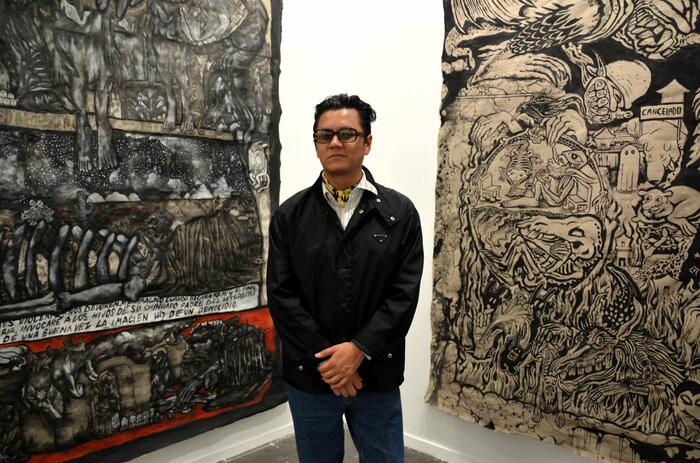
The work of Roberto Diago (Havana, Cuba, 1971), presented at El Apartamento, considers history as an instrument within his practice, though from a personal perspective regarding the realities of Afro-Cuban and disadvantaged communities. His proposals are constructed from everyday objects of little material value, as if the entire potential of his production rested on the symbolic. With a social perspective underpinning the technique, the Cuban artist constructs narratives in which each formal detail functions as a vestige acting as a connector.
Julia Padilla (Buenos Aires, Argentina, 1991) presents at the Argentine gallery Linse, within the Open Galleries programme, an invitation to immerse oneself in a sculptural and large-scale drawing universe that combines discarded materials—both organic and artificial—to explore hybrid formalities. The familiarity of objects when viewed separately generates unease and strangeness when they appear materialised as a single entity, prompting visitors to enter a disturbing and dreamlike universe.
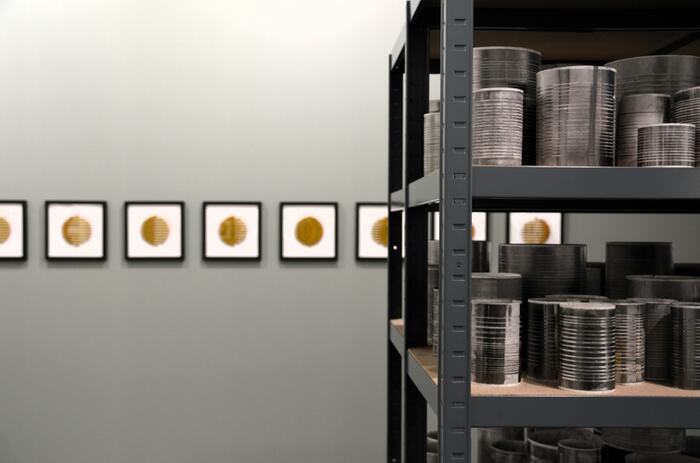
The work of Liv Schulman (Buenos Aires, Argentina, 1985) can also be considered within these processes of hybridization, presented in the program ARCO2045: El futuro por ahora. For this purpose, she brings together six works from her series Argentine Men, a proposal oscillating between ironic rhetoric and absurdity framed within the theme of masculinities. Beyond its conceptual framework, her language touches on several aspects—from economics to craft and even a certain performative character that glances toward a somewhat depressive outcome. Five displayed drawings complete the two installations which, through a curious perspective, also address the perception of accumulation.
We explored the visions and practices of eleven Latin American galleries to gauge the pulse of the region’s art and its status at ARCO, with proposals that, without ignoring the commercial side, affirm tradition, experimentation, and diversity of languages as a common hallmark.
The curated program at ARCOmadrid once again provides a prominent space for Latin American galleries and artists at the fair. With José Esparza Chong Cuy leading the new edition, the program exudes a diversity of approaches and realities, raising questions while simultaneously serving as a key opportunity for visibility.
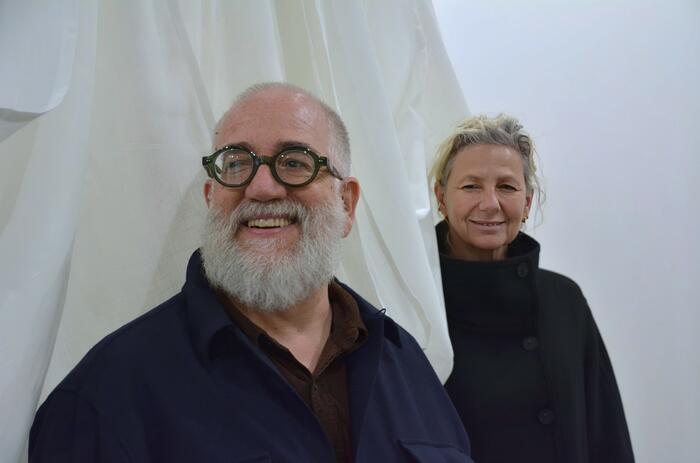
The curators present in their program at ARCOmadrid 2026 the exploration of the future as an open question. From theatrical play, where the dialogue between works and artists raises doubt and critique without certainties, the curators invite to “keep the eyes open” regarding what is to come.
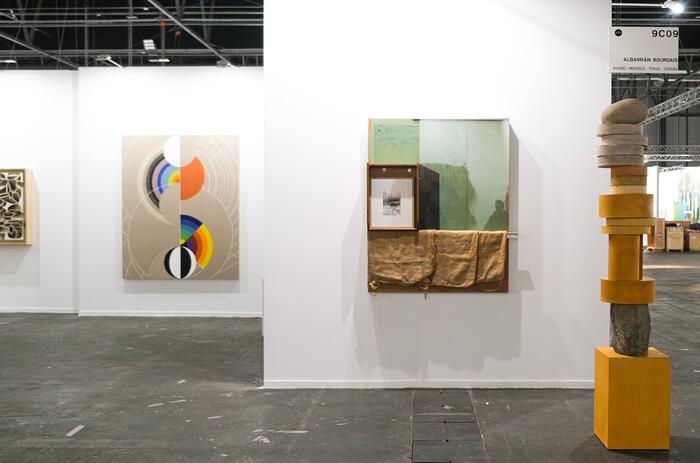
Spain applies a 21% VAT to gallery sales of artworks, a rate in place since 2012. In contrast, other cultural sectors benefit from reduced rates: cinema, theatre and concerts are taxed at 10%, and books at 4%. Contemporary art galleries, however, remain subject to the general rate.
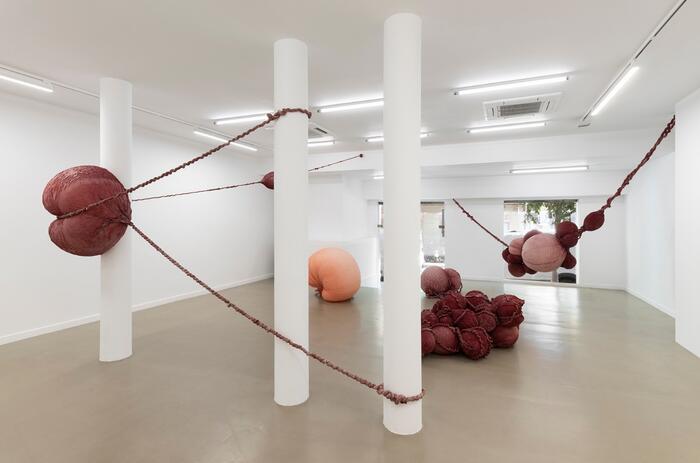
Spanish art galleries are protesting with a temporary closure against a tax policy that places them at a competitive disadvantage compared to their European counterparts. The sector is calling for the application of a reduced VAT rate to ensure commercial competitiveness and to continue strengthening and reinvesting in the cultural ecosystem.
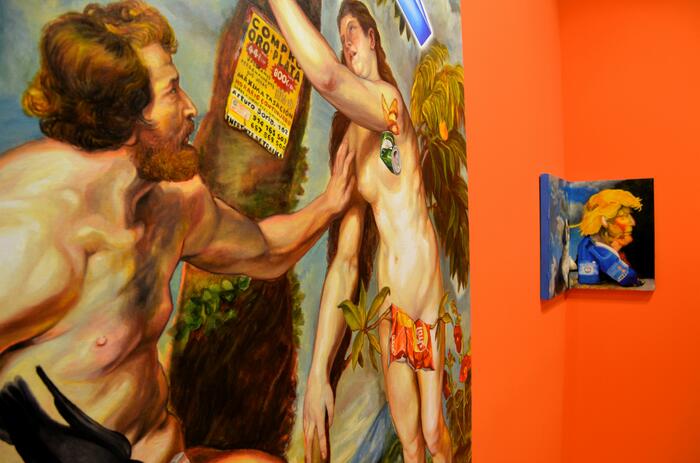
Contemporary Art Now in Madrid focuses on contemporary painting and highlights the value of Latin American art through the FOCO LATAM program. The proposals by regional artists presented at the fair reveal a diverse panorama, featuring material explorations, cultural memory, and contemporary imaginaries.
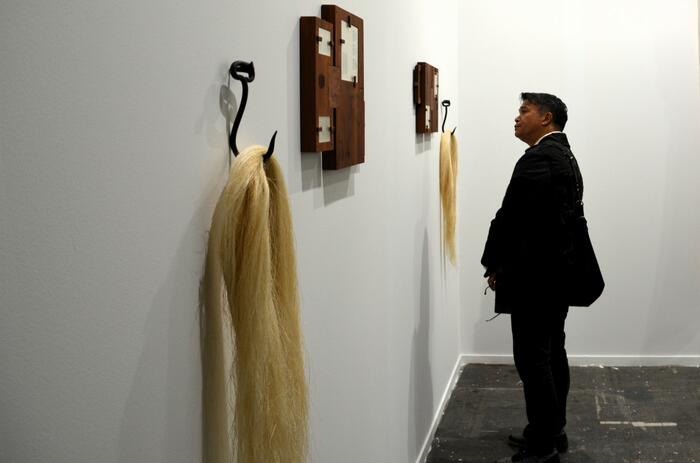
ARCOmadrid 2026 appears to reinforce its position in the global art market by consolidating a distinctive identity in contrast to the major internationalized art fairs, with Latin America as its anchor. Its capacity to generate cultural and market narratives from this positioning has been key to understanding its current role and evaluating the potential risks of its model.
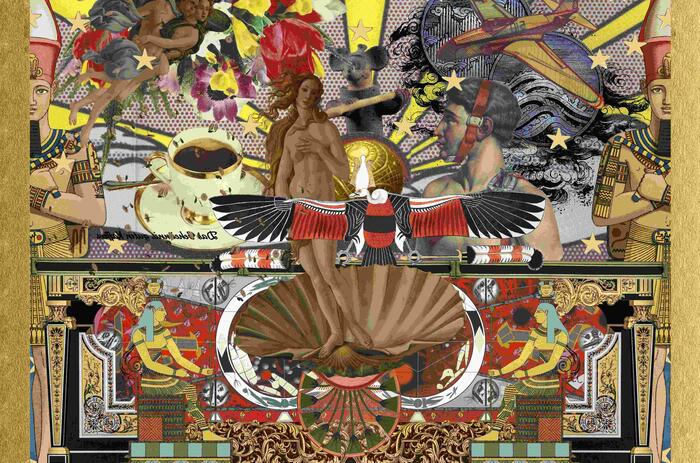
The Colombian gallery presents a reconsideration of visual traditions, reactivating them through a contemporary lens; works by Carlos Castro Arias, Fernando Uhía, Raúl Cristancho, Javier Vanegas, Juan Carlos Delgado, and Miler Lagos will be on view.