By
Álvaro De Benito
The curated program at ARCOmadrid once again provides a prominent space for Latin American galleries and artists at the fair. With José Esparza Chong Cuy leading the new edition, the program exudes a diversity of approaches and realities, raising questions while simultaneously serving as a key opportunity for visibility.
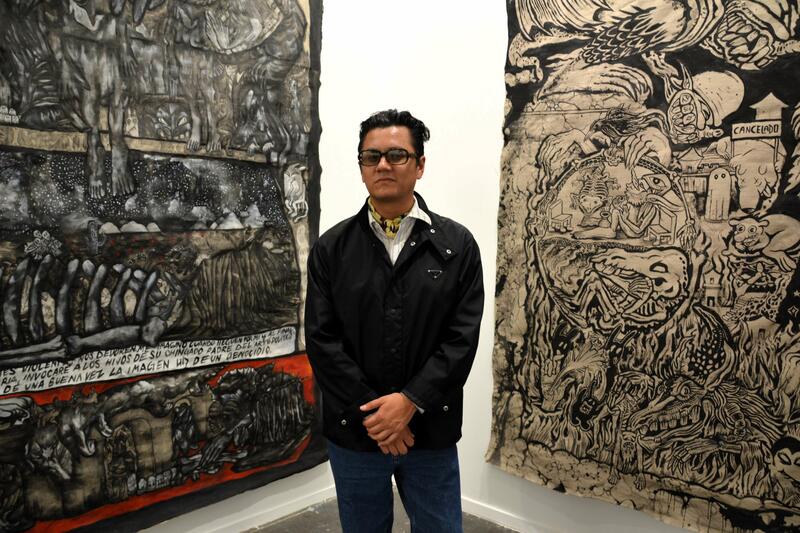
Perfiles/Latin American Art continues to establish itself as one of the most significant curated programs at ARCOmadrid. Beyond the importance of Latin America's influence in art—and increasingly, in Spain’s social and economic landscape—the consolidation of this section allows for an expanded understanding of the relationships forged within the fair, maintaining a strong commitment to highlighting values and galleries in this market environment.
For the second consecutive year, the program is led by José Esparza Chong Cuy (Mexicali, Mexico, 1984), who can now begin to draw parallels and lessons from the previous edition and propose essential curatorial aspects. “One of the things that excites me most about ARCO is that it is a fair that truly reflects on what it does, always striving to renew and refresh itself.”
Within the red-bannered section indicating participating galleries, some of the fair’s most reflective proposals stand out. “Thinking about how to reconnect and establish long-term relationships with galleries and artists, we decided to set a limit on the number of years a gallery could participate in this section,” Esparza Chong Cuy explains as a noteworthy element. This approach allows more galleries to access the significant opportunity that is exhibiting at ARCOmadrid, especially through a curated program: “in particular younger galleries that don’t have as many resources to participate in an international fair.”
In this edition of Perfiles/Latin American Art, eleven spaces converge with proposals from specific galleries and artists, reflecting the multiple visions derived from their practices. “Many of the galleries participating this year are presenting at a European fair for the first time, and therefore it is also the first time their artists exhibit work in Europe. That excites me because it introduces new voices into an art ecosystem that can become complacent.”
Las Nietas de Nonó, presented by the Puerto Rican gallery Embajada, exemplify this opportunity. Despite their notable trajectory on the island, visitors can witness the duo’s work, which combines performative practices with organic elements and photography, activating ancestral themes and addressing colonialism and extractivism through fictional scenarios.
Similarly, Miguel Cintra Robles presents at the Ecuadorian gallery N.A.S.A.L. a proposal that combines visual arts with pedagogy, denouncing the mass exploitation of resources and metaphorically reflecting this in agave fibers and their history. These forms of collective learning express interrelations within industries and delve into history as a means of visibility.
However, the section is not strictly built around a single criterion or thesis for developing the program. “There is intuition: thinking about which artists, in my opinion and in the galleries’ opinion, would be interesting to bring, considering ARCOmadrid’s audience. That’s why it’s difficult to search for a unifying thread; it wouldn’t necessarily work in this environment. Galleries make a significant investment and place great trust in the curator and the fair.”
Can that trust be risky? “From the curatorial side, it comes down to the selection of artists. Sometimes the gallery proposes an artist, and I suggest another. That decision is crucial.” Additionally, while the program is founded on certain similarities, the idiosyncrasies of each participating gallery—and especially of each artist—make the difference. “It is important to be transparent: I may believe an artist will resonate with the ARCO audience, but I cannot guarantee commercial success.”
The Brazilian gallery A Gentil Carioca is no stranger to these endeavors. With some prior presence, the experience allows them to operate with more confidence. Their choice is the striking work of Kelton Campos Fausto, a practice built on Afro-Brazilian philosophies, translated into a connection where painting and installation gain strength. These cues for understanding corporeality and existential questions complete a daring proposal that fits perfectly with the fair’s opportunities.
As visitors progress through the section, it becomes clear that the only formal framework is geographical, yet this element invites much broader reflection. Esparza Chong Cuy emphasizes this necessary re-reading: “It is very important to stress that Latin America is not a block or a single country. There are many countries, micro-universes, and each artist is their own universe responding to their immediate social context.”
Of note is the inclusion of U.S.-based artist of Mexican and Colombian origin, Harold Méndez, in a geographic expansion that makes sense within the observation of micro-universes. His work at Commonwealth and Council / Patron underscores the importance of the transnational and traces a complex vision of history and memory through archival practices. Intervened photographs, reflections on museological practices, and a large installation of porcelain bones hanging from the ceiling challenge the visitor to confront necessary debates.
This vision of plurality beyond geography is the framework guiding overall selections. Roberto Jacoby, at Argentina’s Isla Flotante, is no stranger to European audiences. With major exhibitions including the Reina Sofía, the conceptual artist presents his work at the intersection of media, politics, and sociology. His context contrasts sharply with that of Peruvian artist Patricia Rengifo, who has lived almost entirely in the 21st century. Exhibited by Crisis, Lima, Rengifo’s work is deeply rooted in the memory and knowledge of her Shipibo-Konibo community. “They could not be more different universes. It is very plural, and very different things are happening, which is precisely what makes it interesting.”
The emphasis on curated programs also raises the question of whether the opportunity can be perceived as pressure. For the curator of Perfiles/Latin American Art, “it is undoubtedly an opportunity. It is a single generous space where they can share the ethos of their practice, what the artist is about, and bring a variety of work that communicates how the artist positions themselves in the world, connecting with audiences they might not have direct access to from their home context.”
The positions represented are as diverse as they are uncertain. Moving beyond a thesis-driven conception of the program, the languages referenced by Esparza Chong Cuy take on a more vibrant meaning when freed from certain constraints. Ana Claudia Almeida, at Brazilian gallery Quadra, explores memory through vivid constructions drawing from painting, sculpture, and the materiality of the body. Meanwhile, Agustina Woodgate brings her practice centered on analyzing systems and power relations through installations and interventions that challenge institutional paradigms.
Gabriel Branco, at Brazilian gallery Galatea, presents a practice rooted in analog media, combining photography documenting the everyday with abstract painting used as an instrument for reflection. Julia Gallo’s work similarly engages in this analog-technical register. At Yehudi-Hollander Papi, Brazilian artist transforms syncretic references to myths and religion into sculptures imbued with dynamic corporeality. Paloma Contreras Loma, at Pequod, constructs visual narratives that intertwine violence and desire, reclaiming popular and political language as an essential part of Latin American identity.
Can Latin American art provide answers to the needs of an industry polarized between market and creativity? “No one wants answers, only questions,” notes Esparza Chong Cuy. “I do not want to arbitrate what is good or bad art, but the art that interests me leaves only questions.”
Perfiles/Latin American Art is one of the curated programs of ARCOmadrid 2026, held from March 4 to 8, 2026, at Pavilions 7 and 9 of IFEMA, Avenida del Partenón 5, Madrid, Spain.
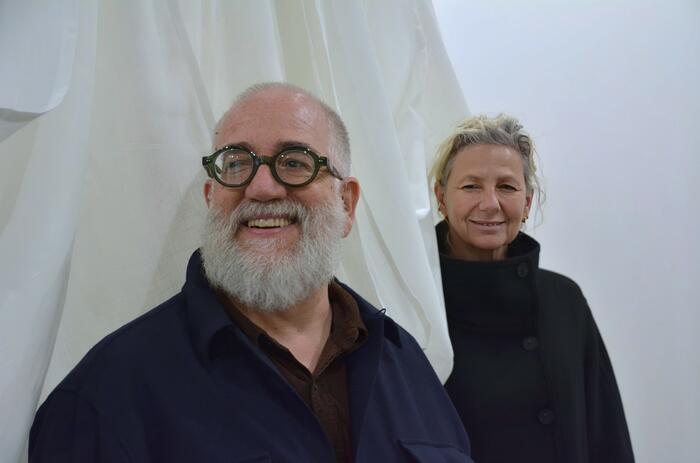
The curators present in their program at ARCOmadrid 2026 the exploration of the future as an open question. From theatrical play, where the dialogue between works and artists raises doubt and critique without certainties, the curators invite to “keep the eyes open” regarding what is to come.
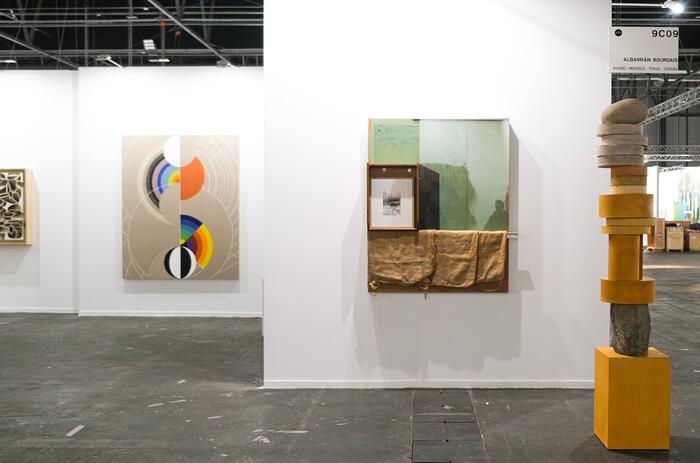
Spain applies a 21% VAT to gallery sales of artworks, a rate in place since 2012. In contrast, other cultural sectors benefit from reduced rates: cinema, theatre and concerts are taxed at 10%, and books at 4%. Contemporary art galleries, however, remain subject to the general rate.
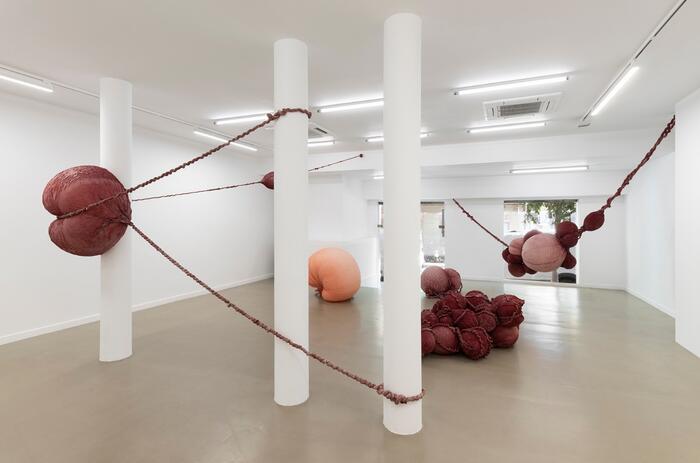
Spanish art galleries are protesting with a temporary closure against a tax policy that places them at a competitive disadvantage compared to their European counterparts. The sector is calling for the application of a reduced VAT rate to ensure commercial competitiveness and to continue strengthening and reinvesting in the cultural ecosystem.

By Mónica Sotos
What are the successive diasporas of Latin American artists to Spain about, from the final years prior to the turn of the twenty-first century to the present? Article 2 of a series of 3.
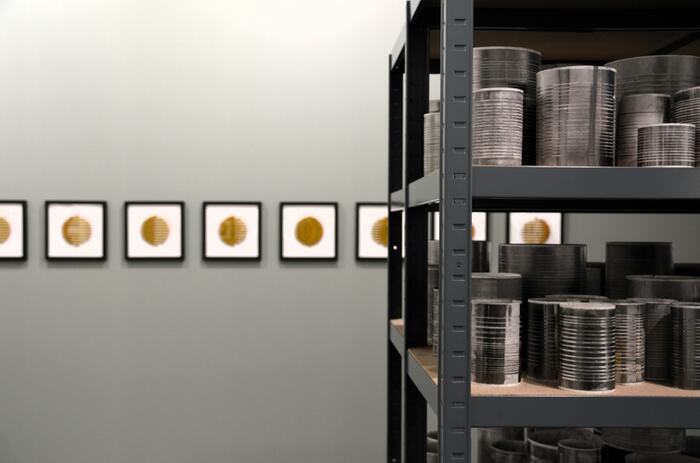
We explored the visions and practices of eleven Latin American galleries to gauge the pulse of the region’s art and its status at ARCO, with proposals that, without ignoring the commercial side, affirm tradition, experimentation, and diversity of languages as a common hallmark.
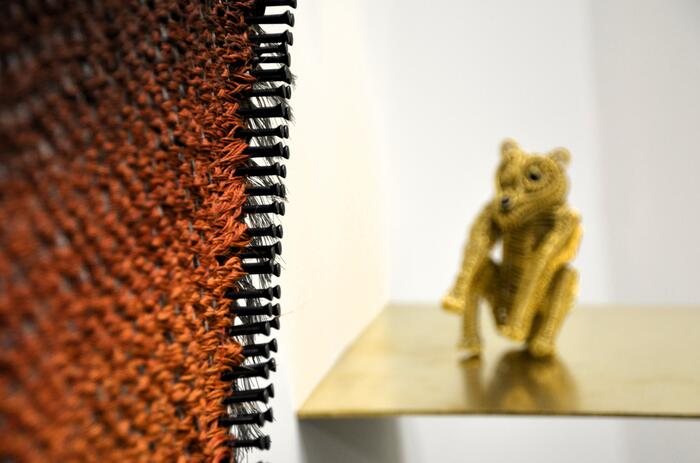
We propose an overview of Latin American art presented at ARCO through ten proposals that illustrate and outline current tendencies, where critical and experimental perspectives, nature, materiality and organic processes shape different languages through which to address key themes.
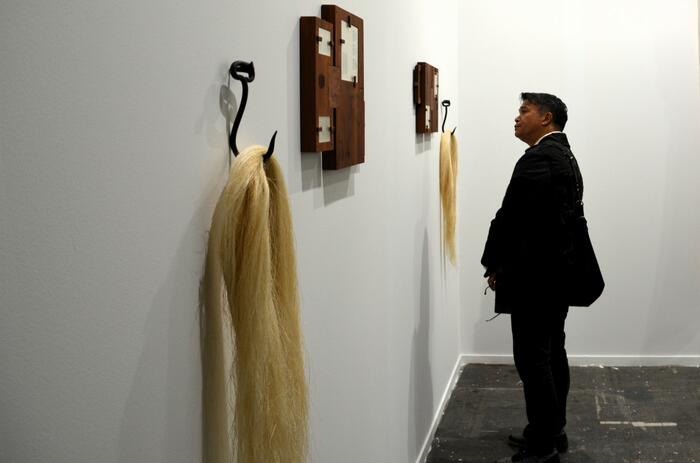
ARCOmadrid 2026 appears to reinforce its position in the global art market by consolidating a distinctive identity in contrast to the major internationalized art fairs, with Latin America as its anchor. Its capacity to generate cultural and market narratives from this positioning has been key to understanding its current role and evaluating the potential risks of its model.