
By
Álvaro De Benito
Andrea Canepa intervenes in the Palacio de Cristal at the Museo Reina Sofía with Fardo, an installation consisting of a large tarp inspired by pre-Columbian funerary bundles that transforms the building into a symbolic body, inviting reflection on what is visible and displayed, as well as on preservation and transformation.
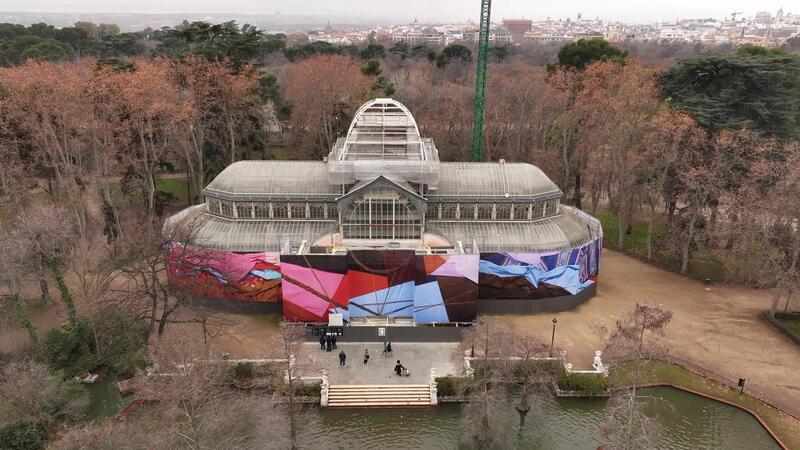
Coinciding with the renovation works at the Palacio de Cristal, one of the Museo Reina Sofía’s two venues located in Madrid’s Retiro Park, the museum presents Fardo, an installation by Andrea Canepa (Lima, Peru, 1980) that will envelop the historic building throughout the current year. This new intervention, part of a program of temporary projects, transforms the exterior space through the wrapping of a vast printed tarp that also engages in a dialogue with the architecture, altering its usual presence.
For the creation of Fardo, the artist draws on the funerary bundles of pre-Columbian societies, specifically those of the Paracas culture, which served as body wrappings. This idea becomes a conceptual framework through which the Palacio de Cristal is transformed into a symbolic body, protected by its covering. In developing the visual language of the tarp, Canepa created paintings inspired by ancient textiles, which she then photographed and, once digitized, transferred onto the tarp.
Thus, Fardo emerges as a work of significant conceptual weight, addressing notions of time, place, memory, and the body, while consistently foregrounding the ceremonial and ancestral in its dialogue with the symbolic architecture of the Palacio de Cristal. In doing so, the installation invites a rethinking of concepts such as exhibition and transparency, while also encouraging reflection on what is preserved and what is transformed, through frames that, in a sensory way, both cover and reveal.
Andrea Canepa. Fardo will be on view throughout 2026 at the Museo Reina Sofía’s Palacio de Cristal venue, in Retiro Park, Madrid, Spain.
By Mónica Sotos
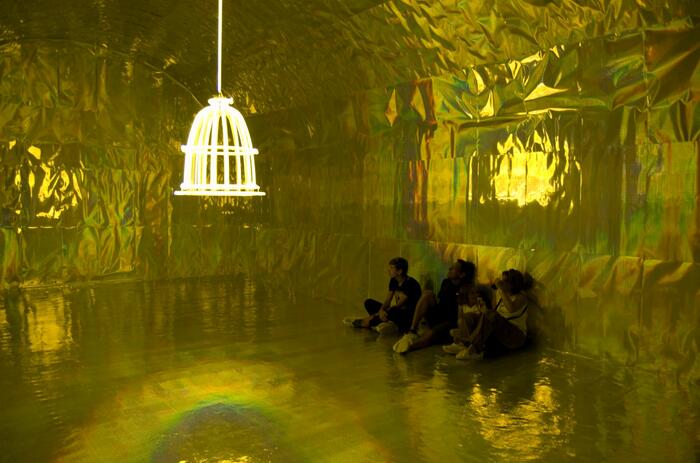
What are the successive diasporas of Latin American artists to Spain about, from the final years prior to the turn of the twenty-first century to the present? Article 2 of a series of 3.
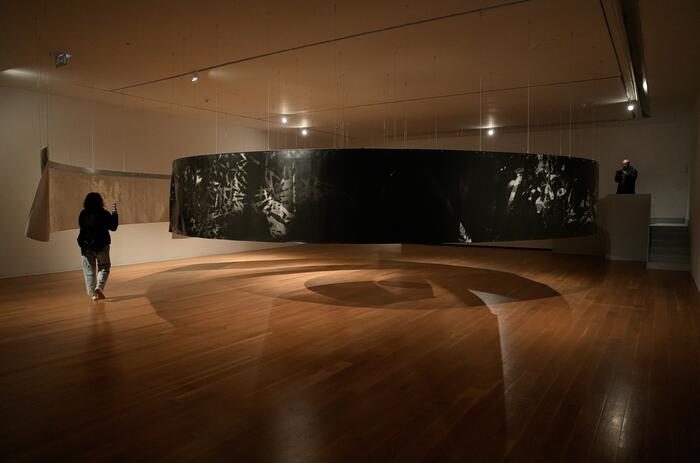
The exhibition brings together a decade of technical and poetic experimentation that transcends the traditional boundaries of photography and places visual experience at the center of reflection.
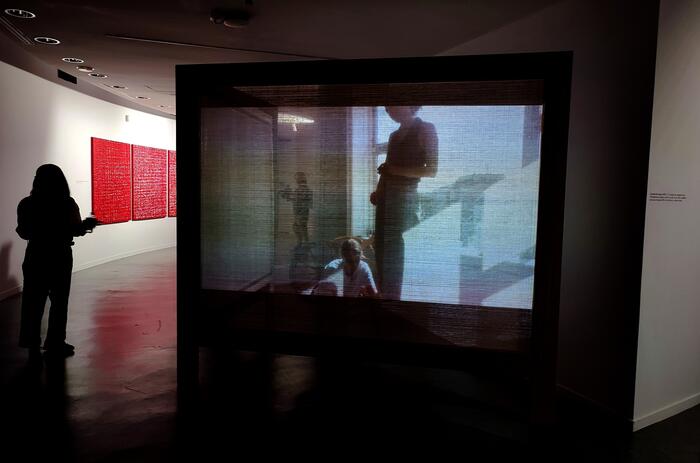
The exhibition traces different moments and formal strategies in her practice, marked by a critical reflection on violence, denial, and the tensions that permeate the female experience in contemporary society.
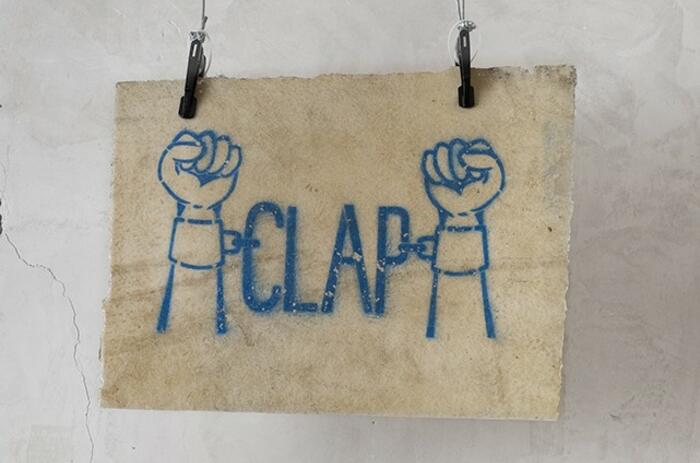
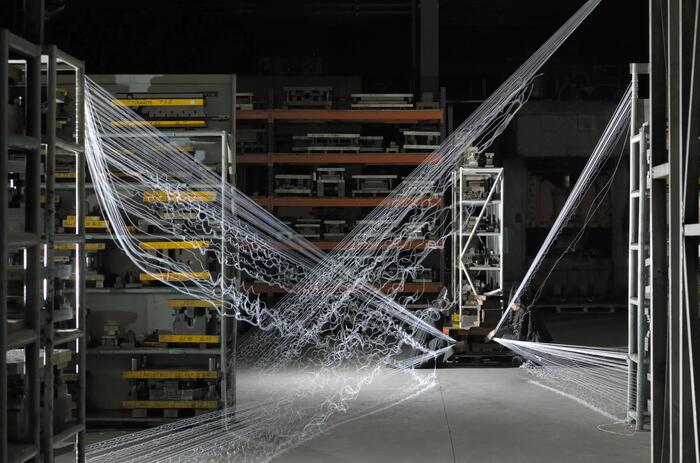
La Tercera Nave brings together the practices of Linarejos Moreno and Vanessa Enríquez in a dialogue centered on the material and symbolic remnants of memory. Through the concepts of textiles and weaving, both artists address fragmentation from industrial and technological perspectives.
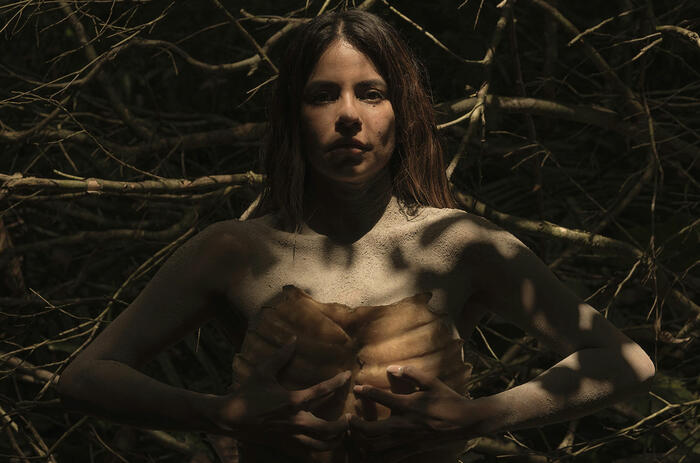
The three artists will bring their unique Latin American perspectives to reflect on the global themes addressed by the cycle: feminism, historical memory and power relations.
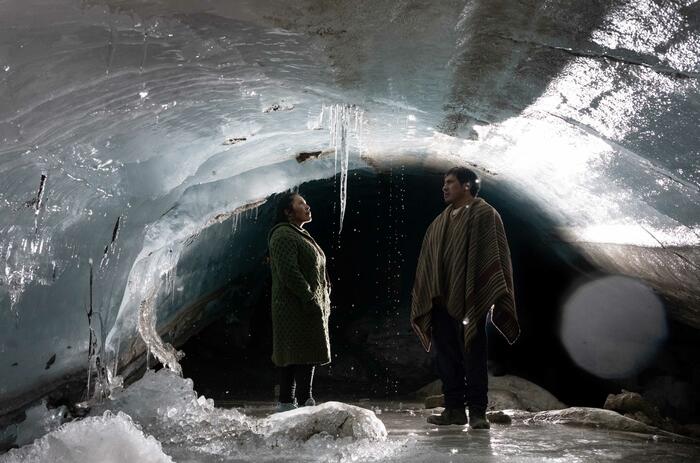
The photographic work of the Peruvian artist reveals the lived realities of Andean communities in the face of climate change.
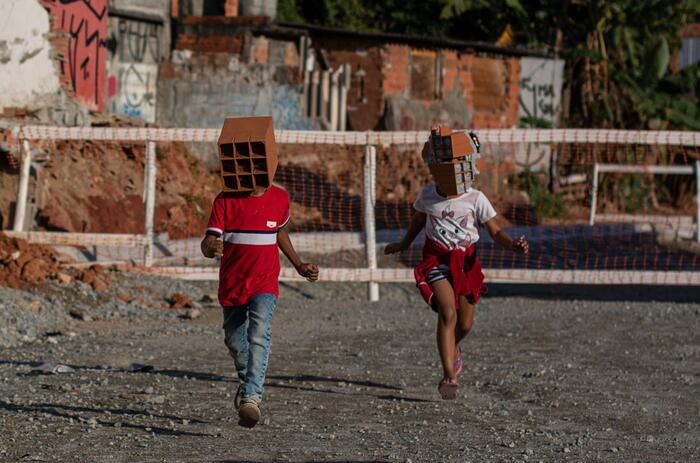
Let’s Play. Juguemos en la colección, a BIENALSUR project, engages with the permanent collection of the Museo Nacional de Artes Decorativas through the conceptual lens of play, featuring the work of ten artists, mostly from Latin America, including Marta Minujín, Glenda León, and Silvia Rivas.
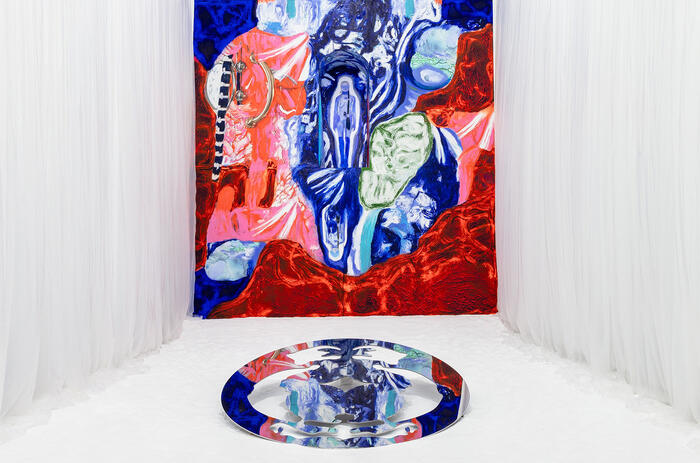
The installation is constructed using the artist's usual practices, where sand, pigments, and translucent curtains come together with cosmology and contemporary languages.
From historical retrospectives to immersive installations and new commissions, museums across the continent will host the work of seminal artists.