
By
Álvaro De Benito
Spanish art galleries are protesting with a temporary closure against a tax policy that places them at a competitive disadvantage compared to their European counterparts. The sector is calling for the application of a reduced VAT rate to ensure commercial competitiveness and to continue strengthening and reinvesting in the cultural ecosystem.
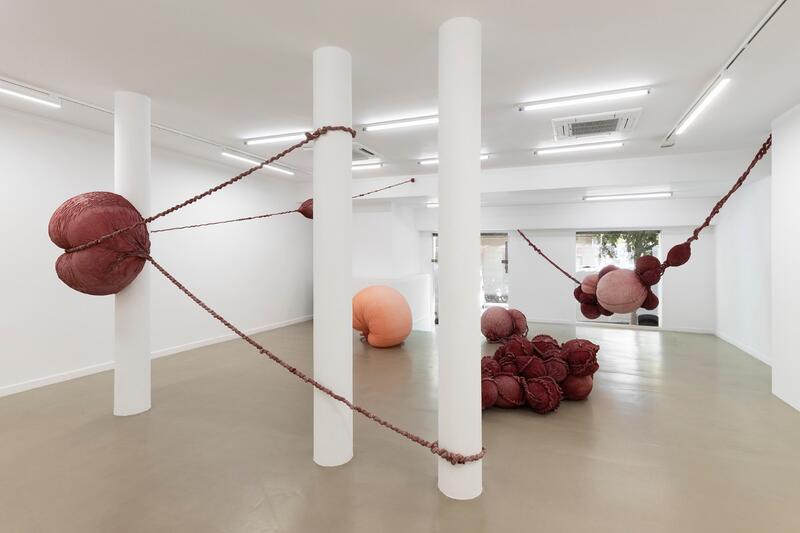
Throughout this week, Spanish art galleries will keep their doors closed. This is one of the most visible forms of protest adopted by the gallery sector in its ongoing demand for fairer tax treatment from the Spanish government. At the heart of this claim lies the application of the so-called cultural VAT: a reduced rate of 10% instead of the current 21%.
A conflict spanning nearly fifteen years
In Spain’s case, the government led by conservative Prime Minister Mariano Rajoy increased the cultural VAT from 8% to 21% in 2012 amid fiscal austerity measures, placing art galleries in what Art Madrid describes as “a position of structural disadvantage compared to their European counterparts,” effectively turning Spain into one of the few eurozone countries not applying a reduced VAT rate to cultural activities. According to data from the Arte y Mecenazgo Foundation, since that year the Spanish art market has remained stagnant, with no perceptible growth beyond the 1% share of the global market it has held ever since.
In 2017, still under Rajoy’s government, tax regulations were reformed again—but only partially. The labyrinth began to take shape: through exclusions and exceptions, situations arose in which artists selling their work directly were taxed at 10%, while galleries continued to pay 21%, even though their role is limited to the commercial margin obtained through mediation. In other words, as Art Madrid summarizes, “the main channel for the commercialization of contemporary art bears, in many cases, the highest tax burden in the entire Spanish cultural industry.”
Today, under the coalition government led by Socialist Prime Minister Pedro Sánchez, with progressive politician Ernest Urtasun at the helm of the Ministry of Culture, the fiscal situation for galleries remains unchanged. Beneath the debate lie two key factors: the gallery’s purely commercial activity and its cultural activity—free of charge and universally accessible—that galleries also carry out. However, as Carolina Alarcón, board member of the Consortium of Contemporary Art Galleries, points out, “the high taxation on art sales makes it difficult to maintain balance.”
A disadvantage in the market
Commercial activity—the most contentious point—is what gallery owners highlight as their greatest disadvantage compared to European competitors. While Spain applies a 21% VAT rate, Germany applies 7%, Portugal 6%, Belgium 6%, France 5.5%, and Italy 5%. In a common market such as the European Union—incapable of harmonizing VAT—inequalities among actors in the same industry increase depending on the member state in which the activity is taxed. Even Spain’s supposed competitive advantage through its connection with Latin America is offset by the fiscal burden, which curbs potential growth through that channel.
“Galleries compete within the same international circuit, and such a fiscal difference directly influences purchasing decisions. When faced with the same artwork or a comparable offer, buyers tend to choose the country with the lower tax burden, placing us at a clear disadvantage,” Alarcón explains.
This sentiment is echoed by individual gallery owners. “For an international collector, paying 5% or 21% makes a very clear difference in the final price,” says Paloma Jaramillo, director of La Cometa, a gallery with representation in both Latin America and Spain. “This causes Spain to lose competitiveness as an art market hub and leads fairs, artists, and buyers to shift their operations to countries with more favorable tax conditions.”
“This happens very frequently and results in the loss of many sales. If a Spanish artist is represented by a gallery in Spain and another in a country with reduced VAT, buying the work here is more expensive,” adds Joana Roda, director of Barcelona-based Bombon Projects. She also points to a local issue: “For artists represented only in Spain, their prices are at a disadvantage compared to similar artists, making it harder to internationalize their work.”
A European scenario unlike the Latin American one
The problem emerges when dealing with the closest commercial environments. The free movement of goods within the European Union becomes a double-edged sword: while logistics are simplified, stark differences in national tax policies place Spanish galleries at a clear disadvantage.
This situation does not occur in Latin America, where tax pressure is similarly high but relatively uniform across countries. Sofía Arbeláez, Madrid coordinator at La Cometa and a lawyer, explains the different commercial contexts: “In Colombia, the general VAT rate of 19% applies to art sales without any common exemption. Although this clearly increases costs, it is not comparable to the Spanish situation. Most Latin American countries apply similar rates, so competition is not as dramatically affected as it is in Europe.”
Like La Cometa, galleries such as El Apartamento, Zielinsky, Fernando Pradilla, Travesía Cuatro, and many others, Crisis has opted to maintain a presence on both sides of the Atlantic. Juan Luis Balaerzo, one of Crisis’s directors, notes that “the Peruvian tax regime is not ideal, with a VAT-equivalent rate of 18%—higher than the Latin American average—but still lower than Spain’s.” And here lies the absurdity: “Our Madrid-based clients with operations in Lima have greater incentives for us to make the sale in Peru rather than in Spain, and then import the work—where Spain’s reduced 10% VAT applies—but the income tax we pay remains in Peru.”
Art fairs as a rigged balancing act
The effects of Spanish tax policy on art galleries are most clearly felt at art fairs. “This difference,” says Alarcón, “has a constant impact on competitiveness, especially at international fairs and in an increasingly globalized market where comparisons are unavoidable.”
Sergio Sancho, director and founder of CAN Art Fair Madrid & Ibiza, puts it plainly: “Our clients—the galleries—are not competing on equal terms. I have French, Italian, and Portuguese galleries operating with reduced VAT rates, and it’s even possible for the same artist, represented by all three, to have completely different prices.”
For those investing in a fair, such inequality at the starting point of negotiations is critical. Roda emphasizes this: “When we are literally next to each other, the difference becomes much more visible. For local collectors, we are far less competitive than galleries from neighboring countries. 21% VAT pushes locals to buy outside Spain, impoverishing both the number and quality of galleries and, more broadly, the local cultural ecosystem.”
The outcome is consistently negative. Jaramillo explains how galleries attempt to cope—often at their own expense: “There are sales that are practically closed, but when the client confirms interest and sees the final price with 21% VAT, they back out. This often forces us to renegotiate prices, absorb part of the tax, or lose the sale to galleries in other European countries.”
“In the end,” Sancho adds, “galleries are at a point where they are selling more, and it would be more feasible for them to participate more in fairs as well. That would benefit a very large ecosystem.”
Impact on the cultural industry
Sancho also highlights the social potential of a tax reduction: “We should become aware that this is a problem, and understand that incentivizing access to art purchasing allows culture to permeate society much more deeply.” In this social dimension, sales performance directly affects galleries’ ability to contribute to the cultural ecosystem.
“Commercial activity sustains exhibitions, research, and artist promotion, but when it is penalized, resources for developing projects on an ongoing basis are reduced,” says Alarcón. “Galleries are not only commercial spaces but also cultural ones, offering free activities open to the public.” Roda sums up their structural role within the ecosystem.
In an increasingly polarized world, drawing clear lines is difficult—especially amid today’s political rhetoric. “This is not about separating culture and market,” Jaramillo argues, “but about incentivizing the reinvestment of galleries’ commercial success into cultural work. A reduced VAT rate would be a tool to strengthen the artistic ecosystem.”
The luxury imaginary
“The application of this tax rate reflects a lack of recognition of art and the work of galleries as an essential part of culture. VAT reduction would not only be an economic measure but also a key symbolic stance by the government, aligning visual arts and gallery work with other cultural sectors and ceasing to treat them solely as a market or luxury good.”
In this statement, Alarcón encapsulates the problem of the gallery’s dual role and points to a deeper cause: “The 21% VAT largely stems from viewing art as a luxury good rather than a cultural asset.” This perception continues to hover over an industry often regarded as elitist.
Activities surrounding art purchases by collectors, record-breaking auction prices, and economic theories framing art as a safe-haven asset have fueled this collective imaginary. “Collectors are often perceived as ultra-wealthy, and we fail to recognize the immense effort behind many art purchases,” Sancho notes.
Harm to the ecosystem
Jaramillo further explores this perception’s impact: “The myth of art as an elitist sector is a misconception that obscures the efforts of many buyers, the precarity of many artists and galleries, and the work of the entire professional chain sustaining the contemporary art ecosystem.”
“Understanding visual arts as luxury objects means not truly understanding what we do in galleries,” Roda adds. “Sales are only a small part of our work—they allow artists to continue creating and galleries to keep their doors open, offering risky cultural projects, often before they enter institutions and always free of charge.”
This idea reinforces the role of galleries as cultural spaces. “Galleries don’t just sell artworks: they support artistic careers, produce exhibitions, participate in international fairs, and energize the cultural landscape. Treating art fiscally as a luxury item ignores its social and cultural function,” Jaramillo concludes, pointing to the government’s inability—deliberate or not—to grasp the nature of the sector’s demands.
Visibility measures
“For one week, we stop being free cultural spaces open to all citizens, as a form of protest and a call for attention,” say galleries participating in the shutdown. But this action is only the beginning. According to Alarcón, galleries have also announced “a three-month suspension of all unpaid collaboration with Spanish institutions.”
This measure also seeks to reclaim the galleries’ place within the institutional framework, a role that is often invisible. “Galleries regularly carry out unpaid work for institutions, and this action aims to highlight an essential professional contribution that is not always recognized or valued,” Alarcón explains. Roda adds a clarification: “This does not affect acquisitions—if purchase discussions are underway, collaboration will continue.”
The shutdown also carries a performative dimension, almost conceptual in nature. The act itself becomes part of the process toward change. Is the industry in danger in Spain? Sector agents believe fiscal policy clearly complicates their survival compared to European competitors. The closure is only the first step in a broader struggle that will also gain visibility at forums during fairs such as ARCO and CAN. “If we are not heard, there will be more measures; we have no other choice but to fight for our survival as a sector,” Alarcón concludes.
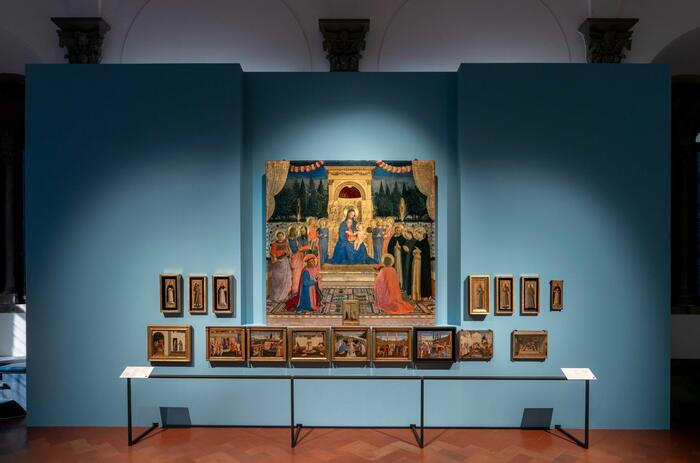
The current exhibition devoted to Beato Angelico at Palazzo Strozzi is not only an art-historical event but also a revealing case study in how audiences engage with art today. It is the first major exhibition dedicated to the artist in more than seventy years (last time was in 1955) , and its success goes well beyond scholarly importance.
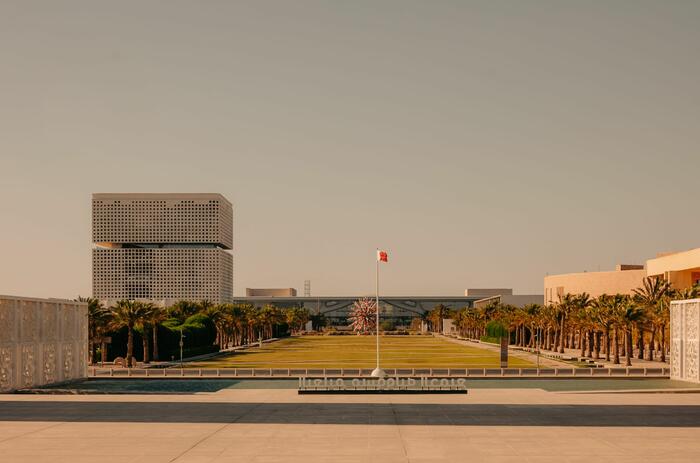
As 2025 draws to a close, the long-anticipated recovery of the global art market has not yet truly taken shape. The cautious optimism that marked the end of 2024 quickly gave way to a more sobering reality.
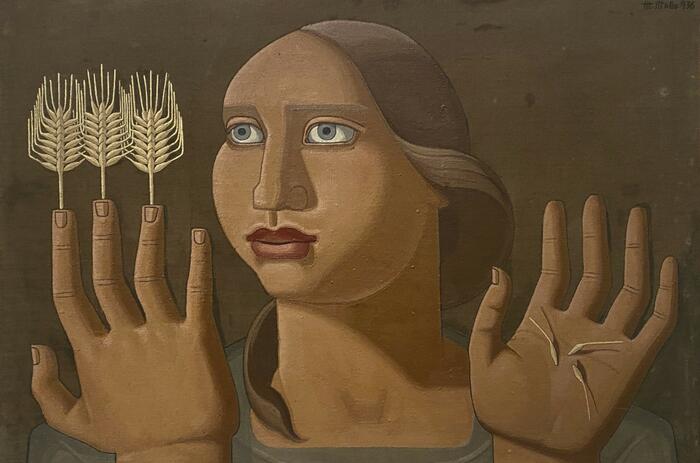
Máscara y compás underscores the importance of Maruja Mallo’s Latin American exile as a key stage in her artistic renewal, during which her avant-garde language expanded through the integration of the cultural and symbolic realities of Latin America.
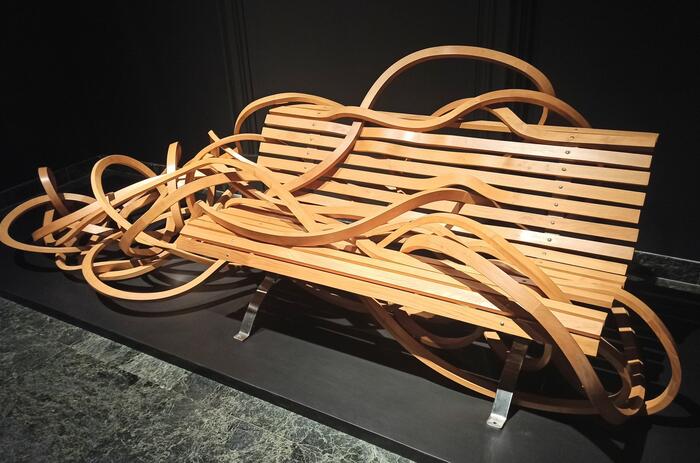
La vida se mueve delves into Pablo Reinoso’s most recognizable artistic practice: the transformation of everyday objects into sculptural works that explore existential fragility in dialogue with space and surrealism.
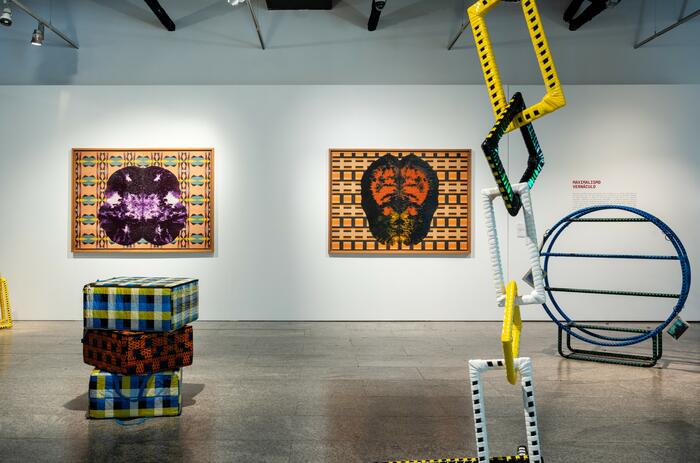
The Complutense Art Center explores the work of Quisqueya Henríquez, a practice rich both technically and conceptually, which employs social critique, creolization, and multidisciplinary semantics as analytical tools for the discourse of the Caribbean.

The visual culture of the Caribbean and Latin America cannot be understood as a homogeneous or stable system; it is a territory shaped by flows, displacements, and symbolic overlaps in which images not only circulate, but constantly negotiate their meaning. Within this configuration, graphic design occupies a particularly distinctive position, as it does not function merely as a tool of mediation, but rather as a practice of judgment that intervenes in how the region represents, interprets, and projects itself.

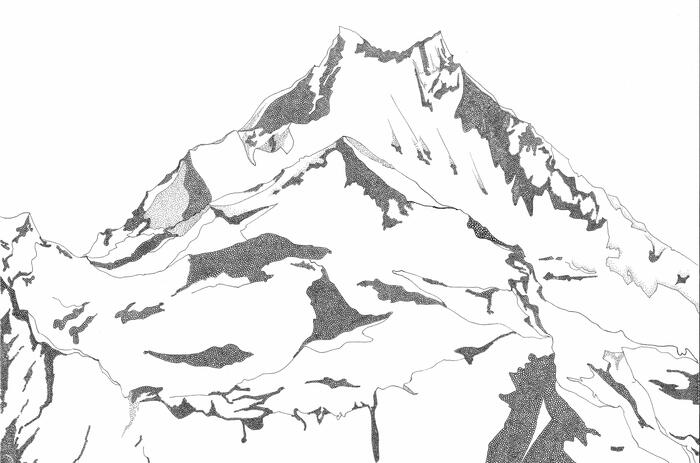
“I think painting is the possibility of creating and materializing in the physical world something that did not exist before.” — Kate Araoz, 20251
Part 2
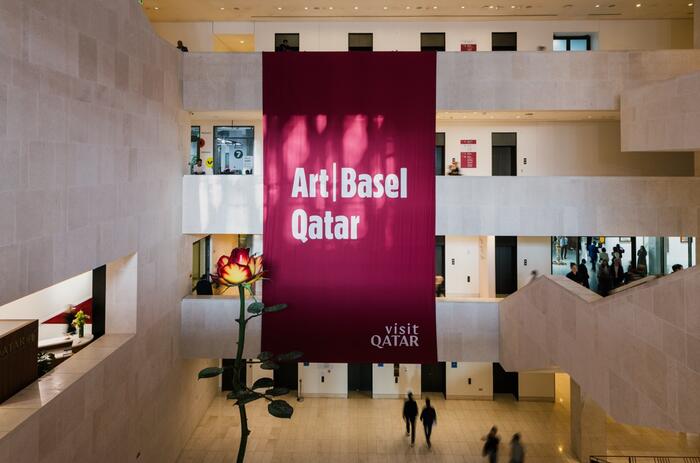
Qatar’s cultural strategy has never been improvised. For more than two decades, under the leadership of Sheikha Al Mayassa bint Hamad bin Khalifa Al Thani, Qatar Museums has advanced a carefully sequenced expansion that positions culture at the center of national development.
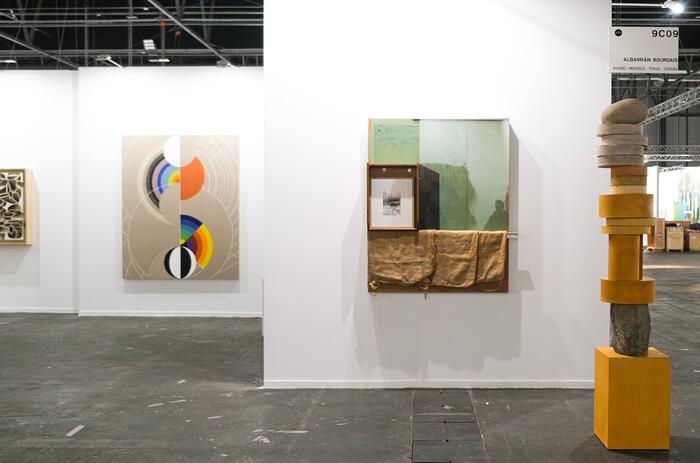
Spain applies a 21% VAT to gallery sales of artworks, a rate in place since 2012. In contrast, other cultural sectors benefit from reduced rates: cinema, theatre and concerts are taxed at 10%, and books at 4%. Contemporary art galleries, however, remain subject to the general rate.
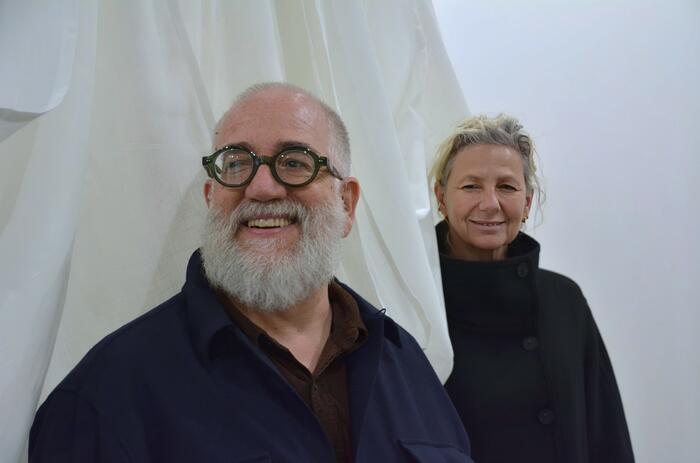
The curators present in their program at ARCOmadrid 2026 the exploration of the future as an open question. From theatrical play, where the dialogue between works and artists raises doubt and critique without certainties, the curators invite to “keep the eyes open” regarding what is to come.
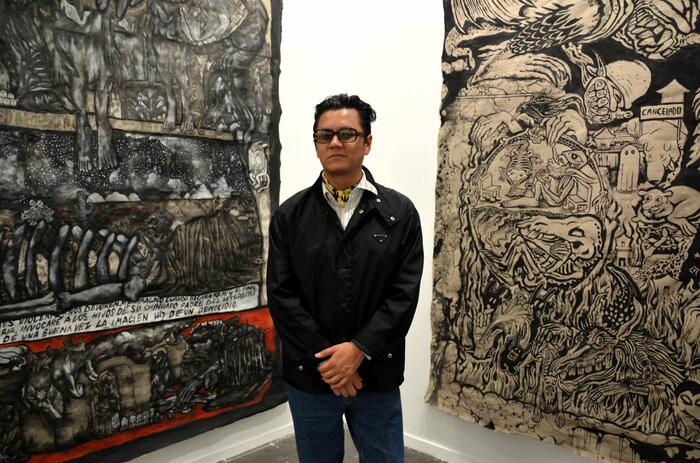
The curated program at ARCOmadrid once again provides a prominent space for Latin American galleries and artists at the fair. With José Esparza Chong Cuy leading the new edition, the program exudes a diversity of approaches and realities, raising questions while simultaneously serving as a key opportunity for visibility.
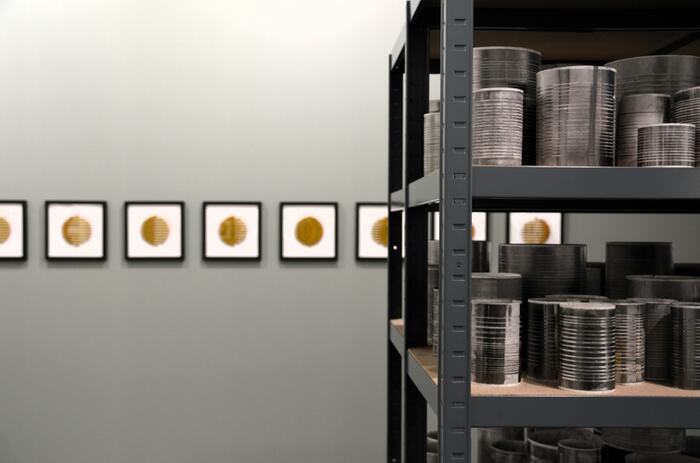
We explored the visions and practices of eleven Latin American galleries to gauge the pulse of the region’s art and its status at ARCO, with proposals that, without ignoring the commercial side, affirm tradition, experimentation, and diversity of languages as a common hallmark.
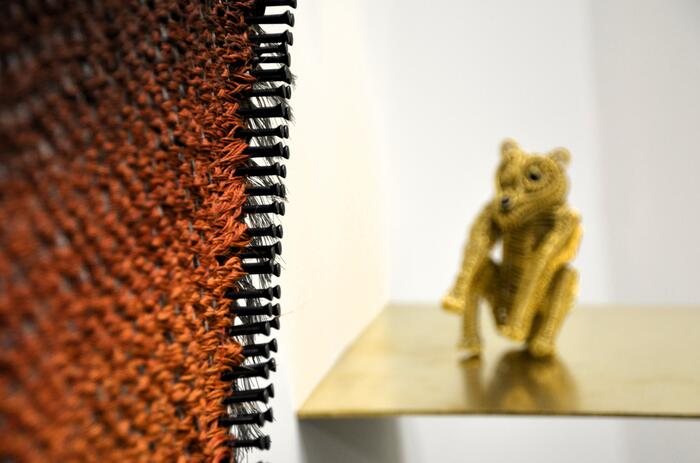
We propose an overview of Latin American art presented at ARCO through ten proposals that illustrate and outline current tendencies, where critical and experimental perspectives, nature, materiality and organic processes shape different languages through which to address key themes.
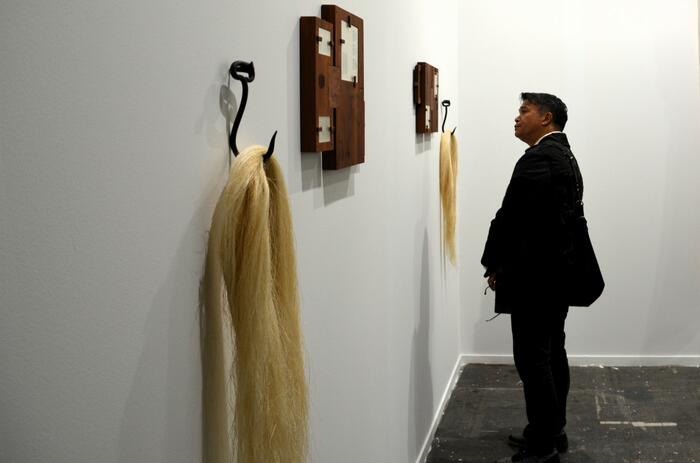
ARCOmadrid 2026 appears to reinforce its position in the global art market by consolidating a distinctive identity in contrast to the major internationalized art fairs, with Latin America as its anchor. Its capacity to generate cultural and market narratives from this positioning has been key to understanding its current role and evaluating the potential risks of its model.
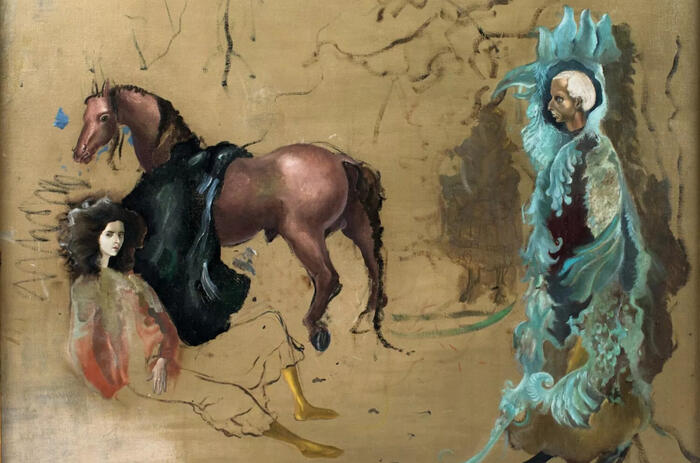
The museum presents the work of the Mexican artist through a journey that articulates her main interests, combining chronological and thematic perspectives.