By
Álvaro De Benito
The Complutense Art Center explores the work of Quisqueya Henríquez, a practice rich both technically and conceptually, which employs social critique, creolization, and multidisciplinary semantics as analytical tools for the discourse of the Caribbean.
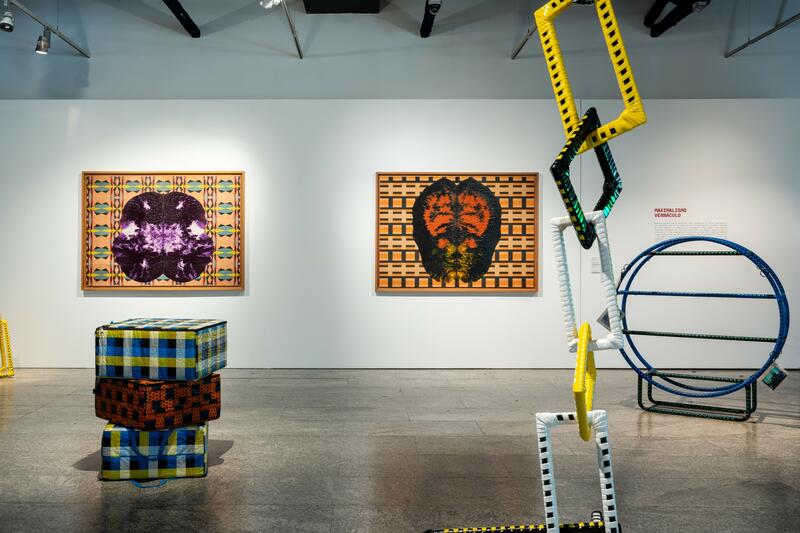
The work of Quisqueya Henríquez (Havana, Cuba, 1966 – Santo Domingo, Dominican Republic, 2024) frequently traverses the dichotomies and poles presented by the collective imaginaries of the Caribbean context in which the artist developed her fascinating practice. Beneath this statement lies the nuance of meanings, a semiotics that serves the marketable capacity of the veneer applied over a reality that, despite this, does not cease to exist. It is precisely along this axis that the artist’s conceptual proposal revealed its most critical dimension.
This dual reading and interpretation also reflect Henríquez’s geographical position—a situation that transliterates into symbols of a perhaps more international vision of her work, which, beyond enriching it, draws upon and complements the mechanisms of the system itself. Her questioning of social and power structures stems from an appreciation of all these values, an analysis that instrumentalizes irony and the capacity to surprise a viewer who, whether actively or passively, becomes engaged.
The exhibition El centro puede estar en todas partes (The Center Can Be Everywhere), hosted by the Complutense Art Center in Madrid and curated by Isabella Lenzi, René Morales, and Alfonsina Martínez, is constructed as the most comprehensive review to date of Henríquez’s career. Beyond this thesis-driven aspect, the show also delves into her technical and multidisciplinary prowess. It is not only the conceptual dimension but also the development of the work that this exhibition highlights, reflecting the breadth of possibilities in her practice.
Without necessarily following a chronological approach, the exhibition encourages recognition of several essential thematic fields within her work. Starting from insularity, one is confronted head-on with the acerbic visions that the broad Caribbean imaginary—those turquoise, transparent waters that, paradoxically, obscure everyday life and other realities—offers.
The works from this period reveal this disparity of perspectives, constructing an aesthetic discourse that negotiates the interior and the exterior, the center and the periphery. Her photographs and actions capture this confrontation from a viewpoint that somewhat sidelines the purely aesthetic to emphasize the narrative potential of the visual.
Installations and video works complement this technical dimension. This production, also situated within the ever-present duality, is particularly evident in the artist’s engagement with collage. These compositions allowed her to generate visually striking results while also prompting reflections on popular debates through a manual hybridization that invoked the syncretism and creolization essential to understanding social construction and its subsequent political analysis.
Within this context of concern for social issues and for developing concrete analyses of structures, Henríquez finds in Santo Domingo’s underground economy a new field that offers foundational approaches for continuing to develop, through new languages, an inexhaustible line of inquiry. Her work opens itself to the artisanal, negotiating between the concepts of high art and popular art, and, as a result, Henríquez embraces color. This chromatic exploration, coupled with a move toward geometric forms, culminates in a decidedly radical shift. Though maximalist, this turn allows her to concisely incorporate the issues that preoccupy her.
When Henríquez moved to the Las Terrenas region during the pandemic, the ecosystem she encountered catalyzed this change. The natural exuberance contrasted sharply with urban bustle, prompting a search for new expression through the natural materials provided by her surroundings. Perhaps less impactful chromatically, this period continues to highlight the importance of contrast through a more organic materiality. The forms and proposals maintain this lifeline in an exploration that expands her representational capacity.
Henríquez also advocated in her practice for collaboration with other agents, reflecting her belief that critique and analysis stem from multiple viewpoints. The exhibition concludes with what may be her most representative work in this regard, one that best embodies the artist’s idea and action. Collective Breath demonstrates this capacity, even physically, as a collaborative result.
The arrangement of hundreds of inflated black balloons along the final corridor culminates in an appreciation of the collective, reflecting a deep individual conviction in the narrative of concepts. This also aligns with the multidisciplinary nature of her practice, which calls upon the spectator to complete the works of a career that, from a perspective of everyday life, addressed every intermediate point within a segment as symbolic as it is polarized in meaning.
Quisqueya Henríquez. El centro puede estar en todas partes can be seen until April 26, 2026, at the Complutense Art Center (c arte c), Avenida Juan de Herrera, 2, Madrid, Spain.
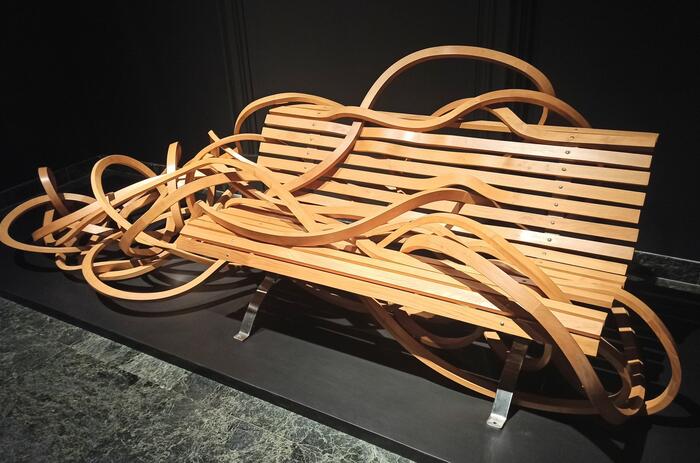
La vida se mueve delves into Pablo Reinoso’s most recognizable artistic practice: the transformation of everyday objects into sculptural works that explore existential fragility in dialogue with space and surrealism.
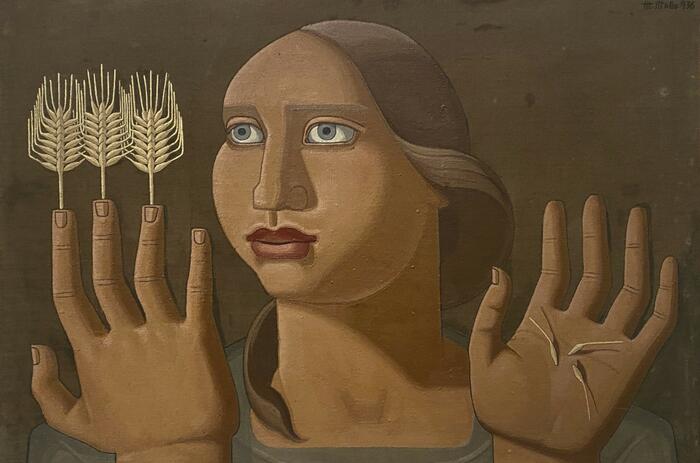
Máscara y compás underscores the importance of Maruja Mallo’s Latin American exile as a key stage in her artistic renewal, during which her avant-garde language expanded through the integration of the cultural and symbolic realities of Latin America.
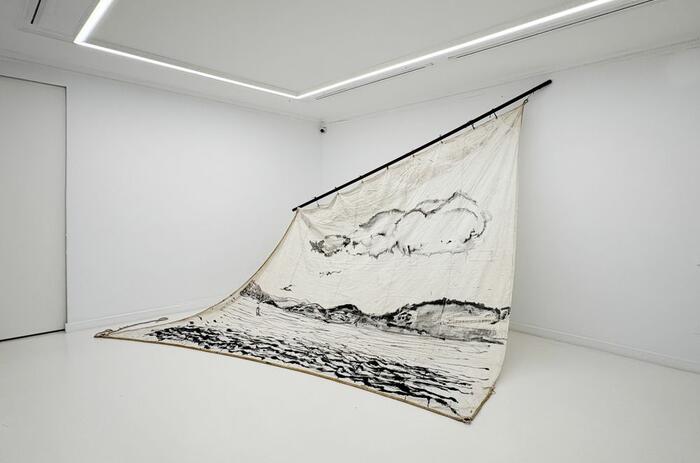
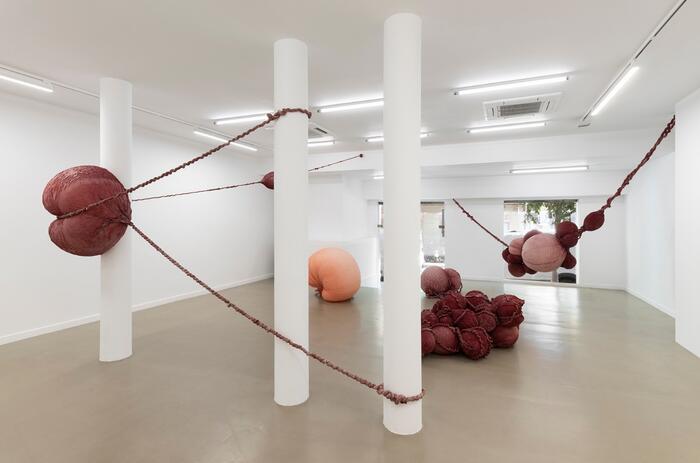
Spanish art galleries are protesting with a temporary closure against a tax policy that places them at a competitive disadvantage compared to their European counterparts. The sector is calling for the application of a reduced VAT rate to ensure commercial competitiveness and to continue strengthening and reinvesting in the cultural ecosystem.
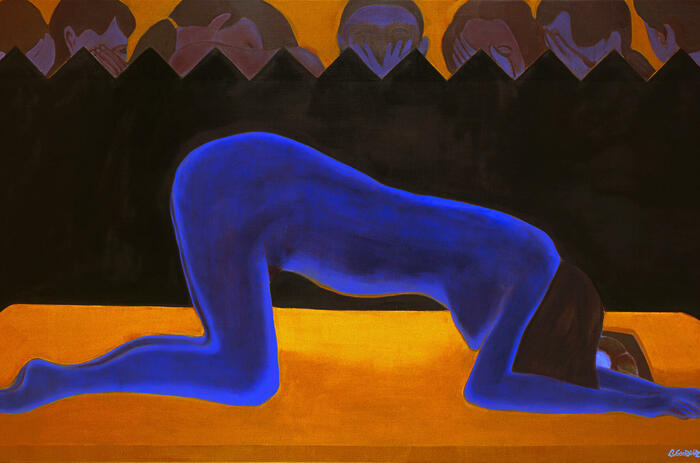
From historical retrospectives to immersive installations and new commissions, museums across the continent will host the work of seminal artists.
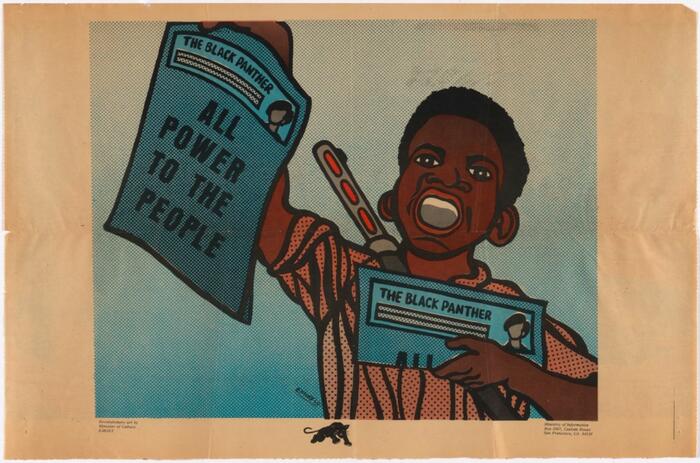
The visual culture of the Caribbean and Latin America cannot be understood as a homogeneous or stable system; it is a territory shaped by flows, displacements, and symbolic overlaps in which images not only circulate, but constantly negotiate their meaning. Within this configuration, graphic design occupies a particularly distinctive position, as it does not function merely as a tool of mediation, but rather as a practice of judgment that intervenes in how the region represents, interprets, and projects itself.
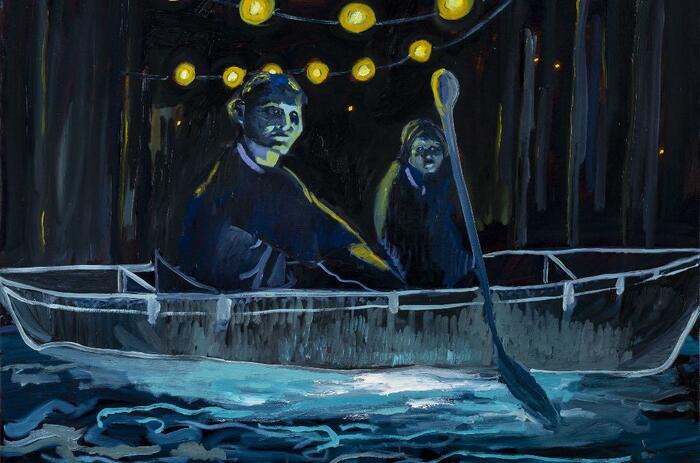
Mario Dávalos' retrospective challenges inherited notions of the static landscape; working across multiple disciplines, it rethinks the histories of bodies and cultural representation.
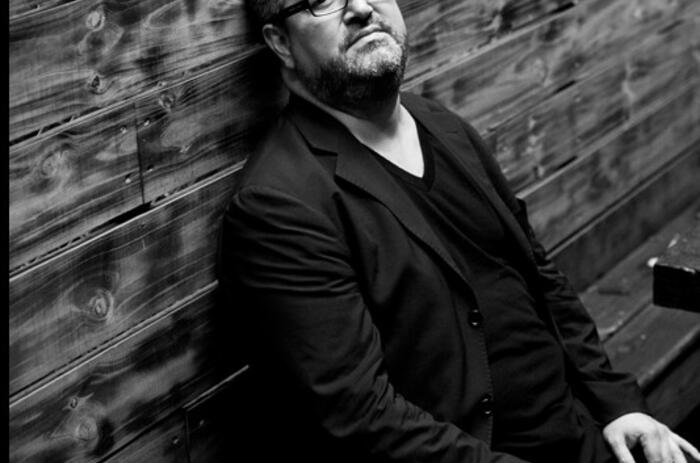
From the curatorship of the Foco LATAM program at CAN Art Fair Madrid, Christian Viveros-Fauné approaches surrealism as a tool for reading global uncertainty, while advocating for painting and Latin American artistic practices as spaces of resistance and the creation of new imaginaries.
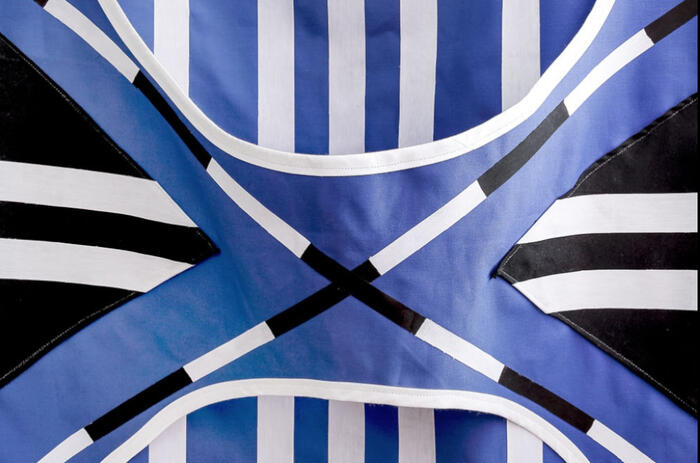
Valeria Maculan presents an installation that turns the exhibition space into a stage shared with the audience. The work uses large, foldable textile figures to create a theatrical environment that evokes archetypes, myth, and ritual.
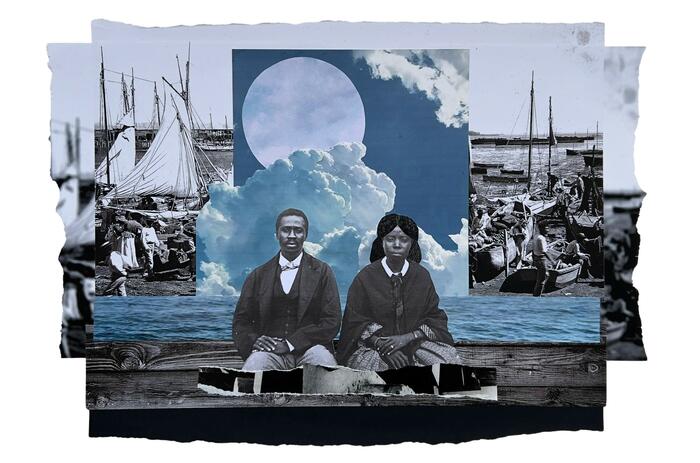
Giana De Dier presents an exhibition in Madrid that proposes a visual reflection on memory. Through archival imagery, appropriation, and the technique of collage, the Panamanian artist reconstructs the affective memory of El Terraplén in response to its recent transformation.