
By
María Sancho-Arroyo
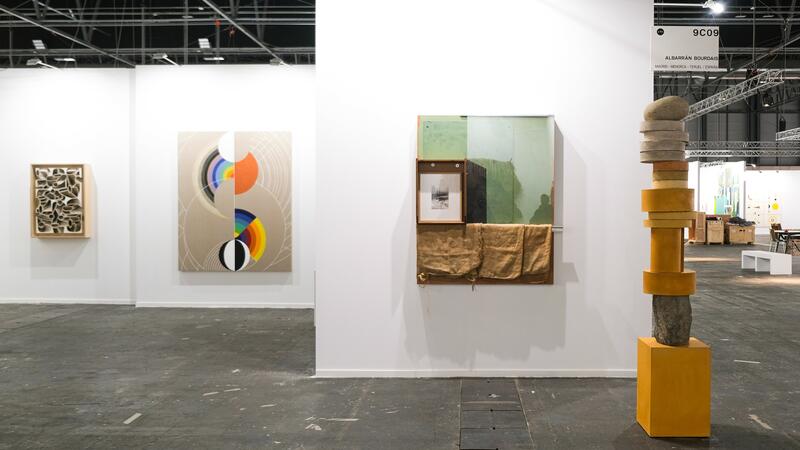
Spain applies a 21% VAT to gallery sales of artworks, a rate in place since 2012. In contrast, other cultural sectors benefit from reduced rates: cinema, theatre and concerts are taxed at 10%, and books at 4%. Contemporary art galleries, however, remain subject to the general rate. For years, Spanish galleries have been calling for a reduced “IVA cultural” that would align art with other cultural industries and with European standards. So far, that change has not come.
A widening gap inside Europe
The problem is not theoretical. Across Europe, countries have already adjusted their VAT on art sales. Italy applies 5%, France 5.5%, Portugal 6% and Germany 7%. These reductions were made possible under the flexibility introduced by Council Directive (EU) 2022/542, which allows Member States to adopt reduced rates for cultural goods. Spain has chosen not to.
Within a European Union without internal borders, that difference translates directly into competitive imbalance. A collector comparing offers in Madrid, Milan or Paris is not comparing abstract tax regimes. They are comparing final invoices.
A simple example makes this visible. If a Spanish gallery offers a work at €10,000 net, the 21% VAT raises the final price to €12,100. In Italy, at 5%, the same work would cost €10,500, in France, at 5.5%, the final price would be €10,550.
ARCO and the visibility of the problem
The issue becomes especially visible during ARCO Madrid, when Spanish galleries exhibit alongside international competitors operating under lower VAT regimes. For a collector considering a work at a fair, the only figure that truly matters is the final price. If a Spanish gallery has to apply a 21% VAT while an Italian gallery applies 5%, the difference appears instantly on the invoice and it can tip a buying decision.
Margins in the gallery sector are not large. Galleries finance production, shipping, fair participation, publications and international promotion. A structurally higher VAT makes that ecosystem more fragile.
A sector that feels unheard
The 21% VAT on art has been in place since 2012. Spanish galleries have repeatedly called for a reduced cultural rate ever since. The demand gained momentum after the Minister of Culture, Ernest Urtasun, indicated during his visit to ARCO 2024 that a reform would be considered. Since that commitment, galleries report numerous meetings with both the Ministry of Culture and the Ministry of Finance. No concrete measure has followed.
Frustration has gradually turned into public action. During ARCO 2025, the 71 Spanish galleries participating in the fair switched off the lights in their stands for ten minutes. The blackout was brief, but the message was unmistakable.
In December, artists and gallerists gathered at Madrid’s Círculo de Bellas Artes to present a manifesto titled IVA Cultural Ya (“Cultural VAT Now”), calling for the immediate adoption of a reduced rate. When no change came, the protests intensified. Galleries across Spain closed their doors for several days in February, reviving a measure last seen in 1991 over the same issue. Soon after, more than a hundred artists, gallerists and collectors staged a sit-in at the Museo Reina Sofía. The argument has remained consistent. Contemporary art, they say, is treated differently from other cultural sectors that benefit from reduced VAT. “We are not a luxury industry. We are culture” they repeat.
Tax policy shapes market centres
The art market is highly mobile. Taxation directly influences where transactions are closed and where market centres consolidate. It is not coincidental that Hong Kong developed rapidly as an art hub under a zero-tax regime on art transactions. Lower transaction costs facilitate trade. Higher transaction costs redirect it.
Galleries operate with narrow margins, and their work goes far beyond selling. They invest in research, support production, promote artists internationally and help build long-term careers. When the tax burden is structurally higher, it stops being a technical detail and starts affecting the viability of that entire model.
At a time when galleries worldwide are already under pressure, Spain adds an additional strain. Maintaining a 21% VAT while neighbouring countries operate between 5% and 7% leaves Spanish galleries competing at a clear disadvantage within the same European market. Tax policy is never neutral. It influences where transactions are concluded, which cities attract galleries and collectors, and which cultural ecosystems consolidate.
As ARCO Madrid prepares to open its doors from 4 to 8 March, it is unlikely that the VAT rate will change in the coming days. But the question will once again be visible on the fair floor. Whether reform comes this year or later, the longer the disparity persists, the greater the risk of weakening a sector that is central not only to Spain’s economy, but to its cultural life at home and its position in Europe.
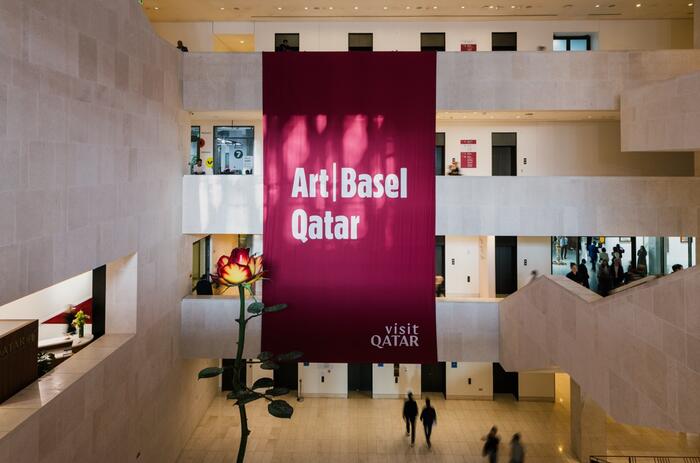
Qatar’s cultural strategy has never been improvised. For more than two decades, under the leadership of Sheikha Al Mayassa bint Hamad bin Khalifa Al Thani, Qatar Museums has advanced a carefully sequenced expansion that positions culture at the center of national development.
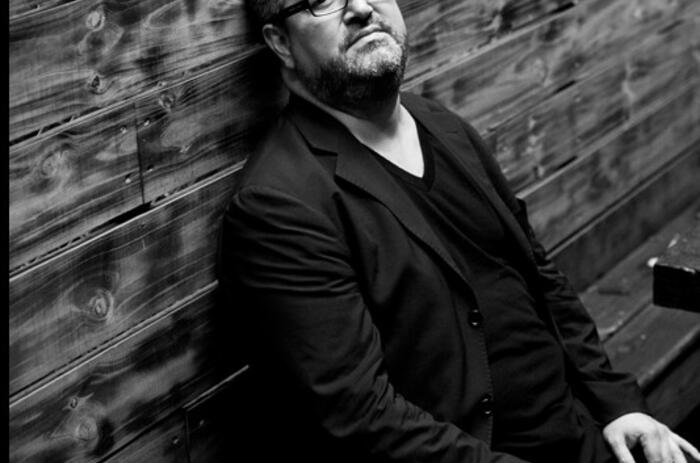
From the curatorship of the Foco LATAM program at CAN Art Fair Madrid, Christian Viveros-Fauné approaches surrealism as a tool for reading global uncertainty, while advocating for painting and Latin American artistic practices as spaces of resistance and the creation of new imaginaries.
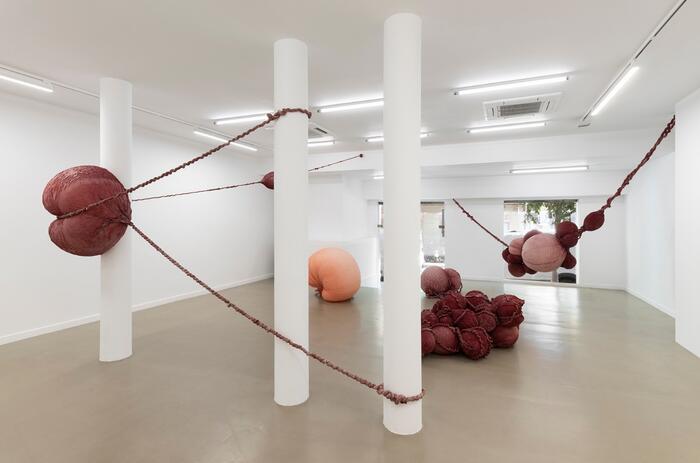
Spanish art galleries are protesting with a temporary closure against a tax policy that places them at a competitive disadvantage compared to their European counterparts. The sector is calling for the application of a reduced VAT rate to ensure commercial competitiveness and to continue strengthening and reinvesting in the cultural ecosystem.
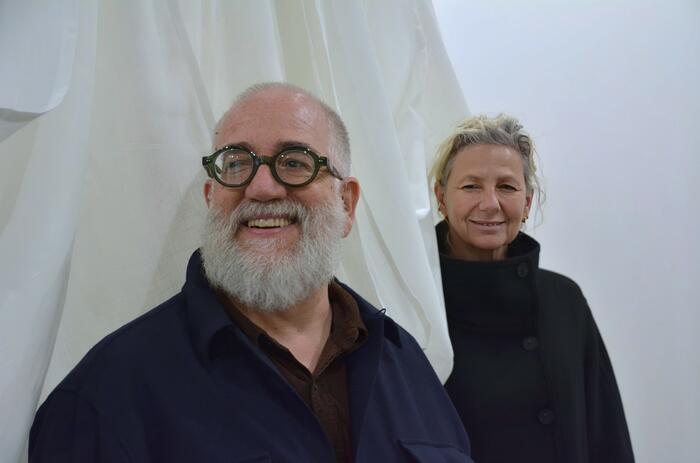
The curators present in their program at ARCOmadrid 2026 the exploration of the future as an open question. From theatrical play, where the dialogue between works and artists raises doubt and critique without certainties, the curators invite to “keep the eyes open” regarding what is to come.
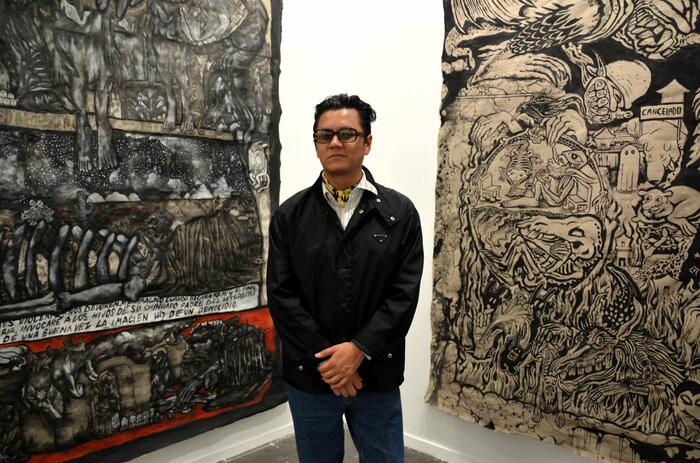
The curated program at ARCOmadrid once again provides a prominent space for Latin American galleries and artists at the fair. With José Esparza Chong Cuy leading the new edition, the program exudes a diversity of approaches and realities, raising questions while simultaneously serving as a key opportunity for visibility.
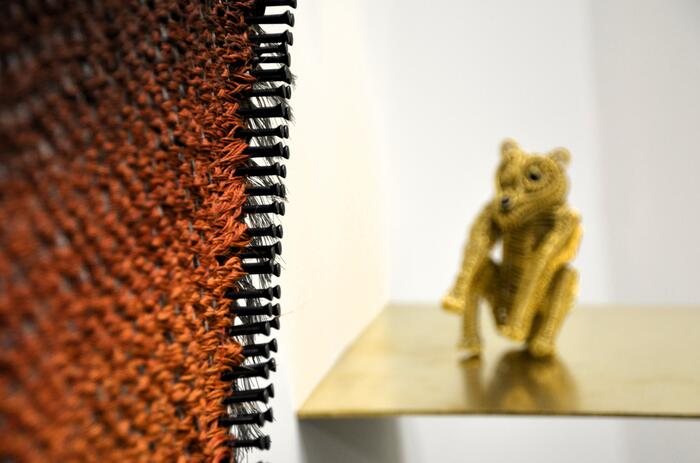
We propose an overview of Latin American art presented at ARCO through ten proposals that illustrate and outline current tendencies, where critical and experimental perspectives, nature, materiality and organic processes shape different languages through which to address key themes.
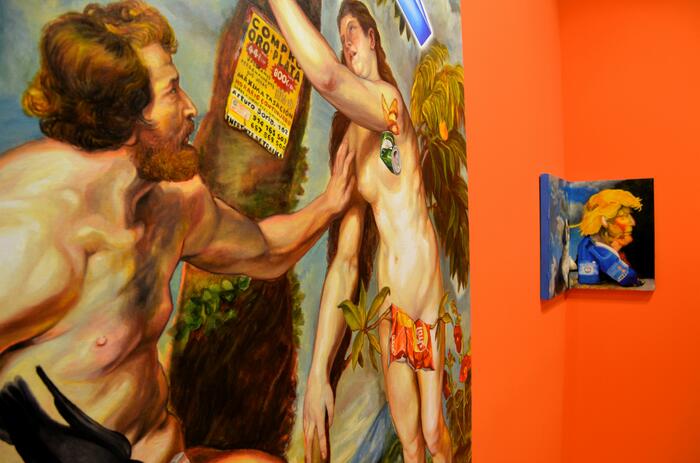
Contemporary Art Now in Madrid focuses on contemporary painting and highlights the value of Latin American art through the FOCO LATAM program. The proposals by regional artists presented at the fair reveal a diverse panorama, featuring material explorations, cultural memory, and contemporary imaginaries.
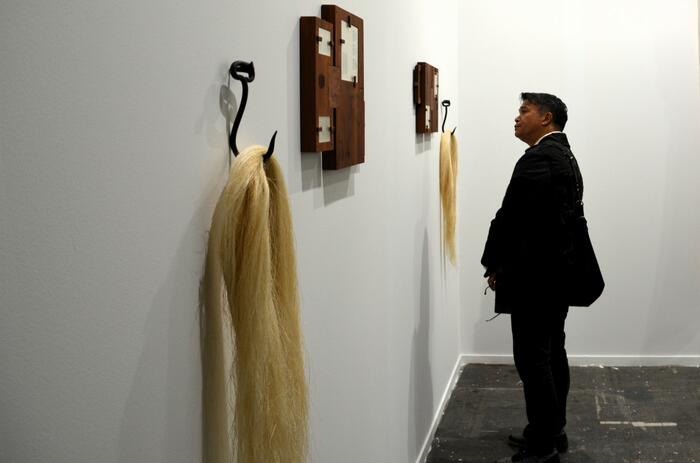
ARCOmadrid 2026 appears to reinforce its position in the global art market by consolidating a distinctive identity in contrast to the major internationalized art fairs, with Latin America as its anchor. Its capacity to generate cultural and market narratives from this positioning has been key to understanding its current role and evaluating the potential risks of its model.
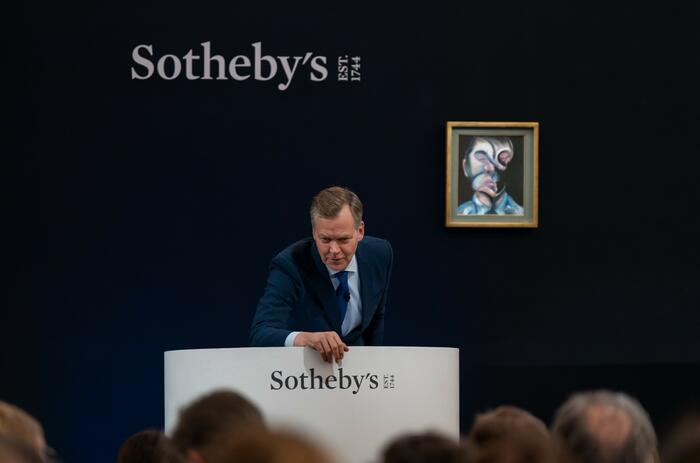
The art maket stabilizes, but the recovery remains uneven.
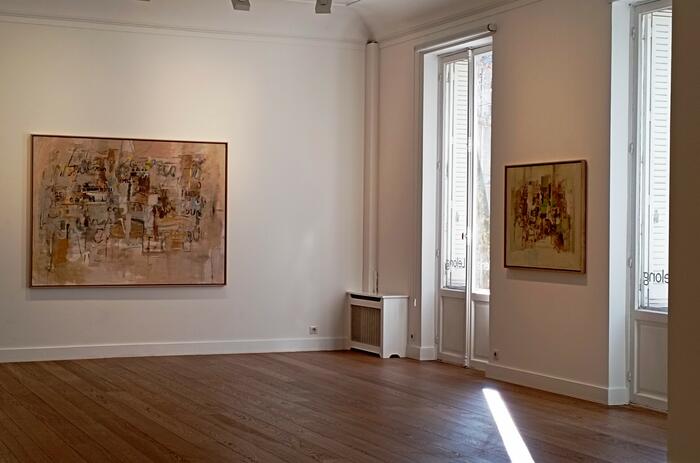
Today, those who walk through the galleries of the Museum of Modern Art or the Metropolitan Museum of Art in New York encounter a welcome surprise: canvases of undeniable visual strength hanging alongside figures such as Rothko or Tàpies. These are works by Sarah Grilo, recently acquired by these institutions. Nearly two decades after her passing, the artist has finally assumed the place of honor her career deserved.
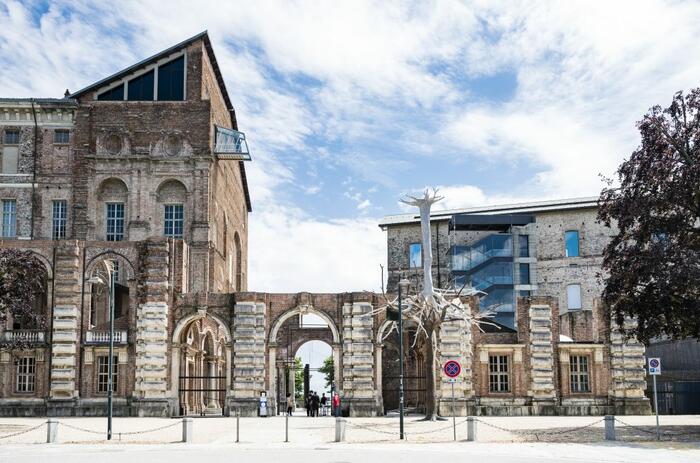
The Chilean artist Cecilia Vicuña unfolds an intervention connecting ancestral practices, ecology, and shared memory.
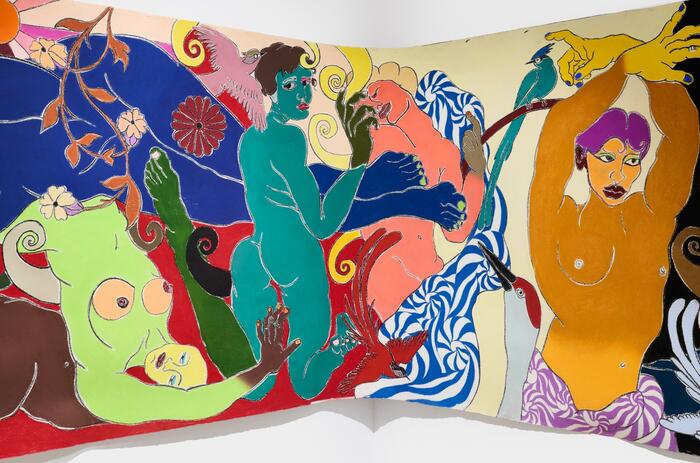
Argentine artist Amparo Viau is presenting her work at ArtNoble Gallery in Milan, Italy, through June 30. The exhibition features a large-scale installation consisting of a continuous drawing approximately forty meters long, created in chalk pastel on paper, along with a series of drawings and bodily fragments that expand upon the themes explored in the main piece.