
Contemporary art publications about España
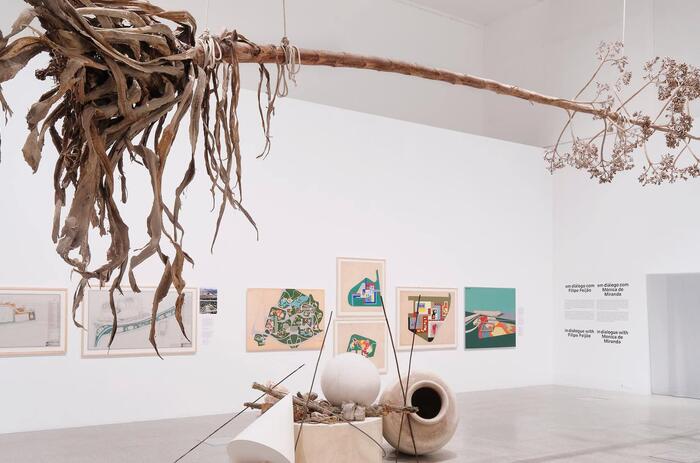
DIALOGUES WITH THE LEGACY OF BURLE MARX, AT MAC/CCB
Lugar de estar: o legado Burle Marx (A Place to Be: The Legacy of Burle Marx) is the exhibition presented by Lisbon’s MAC/CCB – Museum of Contemporary Art and Architecture Center, showcasing an extensive selection of landscape projects for public spaces developed by Roberto Burle Marx (São Paulo, Brazil, 1909 – Rio de Janeiro, Brazil, 1994) and his collaborators over nearly seventy years.
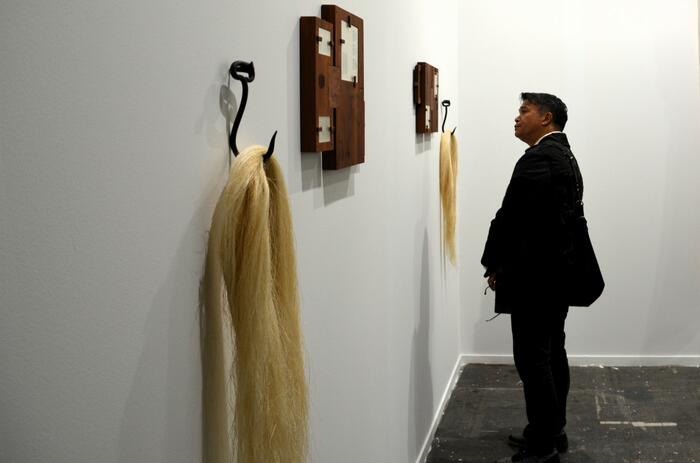
ARCO 2026: ANALYZING ITS IDENTITY AND MODEL IN THE GLOBAL MARKET
ARCOmadrid 2026 appears to reinforce its position in the global art market by consolidating a distinctive identity in contrast to the major internationalized art fairs, with Latin America as its anchor. Its capacity to generate cultural and market narratives from this positioning has been key to understanding its current role and evaluating the potential risks of its model.
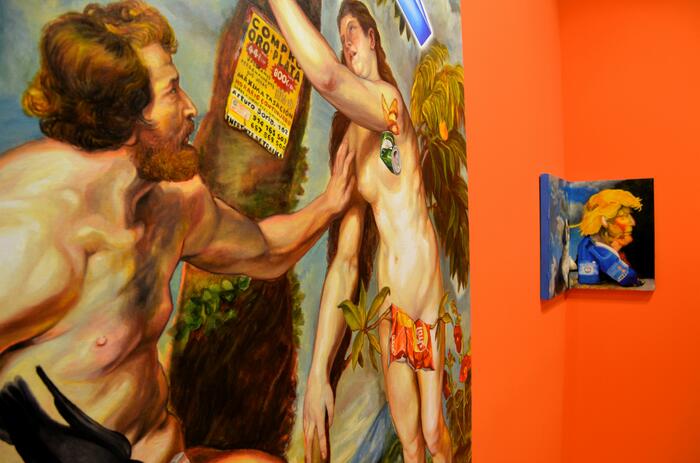
LATIN AMERICAN PROPOSALS AT CONTEMPORARY ART NOW: DECIPHERING A FUTURE
Contemporary Art Now in Madrid focuses on contemporary painting and highlights the value of Latin American art through the FOCO LATAM program. The proposals by regional artists presented at the fair reveal a diverse panorama, featuring material explorations, cultural memory, and contemporary imaginaries.
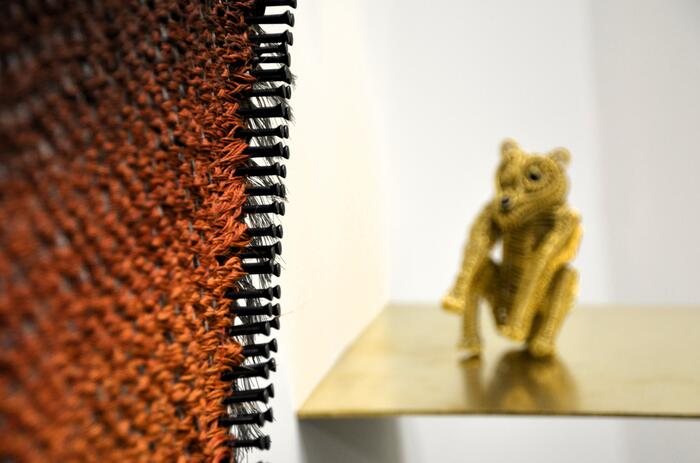
LATIN AMERICAN ART AT ARCO IN 10 CLUES AND 3 CONCEPTS
We propose an overview of Latin American art presented at ARCO through ten proposals that illustrate and outline current tendencies, where critical and experimental perspectives, nature, materiality and organic processes shape different languages through which to address key themes.
11 VISIONS OF LATIN AMERICAN GALLERIES AT ARCO
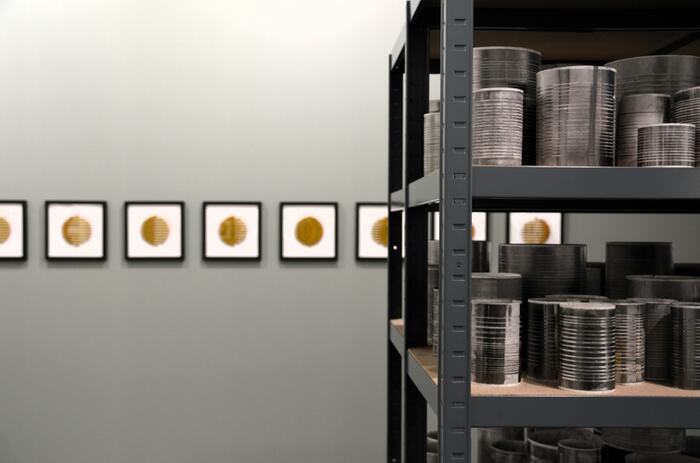
We explored the visions and practices of eleven Latin American galleries to gauge the pulse of the region’s art and its status at ARCO, with proposals that, without ignoring the commercial side, affirm tradition, experimentation, and diversity of languages as a common hallmark.
MAGALI ARRIOLA AND JOSÉ LUIS BLONDET: “WE QUESTION WHAT HAPPENS TODAY BECAUSE IT MAKES US WONDER ABOUT TOMORROW”
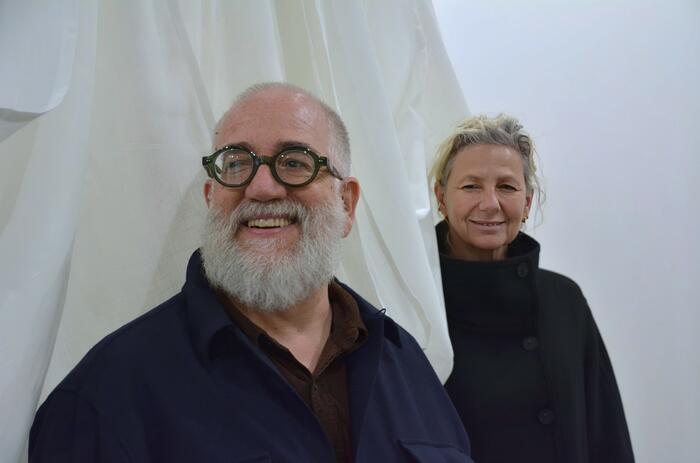
The curators present in their program at ARCOmadrid 2026 the exploration of the future as an open question. From theatrical play, where the dialogue between works and artists raises doubt and critique without certainties, the curators invite to “keep the eyes open” regarding what is to come.
SPAIN’S 21% VAT ON ART IS PUTTING GALLERIES AT A COMPETITIVE DISADVANTAGE
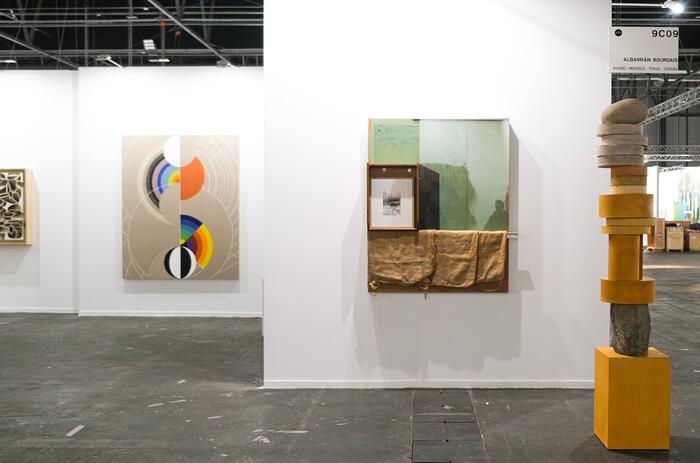
Spain applies a 21% VAT to gallery sales of artworks, a rate in place since 2012. In contrast, other cultural sectors benefit from reduced rates: cinema, theatre and concerts are taxed at 10%, and books at 4%. Contemporary art galleries, however, remain subject to the general rate.

VALERIA MACULAN: TRANSFORMING SPACE THROUGH THEATRICAL LANGUAGE AT CENTRO PÁRRAGA
Valeria Maculan presents an installation that turns the exhibition space into a stage shared with the audience. The work uses large, foldable textile figures to create a theatrical environment that evokes archetypes, myth, and ritual.
CHRISTIAN VIVEROS-FAUNÉ: “LATIN AMERICAN REPRESENTS A CRITICAL AND PRIVILEGED STANCE TOWARD POWER FROM THE ‘MARGINS’ OF THE EMPIRE”
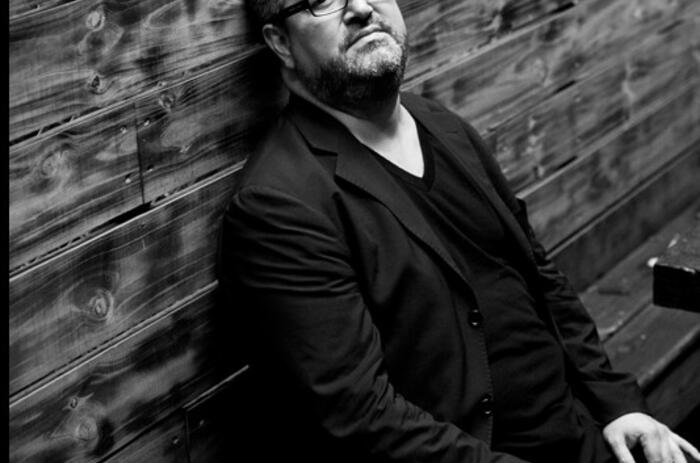
From the curatorship of the Foco LATAM program at CAN Art Fair Madrid, Christian Viveros-Fauné approaches surrealism as a tool for reading global uncertainty, while advocating for painting and Latin American artistic practices as spaces of resistance and the creation of new imaginaries.
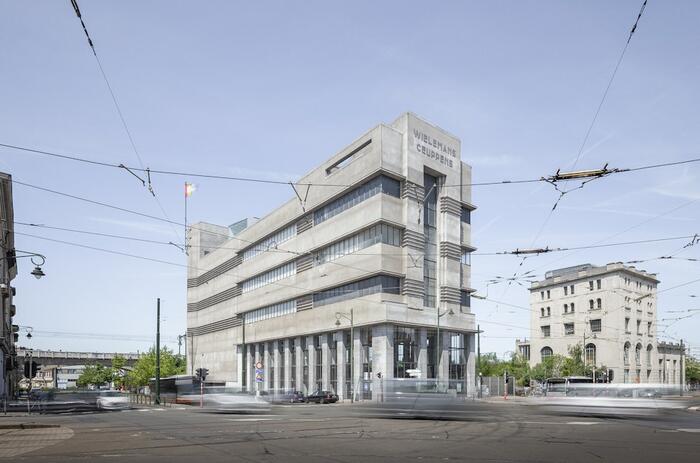
WIELS AND AC/E OPEN RESIDENCY CALL FOR ARTISTS IN BRUSSELS
The program will select one artist residing to take part in a six-month residency at one of Europe’s leading contemporary art institutions. Application deadline: March 1, 2026.
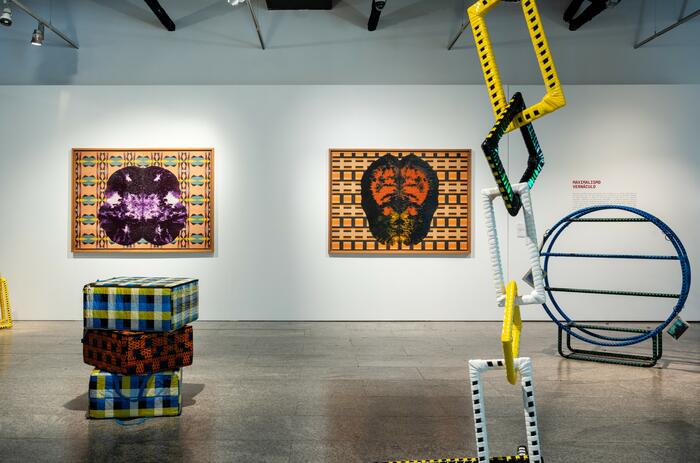
EVERY CENTER OF QUISQUEYA HENRÍQUEZ
The Complutense Art Center explores the work of Quisqueya Henríquez, a practice rich both technically and conceptually, which employs social critique, creolization, and multidisciplinary semantics as analytical tools for the discourse of the Caribbean.
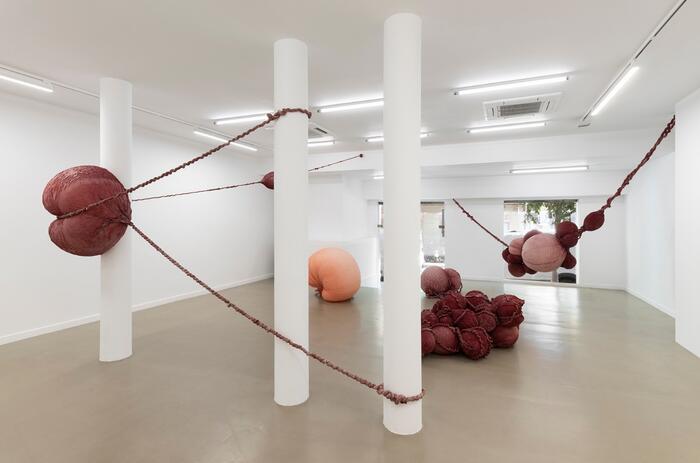
SPANISH GALLERIES AND TAX DISPARITY: A COMPETITIVE DISADVANTAGE
Spanish art galleries are protesting with a temporary closure against a tax policy that places them at a competitive disadvantage compared to their European counterparts. The sector is calling for the application of a reduced VAT rate to ensure commercial competitiveness and to continue strengthening and reinvesting in the cultural ecosystem.
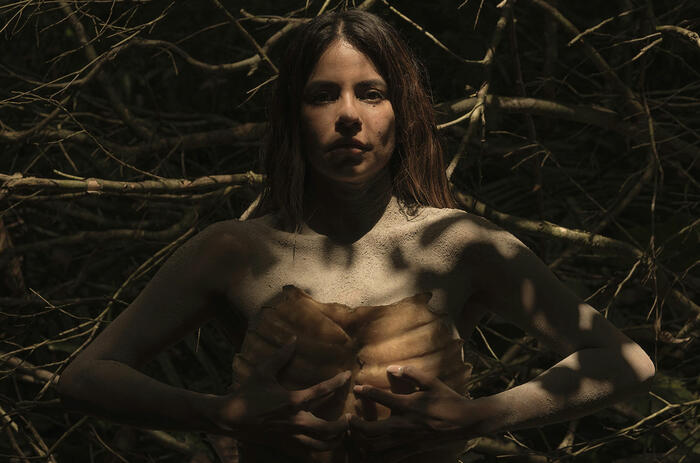
LINETT, ZEVALLOS VILLEGAS AND SARAVIA: LATIN AMERICAN PRESENCE IN VISIÓN Y PRESENCIA 2026
The three artists will bring their unique Latin American perspectives to reflect on the global themes addressed by the cycle: feminism, historical memory and power relations.
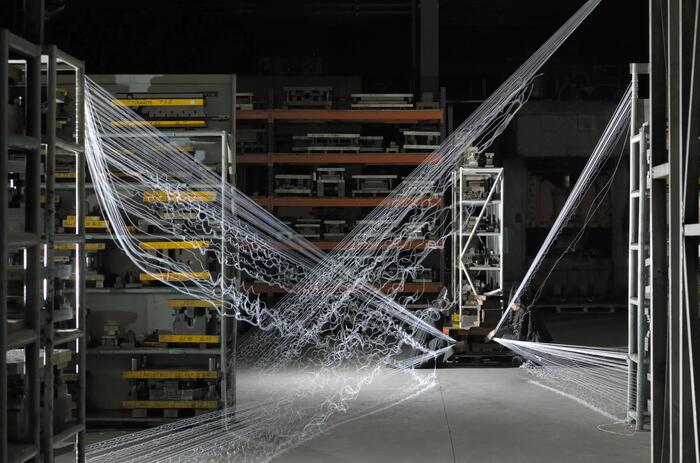
WEAVING THE INVISIBLE: MORENO AND ENRÍQUEZ IN DIALOGUE AT LA TERCERA NAVE
La Tercera Nave brings together the practices of Linarejos Moreno and Vanessa Enríquez in a dialogue centered on the material and symbolic remnants of memory. Through the concepts of textiles and weaving, both artists address fragmentation from industrial and technological perspectives.
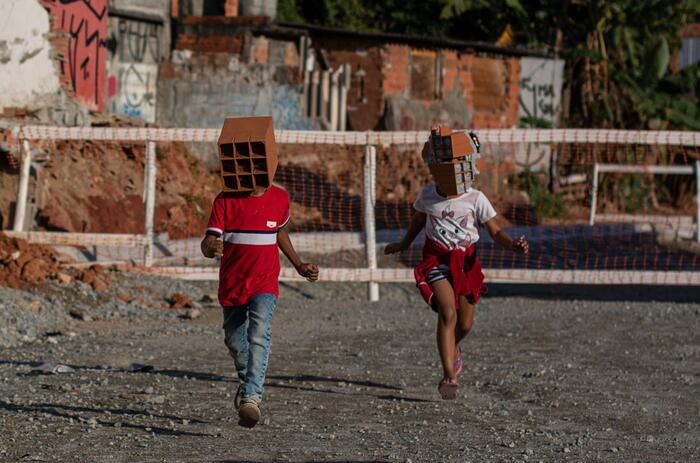
FROM MINUJÍN TO DE ANDRADE: A LUDIC INTERACTION WITH THE MNAD COLLECTION
Let’s Play. Juguemos en la colección, a BIENALSUR project, engages with the permanent collection of the Museo Nacional de Artes Decorativas through the conceptual lens of play, featuring the work of ten artists, mostly from Latin America, including Marta Minujín, Glenda León, and Silvia Rivas.
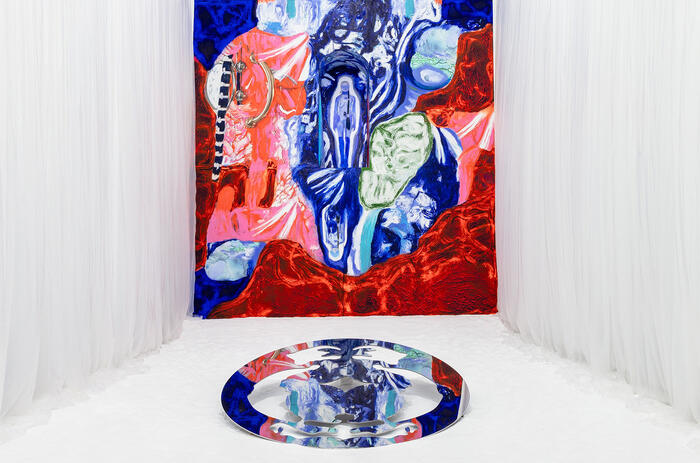
DONNA HUANCA INTERVENES IN THE CAAC WITH HER SENSORIAL LANGUAGE
The installation is constructed using the artist's usual practices, where sand, pigments, and translucent curtains come together with cosmology and contemporary languages.
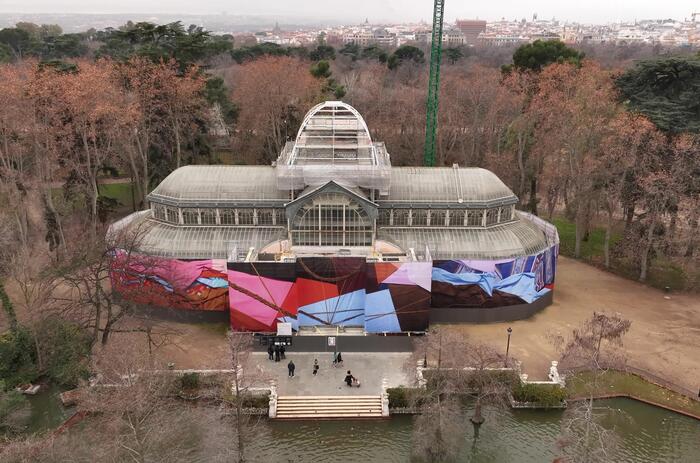
ANDREA CANEPA: THE PALACIO DE CRISTAL AS A SYMBOLIC BODY
Andrea Canepa intervenes in the Palacio de Cristal at the Museo Reina Sofía with Fardo, an installation consisting of a large tarp inspired by pre-Columbian funerary bundles that transforms the building into a symbolic body, inviting reflection on what is visible and displayed, as well as on preservation and transformation.
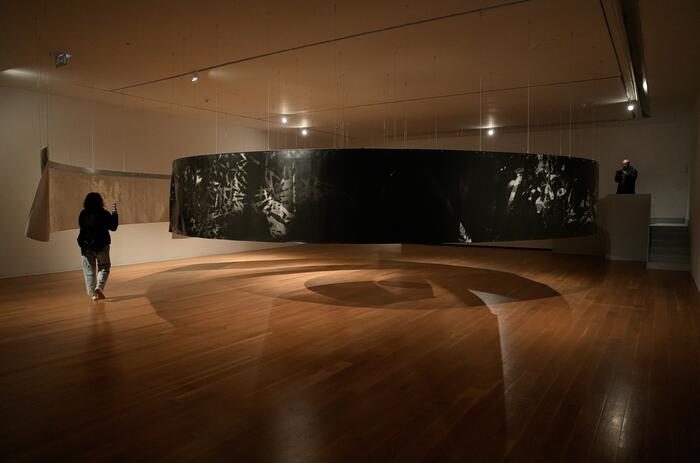
ROBERTO HUARCAYA’S PHOTOGRAMS AT MARCO VIGO
The exhibition brings together a decade of technical and poetic experimentation that transcends the traditional boundaries of photography and places visual experience at the center of reflection.
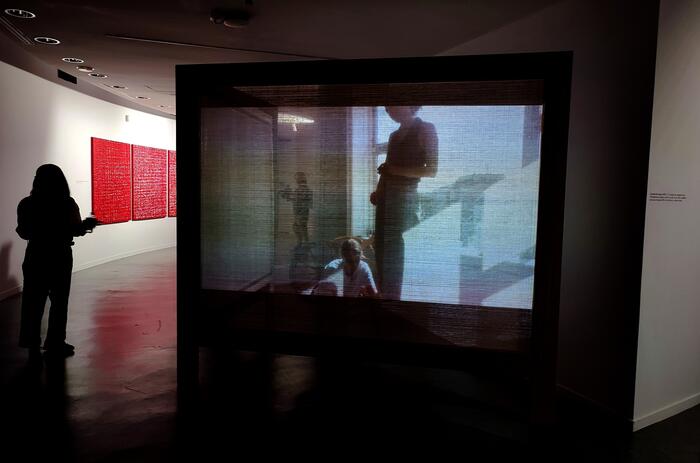
GINA ARIZPE AND THE INVISIBILIZED AT MEIAC
The exhibition traces different moments and formal strategies in her practice, marked by a critical reflection on violence, denial, and the tensions that permeate the female experience in contemporary society.
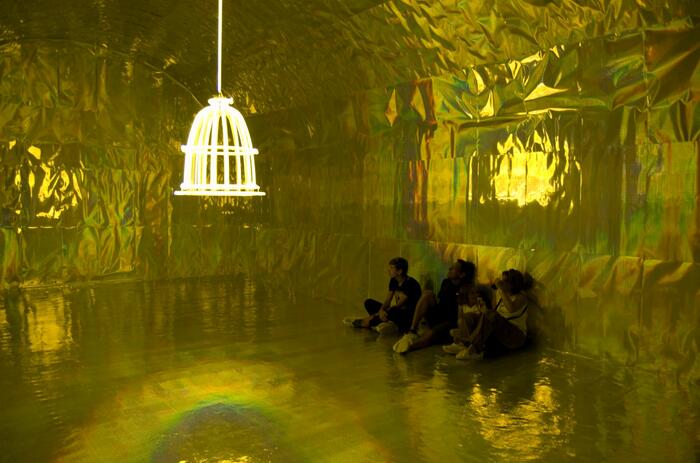
LATIN AMERICAN ARTISTS IN SPAIN: NEW NOTES FROM AN ONGOING RESEARCH
By Mónica Sotos
What are the successive diasporas of Latin American artists to Spain about, from the final years prior to the turn of the twenty-first century to the present? Article 2 of a series of 3.
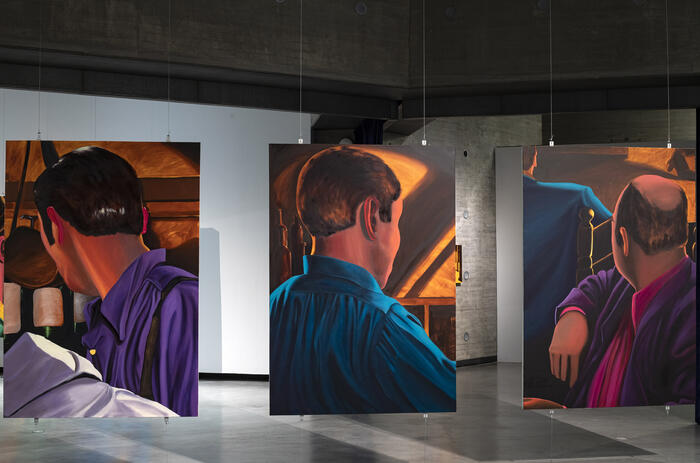
THE CINEMATIC GAZE OF ANA SEGOVIA AT C3A
The Centro de Creación Contemporánea de Andalucía (C3A) in Córdoba is presenting Me duelen los ojos de mirar sin verte, the first solo exhibition in Spain by Ana Segovia (Mexico City, Mexico, 1991), on view until January. Curated by Jimena Blázquez Abascal, the show features thirteen oil paintings on canvas and one work on wood, all created expressly for the occasion.
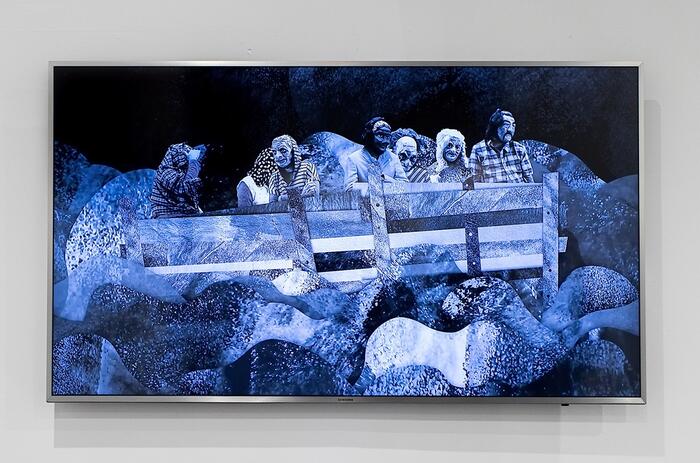
VIDEO COLLECTIONS FROM CA2M, MAC PANAMÁ AND BIENALSUR JOIN IN MÓSTOLES
Un visionado a tres voces (A three-voiced screening frames) is the conversation between three video art collections that draw from the languages and dynamics of different Southern contexts. The selections prepared for the occasion by the Centro de Arte Dos de Mayo Museum (CA2M Museum) in Móstoles —which hosts the initiative—, MAC Panamá and BIENALSUR, carried out through MUNTREF in Buenos Aires, also aim to establish synergies among the institutions.
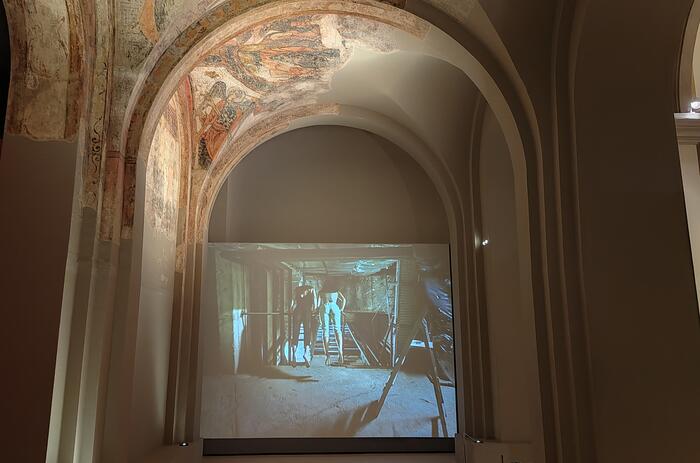
ANCAROLA’S ARCHITECTURAL REINTERPRETATION AT THE MNAC
The Force of the Display. Gae Archive is the title of the project by Nora Ancarola (Buenos Aires, Argentina, 1955) currently on view at the National Art Museum of Catalonia (MNAC).

GUGGENHEIM BILBAO RECLAIMS THE FIGURE OF VIEIRA DA SILVA
The Guggenheim Museum in Bilbao presents Anatomy of Space, an extensive exhibition dedicated to Maria Helena Vieira da Silva (Lisbon, Portugal, 1908 – Paris, France, 1992), which primarily encompasses her production from the 1930s through the 1980s. The exhibition is structured around two fundamental axes: architecture and the architectural landscape as compositional frameworks, and memory as the generator of the image.
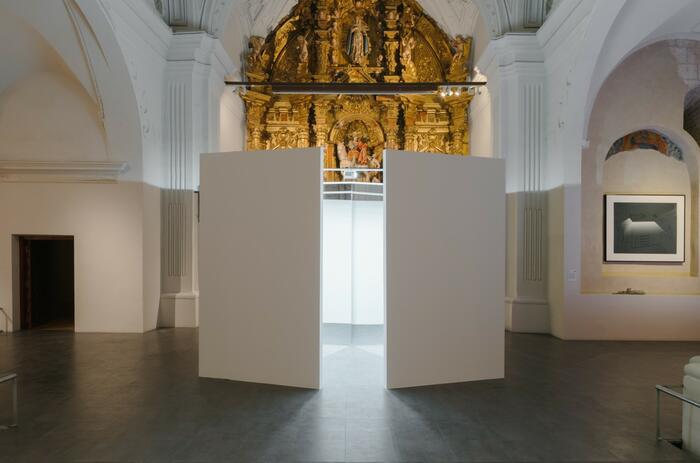
MARCELLE, BASUALDO, AND PRIETO INCLUDED IN CONCEPTUAL EXHIBITION AT COLLEGIUM
Collegium is hosting at its headquarters in the Castilian town of Arévalo the exhibition Jaque. Poder, tiempo e imagen en estado de juego (Check. Power, Time, and Image in a State of Play), a conceptual show that stems from the relationship between chess and the Torre de los Ajedreces, part of the Romanesque-Mudejar style Church of San Martín, which currently serves as the institution’s main headquarters. The building, dating from the 11th and 12th centuries, features an unusual brick frieze in a checkerboard pattern that evokes the chessboard and the strategic dimension of the game.
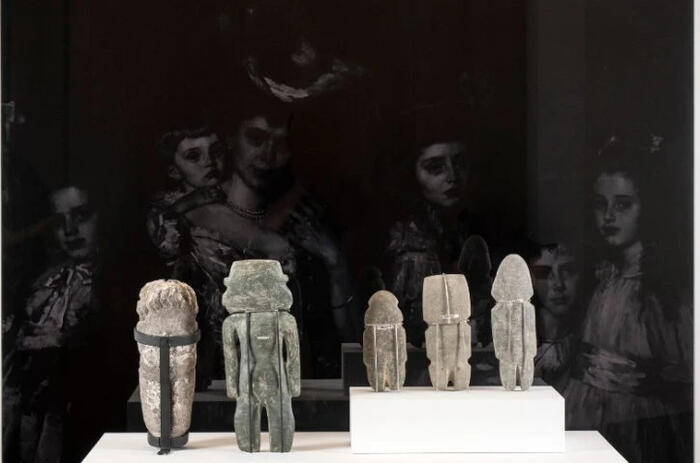
THE LATEST EVOLUTION OF BLACK MIRROR / ESPEJO NEGRO BY LASCH, AT CASA DE MÉXICO
The Fundación Casa de México in Spain hosts Re/Generación, a new installation from the Black Mirror / Espejo Negro series produced by Pedro Lasch (Mexico City, Mexico, 1975) and curated by the National Institute of Anthropology and History of Mexico (INAH). Originating from an initiative originally produced by the Nasher Museum of Art in Durham, North Carolina, in 2007, the series has been transformed through various techniques, evolving its language toward a narrative that makes it impossible to separate past and present, as well as spectator and proposal.

THE SUBTLETY OF SANDRA CINTO, AT ES BALUARD
Es Baluard in Palma de Mallorca presents Preludio para el sol y las estrellas (Prelude for the Sun and the Stars), a project by Sandra Cinto (Santo André, Brazil, 1968) that transforms the museum space into a realm suspended between perception, time, and matter. The result envelops visitors in an expanded landscape that invites reflection through stillness and contemplation, where the sensory and the act of pausing become central to the experience.

LATIN AMERICAN ARTISTS IN SPAIN: NOTES FROM A RESEARCH PROJECT
By Mónica Sotos
What are the successive diasporas of Latin American artists to Spain from the final years before the beginning of the 21st century to the present about? Article 1 of a 3-part series.
CONDEDUQUE CONNECTS ITS ARTS PROGRAMMING WITH LATIN AMERICA
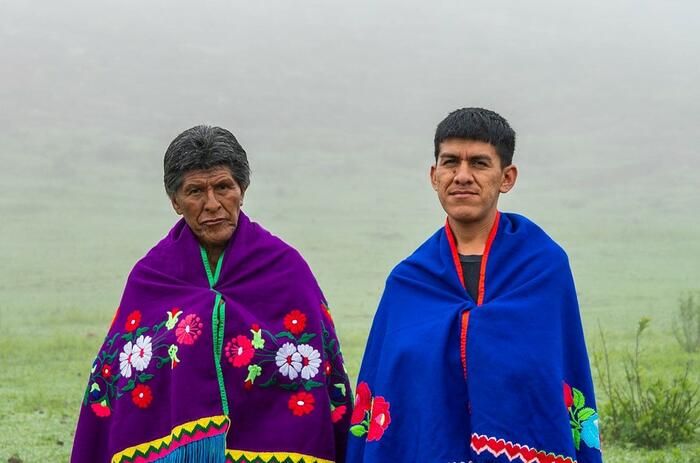
Condeduque, one of Madrid’s leading cultural centers, has unveiled its seasonal program, which establishes a strong connection with Latin American art and thought. The municipal institution, which recently appointed the Mexican writer Jorge Volpi to oversee the center’s cultural direction, has also redesigned its proposals into seven areas of activity, reinforcing connections between the various performing arts and exhibition spaces.
REFLECTION ON THE RESIDUAL IN AGUIRRE AND DELPIN IN MADRID
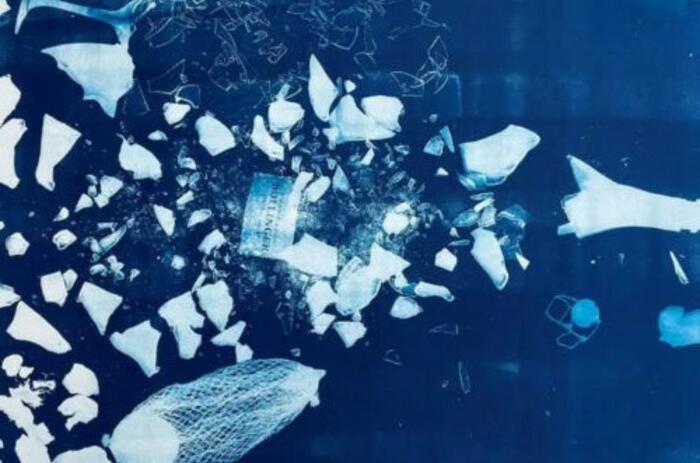
Inventory of Fragile Materials is the title of the exhibition by Rocío Aguirre (Concepción, Chile, 1989) and Camilo Delpin (Concepción, Chile, 1989), presented at Spolia Haus until mid-month. Organized in collaboration with the Chilean Embassy in Spain, the Chile-Spain Foundation, and PHotoESPAÑA, the exhibition brings together two projects that, while distinct in their visual idioms, converge conceptually in their shared investigation of the residual.