
Journalist and writer. Her background—and ongoing professional development—focuses on finding new ways to narrate artistic practices in the region. She has been a contributor to Arte al Día since 2022.
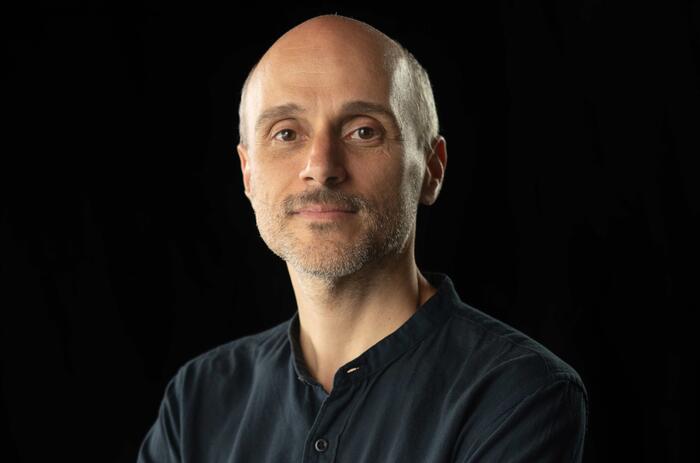
THYAGO NOGUEIRA: “INSTITUTIONS EXIST FOR ARTISTS”
Brazilian curator Thyago Nogueira, who heads Contemporary Art and Photography at Instituto Moreira Salles (IMS), reflects on the role of institutions, photography’s multiple dimensions, and the need to build new connections between the art scenes of Brazil and Argentina, ahead of his upcoming visit to Pinta BAphoto.
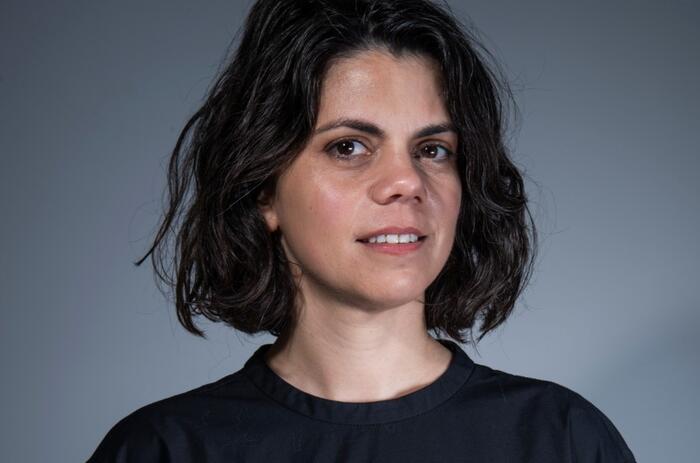
MERCEDES CLAUS AND PHOTOGRAPHY’S “POROUS NATURE”
Whether it is from the archive to the gallery or spanning between research and curatorial practice, Mercedes Claus explores the different spaces that outline Argentina’s photographic scene. This is an interview about the circulation, legitimization, and interpretation of images, in light of her work as curator of RADAR at the upcoming edition of Pinta BAphoto.
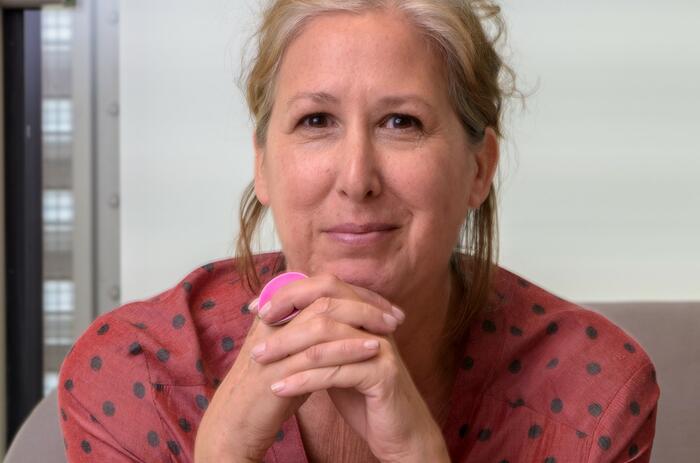
EVE SCHILLO ON PHOTOPGRAPHY BEYOND PHOTOGRAPHY
Eve Schillo is an Associate Curator in the Wallis Annenberg Department of Photography at LACMA (Los Angeles County Museum of Art). During her upcoming visit to Buenos Aires, Argentina, for Pinta BAphoto 2026, she shares an organic and systemic perspective on photography, one that does not need to remain within its own boundaries.
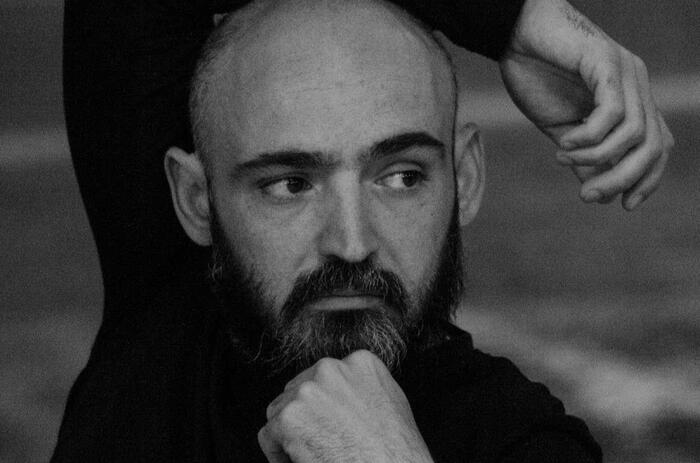
MARTÍN BOLLATI AND THE NOTION OF AUTHORSHIP IN PUBLISHING, CURATING, AND PHOTOGRAPHY
Artist, editor, workshop leader, and gallery owner. Depending on which “hat” he wears, Martín Bollati occupies different positions within the field of image-making (and thinking). He founded ATLAS, a bookstore and gallery specializing in photography, images, design, and architecture, as well as publisher SED Editorial.
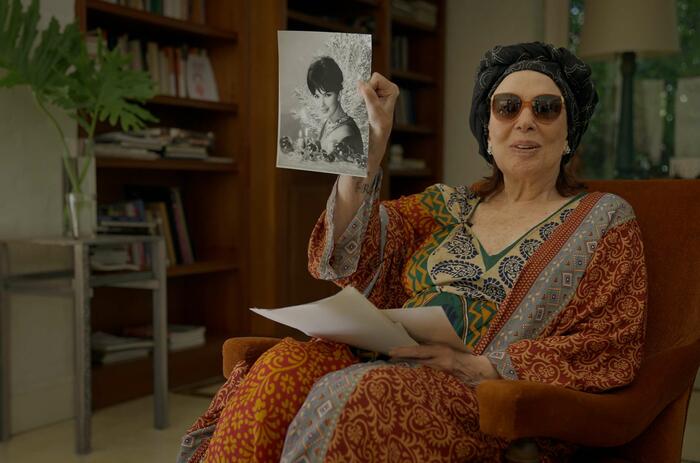
ON "ANNEMARIE," THE DOCUMENTARY ABOUT PHOTOGRAPHER ANNEMARIE HEINRICH
Presented at Argentine film festival BAFICI and soon to premiere at MALBA in Buenos Aires, Annemarie is the documentary about photographer Annemarie Heinrich, directed by her great-granddaughter, Mariana Sanguinetti. Heinrich's work, which has appeared in several editions of Pinta BAphoto, will also be on view this 2026 with the fair celebrating 200 years of photography.
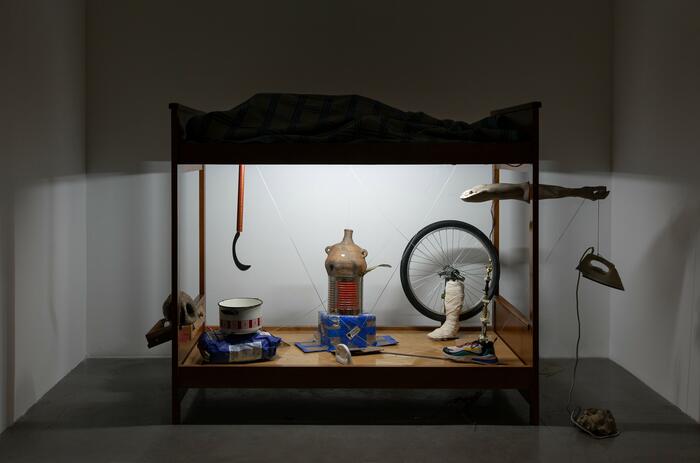
TWO WAYS OF APPROACHING DREAMS AT RUTH BENZACAR GALLERY
With a characteristic exercise of Ruth Benzacar's exhibition program, intergenerational dialogue is established between Roberto Aizenberg's works in "La flor de la distancia" (The flower of distance) and Andrés Piña's "El alma volvió preñada de materia" (The soul returned pregnant with matter).
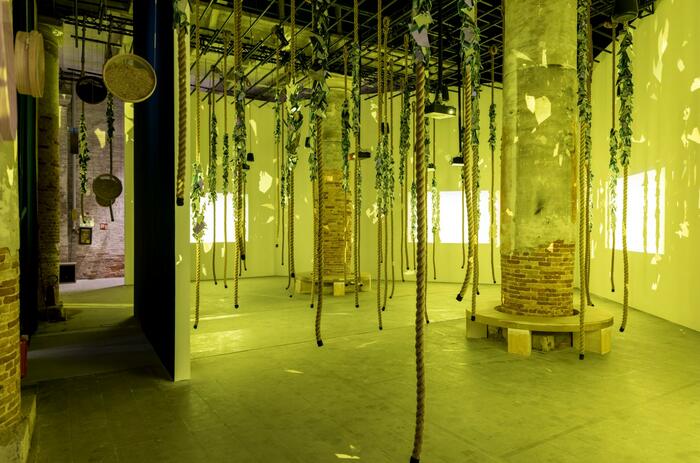
INSISTING GHOSTS THAT REMAIN IN THIS VENICE BIENNALE'S EDITION
From the ghosts of cyberspace to the Orixás, the Venice Biennale builds correspondences between visible and invisible worlds.
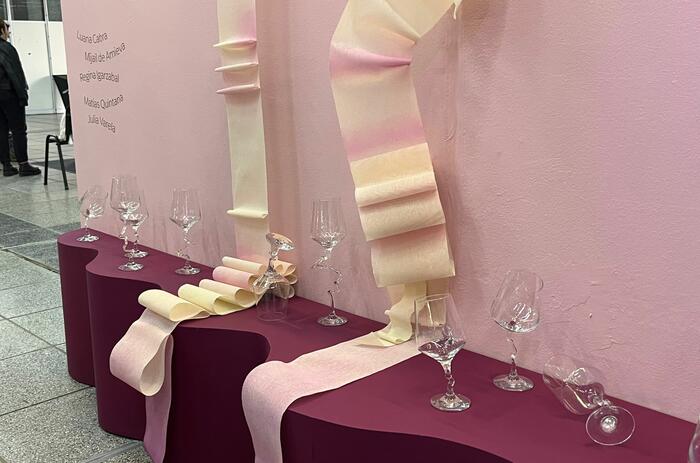
COLORS AND TEXTURES AT PLATEADA, LA PLATA’S ARGENTINE ART FAIR
With a work by Lido Iacopetti presented by Aldo de Sousa at the beginning of the fair, as a La Plata's city grail, as Facundo Belén—artistic director of Plateada alongside Virginia Martin—described it, the fair presents its 2026 edition in the main hall of the Teatro Argentino, in La Plata, Argentina.
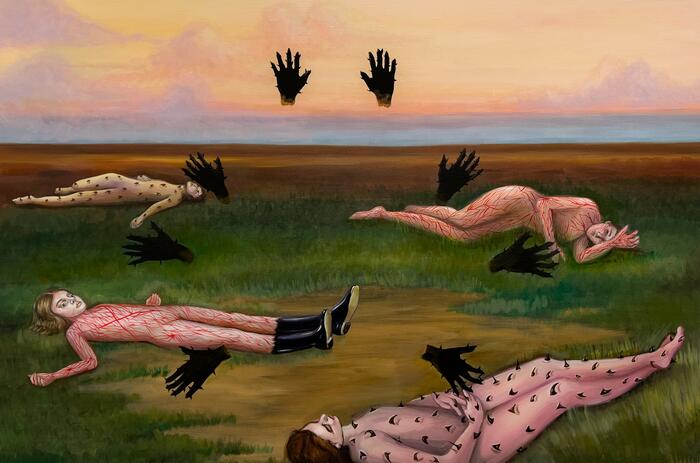
ESTRANGEMENT AND ANTICIPATION: ORNELLA POCETTI AND IVANA DE VIVANCO AT MACBA
The Museo de Arte Contemporáneo de Buenos Aires (MACBA) presented the work of two women artists. In ¿Cómo suenan las lágrimas antes de secarse? (What Do Tears Sound Like Before They Dry?), Ivana de Vivanco builds a warning. Snakes, with their capacity to sense catastrophe. In Curada de espanto (Cured of Fright), Ornella Pocetti brings together scenes that hold a story that never fully reveals itself. Both artists hold the abyss steady through anticipation and the suspicion of an estrangement. All you have to do is pay attention.
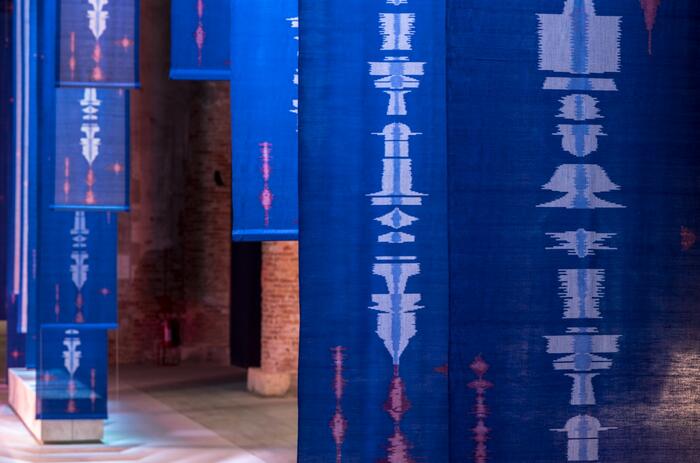
IN MINOR KEYS: WHAT WE SAW AT THE VENICE BIENNALE
An overhead summer sun, harsh and multiplied by the closeness of the water, beat down on us in the streets, bridges and canals of Venice caught in a heat wave. We were looking for shelter, and then darkness. And then, a panel, an immersive installation by Khaled Sabsabi that glowed in the middle of the entrance to the exhibition. Colors, slow movements, spectral sounds. Can we also imagine, perhaps, certain scents? This is the solemn entrance to the Arsenale in the 2026 edition of the Venice Biennale exhibition.
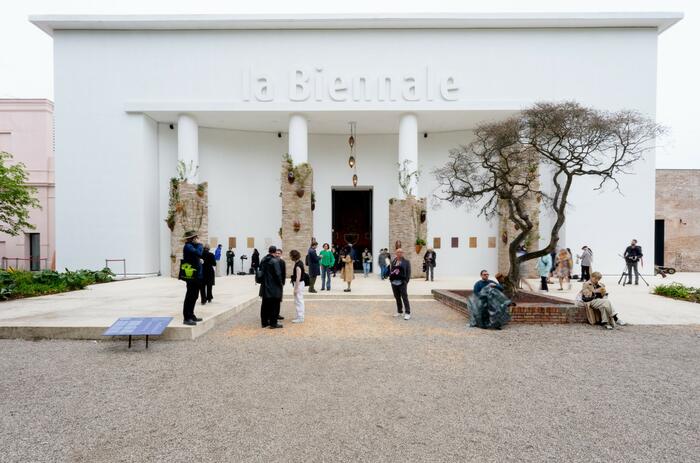
THE VENICE BIENNALE IN AN EDITION MARKED BY POLITICAL GAMES
The Venice Art Biennale is approaching the inauguration of its 61st edition amid resignations, protests, and controversies. Never indifferent to its time, its launch also converges within an intense context of wars, genocides, and geopolitical crises. From Arte al Día, we ask ourselves: how can we trace the relationships between politics and art?
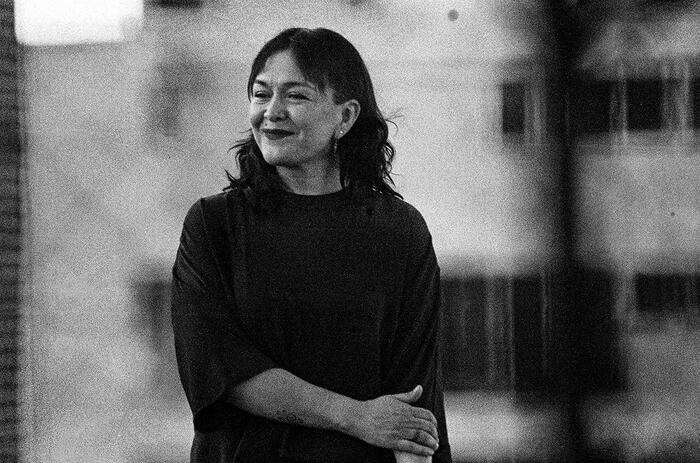
A CONVERSATION AROUND POLITICS, AFFECTION AND LISTENING WITH SOL HENARO
Director of the Museo Universitario del Chopo, Sol Henaro reflects on her role, the tensions within the institution, and the construction of communities from a curatorial perspective.
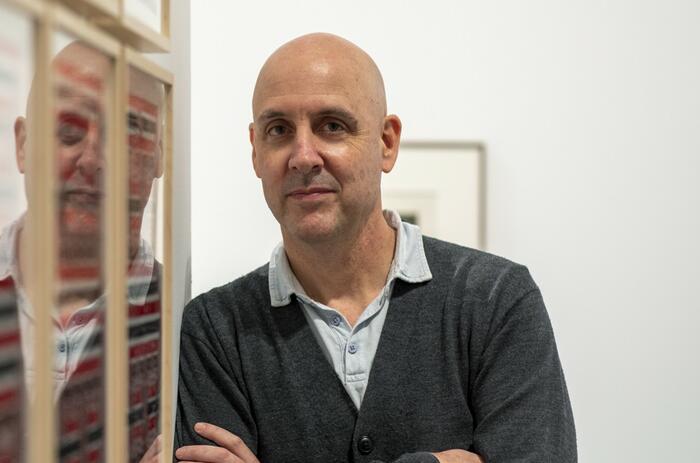
PATRICK CHARPENEL: “CULTURALLY SPECIFIC INSTITUTIONS ARE BREAKING AN INCREASINGLY HOMOGENEOUS PATTERN”
What is a Culturally Specific Institution? Director of El Museo del Barrio for over eight years, Patrick Charpenel reflects on the role of museums in the United States, the visibility of Latinx communities, and the challenges of thinking about art beyond fixed categories and market logics.
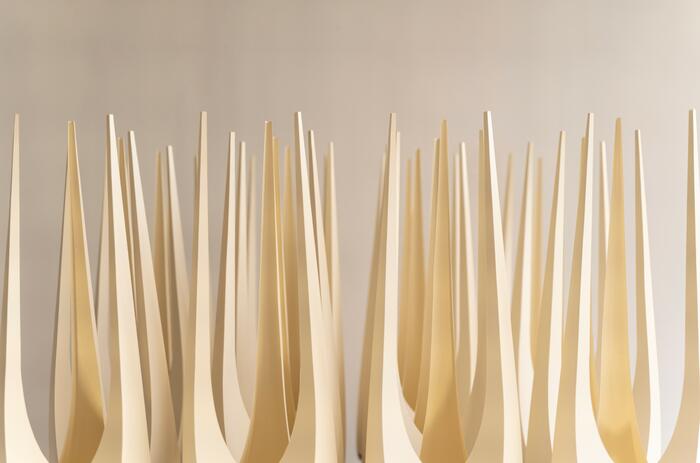
DON NADIE: THE LATIN AMERICAN PROJECT AT MILANO DESIGN ART WEEK
The Ecuador-based design studio DON NADIE presents the project 1 m² / 1 second at the Fuorisalone of Milano Design Week 2026. The paper-sculptured native plants seek to translate deforestation into a tangible experience.
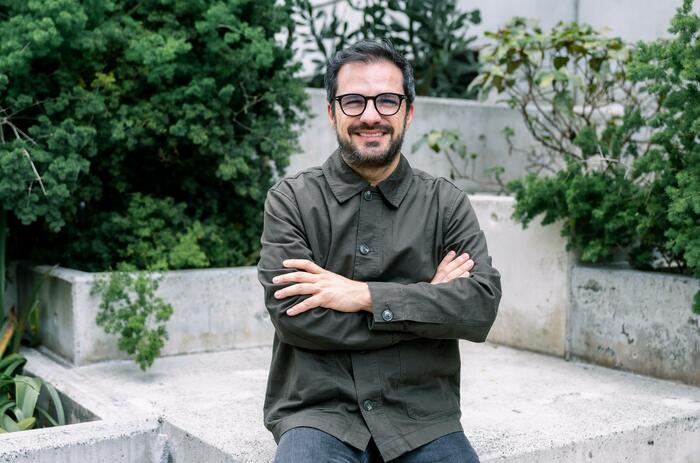
RAFAEL TAMAYO AND THE MUSEUM AS A PLACE OF ENCOUNTER
With a background shaped by humanities and a trajectory in cultural practice, Rafael Tamayo promotes a model of the museum that is conceived in relation to its social context. Director of the Museum of Modern Art of Medellín, he will take part in the FORO of Pinta Panamá, where he will engage in discussions on how institutions construct narratives, community, and debate in the region.
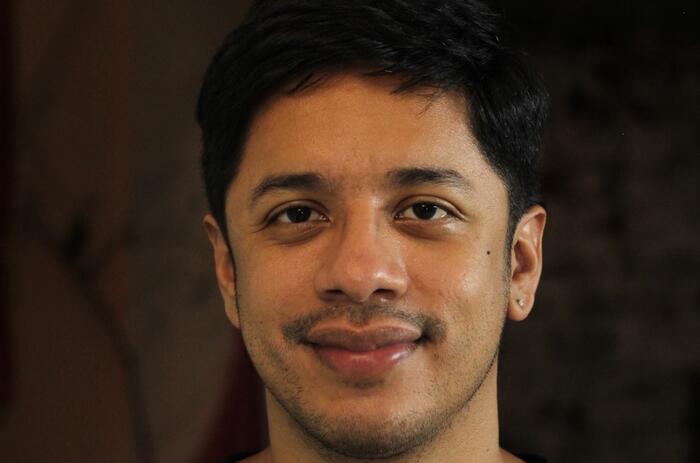
PATRICIO MAJANO: “ART CAN HELP US UNDERSTAND THE PAST, PRESENT AND FUTURE”
The Salvadoran curator reflects on the relationship between art, memory, and politics, and on how his work at Y.ES Contemporary seeks to generate opportunities for local artists while building networks with the international scene. He will be participating in the 2026 edition of Pinta Panamá in the FORO talk.
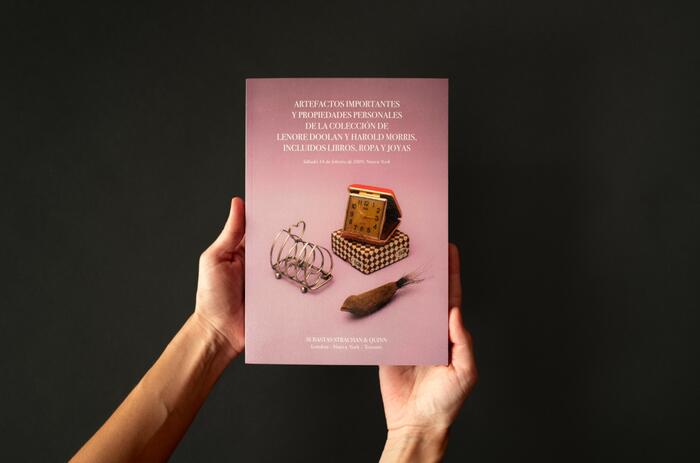
THREE PINK ART BOOKS RELEASED IN 2025
Antena by Silvia Gurfein, Huir del mundo by Rosa Chancho, and Important Artifacts by Leanne Shapton are three art books published in Spanish during 2025. All three have pink covers. But contrary to the saying, it’s not all roses in these books. Or perhaps it is, but not in an obvious way: they narrate and engage with art through themes of isolation, fragmentation, rupture, and imagination.
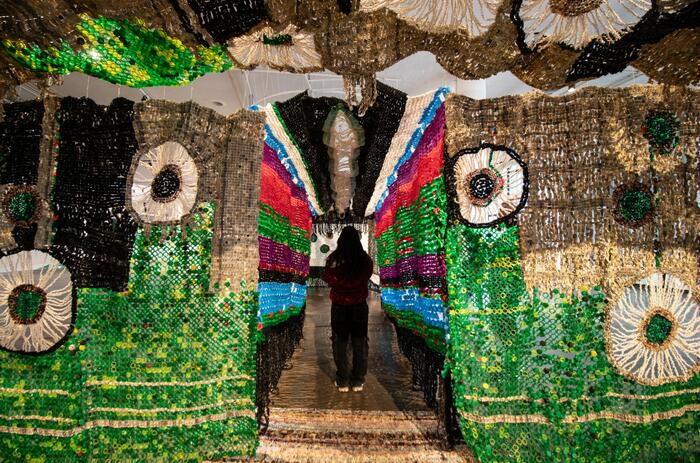
FOUR WORKS BY FOUR ARTISTS AT THE SÃO PAULO BIENNIAL
It is not easy to compose a path through monumental works inside a monumental space. At the 36th São Paulo Biennial, the artists invited by Bonaventure de Soh Bejen Ndikung and his team, present large-scale works whose textures and forms sometimes speak to each other linearly, and other times through oblique movements.

ISABELLA LENZI AND CURATORSHIP AS A CHORAL SPACE
Isabella Lenzi (São Paulo, 1986) is a curator trained in architecture, museology, and art history. She lives in Madrid, where she works as Visual Arts Curator at the Círculo de Bellas Artes and as Artistic Director and Chief Curator of the Fundación Alberto Cruz, following a trajectory that includes institutions such as the Museo Reina Sofía, Fundación Mapfre, Videobrasil, the Cuenca Biennial, and the Whitechapel Gallery.
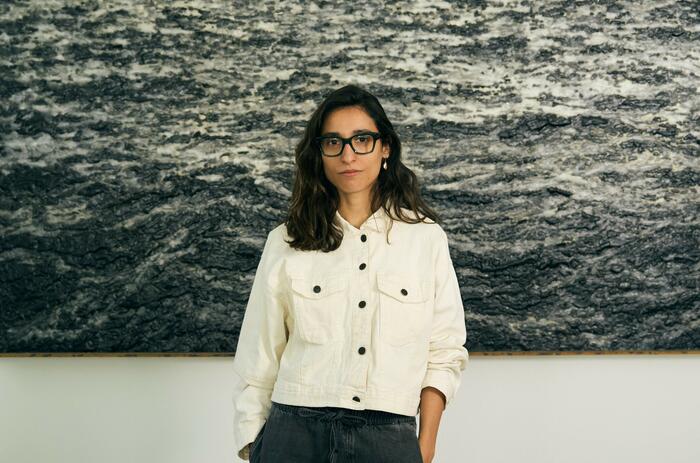
IRENE GELFMAN: BETWEEN SCENES, ARCHIVES, AND TERRITORIES
To tell, narrate, or curate always implies a perspective. From where one speaks, to whom one speaks, and which points of support are chosen when conceiving an exhibition—when designing a story. Irene Gelfman is an Argentine curator, art critic, and cultural manager. She trained as an art historian and curator. Today, she is the global curator of Pinta.
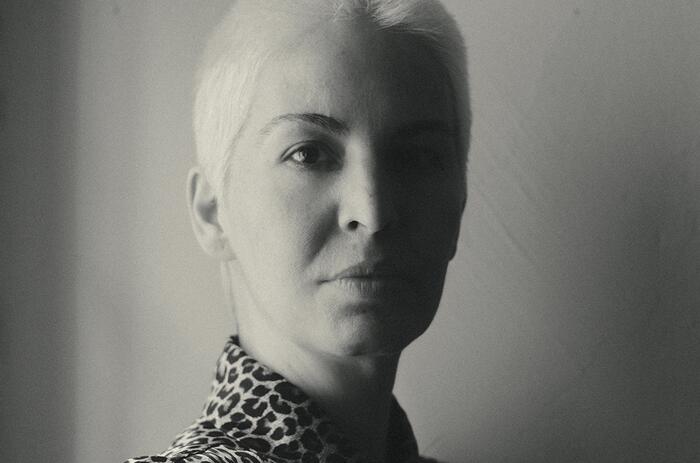
GUAD CRECHE: ON THE PERFORMATIVE GESTURE OF PHOTOGRAPHY
Through the exploration of the intersections between image, body, and discourse, Guad Creche (Salta, Argentina, 1985) positions their curatorial gaze on the performative potential of photography.
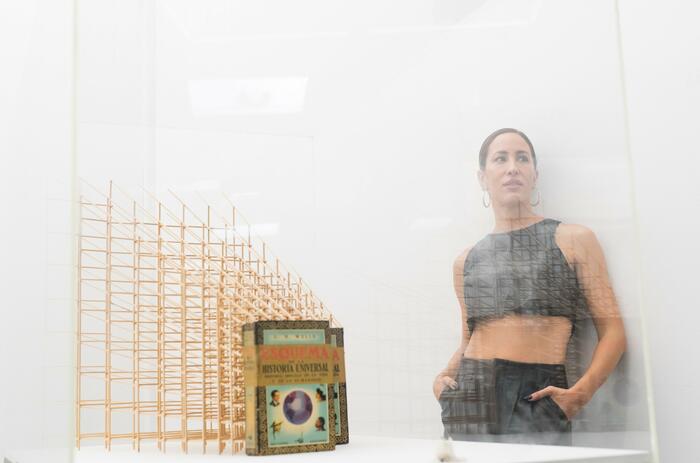
SOL ECHEVARRÍA + ESPACIO FAN: A CROSSROADS FOR TEXTS, BOOKS, ART AND IMAGES
Editor and curator, Sol Echevarría created Espacio FAN as a meeting ground between the editorial and the visual. There, books become a territory for experimentation, and artworks become ways of reading. A project that champions collaboration, critical thinking, and cultural resistance in times of retreat.
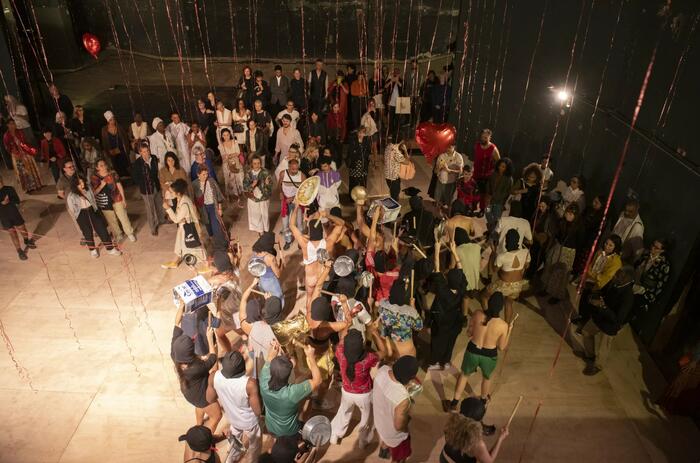
“BATUCADA,” MARCELO EVELIN’S PERFORMANCE: A STORY
In Casa do Povo's basement, Marcelo Evelin’s performance unleashes a ritual of bodies, rhythms, and nudity that allows no anticipation. An experience that demands looking, breathing, and moving through the present without guide or return.
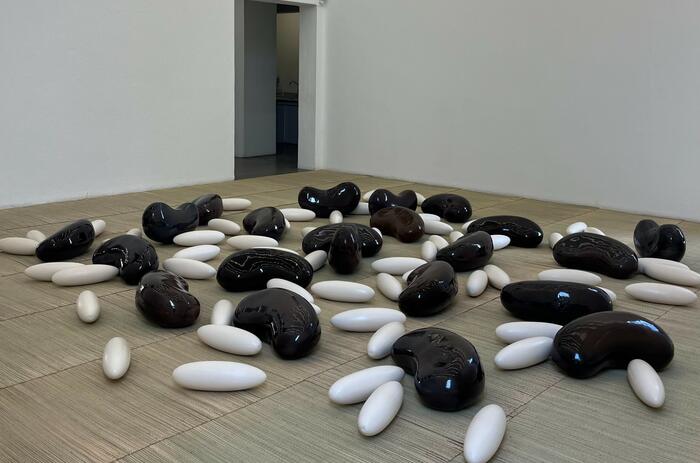
SÃO PAULO: A JOURNEY THROUGH GALLERIES, STUDIOS, AND RESIDENCIES
Like any big city, in São Paulo everything happens at once: galleries, residencies, studios, and exhibitions weave together in an electric network that nurtures local artists and connects them with global circuits. The city works like a node: intense, vibrant, inexhaustible.

