
A renowned expert in the art market with more than thirty years of international experience. She began her professional career at the Museu d’Art de Catalunya and the Louvre in Paris, and later moved to London to work at the auction house Sotheby’s.
She currently resides in the United States and is an adjunct professor at the Sotheby’s Institute of Art in New York, where she teaches courses on international markets and auctions.
In addition to teaching and research, she continues to work as a consultant for clients and participates as a speaker worldwide. She has given lectures on market trends at Georgetown University (Washington, D.C.), Tsinghua University (Beijing), and CENTRO (Mexico City), among other institutions.
She is a regular contributor to Il Giornale dell’Arte and Arte al Día, a member of The International Art Market Studies, and is involved in art-related charitable organizations.
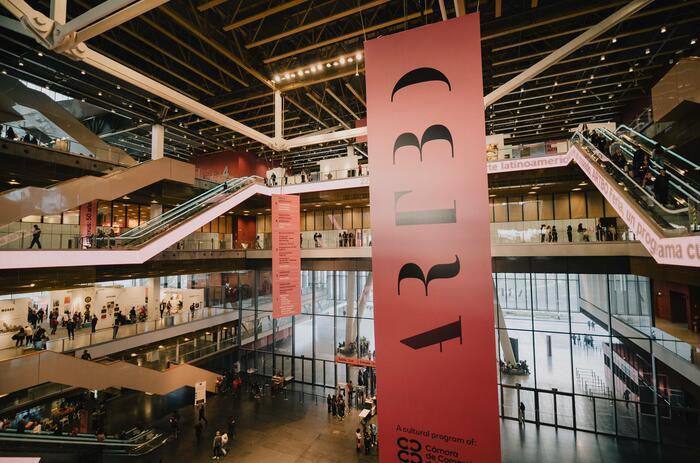
ARTBO: MUCH MORE THAN AN ART FAIR
Some art fairs are defined primarily by their galleries, while others also seek to explain the cultural context in which they take place. ARTBO clearly belongs to the second category. Created in 2004 by the Bogotá Chamber of Commerce, it was conceived with an ambition that goes beyond organizing an art fair: to support the development of the art market, contribute to the city’s cultural ecosystem, and connect the Colombian and Latin American art scene with the international art world.
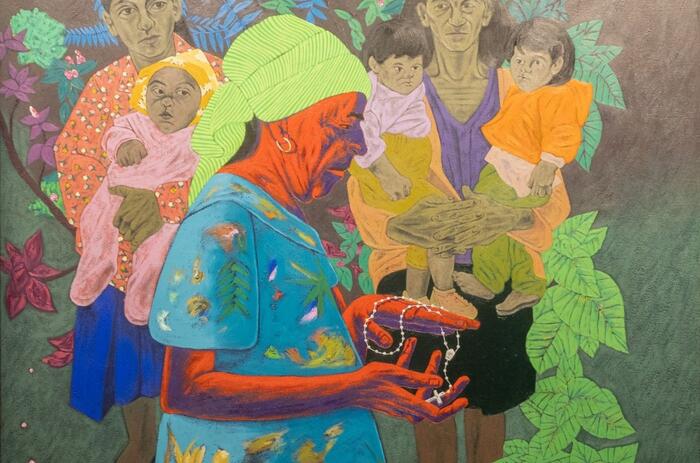
WHEN ART EXPANDS THE MEANING OF DEVELOPMENT: THE INTER-AMERICAN DEVELOPMENT BANK COLLECTION
When discussing the growing international recognition of Latin American and Caribbean art, attention often turns to museums, galleries, art fairs, and collectors. Yet some of the earliest and most sustained initiatives emerged outside the traditional art world. This is the case of the art collection of the Inter-American Development Bank (IDB), which, with a history spanning nearly seven decades, today brings together close to 1,800 works from Latin America and the Caribbean.
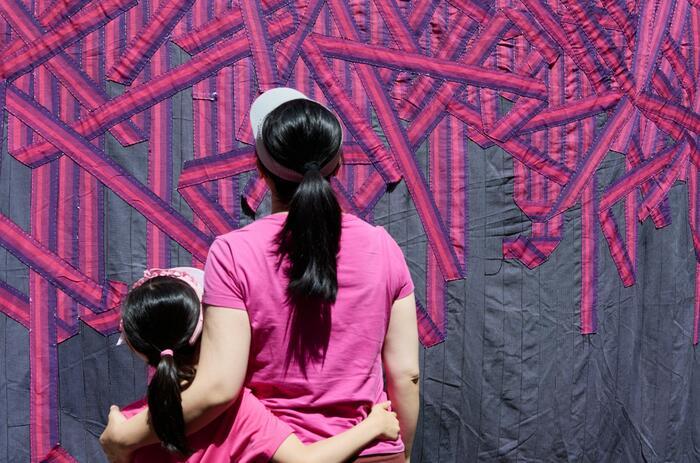
ART BASEL 2026: THE PULSE OF A SELECTIVE MARKET
Art Basel in Basel remains the centerpiece of one of the most intense weeks in the international art calendar. While dozens of exhibitions, events, and satellite fairs take place across the city, the fair itself continues to set the tone for the market and offers a valuable opportunity to gauge both collector sentiment and broader trends in contemporary art.
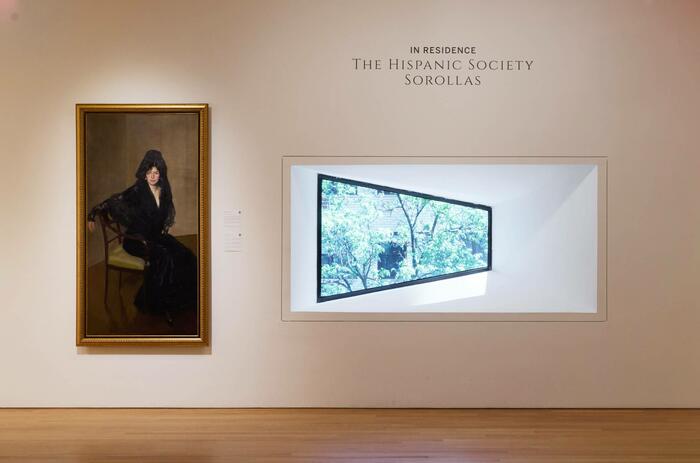
BRINGING SOROLLA TO MADISON AVENUE: THE HISPANIC SOCIETY AND SOTHEBY’S
Three paintings by Joaquín Sorolla from the Hispanic Society Museum & Library have travelled south from Washington Heights to Madison Avenue. Installed this spring at Sotheby’s New York headquarters, they are part of a small exhibition with a broader significance: the launch of a new initiative that reflects the increasingly fluid relationship between museums and market institutions.
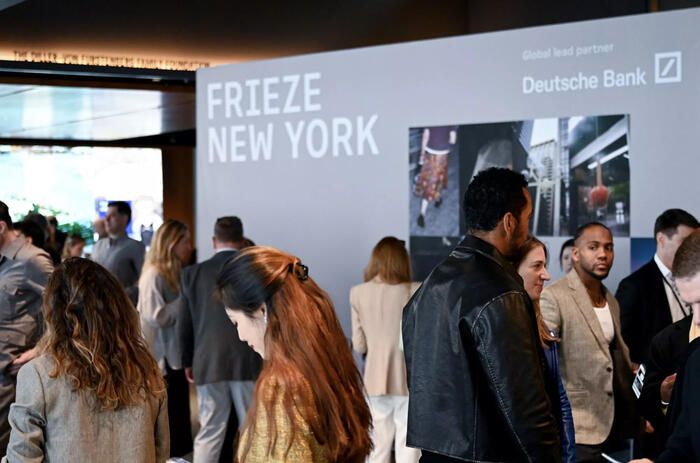
THE ART MARKET REGAINS MOMENTUM IN NEW YORK
New York Art Week 2026 appears to confirm something the market has been cautiously anticipating for months: the upper end of the art market has decisively returned, while the middle market continues to recover more selectively. Across fairs and auctions alike, buyers showed strong appetite for established artists, fresh-to-market works, and collections with exceptional provenance.
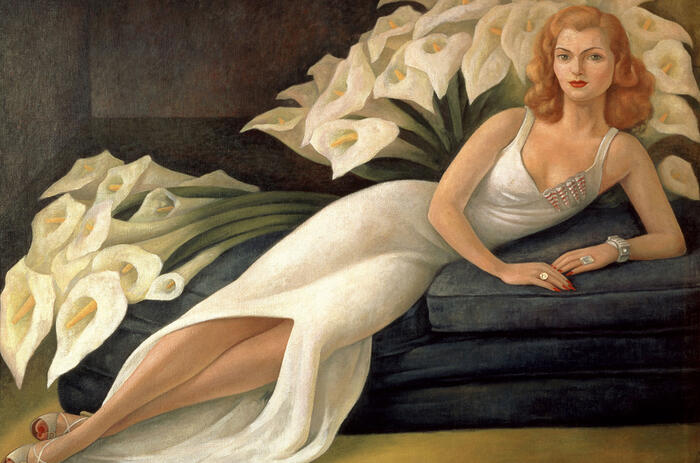
THE GELMAN COLLECTION: BETWEEN NATIONAL HERITAGE AND FINANCIAL ASSET
The current controversy highlights the difficult coexistence between the collection’s private ownership and the heritage protection that covers part of its works.
THE ART MARKET IN FIVE POINTS: SALARIES
Prestige at a Discount: Salaries and Careers in the Art World
THE ART MARKET IN FIVE POINTS: HONG KONG
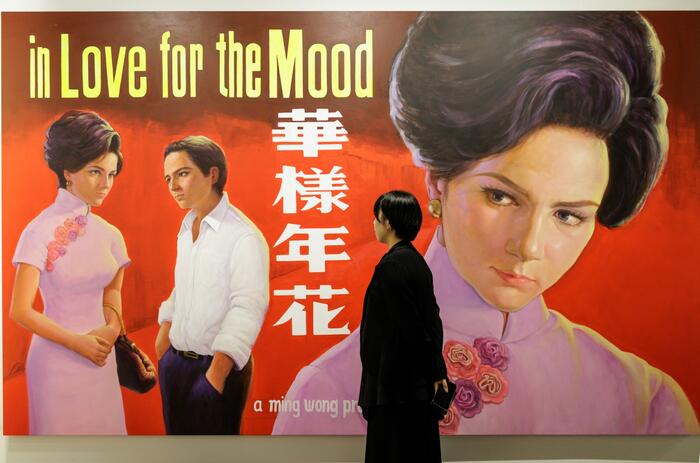
Hong Kong Sales Week: A Stabilizing Market with Strong Regional Demand
IS THE ART MARKET FINALLY RECOVERING?
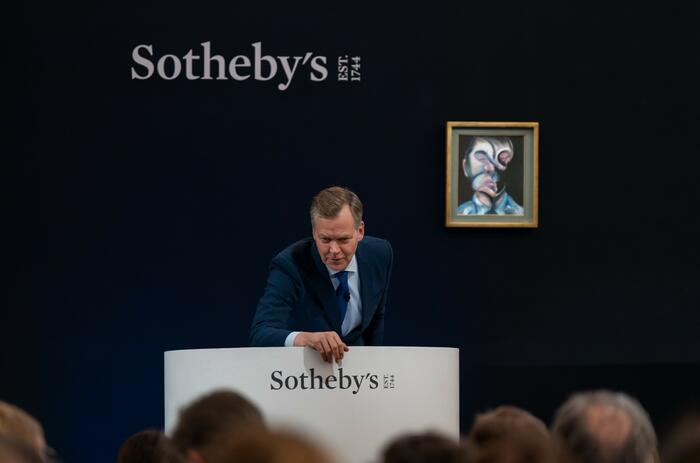
The art maket stabilizes, but the recovery remains uneven.
SPAIN’S 21% VAT ON ART IS PUTTING GALLERIES AT A COMPETITIVE DISADVANTAGE
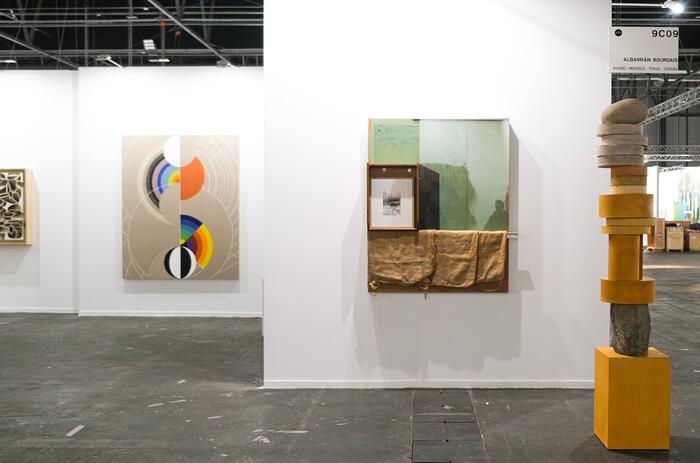
Spain applies a 21% VAT to gallery sales of artworks, a rate in place since 2012. In contrast, other cultural sectors benefit from reduced rates: cinema, theatre and concerts are taxed at 10%, and books at 4%. Contemporary art galleries, however, remain subject to the general rate.
ART BASEL QATAR AND THE MAKING OF A MARKET
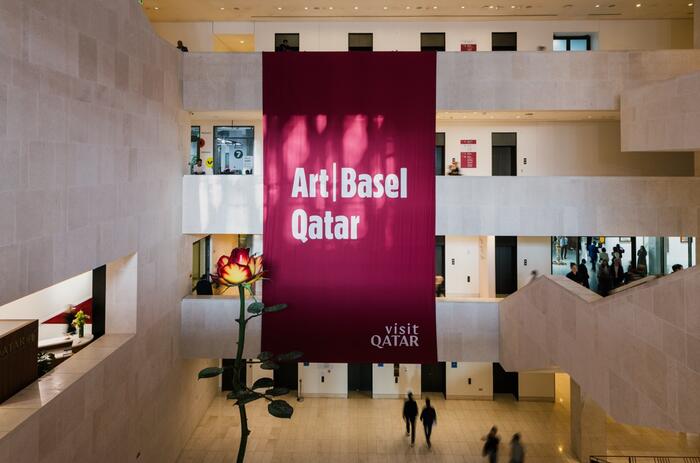
Qatar’s cultural strategy has never been improvised. For more than two decades, under the leadership of Sheikha Al Mayassa bint Hamad bin Khalifa Al Thani, Qatar Museums has advanced a carefully sequenced expansion that positions culture at the center of national development.
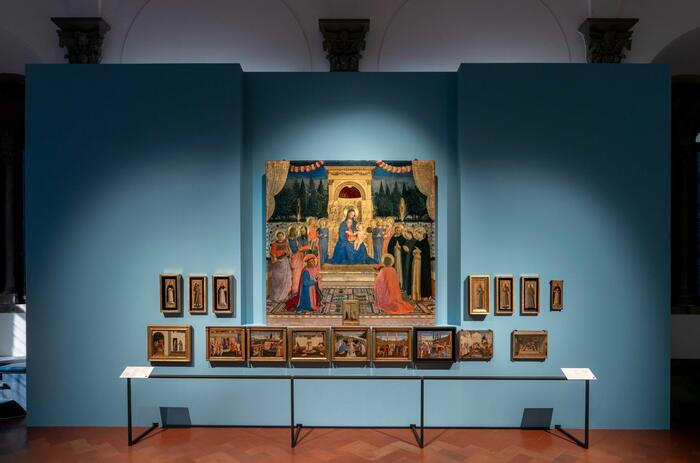
WHEN A RENAISSANCE PAINTER OUTDRAWS CONTEMPORARY ART
The current exhibition devoted to Beato Angelico at Palazzo Strozzi is not only an art-historical event but also a revealing case study in how audiences engage with art today. It is the first major exhibition dedicated to the artist in more than seventy years (last time was in 1955) , and its success goes well beyond scholarly importance.
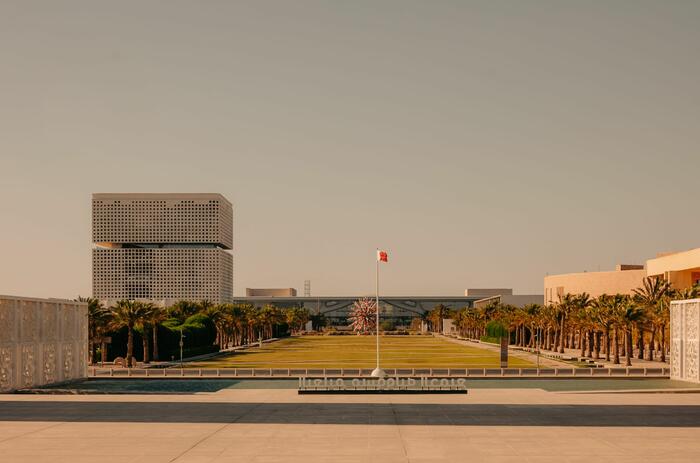
2025 AND THE ART MARKET: SIGNS OF STABILIZATION, NOT YET RECOVERY
As 2025 draws to a close, the long-anticipated recovery of the global art market has not yet truly taken shape. The cautious optimism that marked the end of 2024 quickly gave way to a more sobering reality.

HISTORIC RECORD — $54 MILLION: FRIDA KAHLO ACHIEVES THE HIGHEST PRICE EVER FOR A FEMALE ARTIST AND FOR LATIN AMERICAN MODERN ART
Frida Kahlo has entered a new chapter of global recognition. The sale of El sueño (La cama) for $54.66 million at Sotheby’s marks the highest price ever achieved by a woman artist at auction and the strongest result for any modern Latin American artist.

TARIFFS AT THE BORDER: WHEN ART MEETS TRADE POLICY
How new U.S. trade policies are reshaping the movement of art and design, blurring the line between cultural object and commercial good.
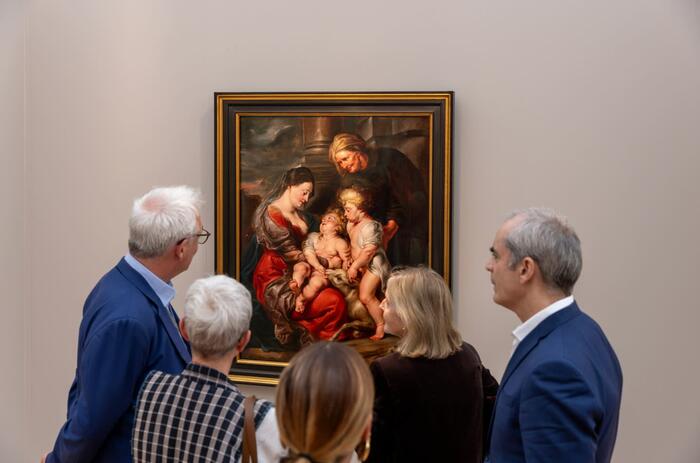
IN UNCERTAIN TIMES, COLLECTORS TURN BACK TO THE CLASSICS
Signs of caution in a market seeking stability.
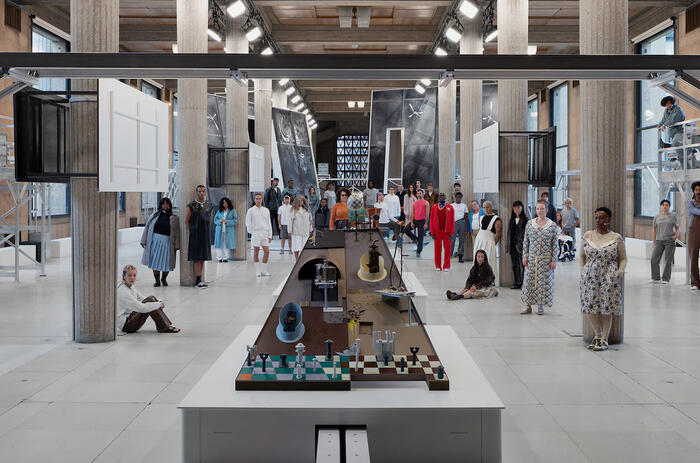
PARIS, CAPITAL OF ART AND FASHION: MIU MIU AND HELEN MARTEN’S 30 BLIZZARDS AT ART BASEL
In a city where art and fashion have long shared the same stage, one of the most talked-about encounters during Art Basel Paris week was 30 Blizzards, a performative project by British artist Helen Marten, presented by Miu Miu at the Palais d’Iéna. The preview gathered an international mix of collectors, curators, and fashion figures, confirming how naturally these worlds now intersect.

FAIR EXPANSION AND BRANDING: FROM LOCAL EVENTS TO GLOBAL POWERHOUSES
By Maria Sancho-Arroyo
Over the past two decades, the global art fair landscape has undergone a radical transformation. What was once a relatively contained circuit of regional events has exploded into a complex network of branded cultural destinations. Since 2000, the number of art fairs has skyrocketed - from fewer than 60 to over 300 worldwide -reshaping how art is marketed, sold, and consumed.

ART BASEL IN BASEL 2025: A CAUTIOUS MARKET WITH A FOCUS ON VALUE AND QUALITY
This year’s edition of Art Basel in Basel echoed a similar dynamic to New York Art Week in May: the post-pandemic frenzy is over, and the market is clearly in the hands of buyers. While major sales did take place—particularly in the blue-chip segment—the overall pace was measured, expectations were modest, yet the atmosphere remained upbeat. The market is going through a period of adjustment, though interest in collecting remains strong.
PANAMA ART WEEK: SHAPING THE CENTRAL AMERICAN SCENE
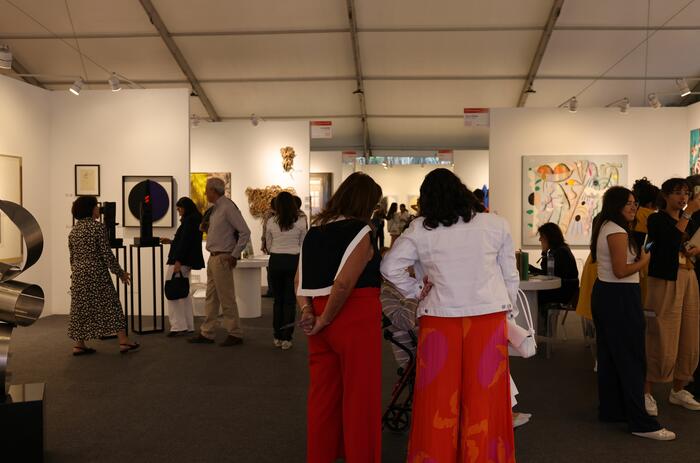
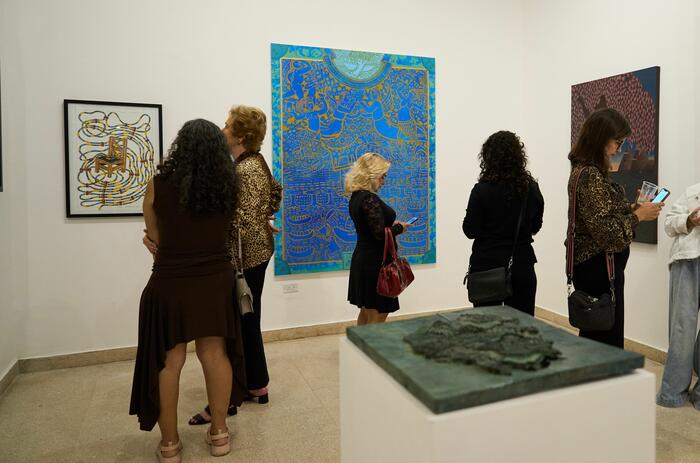
With its inaugural edition, Panama Art Week stepped onto the contemporary art stage not as a marketplace for immediate transactions, but as a catalyst for long-term cultural positioning.


THE NEW YORK SPRING SEASON – WHAT ART FAIRS SUGGEST AND AUCTIONS REVEAL
This spring, New York’s art fairs drew large crowds and vibrant energy—from the blue-chip Frieze and TEFAF to more experimental events like Independent and NADA. A total of twelve fairs took place, reinforcing the sense of an especially intense week for the market. The aisles were filled with collectors, curators, and celebrities, yet sales reflected a more measured pace than in previous years. The market is active, but increasingly thoughtful.
PANAMA: A VIBRANT ART SCENE WITH A MARKET STILL IN DEVELOPMENT
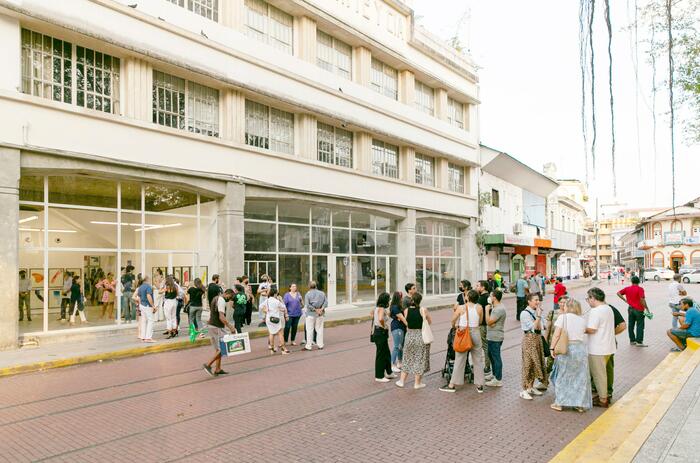
Despite its rich, diverse artistic production with deep historical roots, Panama's art market remains limited. With fewer than ten active galleries and no fully established art fair to date, the country’s artistic ecosystem is still in an early stage of development. However, creative energy is clearly present, and 2025 could mark a turning point.