By
María Sancho-Arroyo
Despite its rich, diverse artistic production with deep historical roots, Panama's art market remains limited. With fewer than ten active galleries and no fully established art fair to date, the country’s artistic ecosystem is still in an early stage of development. However, creative energy is clearly present, and 2025 could mark a turning point.
A Young but Dynamic Ecosystem
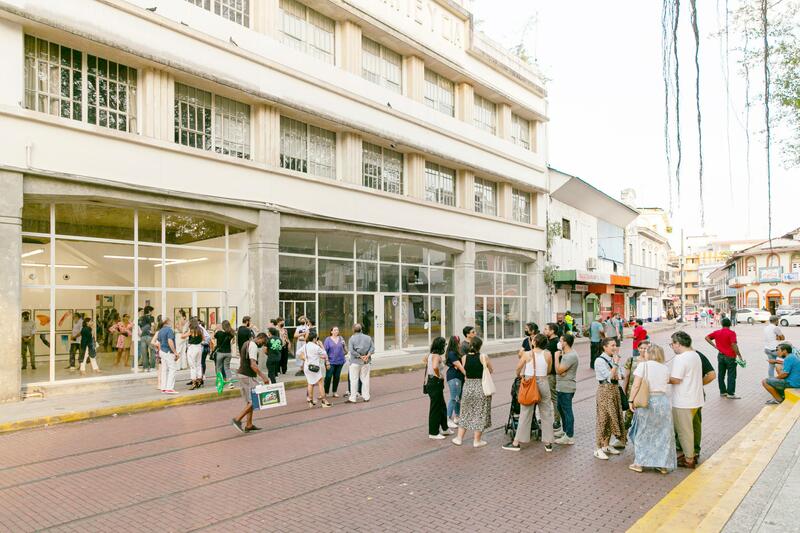
Panama's gallery scene is small, but it includes spaces that have played a key role in increasing the visibility of contemporary art, especially within the regional context. One of the most emblematic initiatives is Arteconsult, founded in 1979 by art historian Carmen Alemán. Initially created as a consulting office for banking institutions, the gallery quickly became a reference point for Panamanian and Latin American art, with branches and projects in Boston and Miami, and landmark exhibitions such as Guillermo Trujillo’s retrospective at the Museo Tamayo and 'Panama Contemporáneo' in Europe. After closing in 2020, it reopened in 2022 under the direction of Ana Berta Carrizo, daughter of the founder, with a leaner model focused on specialized services and an international outlook.
Galería Habitante, one of the city’s oldest, showcases works by both renowned masters and emerging artists, acting as a generational bridge within the local art scene. NG Art Gallery has focused its program on Cuban and Latin American art, while Marion Art Gallery embraces new forms of contemporary art and houses a permanent gallery dedicated to Venezuelan master Carlos Cruz-Diez. Completing the circuit are DiabloRosso, Tamarindo, and Allegro Galería, each offering a range of approaches—from contemporary experimentation to the promotion of national talent.
In a context where commercial opportunities remain limited, these galleries serve as essential platforms for the professionalization of art in Panama and its projection beyond national borders.
The Strength of Private Initiative
One of the defining features of Panama’s art landscape is the prominent role of private initiative in sustaining the arts. In the absence of strong public policy, galleries, foundations, and financial institutions such as Banco Nacional de Panamá, Banco General, and Banco Mercantil have been instrumental in promoting collecting and artistic production.
The Museo de Arte Contemporáneo de Panamá (MAC), founded in 1962 as the Panamanian Institute of Art (Panarte) and transformed into a museum in 1983, remains the country’s only institution exclusively dedicated to contemporary art. Since its founding, it has operated as a nonprofit supported by companies and art patrons. Its collection, built through donations from participating artists, now includes more than 700 works by Panamanian and Latin American creators. The current building was acquired and renovated thanks to a public campaign that helped solidify the museum’s physical presence. Through exhibitions, educational programs, and public activities, MAC continues to be a pillar of the national art ecosystem.
An Art Week That Could Be a Game Changer
In this scenario, the arrival of Pinta Panama Art Week represents a key opportunity. Organized by the Pinta Group, its first edition will be held from May 21 to 25, 2025, with the aim of connecting the local ecosystem to international networks. More than a traditional fair, it will be a week of exhibitions, studio visits, talks, and guided tours designed to strengthen the country’s artistic infrastructure and consolidate best practices in the sector. This event could catalyze ongoing efforts and position Panama City as a strategic hub for artistic production in Latin America.
Corporate and Institutional Collecting
In a country where public support for the arts has historically been limited, corporate collecting has played a crucial role in preserving and promoting contemporary art. Several financial institutions have taken an active role in building significant collections, establishing themselves as key cultural actors.
Banco Nacional de Panamá, through its Department of Cultural Heritage, preserves historical objects and promotes the work of national artists. Its Casa Museo, inaugurated in 1983, was the first banking museum in the country and houses numismatic, philatelic, archaeological, and photographic collections. The bank also organizes temporary exhibitions in its gallery at the main headquarters, reaffirming its role as an ally to the artistic sector.
Banco General has maintained an active cultural policy, promoting collecting through publications, exhibitions, and outreach activities. This work has not only given visibility to Panamanian artists but also helped position art as an integral component of corporate culture.
Banco Mercantil de Panamá, through its Mercantil Arte y Cultura program, has supported MAC events and sponsored training initiatives such as printmaking workshops for artists. It has also organized international exhibitions such as 'Referencias Cruzadas', focused on contemporary Venezuelan art, reaffirming its commitment to regional cultural projection.
These initiatives demonstrate how the financial sector has acted as a modern-day patron in a context where cultural policy is still evolving.
Government Support
In this context, the creation of the Ministry of Culture in 2019 marked a key institutional milestone. Replacing the former National Institute of Culture (INAC), the new ministry assumed responsibility as the government’s lead agency for cultural promotion and protection. The General Law of Culture, passed in 2020, laid the foundation for a more inclusive and participatory cultural policy aimed at fostering artistic expression and creative processes. Although its impact is still emerging, this institutional reform represents a significant step forward in supporting the arts and signals the potential for more sustained public engagement in the sector.
International Reach and Diplomatic Efforts
The internationalization of Panamanian art has been driven by both individual and institutional efforts, often supported by diplomatic alliances. Through the Fernández Pirla Foundation and Arteconsult Gallery, Carmen Alemán has promoted national artists in institutions such as the Museo Rufino Tamayo in Mexico and the MOLAA in Los Angeles. Embassies from Spain, Mexico, and Argentina have also played a crucial role in facilitating exhibitions and visibility for Panamanian creators abroad.
Panama has also been present at ARCOmadrid, one of the most prominent fairs on the international circuit. In 2024, the gallery DiabloRosso participated in the curated section 'El Caribe oceánico,' a project focused on showcasing artistic practices from the Caribbean and its diaspora. Although Panama has not yet been invited as a guest of honor, its inclusion in thematic sections signals growing interest in its art scene.
Panama’s participation for the first time with a national pavilion at the 2024 Venice Biennale —featuring artists such as Brooke Alfaro, Isabel de Obaldía, Cisco Merel, and Giana De Dier— marks a symbolic milestone that reinforces international recognition of the country’s contemporary art.
A Moment of Effervescence
It is important to note that the world’s major art market hubs—such as New York, London, Paris, and Hong Kong—are closely linked to centers of commercial and financial activity. In that regard, Panama’s recent growth as an economic and logistical hub, combined with a vibrant artistic output and an increasingly affluent civil society, could support the sustained development of its art market.
Panamanian art is experiencing a moment of effervescence. While structural challenges persist —such as a fragile market and limited state involvement— there are clear signs of transformation. The arrival of Pinta Panama Art Week, the consolidation of private initiatives, the support of financial institutions, and the slow but steady institutional progress create a promising environment. The challenge will be to transform this creative energy into a sustainable, professional, and internationally visible cultural framework.

Artist Lorena Torres presents Nada es distinto, a series of paintings that explore personal emotions through a direct relationship between lived experience and gesture. The work functions as an intimate record, where painting operates more as testimony than as aesthetic object.

The Museum of the Mola inaugurated the photographic exhibition Portraits of Struggle: 100 Years of the Dule Revolution by renowned Guna photographer Lois Iglesias.
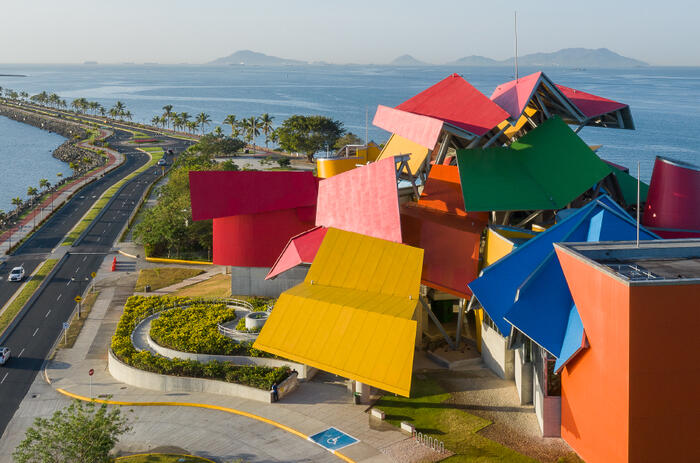
Pinta Panamá Art Week makes its debut from May 21 to 25. Over five days, it will offer a public program filled with art activities, inviting attendees to explore a city undergoing a cultural boom. This first edition positions Panama City as a key destination on the international art and culture calendar.
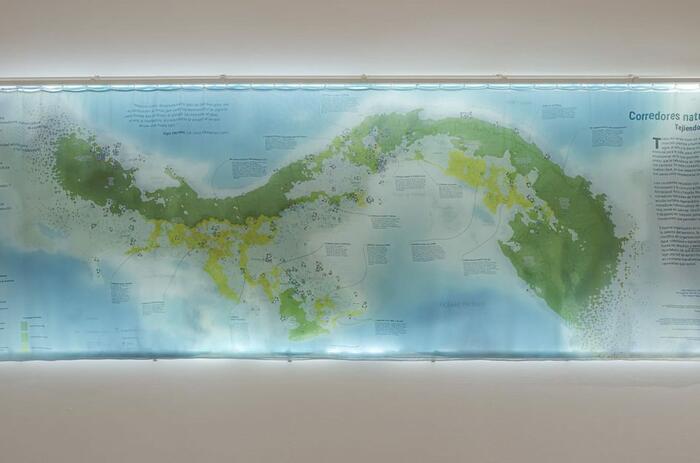
The Panarte gallery at the Museum of Contemporary Art of Panama hosts Cúmulus: 10+ Years of Estudio Nuboso, an exhibition celebrating over a decade of collaborative practices at the crossroads of art, science, and ecology.
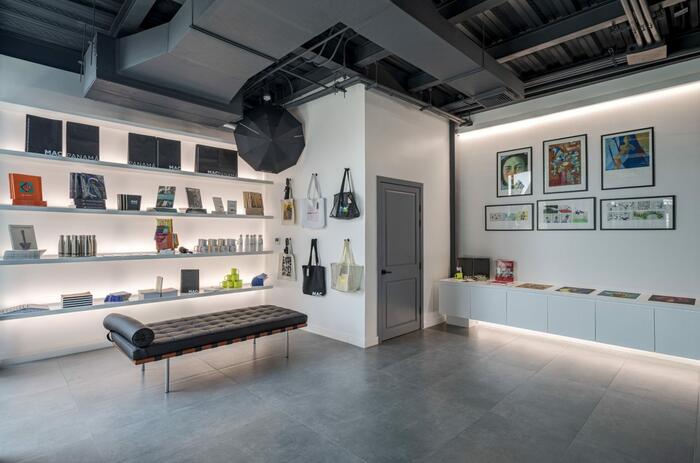
In the heart of Casco Antiguo, the Museum of Contemporary Art of Panama (MAC) embarks on a new chapter with the opening of its Sala Satélite, a space dedicated to showcasing projects developed from its Permanent Collection. The inaugural exhibition, 60+1 el pequeño gran museo de Ancón (60+1 The Little Big Museum of Ancón), serves as a tribute, a reflection, and an exploration of the museum’s history.
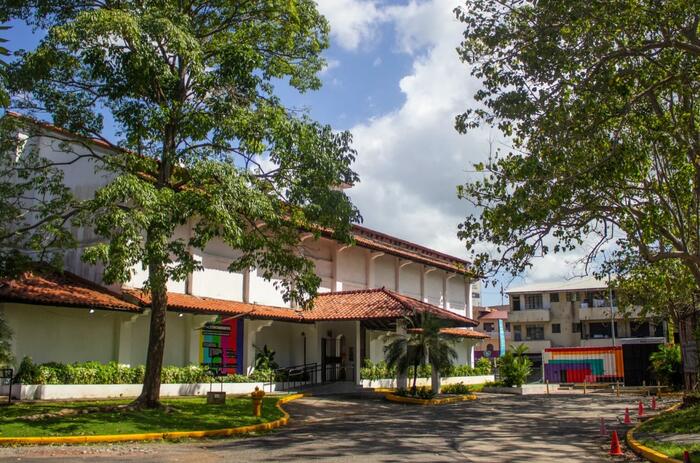
The Museum of Contemporary Art of Panama has opened applications for a prize aimed at supporting the careers of emerging artists in the country through professional training, curatorial guidance, and institutional visibility. The application period will remain open until May 25.
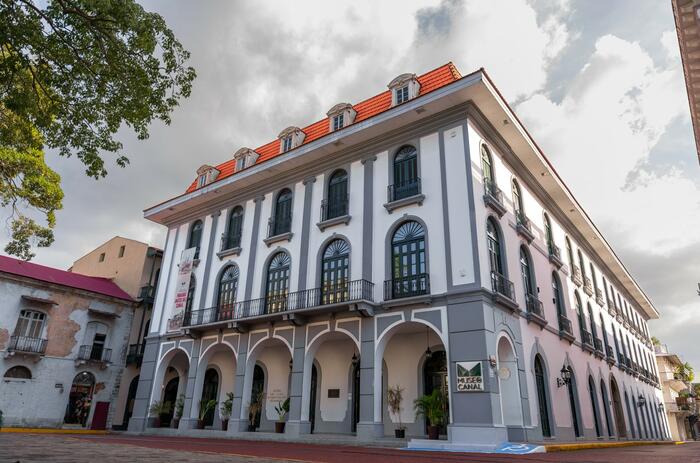
From Thursday, May 22 to Saturday, May 24, the FORO at Pinta Panamá Art Week will take place across various institutions in the city. Curated by Mónica E. Kupfer, the series presents a diverse program featuring both local and international experts. The event is free and open to the general public.

After a successful showing in 2024 at this major international platform for contemporary art, the exhibition Surcos: En el cuerpo y en la tierra (Furrows: On the Body and the Land) returns to the country and will open on April 25 at the Museo del Canal in Panama City’s historic Casco Antiguo.

This spring, New York’s art fairs drew large crowds and vibrant energy—from the blue-chip Frieze and TEFAF to more experimental events like Independent and NADA. A total of twelve fairs took place, reinforcing the sense of an especially intense week for the market. The aisles were filled with collectors, curators, and celebrities, yet sales reflected a more measured pace than in previous years. The market is active, but increasingly thoughtful.
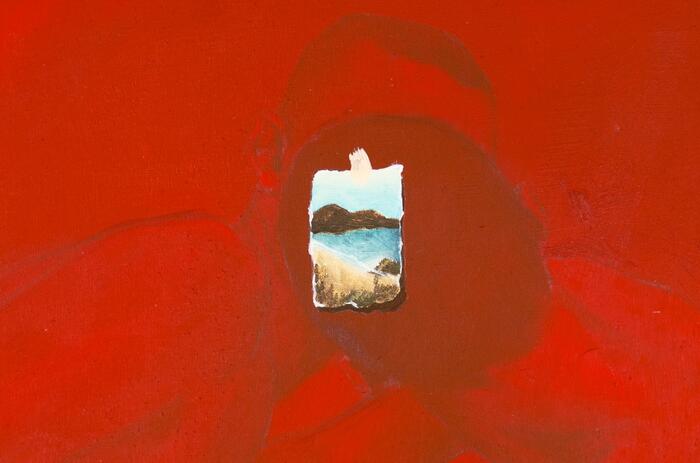
A selection of events, activities and cultural proposals bring together artists, curators, collectors and specialists in different parts of Panama City. Pinta Panama Art Week proposes an ambitious agenda from May 21 to 25 with the best of contemporary art in the region.
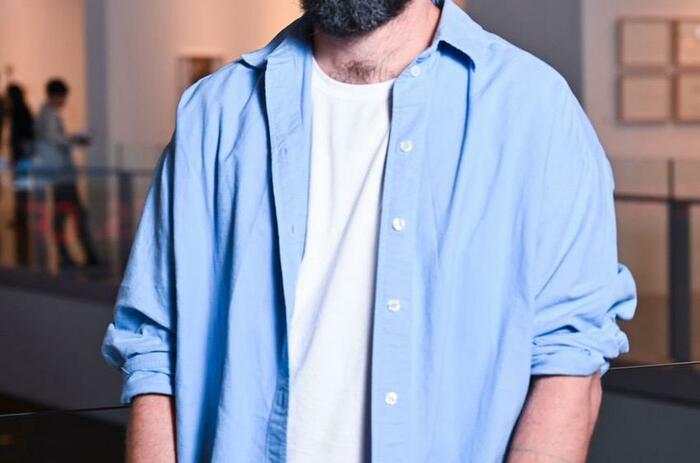
MAC Panamá's Chief Curator Juan Canela, reflects on the challenges of curating in Central America, the value of collaborative practices, and the context of Panamanian art. He is participating in the inaugural Pinta Panamá Art Week, running May 21–25 with activities centered on the local art scene.

Two spaces that have sought to foster the growth of local art since their inception are part of Pinta Panamá Art Week, where creative energy is palpable. With proposals that combine exhibition, reflection, and audience development, both galleries present themselves as driving forces in an expanding scene shaped by collective work, experimentation, and a shared desire to strengthen the cultural fabric.

As part of Pinta Panamá Art Week, Lo que sueña toda vida takes place—an exhibition project that reflects on ways of living in the Central American country. Curated by Juan Canela and Emiliano Valdés, the program features a series of artistic actions by Felipe Gómez and Jonathan Harker, the Enlaces Program, Libertad Rojo, and Humberto Vélez.