By
María Sancho-Arroyo
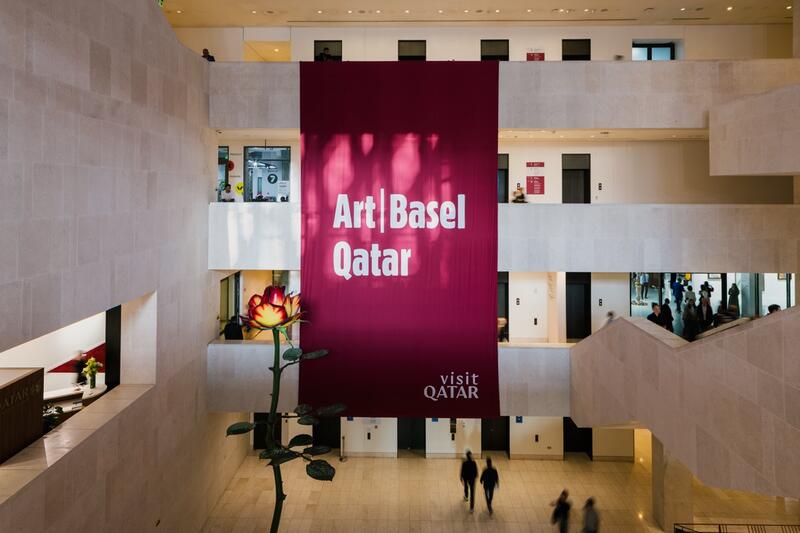
Qatar’s cultural strategy has never been improvised. For more than two decades, under the leadership of Sheikha Al Mayassa bint Hamad bin Khalifa Al Thani, Qatar Museums has advanced a carefully sequenced expansion that positions culture at the center of national development. The first phase was institutional and highly visible. Landmark buildings such as the National Museum of Qatar and the Museum of Islamic Art, designed by internationally acclaimed architects, established an architectural and symbolic presence that signaled ambition on a global scale. In many ways, architecture carried as much weight as curatorial content. The buildings themselves were statements. The next anticipated milestone is the Art Mill Museum, projected to open around 2030 and dedicated to modern and contemporary art from 1850 onward. While the specific works destined for its collection have not been publicly disclosed, Qatar’s sustained acquisitions through leading galleries and major auction houses have set expectations high. Both the architectural project and the collection are likely to be consequential.
If the first phase was about institutions, the second is about ecosystem. As Sheikha Al Mayassa remarked during one of the conversations at Art Basel Qatar, the museum infrastructure is largely in place. What remains to be consolidated is the commercial framework that allows a market to function. Her account of how Art Basel arrived in Doha is telling. Over the years, numerous fair organizers approached Qatar with proposals. The answer, she explained, was consistent: it was not yet the right time. Now, aligned with the country’s 2030 vision, that time has come. She framed the fair within a broader socio economic agenda centered on knowledge and human development. “It is time to bring industry to talent,” she said. Qatar has invested heavily in museums and has fostered a growing base of artists. What has been less developed is the commercial layer, galleries and art fairs, that connects production to market.
Yet she also described Art Basel Qatar as a “local, regional art fair.” That formulation is striking. Art Basel has long cultivated a global identity, and even in Doha, despite its more compact format, the fair was unmistakably international. Galleries arrived from across Europe, the Americas, and Asia, alongside strong representation from the Middle East and North Africa. Participation from Spain and Latin America was comparatively limited. Spain was represented by Mira Madrid and Sabrina Amrani; Mexico’s Kurimanzutto brought Gabriel Orozco’s well known Samurai Tree works; Olga de Amaral appeared through Lisson Gallery; and Mendes Wood DM presented works by Solange Pessoa.
Roughly half of the participating galleries or artists were from the region, a proportion not dissimilar to other Art Basel editions. The characterization as local and regional therefore invites reflection. Rather than contradicting the fair’s international composition, it signals an intention to anchor the project in its immediate cultural context instead of simply reproducing a circulating global model.
The format reinforced this idea. This edition was smaller, tightly curated, and deliberately structured. Artistic direction was entrusted to Wael Shawky, the Egyptian artist based in Doha and director of the Fire Station, a residency and exhibition space that has become an important platform for contemporary practice in the region. All participating galleries were assigned comparable booth sizes, avoiding the hierarchy that often results from differential square meter purchases. Each gallery presented a single artist, subject to curatorial approval. The result felt closer to a concentrated exhibition than to a conventional trade fair. It occupied a space somewhere between museum presentation and marketplace.
That hybridity shaped the audience experience. While guiding collectors through the fair, it became evident that for many visitors the format itself was new. Some were unfamiliar with basic fair conventions, including the fact that works on display are for sale. Others treated the booths as exhibition spaces rather than commercial stands. This points to a young market still in formation. At the same time, the level of curiosity and engagement was notable. Enthusiasm, even when inexperienced, is a crucial ingredient in market development.
Reported sales by the close of the fair appeared modest. During the preview for members of the Al Thani family, several works were placed on hold, though it remains unclear how many of these reservations converted into final transactions. In some instances, works held during the preview were unavailable to other collectors during public days, limiting immediate turnover. Judging the fair solely on short term sales, however, would miss the broader objective.
Participation costs were significantly subsidized. Booth prices were relatively low, and dealers received support for shipping, travel, accommodation, installation, and in some cases for bringing the presenting artist. This reduced financial exposure and signals that the fair should be read as an investment in infrastructure rather than as a purely commercial exercise. In a region where business culture is relationship driven, transactions often follow sustained engagement. Trust precedes acquisition. Deals may take longer to conclude, but they can also prove more durable.
The audience composition also underscored the regional focus. Senior executives from major auction houses and prominent European collectors were present, but American and Asian collectors were less visible. This may ultimately prove advantageous. With several global editions already established, Art Basel does not need to replicate the same traveling cohort at every location. Allowing each fair to cultivate its own constituency strengthens the network as a whole.
Looking ahead, a second edition in 2027 seems highly probable. The learning curve from this inaugural year will likely inform adjustments in format, audience development, and commercial strategy. Plans to relocate the fair in coming years to a newly developed cultural district further indicate that this is not conceived as a temporary initiative. It forms part of a long term cultural and economic framework that converges with the anticipated opening of the Art Mill Museum around 2030.
This first edition of Art Basel Qatar should therefore be understood less as a market verdict and more as a structural beginning. The institutional foundations have been laid. The commercial ecosystem is now being constructed. The real measure of success will not be found in the immediate sales reports, but in whether, five years from now, a confident collector base and a mature market culture have taken root alongside the museums that prepared the ground.
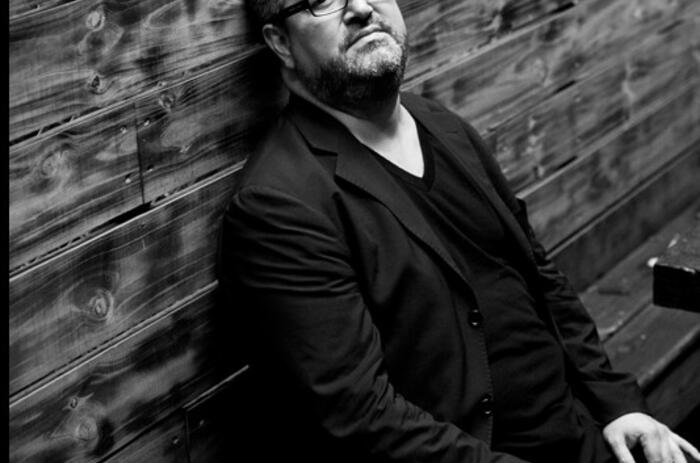
From the curatorship of the Foco LATAM program at CAN Art Fair Madrid, Christian Viveros-Fauné approaches surrealism as a tool for reading global uncertainty, while advocating for painting and Latin American artistic practices as spaces of resistance and the creation of new imaginaries.
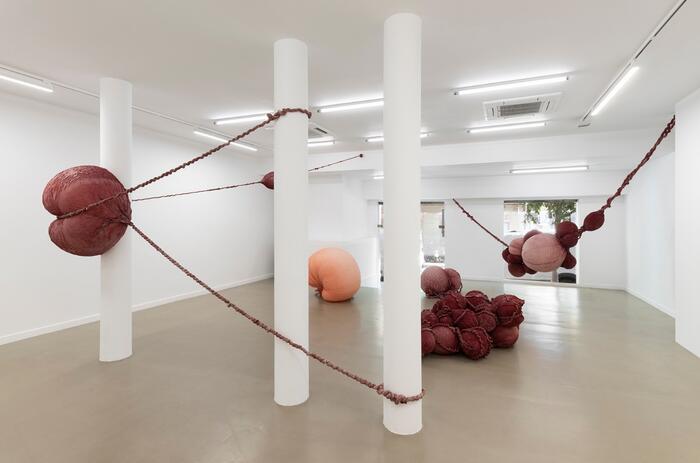
Spanish art galleries are protesting with a temporary closure against a tax policy that places them at a competitive disadvantage compared to their European counterparts. The sector is calling for the application of a reduced VAT rate to ensure commercial competitiveness and to continue strengthening and reinvesting in the cultural ecosystem.
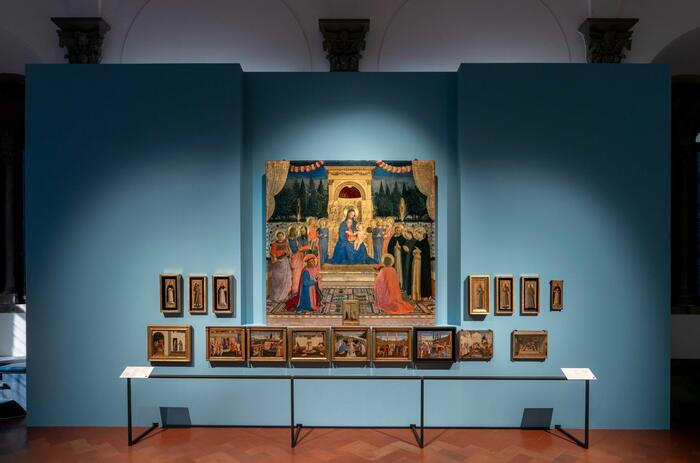
The current exhibition devoted to Beato Angelico at Palazzo Strozzi is not only an art-historical event but also a revealing case study in how audiences engage with art today. It is the first major exhibition dedicated to the artist in more than seventy years (last time was in 1955) , and its success goes well beyond scholarly importance.
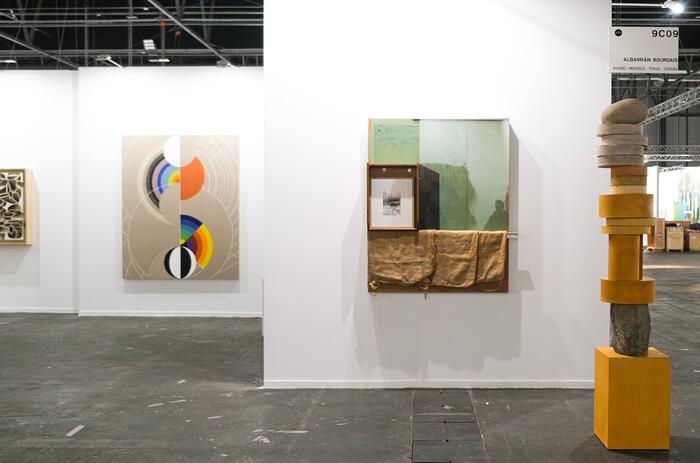
Spain applies a 21% VAT to gallery sales of artworks, a rate in place since 2012. In contrast, other cultural sectors benefit from reduced rates: cinema, theatre and concerts are taxed at 10%, and books at 4%. Contemporary art galleries, however, remain subject to the general rate.
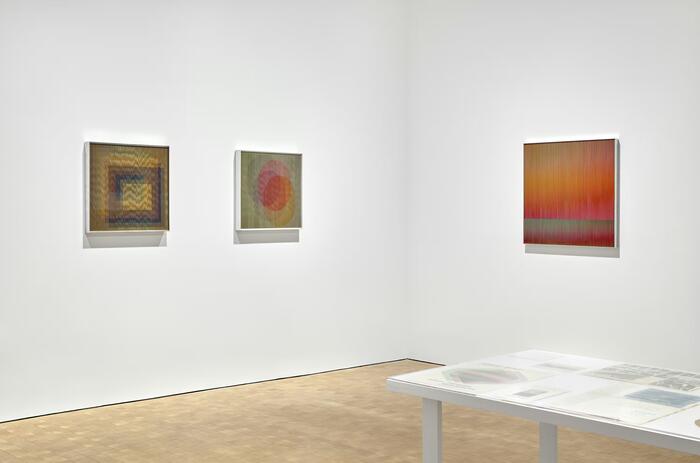
The exhibition brings together 23 works that trace the Venezuelan artist’s fundamental investigations into chromatic perception.