
By
María Sancho-Arroyo
The art maket stabilizes, but the recovery remains uneven.
Every year, the Art Basel and UBS Global Art Market Report, authored by economist Clare McAndrew of Arts Economics, offers the closest thing the art world has to a macroeconomic overview of the sector. No report can fully capture a market that still operates with a high degree of opacity, particularly in the gallery sector, but this study remains indispensable because it combines auction data with extensive dealer surveys and applies the same methodology year after year.
Its real value lies less in the precision of any single number than in its ability to track trends over time. Seen from that perspective, the 2026 edition suggests that the market may finally be stabilizing after several years of decline.
According to the report, global art market sales reached $59.6 billion in 2025, representing a 4 percent increase year on year. This marks a welcome change after two consecutive years of contraction, although the market still remains below the peak reached earlier in the decade. The increase therefore should not be interpreted as a strong recovery, but rather as a stabilization following a period of adjustment.
The modest recovery observed in 2025 must also be understood within a broader global context. The art market now operates in an environment shaped by geopolitical tensions, economic volatility, and shifting patterns of wealth. Wars, trade tensions, and financial uncertainty inevitably influence collector confidence and often make buyers more selective.
A recovery led by auctions
One of the most striking aspects of the report is the divergence between the auction and dealer sectors. Public auction sales rose 9 percent to $20.7 billion, while dealer sales increased by only 2 percent to $34.8 billion. This difference is significant because it suggests that the recovery is not evenly distributed across the market. The strongest improvements occurred in the secondary market, particularly in the second half of the year, when several major consignments came to auction.
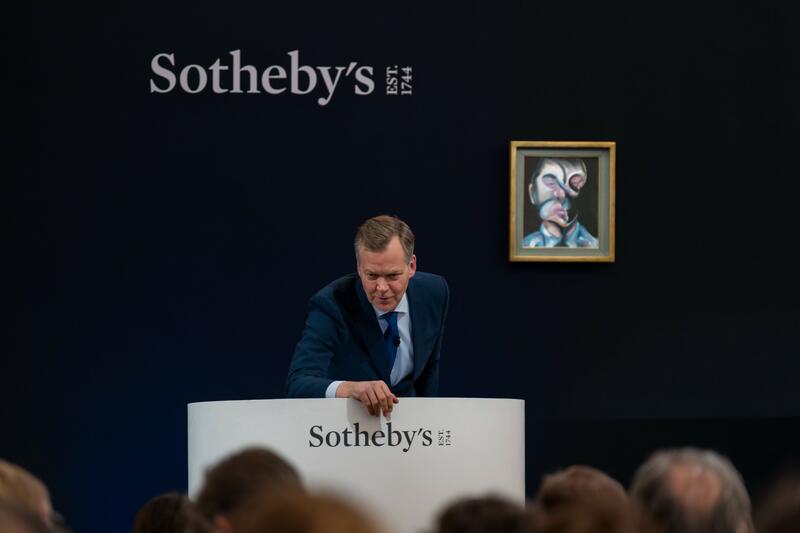
Much of the improvement in auctions occurred during the second half of the year, when a series of high-profile sales brought exceptional works to market. In other words, the rebound was not simply the result of improved confidence, but also of extraordinary supply. A striking example was the sale of the Leonard A. Lauder collection at Sotheby’s in New York. The highlight of the evening was Gustav Klimt’s Portrait of Elisabeth Lederer (1914–16), which sold for $236.4 million, setting a new record for the artist and becoming the second-highest auction price ever achieved.
This also reflects a shift in strategy by auction houses. In a more cautious environment, they have become far more selective about what they bring to market, often lowering estimates and concentrating on artists with established reputations and strong collector bases. In practice, this means auction houses are simply being much more selective about the works they accept for sale.
A polarized market
Another clear pattern emerging from the report is the continued polarization of the art market. At auction, the strongest growth occurred at the very top of the market. Sales of works priced above $1 million rose significantly, while works above $10 million saw the most pronounced increase. This confirms a dynamic that has been visible for some time: when truly exceptional works appear, the world’s wealthiest collectors are still willing to compete for them.
The picture is very different elsewhere. The middle market remains the most fragile segment. Galleries operating between roughly $1 million and $10 million in annual turnover reported stagnation or declining sales. This segment depends heavily on collectors who are more sensitive to economic cycles and financial uncertainty. At the same time, the report suggests that the lower end of the market is showing signs of resilience. Smaller galleries with turnover below $500,000 reported some of the strongest aggregate increases in sales.
This does not necessarily mean that small galleries are thriving across the board. Rather, it suggests that younger collectors and new buyers are still entering the market at lower price points. At moments when larger transactions slow, the entry level of the market often becomes the place where new relationships between galleries and collectors begin.
The United States remains the center of the global market
Geographically, the report confirms that the United States remains the dominant art market, accounting for 44 percent of global sales, or roughly $26 billion in 2025. The United Kingdom follows with 18 percent, and China with 14 percent, meaning that the three largest markets still account for 76 percent of global art sales. Yet those percentages also show how much more dominant the United States has become. The gap between the U.S. and the next two markets is now considerable, and much wider than in earlier phases when London and China played a more balanced role within the global structure.
Another report published this year reinforces the strength of the American market from a more specific angle. The Bank of America U.S. Art Market Report notes that New York accounted for 69 percent of global auction sales value in 2025, its highest share in more than a decade. It also highlights the sharp improvement in the second half of the year: after falling 5.6 percent year on year in the first half, the U.S. auction market rose 54.1 percent in the second half, lifting full-year totals 23.1 percent above 2024, even if still below the levels reached between 2021 and 2023.
At the same time, the US market is no longer concentrated exclusively in New York. The Bank of America report also points to an internal redistribution within the United States itself, with collecting becoming less concentrated in the Northeast and increasingly dispersed across regions such as the West and the Southeast. Cities such as Miami, for example, have become particularly significant. Miami matters not only as a U.S. art hub, but also as a meeting point between North American and Latin American collectors, institutions, and galleries. Its growing relevance reflects the broader diversification of the American art market beyond its traditional centers.
A changing geography of the art market
While the United States remains dominant, the geography of the art market is slowly evolving. France has strengthened its position as the fourth largest art market, and several European markets have shown modest growth. Spain has also experienced positive results, while Switzerland and other smaller European markets reported stronger gains. For readers in Latin America, one of the most interesting findings is the report’s indication of strong performance in South America, particularly in Brazil, where dealers reported significant growth in sales.
These developments do not yet transform the global hierarchy of the market. However, they do suggest that activity is gradually becoming more dispersed. The overall size of the market has not expanded significantly over the past 15 years; rather, the same pie is gradually being redistributed beyond the traditional centers.
A difficult environment for galleries
Despite modest growth in overall sales, the environment remains challenging for galleries. Global dealer sales increased only 2 percent in 2025, a modest recovery after two years of decline. At first glance this suggests that the gallery sector is stabilizing. But the picture changes when operating costs are taken into account. According to the report, dealer operating costs rose by an average of about 5 percent in 2025, meaning that expenses increased faster than revenues for many businesses. In other words, even where sales are improving slightly, profitability is often under pressure.
The report identifies three areas where costs rose the most. Packing, shipping, and logistics increased by around 10 percent, art fair costs rose by 9 percent, and travel and accommodation expenses increased by about 6 percent. These are precisely the activities on which galleries rely most heavily in order to maintain international visibility and relationships with collectors.
For many galleries this creates a difficult equation: participation in art fairs and international exhibitions remains essential for sales, but the cost of doing so has risen dramatically. As several dealers quoted in the report note, the expenses associated with fairs, transportation, and accommodation are increasingly out of proportion with the revenue they generate.
The structure of gallery costs also helps explain the pressure on margins. Payroll and rent alone account for more than 40 percent of dealer operating costs, meaning that even moderate inflation in salaries, real estate, and services quickly affects profitability. This imbalance between rising costs and relatively slow sales growth has forced many galleries to rethink their business models. Some have reduced their participation in international fairs, others have downsized staff, and some have shifted their focus toward lower price ranges where demand remains more active.
In a world marked by geopolitical tensions, economic volatility, and financial uncertainty, collectors often become more cautious. This tends to reinforce demand for established artists while making it harder for galleries to place new or emerging names at higher price levels.
At the same time, the report highlights an interesting dynamic: gallery openings still outnumber closures overall. While several high-profile galleries shut their doors in recent years, new spaces continue to appear, particularly at the smaller end of the market. Many of these new galleries operate at the lower end of the market, often with turnover below $500,000. These spaces may take years to grow, and some may remain small enterprises; others, as frequently happens in this sector, may not survive beyond their first few years. Even so, they play an essential role in renewing the ecosystem by introducing new artists and new collectors.
This helps explain another paradox of the current market. While the middle tier of galleries remains under pressure, the lowest segment of the market has shown some of the strongest growth in sales. New collectors continue to enter the market at lower price points even as higher value transactions become more selective.
Stabilization rather than expansion
Taken together, the findings of the report suggest that the art market may finally have stopped declining. The recovery, however, remains uneven.
Growth is concentrated primarily at the top of the market and in a limited number of regions. Auction houses have benefited from strong supply and renewed activity among the wealthiest collectors, while many galleries continue to face rising costs and increasingly selective demand. What we are seeing, therefore, is not yet a broad expansion of the art market, but rather a period of stabilization. The overall size of the market has changed relatively little; instead, activity is being redistributed across regions, price segments, and market actors.
For the market to grow again in a meaningful way, however, redistribution will not be enough. Expansion ultimately depends on the entry of new collectors. This is where the long-term question lies. A generation of collectors that played a central role in building the contemporary art market over the past decades is gradually disappearing, and it remains unclear whether younger generations will engage with collecting in the same way. While global wealth continues to increase, wealth alone does not automatically translate into participation in the art market.
The future growth of the art market will therefore depend less on record auction results than on its ability to broaden its base of collectors. Without that expansion, the market may continue to stabilize and redistribute itself, but its overall size is unlikely to grow significantly.
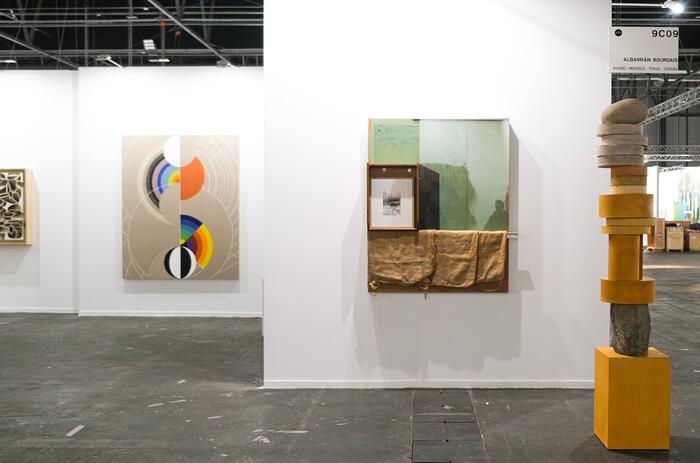
Spain applies a 21% VAT to gallery sales of artworks, a rate in place since 2012. In contrast, other cultural sectors benefit from reduced rates: cinema, theatre and concerts are taxed at 10%, and books at 4%. Contemporary art galleries, however, remain subject to the general rate.

The Salvadoran curator reflects on the relationship between art, memory, and politics, and on how his work at Y.ES Contemporary seeks to generate opportunities for local artists while building networks with the international scene. He will be participating in the 2026 edition of Pinta Panamá in the FORO talk.
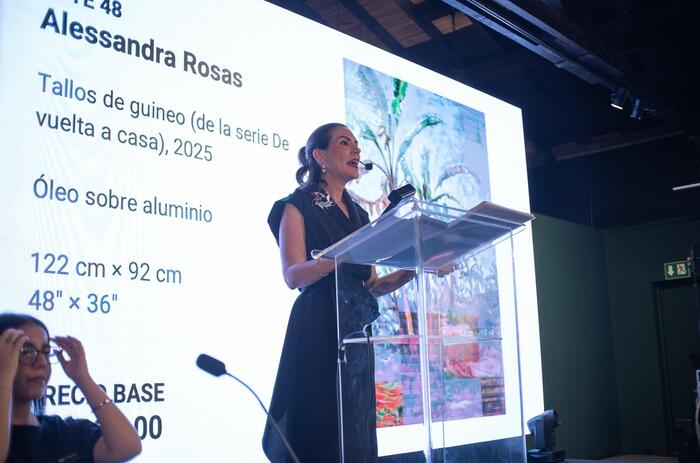
The executive director of MAC Panama, who will participate in the discussion Building Institutional Stories, part of the Pinta Panamá FORO initiative, envisions great opportunities for Central America with the strengthening of its institutions and joint work.
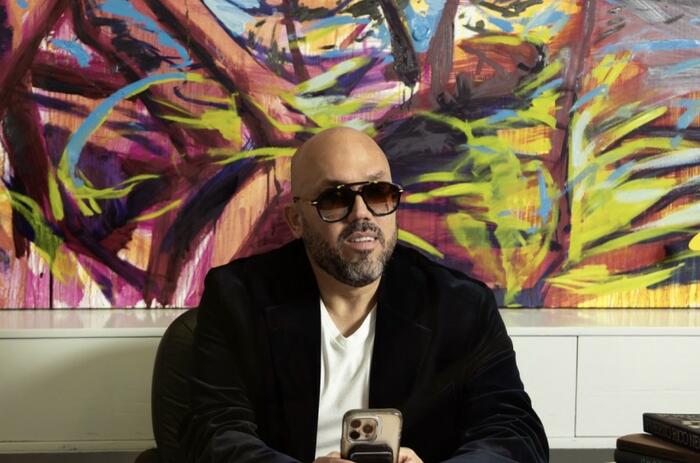
Walter Otero is recognized for his unconventional approach to artist management and the Puerto Rican art ecosystem. His career is now compiled in Walter Otero. A Tropical Gallerist, a book in which he reviews his career and reflects on changes in the sector.
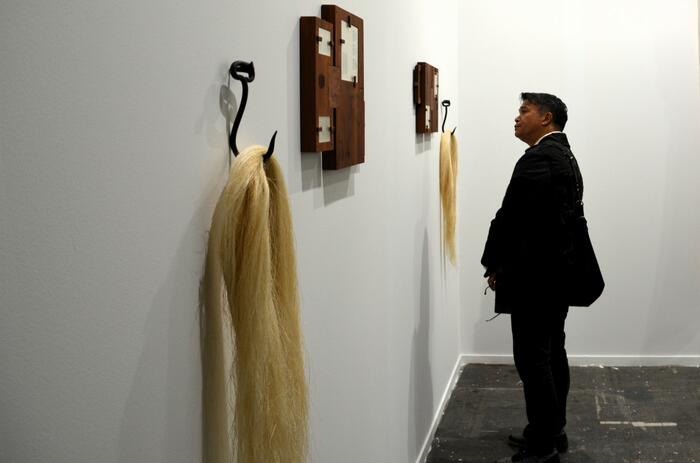
ARCOmadrid 2026 appears to reinforce its position in the global art market by consolidating a distinctive identity in contrast to the major internationalized art fairs, with Latin America as its anchor. Its capacity to generate cultural and market narratives from this positioning has been key to understanding its current role and evaluating the potential risks of its model.
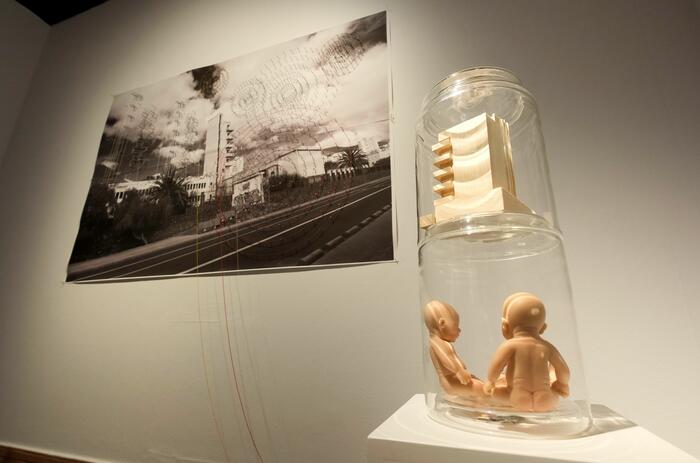
The CAAM opens its new season with an exhibition showcasing five recent acquisitions, highlighting works by Carlos Garaicoa and Karlo Andrei Ibarra that explore memory, space, and transformation.
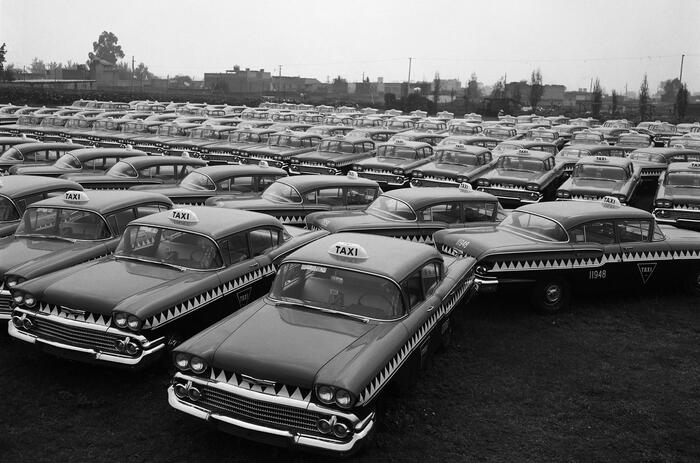
The exhibition dedicated to the German-born photojournalist, featuring a selection from his archive—now safeguarded by the Fundación Televisa—focuses on documenting the transformation and growth of Mexico City in the mid-20th century, highlighting its social and urban contrasts.
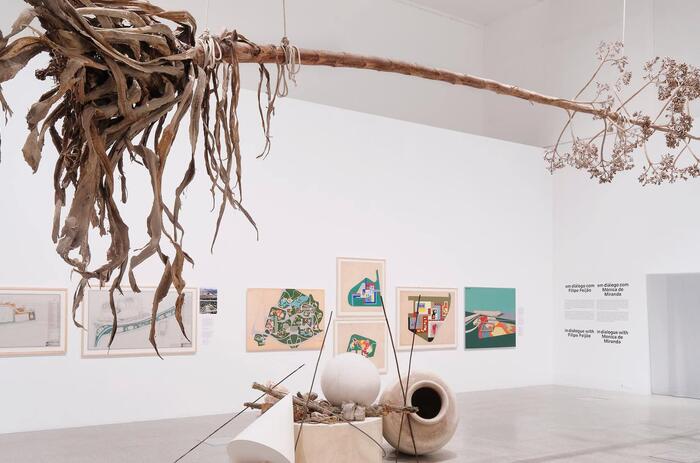
Lugar de estar: o legado Burle Marx (A Place to Be: The Legacy of Burle Marx) is the exhibition presented by Lisbon’s MAC/CCB – Museum of Contemporary Art and Architecture Center, showcasing an extensive selection of landscape projects for public spaces developed by Roberto Burle Marx (São Paulo, Brazil, 1909 – Rio de Janeiro, Brazil, 1994) and his collaborators over nearly seventy years.
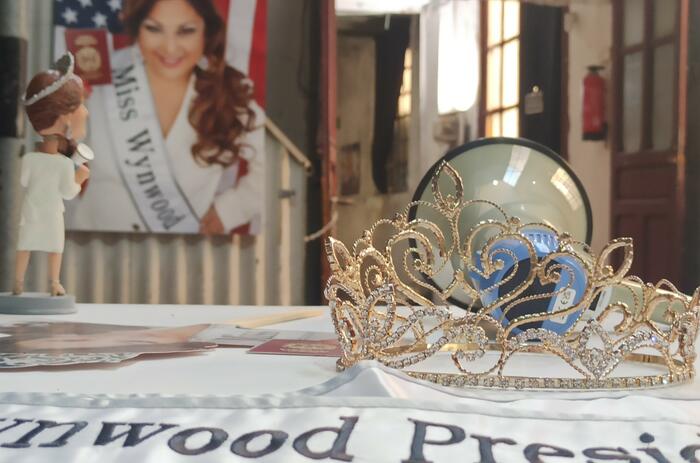
La Neomudéjar presents over 130 works from the Fuentes Angarita Collection, mapping three decades of Latin American political art through themes of identity, gender, diaspora, and the memory of the body.
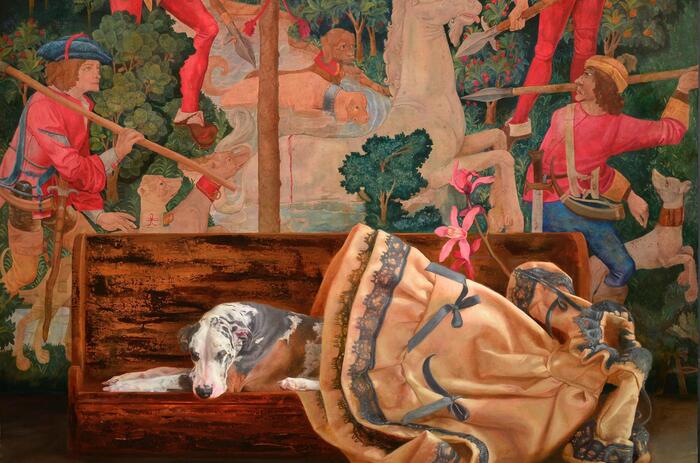
Global selection underscores the Colombian singular pictorial language shaped by tension, staging, and introspective inquiry.
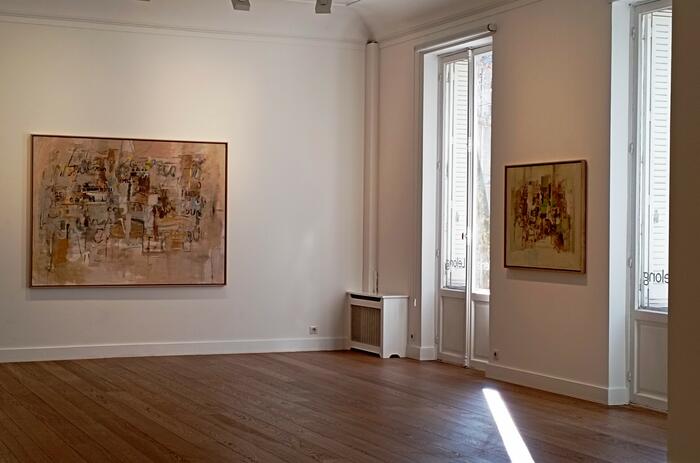
Today, those who walk through the galleries of the Museum of Modern Art or the Metropolitan Museum of Art in New York encounter a welcome surprise: canvases of undeniable visual strength hanging alongside figures such as Rothko or Tàpies. These are works by Sarah Grilo, recently acquired by these institutions. Nearly two decades after her passing, the artist has finally assumed the place of honor her career deserved.
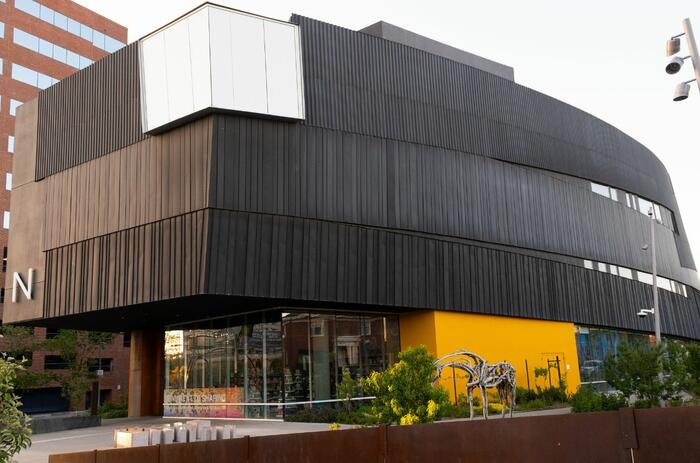
Into the Time Horizon, at the Nevada Museum of Art, unfolds as one of the most expansive surveys of environmental art in the United States, combining critical diagnosis with concrete proposals in the face of the climate crisis.

The exhibition in Chicago brings together 36 Latin American artists who, through more than 40 works, challenge colonial narratives through critical, community-based, and resistance-oriented practices.

Ancestral knowledge and modern utopias meet at the Barbican Centre; the installation invites to reflect on how we inhabit the world.
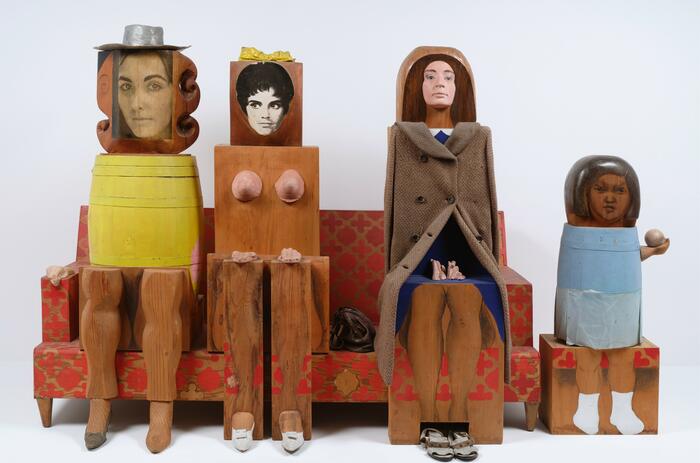
The Swiss institution presents an extensive survey spanning five decades of the Venezuelan-born artist’s production, highlighting her ironic focus on power and mass culture.
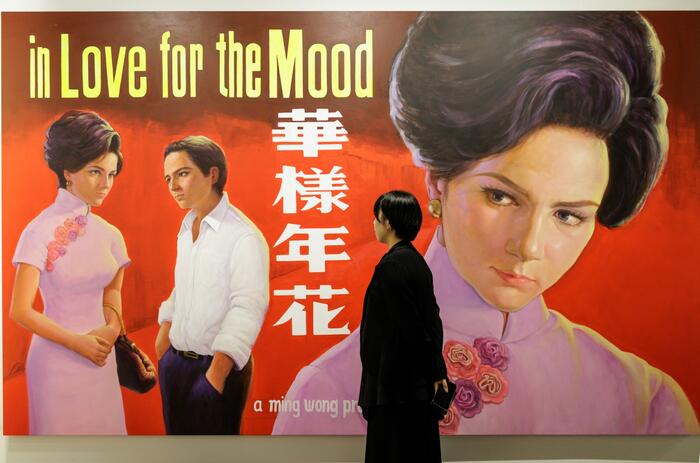
Hong Kong Sales Week: A Stabilizing Market with Strong Regional Demand
Prestige at a Discount: Salaries and Careers in the Art World

The current controversy highlights the difficult coexistence between the collection’s private ownership and the heritage protection that covers part of its works.