By
María Sancho-Arroyo
The current exhibition devoted to Beato Angelico at Palazzo Strozzi is not only an art-historical event but also a revealing case study in how audiences engage with art today. It is the first major exhibition dedicated to the artist in more than seventy years (last time was in 1955) , and its success goes well beyond scholarly importance.
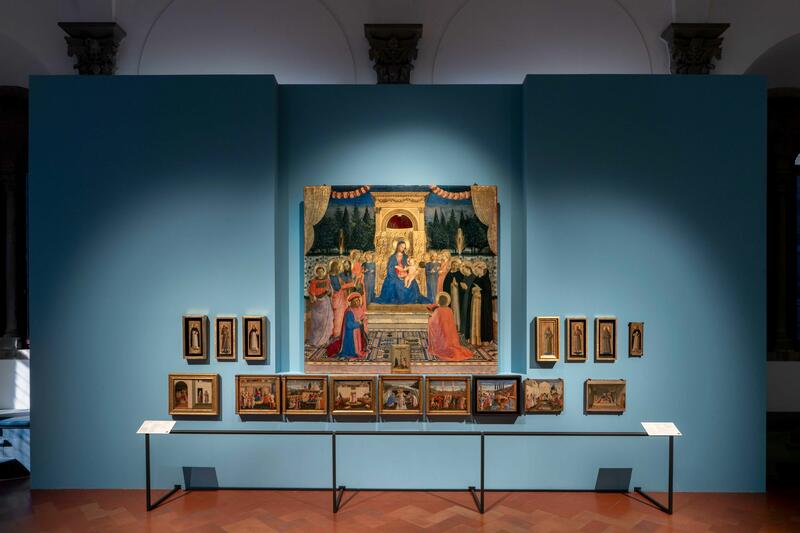
From an organizational perspective, the exhibition represents a considerable achievement. Bringing together paintings on panel, whose conservation requirements make them especially difficult to lend, is already notable at a time when museum loans are increasingly restricted. Even more significant is the reconstruction of complex altarpieces, whose panels and predellas have been dispersed across international collections over centuries. Seeing these works reassembled offers a fuller understanding of Angelico’s artistic language and working context, something rarely possible outside their original settings.
Historically and curatorially, the exhibition is rigorous and convincing. Yet what makes it particularly relevant today is its reception. As the closing date of January 25 approaches, queues extend across Piazza Strozzi. Online tickets have been unavailable for days, and visitors are queuing for hours for the limited remaining slots. Visitor figures released on December 9 already indicated more than 130,000 admissions during the first two months. At this level the exhibition is likely to surpass the Marina Abramović exhibition, which reached 180,000 visitors, and it would not be surprising if it were to become the most visited exhibition in the history of Palazzo Strozzi.
This outcome is striking because it challenges common assumptions about audience preferences. A proto-Renaissance painter with explicitly religious themes is currently attracting more visitors than major contemporary art figures. This does not signal a decline of contemporary art but rather points to a renewed interest in historical mastery, craftsmanship, and technical skill. In periods marked by uncertainty and rapid change, looking to the past is a recurring pattern, both culturally and within the art market.
The phenomenon is not isolated. Similar dynamics can be observed at recent fairs and exhibitions, including Art Basel Paris, where Gagosian presented a Madonna and Child by Peter Paul Rubens alongside contemporary works. This juxtaposition highlights a growing appreciation for artworks that embody time, material knowledge, and sustained technical engagement, qualities that are increasingly valued by today’s audiences.
Social media has played a decisive role in amplifying this success. Images of long queues circulating on Instagram have reinforced the exhibition’s visibility, creating a self-perpetuating cycle of interest and attendance. The sense of urgency and collective experience has transformed a historically focused exhibition into a viral cultural event.
This success also reflects the long-term strategy of Palazzo Strozzi under the direction of Arturo Galansino and his team. For years, the institution has maintained a balanced program, presenting major Renaissance masters alongside ambitious modern and contemporary exhibitions, positioning them on equal footing rather than as competing narratives. In a city so closely identified with its past, this approach has proven both sustainable and forward-looking.
The Beato Angelico exhibition confirms that historical art, when thoughtfully curated and clearly contextualized, can resonate powerfully with contemporary audiences. It also suggests that the market and the public are currently aligned in their desire for depth, continuity, and artistic substance.
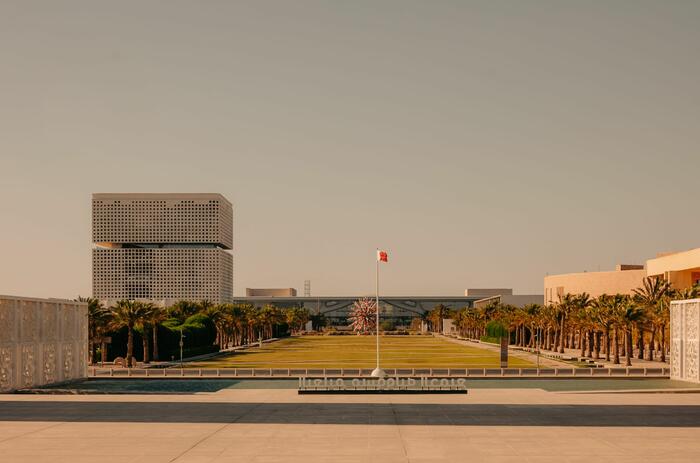
As 2025 draws to a close, the long-anticipated recovery of the global art market has not yet truly taken shape. The cautious optimism that marked the end of 2024 quickly gave way to a more sobering reality.
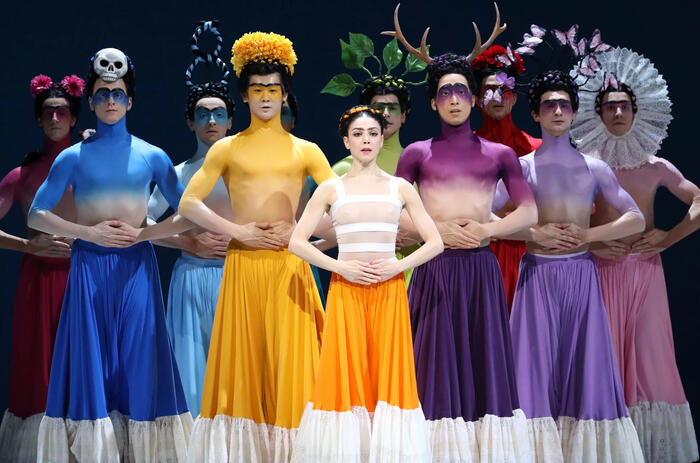
The Enlace Creativo 2026 call for proposals is now open. This fund is intended to support collaborative projects that strengthen cultural and creative exchange between the two countries. Application deadline: January 30, 2026.
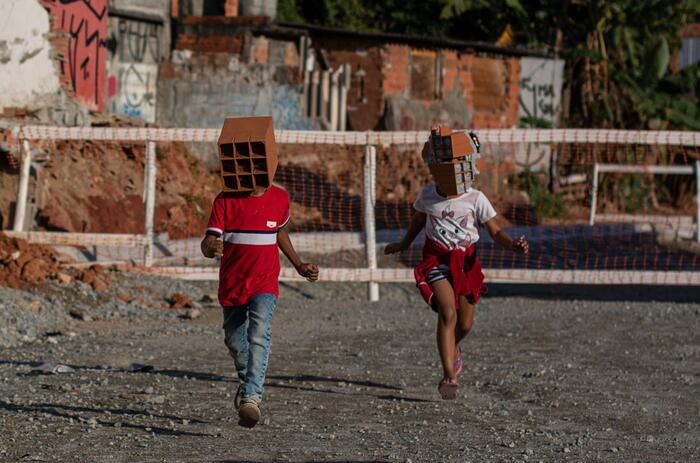
Let’s Play. Juguemos en la colección, a BIENALSUR project, engages with the permanent collection of the Museo Nacional de Artes Decorativas through the conceptual lens of play, featuring the work of ten artists, mostly from Latin America, including Marta Minujín, Glenda León, and Silvia Rivas.
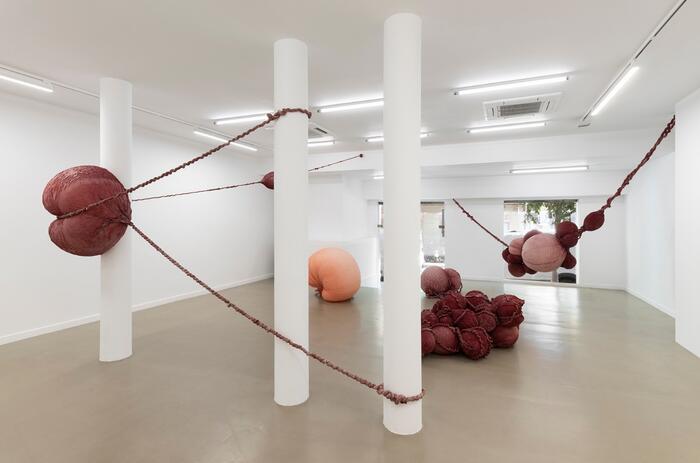
Spanish art galleries are protesting with a temporary closure against a tax policy that places them at a competitive disadvantage compared to their European counterparts. The sector is calling for the application of a reduced VAT rate to ensure commercial competitiveness and to continue strengthening and reinvesting in the cultural ecosystem.
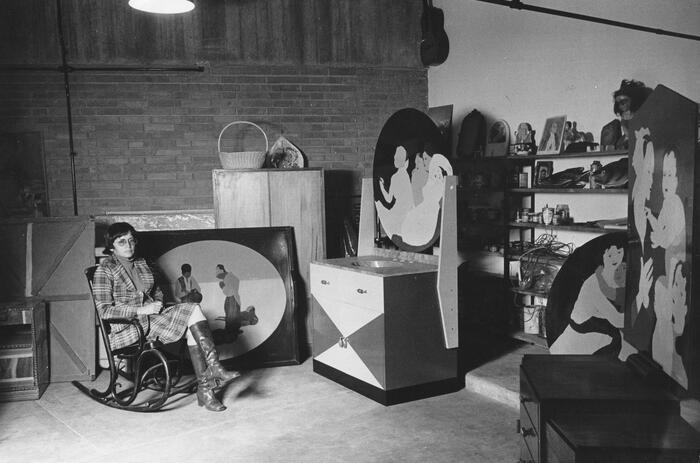
The acclaimed Colombian artist will be honoured at the Barbican Centre with an exhibition bringing together more than 150 works spanning seven decades of production.
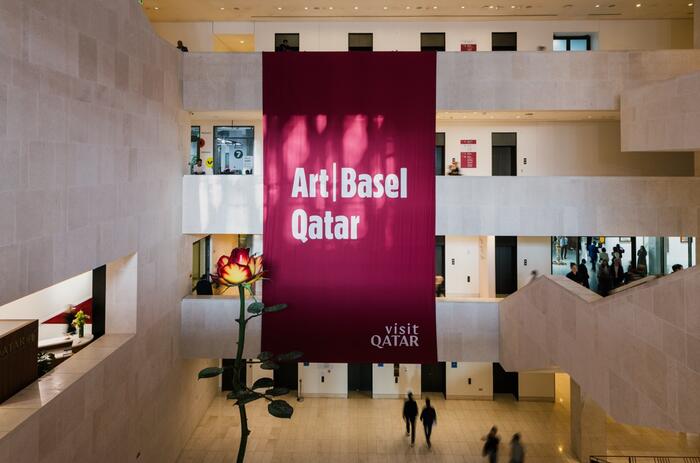
Qatar’s cultural strategy has never been improvised. For more than two decades, under the leadership of Sheikha Al Mayassa bint Hamad bin Khalifa Al Thani, Qatar Museums has advanced a carefully sequenced expansion that positions culture at the center of national development.