By
María Sancho-Arroyo
Signs of caution in a market seeking stability.
The global art market in fall 2025 finds itself neither in full recovery nor in decline. It inhabits a zone of cautious engagement. Collectors remain active, but at the million-plus level they are proceeding with greater selectivity, turning toward names that have already been tested, whether Modern, Contemporary, or even Old Masters.
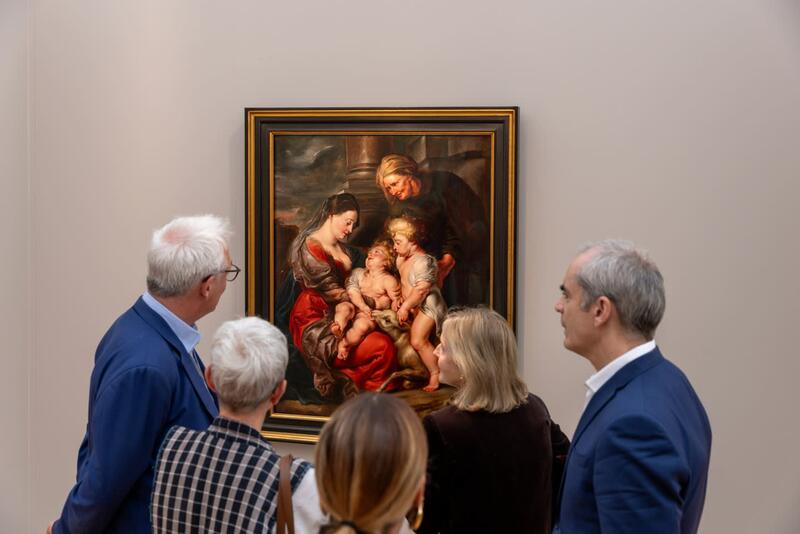
This shift was clearly visible at the major European fairs this season. Art Basel Paris, now in its fourth edition, was widely regarded as a success and confirmed its position as Europe’s most dynamic marketplace. The fair’s tone was one of traditional collector confidence, supported by Paris’s cultural authority, luxury infrastructure, and deep institutional base. A monumental Peter Paul Rubens at Gagosian’s booth symbolized the moment perfectly: in uncertain times, history reassures. The work — The Virgin and Christ Child, with Saints Elizabeth and John the Baptist (ca. 1611–14) — which had sold at Sotheby’s in 2020 for about $7 million, marked the first time an Old Master of this calibre appeared at an Art Basel fair, something only a dealer of Gagosian’s stature could attempt.
Elsewhere, market confidence was also visible in Modern and post-war masters. Hauser & Wirth sold Gerhard Richter’s Abstraktes Bild (1987) for $23 million — a sale that coincided with the major Richter retrospective at the Fondation Louis Vuitton, highlighting once again how institutional attention and market value tend to reinforce each other. Pace placed Amedeo Modigliani’s Jeune fille aux macarons (1918) for just under $10 million, while two Modigliani portraits offered at Sotheby’s Paris that same week — Elvire en buste and Raymond — fetched €27 million and €10.6 million respectively, confirming sustained demand for 20th-century masters.
Across the Channel, this turn toward the past was also evident in London. Frieze London performed respectably, but the spotlight once again belonged to Frieze Masters, which has steadily strengthened over several editions. In a climate of caution, its success is telling: collectors are finding reassurance in art-historical depth, and dealers are responding by presenting rediscovered names, modern classics, and cross-period dialogues. The fair’s model, pairing antiquity, modernism, and early contemporary, continues to attract both seasoned buyers and a younger generation eager to anchor their acquisitions in established value.
This year also saw a shift in collector mobility. Rather than traveling to Europe twice, many Americans chose Paris in October over Basel in June, often pairing Frieze London with Art Basel Paris in the same week. For galleries, this new rhythm has become both logistical and strategic. Yet not everyone is entirely comfortable with the Parisian model. Some dealers have remarked that the city’s grandeur and cultural distractions can occasionally overshadow the fair’s transactional focus.
To balance that tension, Art Basel introduced the new Avant Première, an exclusive early-access day that gave each gallery six invitations for its top clients. As Pace CEO Marc Glimcher noted, “you can only really have one or maybe two art fairs a year where you bring your best work, because there isn’t that much of it.” The initiative allowed key collectors to focus and buy before the crowds arrived, reflecting a broader trend: dealers want to reaffirm and dedicate time to their most loyal collectors, those who have sustained them through slower cycles and downturns. The experience of the pandemic already proved how vital these long-term relationships are to a gallery’s stability, and fairs are now consciously making space for that kind of focused engagement.
Of the four major art markets — the U.S., the U.K., China, and France — only France recorded growth in the first half of 2025, confirming its resilience. The shift is also a consequence of Brexit, which has pushed part of the European art trade from London to Paris, encouraging dealers and collectors to consolidate their operations there. Paris now offers a particularly complete infrastructure, where a long collecting tradition meets a dynamic contemporary scene supported by major luxury groups and private foundations. This synergy between culture, commerce, and luxury has turned the city into one of the most stable and attractive hubs for high-end trade.
Geographically, the logic of following wealth is also reshaping the map. The Gulf region is rapidly becoming strategic: Frieze’s acquisition of Abu Dhabi Art and the launch of Art Basel Qatar mark a decisive step in the international expansion of the fair circuit. Meanwhile, Italy’s reduction of VAT on art sales to 5 percent, the lowest in Europe, is turning Milan into a new magnet for dealers seeking tax efficiency within the EU.
By this point in the year, the art market is moving forward with measured confidence. The chase for novelty has given way to selectivity; collectors are relying on established relationships, and galleries are prioritizing consistency over spectacle. It is a period of adjustment rather than retreat, as the market reshapes itself to match the broader economic and political climate.
More than a recovery, this moment speaks of resilience and adaptation. Art remains both a refuge and a reflection of capital and global dynamics. In an uncertain environment, stability has become the truest sign of strength and the November auction season in New York will reveal whether this balance holds or begins to shift.
*Cover image: Gagosian. Pierre Paul Rubens. Courtesy of Art Basel.
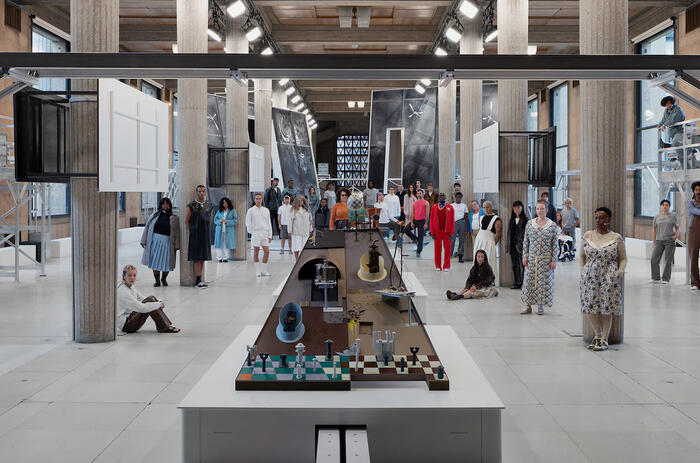
In a city where art and fashion have long shared the same stage, one of the most talked-about encounters during Art Basel Paris week was 30 Blizzards, a performative project by British artist Helen Marten, presented by Miu Miu at the Palais d’Iéna. The preview gathered an international mix of collectors, curators, and fashion figures, confirming how naturally these worlds now intersect.

By Violeta Lozada
As the global art market recalibrates, a quiet but powerful shift is rising. Collectors are increasingly moving away from multimillion-dollar blue-chip purchases and towards living artists whose work offers emotional resonance, personal connection, and affordability. Cuban painter Eric Alfaro is a standout in this new wave, an artist whose work combines painterly sophistication with accessible pricing and deeply human themes.

Organized by Pinta in collaboration with Meridian International Center, CAF – Development Bank of Latin America and the Caribbean – and CC LATAM, the exhibition brings together works by artists from seven countries addressing themes of identity, territory, and memory, reaffirming the value of art as a tool for regional integration.
By Candelaria Penido
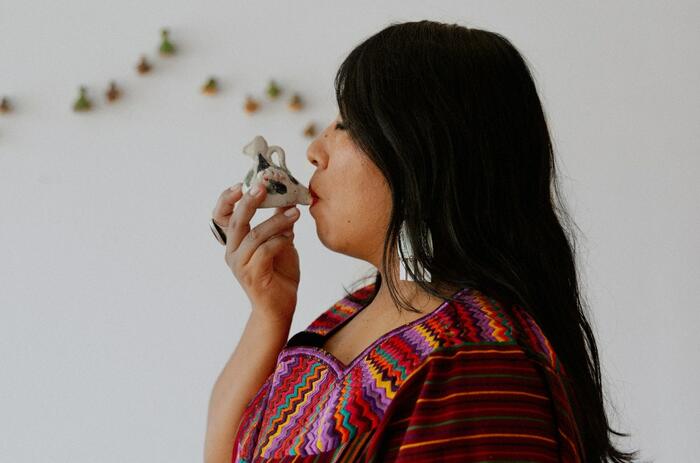
ARTBO, Bogotá’s international art fair held from September 25 to 28, once again reaffirmed its position as one of Latin America’s most relevant platforms. It brought together 46 galleries and more than 180 artists across the five floors of Ágora Convention Center. With a program intertwining market and thought, this year’s edition emphasized diversity in formats, trajectories, and geographies, offering a multifaceted map of contemporary regional production.
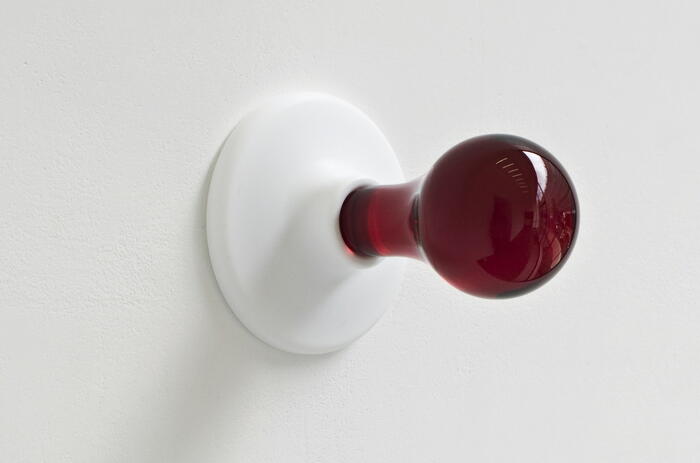
Mazzoleni presents in Turin a survey of more than two decades of the Brazilian artist’s work.
By Patricia Avena Navarro
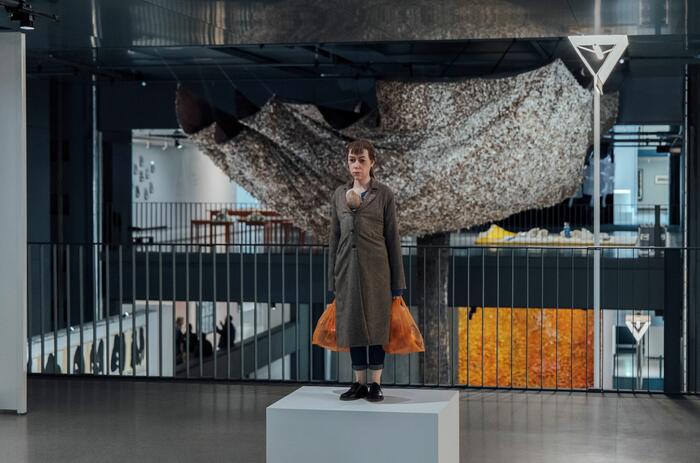
The Cartier Foundation settles into Place du Palais-Royal in Paris to write a new chapter in its history at the heart of the capital, inaugurating its new space by exhibiting the “must-haves” of forty years of collecting.
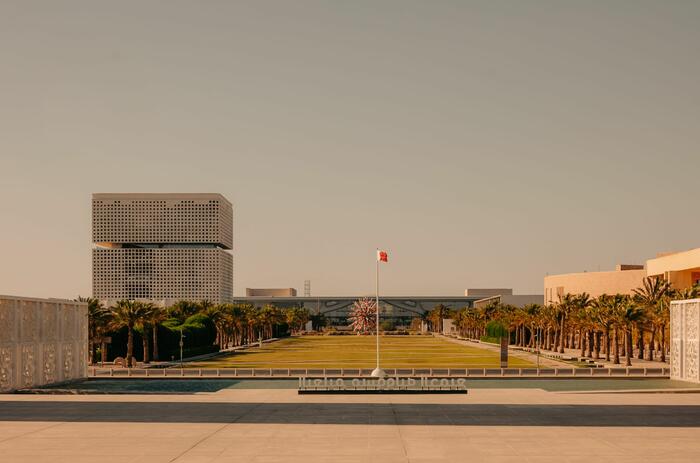
As 2025 draws to a close, the long-anticipated recovery of the global art market has not yet truly taken shape. The cautious optimism that marked the end of 2024 quickly gave way to a more sobering reality.

Frida Kahlo has entered a new chapter of global recognition. The sale of El sueño (La cama) for $54.66 million at Sotheby’s marks the highest price ever achieved by a woman artist at auction and the strongest result for any modern Latin American artist.

How new U.S. trade policies are reshaping the movement of art and design, blurring the line between cultural object and commercial good.
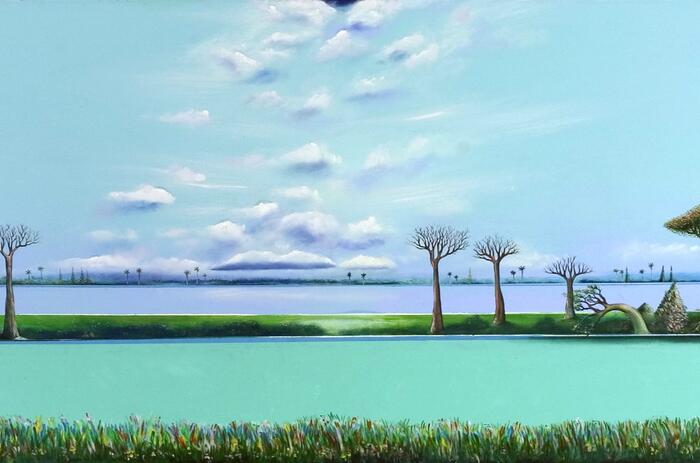
The project seeks to promote encounters, exchange, and the creation of networks within the British art ecosystem.
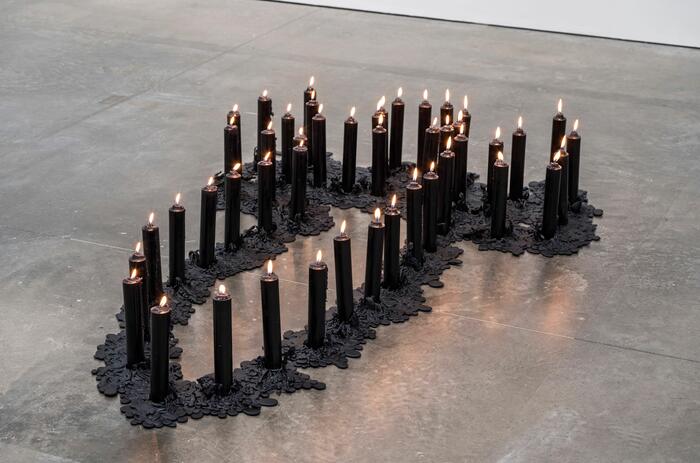
The Marian Goodman Gallery in New York is presenting its inaugural exhibition Ana Mendieta Back to the Source. Thoughtfully and beautifully installed, the exhibition presents a significant body of work from 1972 to 1985 that includes photographs, the installation Ñañigo Burial, designs on leaves, drawings of hands and female figures on paper with ink, graphite and wash, ten films, and two vitrines with diverse personal items.