By
María Sancho-Arroyo
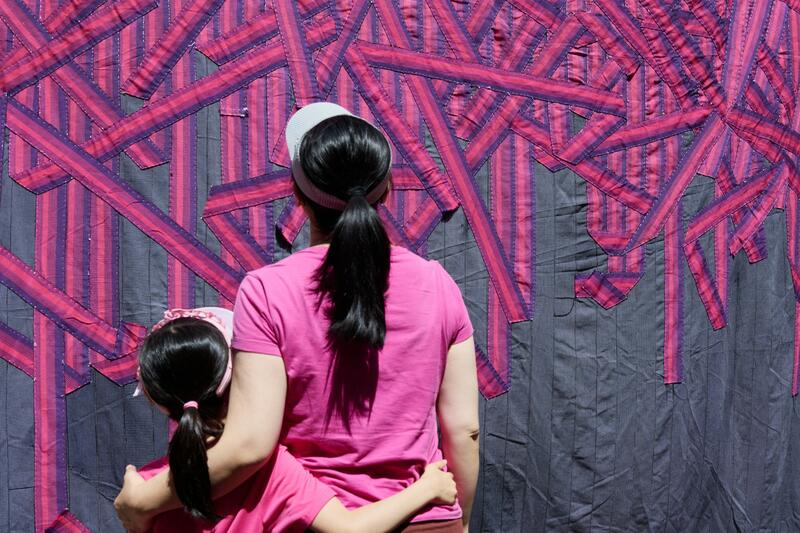
Art Basel in Basel remains the centerpiece of one of the most intense weeks in the international art calendar. While dozens of exhibitions, events, and satellite fairs take place across the city, the fair itself continues to set the tone for the market and offers a valuable opportunity to gauge both collector sentiment and broader trends in contemporary art.
A Market Led by Established Names
This year’s edition struck a cautious note. On the main floor, the major international galleries leaned heavily on proven names: Picasso, Joan Mitchell, Helen Frankenthaler, recently deceased figures such as Georg Baselitz and David Hockney, and a long list of established living artists. Solo presentations were scarce. Instead, most stands offered broad, carefully balanced selections designed to reassure collectors with familiarity, quality and market confidence. The contrast with the upper floor was noticeable. There, among smaller and more regional galleries, the fair opened up slightly.
The artists were not always emerging, but the presentations felt less predictable and more exploratory. Still, the overall mood was clear: this was not an edition driven by risk, but by caution, consolidation and the strength of names collectors already know.
Digital Art Finds Its Historical Frame
This year also marked an important step for digital art. For the first time, Art Basel Basel introduced Zero10, a dedicated digital art sector, following similar initiatives in Miami Beach and Hong Kong. The section felt very Basel in tone. Rather than focusing on market hype or technological spectacle, Zero10 looked as much to the past as it did to the future. Pioneers such as Vera Molnár and Ben Laposky helped establish a dialogue between contemporary digital practices and the origins of computer-generated art. This historical approach also created interesting connections with other sections of the fair. The presence of artists such as Andreas Gursky reinforced the idea that digital art is increasingly becoming part of the wider narrative of modern and contemporary art, rather than occupying a niche of its own.
A Selective but Active Market
The VIP opening days drew large crowds, with collectors, curators, advisors, and museum professionals filling the aisles from the first hours. The audience was predominantly European. American collectors and advisors were clearly present, as were visitors from Asia and the Gulf, but Basel increasingly feels like the European anchor of the broader Art Basel network. The overall atmosphere reflected a market that remains selective. Collectors appeared willing to spend, but mainly on artists with established reputations and proven markets. The mood was active and engaged, but cautious, with attention concentrated on artists whose markets are already well established.
I should disclose that I had a privileged perspective on the fair this year, as I was working with Art Basel and had access to the exhibition halls outside public opening hours. This made certain things more visible. One of them was the constant movement of works at some of the major galleries. At Gagosian, in particular, the display changed every day of the fair, with works being replaced from one day to the next. Without formal disclosures, it is impossible to know whether these changes reflected sales or a strategic rotation of inventory. What was clear, however, was the extraordinary depth of inventory available to the largest galleries, many of which were also presenting additional works in private viewing rooms.
Unlimited: Scale and Power
The Unlimited sector offered fewer surprises than in some previous editions, although it still included several memorable projects. Among the strongest was Eva Jospin’s immersive architectural environment, a circular grotto-like structure built from her characteristic cardboard forests. It combined technical mastery with an almost theatrical sense of discovery. One of the most discussed works, however, was also one of the smallest: Ryan Gander’s animatronic mouse. Its modest scale stood in sharp contrast to the monumental installations around it and showed how humor and a well-placed element of surprise can attract as much attention as sheer size.
Unlimited also reflected a broader shift visible throughout the week. While recent editions often foregrounded questions of identity, race, gender, and social inclusion, this year’s tone seemed more focused on politics, authority, and power. From Chris Burden’s police uniforms to works addressing surveillance, conflict, nationalism, and state structures, many artists appeared to be responding to an increasingly unstable geopolitical climate. The main challenge remains the space itself. Its scale allows for ambitious projects, but the acoustics are difficult. After several hours inside the hall, especially when guiding groups or moving through crowded aisles, the constant echo becomes surprisingly exhausting. It is a practical detail rarely mentioned in reviews, but one that significantly affects the visitor experience.
Beyond the Fairgrounds
Yet Art Basel is only part of what makes the week special. Basel itself contributes significantly to the experience. Compact, efficient, and easy to navigate by tram, the city offers a welcome contrast to the logistical challenges of some other major art fairs. The ability to move easily between the fairgrounds, museums, satellite fairs, galleries, and social events makes the week unusually productive.
One of the pleasures of Basel week is that the experience extends far beyond the fairgrounds. The city’s museums become an essential part of the conversation, often providing historical context for many of the artists and ideas encountered at the fair. Among this year’s most rewarding exhibitions was the Helen Frankenthaler retrospective at the Kunstmuseum Basel. It offered an excellent opportunity to revisit her contribution to post-war abstraction and to appreciate the breadth of her practice. During a week dominated by the commercial rhythm of the fair, the exhibition provided a valuable moment of depth and perspective. A visit to Fondation Beyeler remains almost obligatory during Art Basel. Regardless of the temporary exhibitions, the institution itself is a reminder of what a private collection can become when combined with thoughtful architecture and an exceptional setting. Located just outside the city centre, it continues to offer one of the most memorable combinations of art, landscape, and architecture in Basel.
Satellites
Among the satellite fairs, Liste remains the most important platform for younger galleries. As always, several presentations suggested future candidates for the main fair. The quality was often strong, although the industrial architecture of the venue, with its exceptionally high ceilings, can make it difficult for smaller works to command attention. More than once, I found myself looking at works that might not have seemed out of place on the upper floor of Art Basel, yet appeared diminished by the scale of the space. Liste rewards visitors who are willing to slow down and look carefully.
Volta occupied a different position. It offered many accessible and visually appealing works, often at more approachable price points. Much of the material was decorative in the positive sense of the word: works designed to live comfortably in collectors’ homes. Whether many of these artists will achieve lasting historical significance remains to be seen, but the fair clearly serves a segment of the market that values affordability and visual appeal.
Then there is Art Basel Social Club, perhaps the most talked-about satellite event of recent years. Open late into the night and attracting large crowds, it functions as much as a social gathering as an exhibition platform. The atmosphere is energetic and highly visible, but the artistic quality is uneven. For traditional collectors, its interest lies less in the artworks themselves than in observing a different corner of the contemporary art ecosystem. There is plenty of hype. Whether there is an equivalent level of artistic substance is another question.
Basel Rituals
Basel week is not only about art. It is also about rituals. The traditional sausages remain a favourite among many visitors, but I have to admit that I personally prefer the raclette, ideally accompanied by a glass of white wine. Another Basel ritual is swimming in the Rhine. Every summer, locals enter the river with their Wickelfisch, the waterproof swim bag that keeps clothes and valuables dry while the current carries them downstream. During the fair, this familiar city tradition becomes part of the wider atmosphere of the week. This year, with unusually high temperatures, the river seemed even more inviting. Art Basel even offered Wickelfisch bags to galleries, a small but telling gesture that connected the fair to one of the city’s most beloved summer traditions. The sight of swimmers floating past with their brightly coloured bags added a distinctly summery note to the week.
Taking the Pulse of the Market
Ultimately, Art Basel continues to offer something that no sales report or market analysis can fully capture. Beyond the artworks, it is a place of encounters and reunions, where friends, colleagues, collectors, advisors, curators, and museum professionals from different parts of the world come together for a few intense days. Those conversations, chance meetings, and shared walks through the fair offer a unique opportunity to observe the people who shape the art world, identify emerging concerns, and take the pulse of a market that remains selective but remarkably resilient. The days are demanding, and the sensory overload is real, but Art Basel remains one of the best places in the world to understand where the art market stands today and where it may be heading tomorrow.
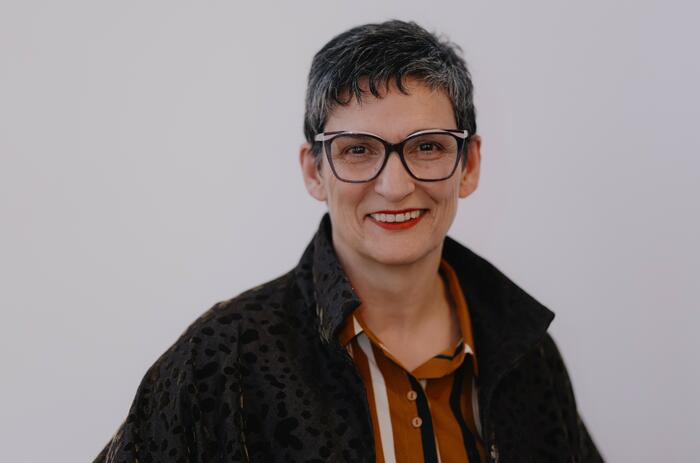
Interview with Nuria Enguita, Artistic Director, MAC/CCB – Museum of Contemporary Art and Architecture Centre (Museu de Arte Contemporânea e Centro de Arquitetura), Lisbon.
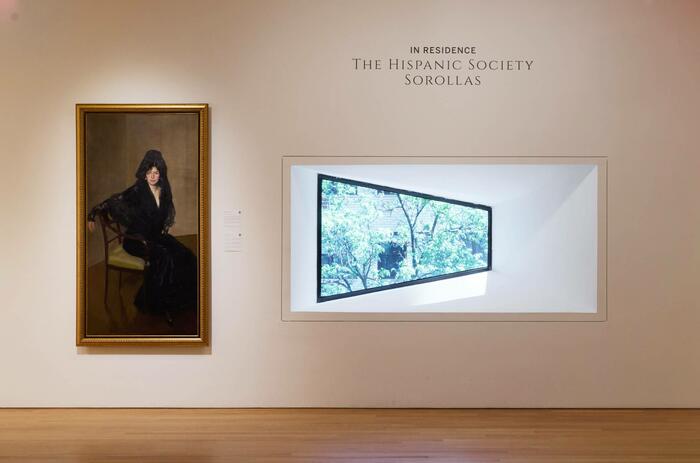
Three paintings by Joaquín Sorolla from the Hispanic Society Museum & Library have travelled south from Washington Heights to Madison Avenue. Installed this spring at Sotheby’s New York headquarters, they are part of a small exhibition with a broader significance: the launch of a new initiative that reflects the increasingly fluid relationship between museums and market institutions.
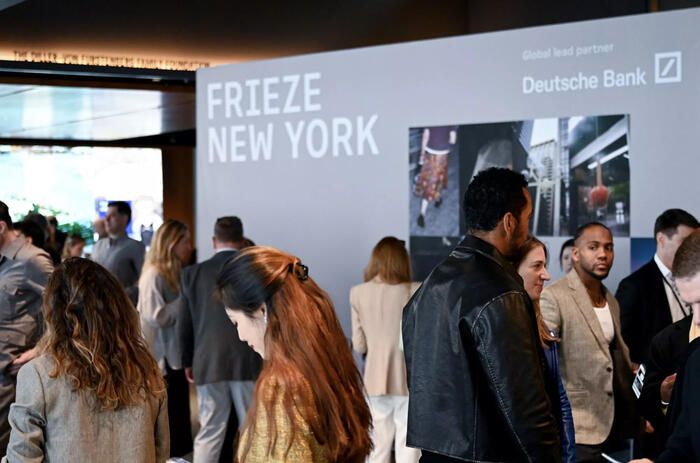
New York Art Week 2026 appears to confirm something the market has been cautiously anticipating for months: the upper end of the art market has decisively returned, while the middle market continues to recover more selectively. Across fairs and auctions alike, buyers showed strong appetite for established artists, fresh-to-market works, and collections with exceptional provenance.
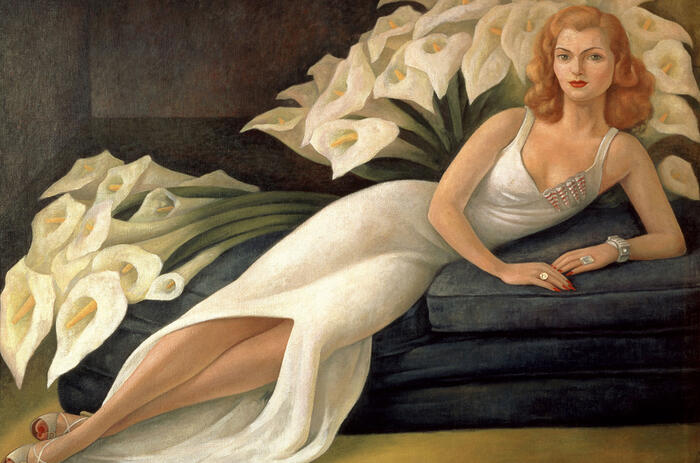
The current controversy highlights the difficult coexistence between the collection’s private ownership and the heritage protection that covers part of its works.
Prestige at a Discount: Salaries and Careers in the Art World
By Maria Paula Suarez and Montserrat Miranda Ayejes
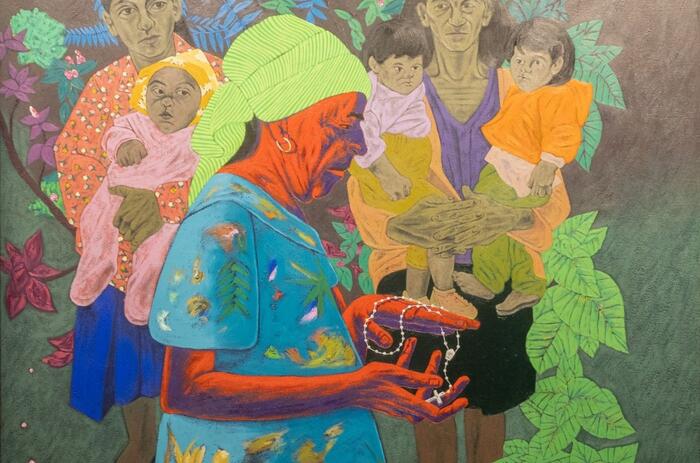
When discussing the growing international recognition of Latin American and Caribbean art, attention often turns to museums, galleries, art fairs, and collectors. Yet some of the earliest and most sustained initiatives emerged outside the traditional art world. This is the case of the art collection of the Inter-American Development Bank (IDB), which, with a history spanning nearly seven decades, today brings together close to 1,800 works from Latin America and the Caribbean.