
Contemporary art publications about Perú

PINTA LIMA 2025: ENTHUSIASM, QUALITY AND A SCENE GAINING GLOBAL MOMENTUM
This was my first visit to Lima (and I hope it’s the first of many), and I came to take part in Pinta Lima 2025—an incredibly enriching experience. From the opening to the close, the fair was full of life: buzzing rooms, lively conversations, and unexpected encounters. There was an unmistakable energy in the air, the kind that comes from a city that takes seriously its place on the Latin American contemporary art map.
LEGACY, ESTABLISHED ART, AND THE EMERGING: A CONVERSATION AT PINTA LIMA 2025
After four days of intense activity, during which key figures from the international and regional contemporary art scenes came together, the twelfth edition of Pinta Lima concluded at Casa Prado, reaffirming itself as one of the main events for contemporary art in Peru. This edition, directed by Irene Gelfman, celebrated cultural legacy and projected the future of Latin American art at a time when the Peruvian ecosystem —with the international rise of its artists, the strengthening of its gallery circuit, and the growth of local collecting— is advancing strongly toward consolidation.
YESTERDAY AND TOMORROW, INSIDE AND OUTSIDE: SPECIAL PROJECT AT PINTA LIMA
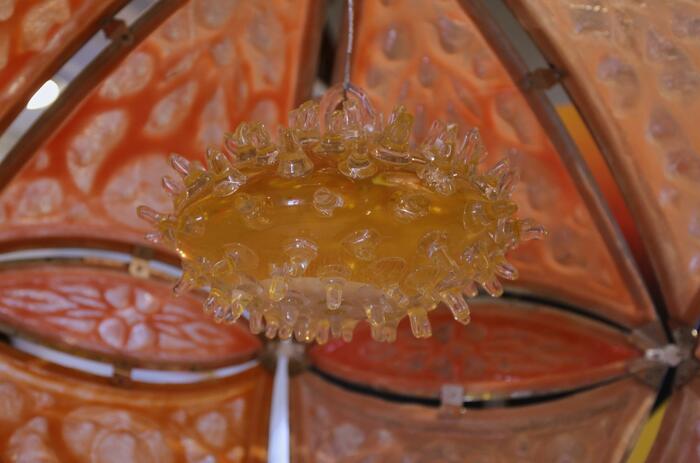
A system. An architecture. A way of setting out the guidelines that connect millenary myths with the manifestations provided by the present. Lo que este paisaje puede decir sobre el futuro (What this landscape can say about the future), Pinta Lima's Special Project, is an oracle: a sacred space that reveals the union between what is and what can be.
FOUR ARTWORKS THAT TRACE TERESA BURGA'S REVOLUTIONARY JOURNEY
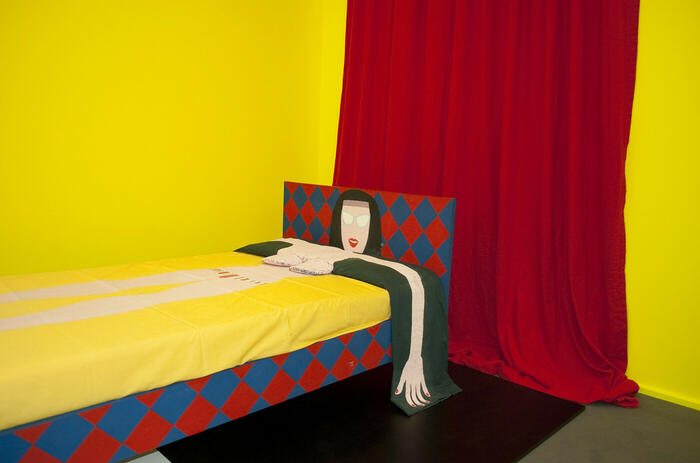
The enduring legacy of Teresa Burga (Iquitos, 1935 – Lima, 2021) is celebrated at the Latin American art fair Pinta Lima, where she was selected as the tribute artist for the Special Project, curated by Miguel A. López. The exhibition brings together, for the first time, various moments of her production between 1966 and 2020, showcasing the intelligence, boldness, and versatility of an artist who was not always recognized or understood in her time.
BEDOYA, BRUGUERA AND VÁZQUES YUI AT PROYECTOAMIL
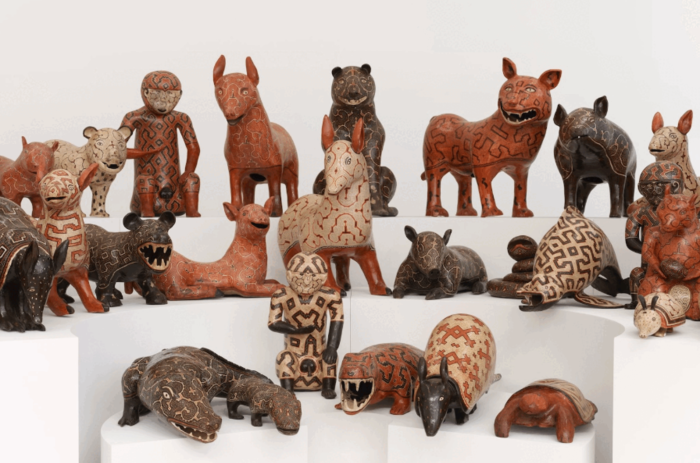
Three proposals that explore the relationships between art, environment and society from unique perspectives. Although the artists come from different practices, communities and perspectives, their works dialogue with each other, offering an enriching and diverse experience.
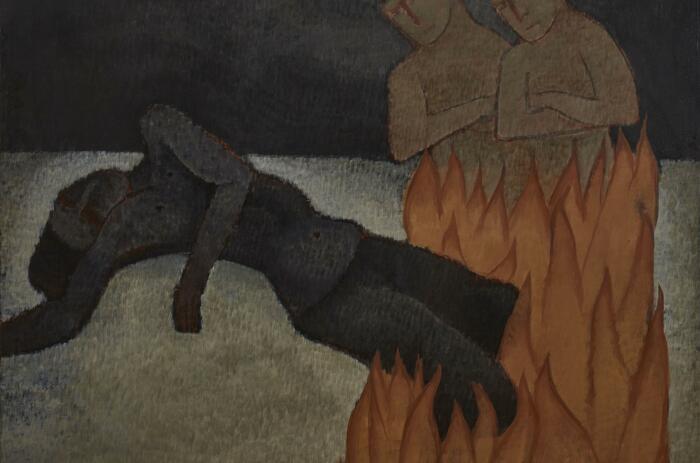
BRUNO ZEPPILLI: IMAGES OF A SILENCED HISTORY
The Museo de Arte de Lima (MALI) presents Transformaciones visuales, an exhibition dedicated to the work of Peruvian artist Bruno Zeppilli. The show offers a provocative reading of how certain images persist in Peru’s collective memory.
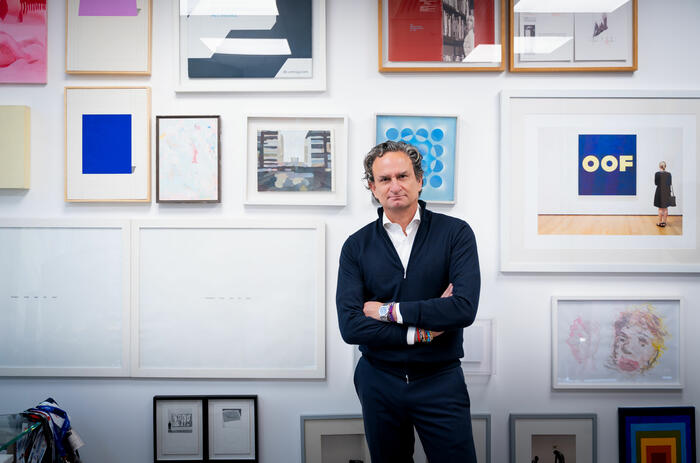
ALBERTO REBAZA: COLLECTING AND ARTIST RESIDENCIES IN PERU
Alberto Rebaza is one of the most influential collectors in Peru. He began collecting in the late 1990s, driven by the rebirth of contemporary Peruvian art. Alongside his wife, Ginette Lumbroso, he has expanded the Rebaza Collection to include Latin American and European artists, with a keen eye for the connections between art and culture. They also lead an artist residency program that promotes exchange between international creators and the local scene. In conversation with Arte al Día, he shares his perspective on collecting, the value of residencies, and the role of art as a tool for connection.
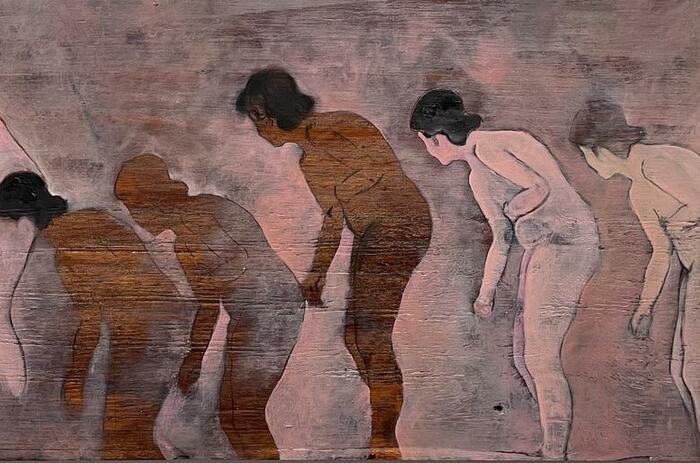
PINTA LIMA: TWO CURATORIAL PROJECTS THAT NARRATE THE EVERYDAY ENVIRONMENT
In its 2025 edition, the Latin American contemporary art fair presents, through RADAR and Video Project, a selection of works that engage with key issues of the present—both within the artistic field and beyond it: from questions surrounding the re-signification of ancestral knowledge to reflections on the idiosyncrasies of human nature.
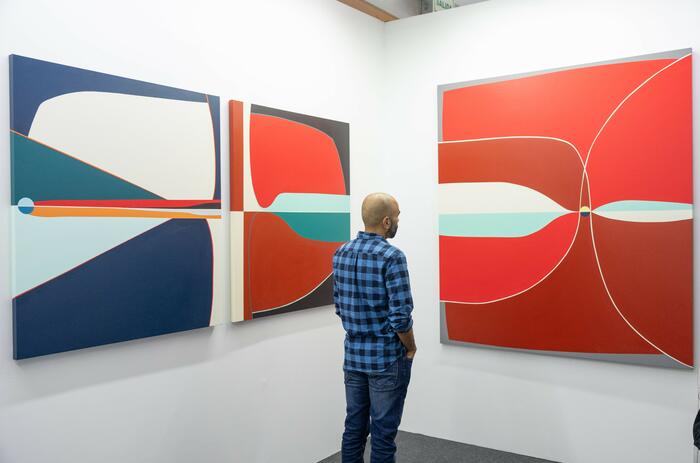
FORO PINTA LIMA 2025: REFLECTIONS ABOUT THE MARKET OF A REGION
The sustained rise of Peruvian artists in the contemporary art circuit abroad, the incipient professionalization of the gallery circuit and an expanding local collecting are symptoms of an ecosystem that, although still young, is consolidating. In this context, Pinta Lima inaugurates its 2025 edition as a platform that makes the country's artistic production visible and presents its circuit of Collection Talks within the framework of the FORO conversation.
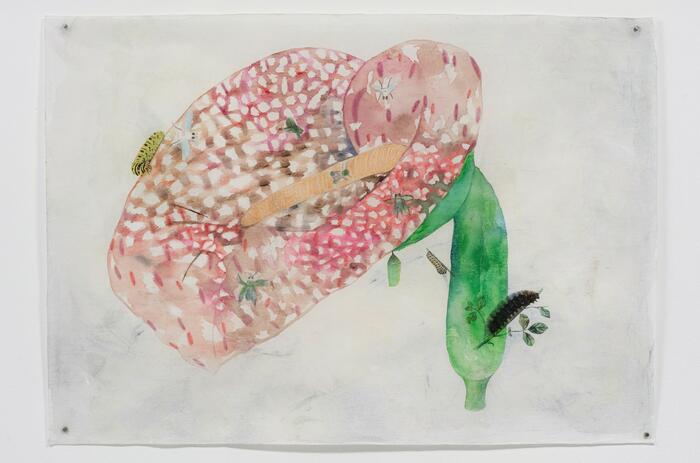
ALEJANDRA MONTEVERDE AND CRISIS GALERÍA: MEMORY, BODY, AND TERRITORY
Alejandra Monteverde is the founder of Crisis Galería, an art space located in Lima, Peru. The institution will be part of the RADAR section at the 2025 edition of Pinta Lima, a platform for artists to engage with some of the most pressing discussions in contemporary Latin American art. Crisis Galería will present “stories of resistance, transformation, and belonging.”
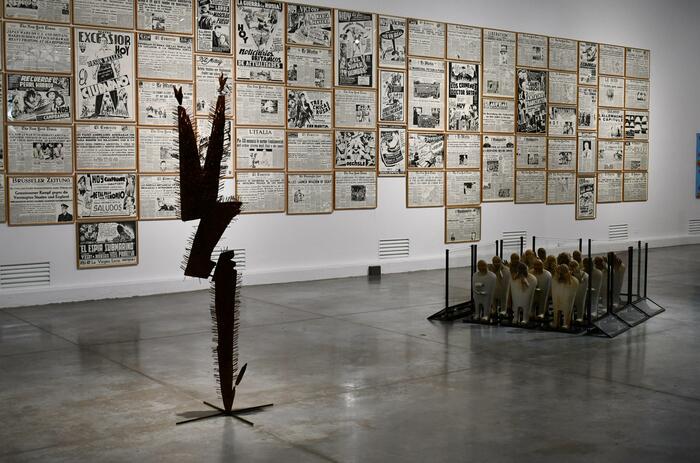
MATTER AND ALCHEMY: 70 YEARS OF PERUVIAN ART AT MAC LIMA
MAC Lima has inaugurated Contemporáneo 1. Materia :: Alchemy :: Device :: Flow, an exhibition poised to become a landmark for contemporary art in Peru. The show, the first in a series of biennial exhibitions based on the museum's collection, brings together the work of over 100 local contemporary artists.
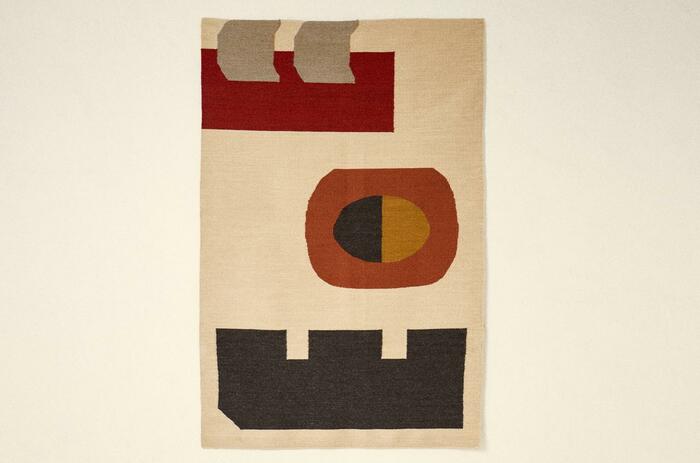
A PROJECT THAT “ACTIVATES THE PAST AS POSSIBILITY” AT PINTA LIMA
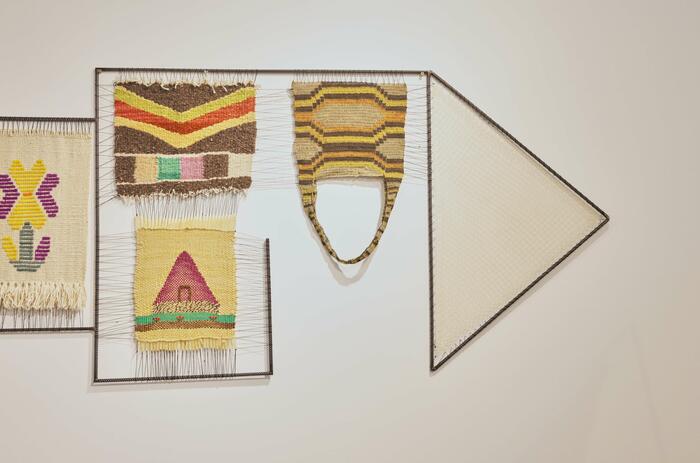
Peruvian artist Yerko Zlatar, alongside Mariana Otero, director of Puna gallery (Peru), explores the contemporaneity of traditional crafts in the NEXT Section of the fair. The collaborative duo showcases unique pieces rooted in traditional practices such as weaving, ceramics, and basketry, understood as living languages that enable the creation of new works of art.
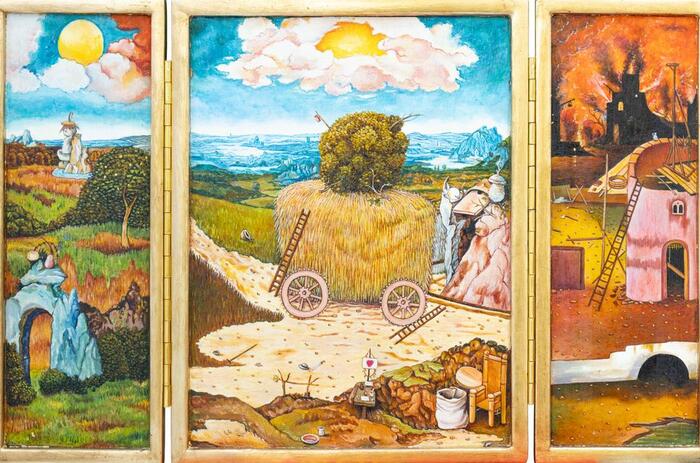
COLOMBIAN PRESENCE AT PINTA LIMA: THREE PROPOSALS FROM BOGOTÁ
Pinta Lima returns for its 12th edition from April 24 to 27, 2025, bringing with it three Bogotá-based galleries offering versatile and thought-provoking proposals. Together, they create a dialogue that spans a wide thematic universe characteristic of contemporary art: exploring the passage of time and materiality, questioning art history and identity, and exposing the visual culture of mass media.
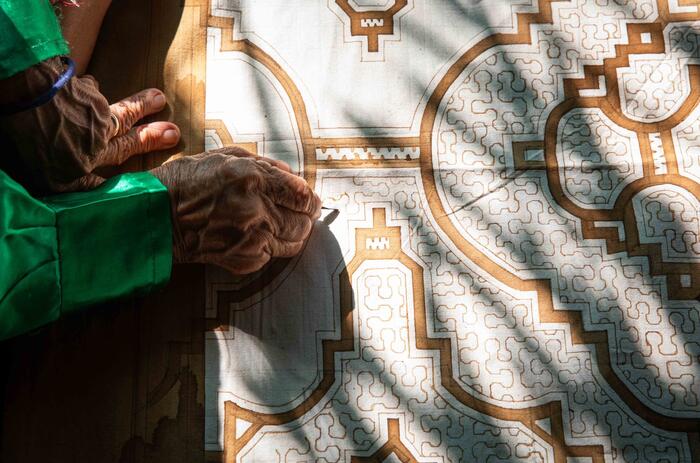
A SHIPIBO-KONIBO ARTIST IN A PERUVIAN MUSEUM: ECOFEMINISM AND DEEP ECOLOGY
The Museo de Arte de Lima (MALI), in collaboration with the Shipibo Conibo Center in New York and with the support of proyectoamil in Lima and White Cube gallery in London, presented the exhibition Sara Flores. Non Nete, the first solo show of the renowned Shipibo-Konibo artist in a Peruvian museum.
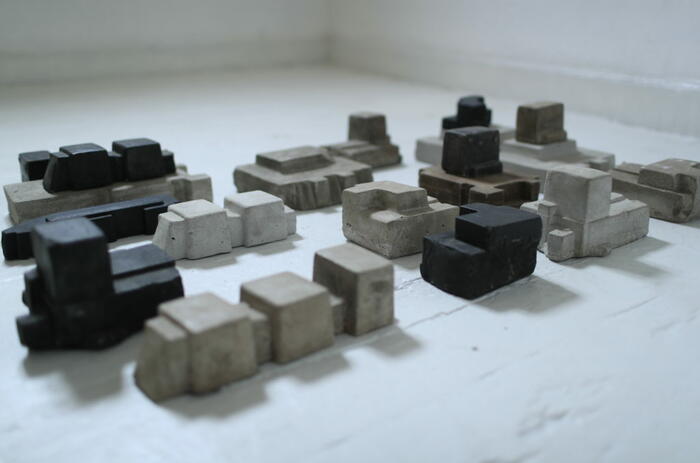
BETWEEN COSMOS AND ALGORITHM: YERKO ZLATAR'S VISION AT MALI
At the Lima Art Museum – MALI, the exhibition Yerko Zlatar. Ancestral Technology is currently on view. This show invites reflection on the contrast between the deep, harmonious connection that ancient Andean civilizations had with the cosmos and their environment, and the way we now live, governed by a technology driven by consumerism and individualism.
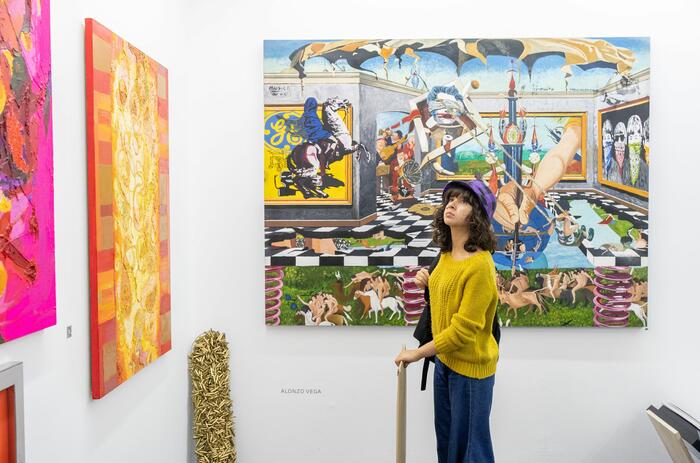
PERU ADVANCES STEADILY ON THE CONTEMPORARY ART MAP
Peruvian contemporary art is experiencing a vibrant moment. Over the past decade, its art ecosystem has begun to consolidate, with a growing local collector base, a more professional gallery scene, and an increasing number of artists gaining international visibility. However, it remains an early stage, with a small and fragile market that requires stronger structures to support its development. Unlike other countries in the region, Peru lacks strong institutional support for contemporary art.
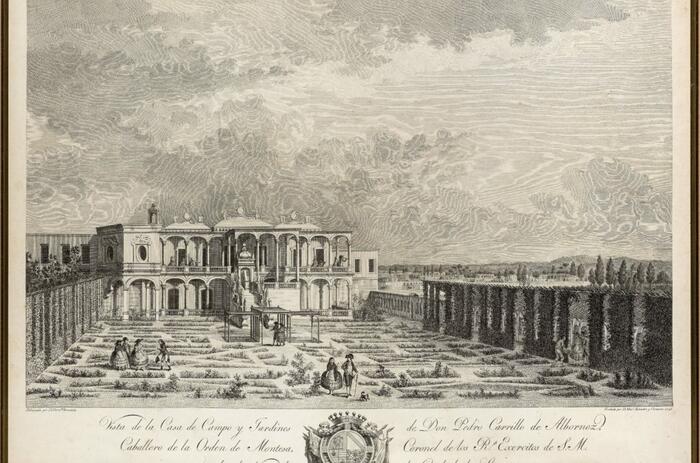
FAMILY STORIES: THE GASTAÑETA CARRILLO DE ALBORNOZ COLLECTION AT MALI
The exhibition, which opened on November 28, 2024, presents for the first time a family collection of great significance to Peruvian history, consisting of portraits, religious paintings, and various objects. These pieces allow for an exploration of different aspects of life in the viceregal court of Lima during the 18th century.
FRYE ART MUSEUM WELCOMES TWO NEW BOARD MEMBERS
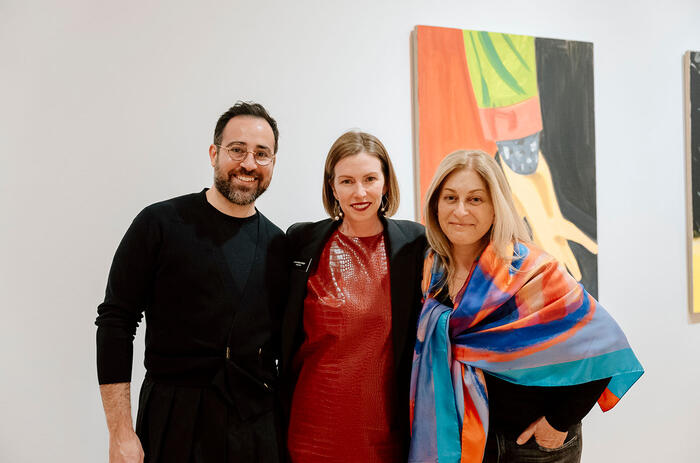
The Frye Art Museum announced the appointment of Rafael Soldi and Stephanie DeVaan to the Board of Trustees; their official term began February 10, 2025. Their addition expands the board to eleven members. DeVaan brings extensive nonprofit board experience as well as connections to both the tech and film communities, and Soldi is the first working artist to join the museum's board.
PINTA LIMA 2025: A GREAT MEETING OF CONTEMPORARY LATIN AMERICAN ART
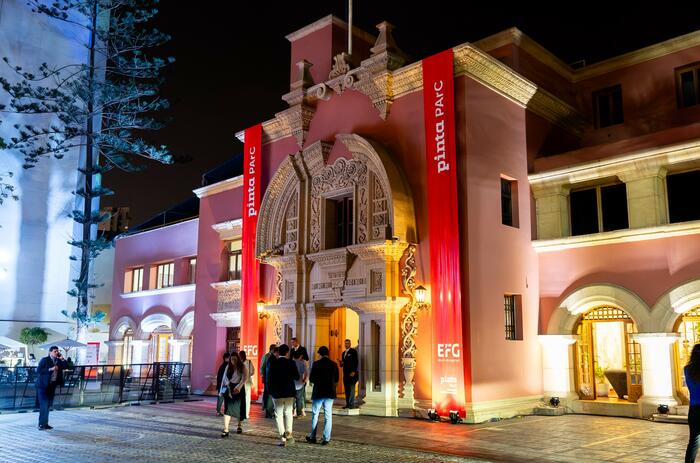
Pinta Lima is the most important contemporary art fair in Peru, presenting in its 12th edition a solid program that celebrates the diversity of the Latin American artistic and cultural scene. Located at Casa Prado in Miraflores, Lima, the fair is an essential event where a network of artists, galleries, curators, and collectors from the region connect with the international scene.
A REVISIT TO THE WORK OF RAPHAEL HASTINGS AT ICPNA
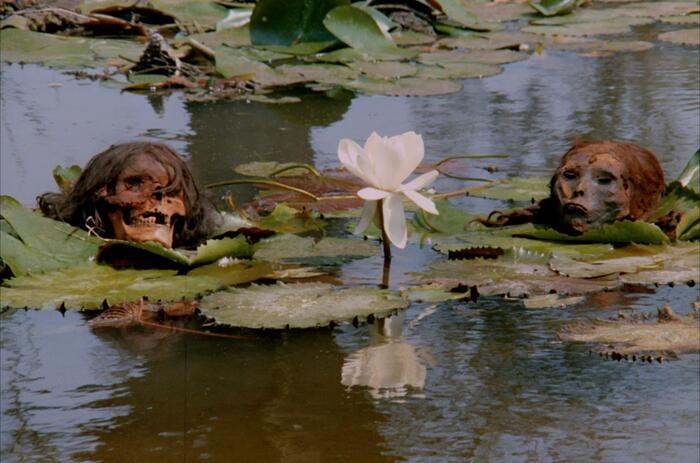
The exhibition El incondicionado desocultamiento: las experimentaciones audiovisuales de Rafael Hastings (The Unconditioned Unveiling: Rafael Hastings’ Audiovisual Experimentations) has opened at the ICPNA San Miguel space, offering a revisit of the Peruvian visual artist’s filmic work.
MAC LIMA LAUNCHES ITS CYCLE OF TEMPORARY EXHIBITIONS
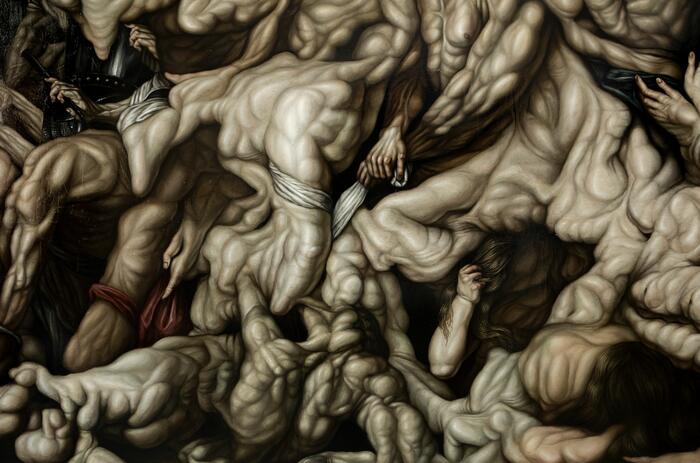
The renowned artist Moico Yaker returns to the exhibition halls with a solo show after six years to present Conversaciones en el zoológico (Conversations at the Zoo), while Rafael Pascuale explores the relationship between the body and fragility in Espejos de una humanidad perdida (Mirrors of a Lost Humanity).
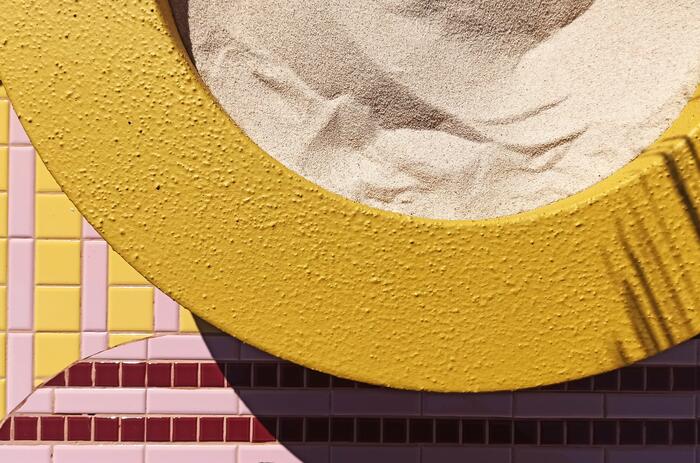
SPACE AND SENSES IN ANDREA CANEPA
The intervention Wasi Llamkha (Place and touch), by artist Andrea Canepa (Lima, Peru, 1980), stands on the South Patio of Madrid's Condeduque. This pavilion, designed as an ephemeral architectural structure, invites us to explore its sensorial value, far from the preeminence of the visual, and claims, by way of inspiration, the quipus, the forms of representation and recording of information from pre-Columbian Peru.
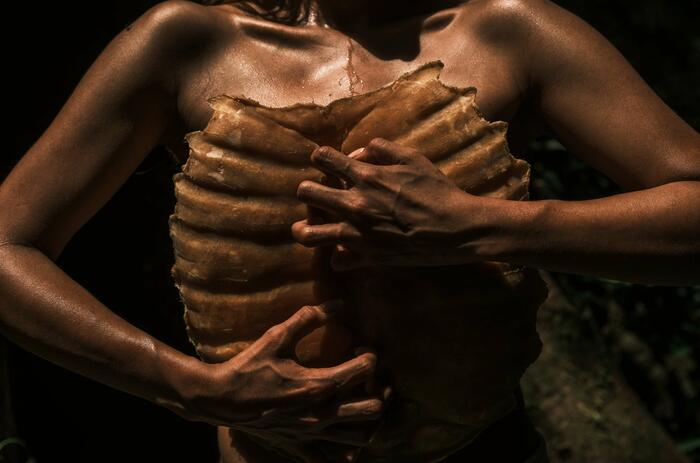
KAY EXPOSES "THE DARK SIDE OF COLLECTIVE MEMORIES" IN LIMA
With an innovative perspective and a personal scenic language, KAY presents a play that reveals how the myths of the Amazon have been distorted to conceal the violence lurking over the women and girls of the region. The performance will serve as the closing event of the tenth edition of the prestigious theater and dance festival Temporada Alta, organized by the Alianza Francesa de Lima.
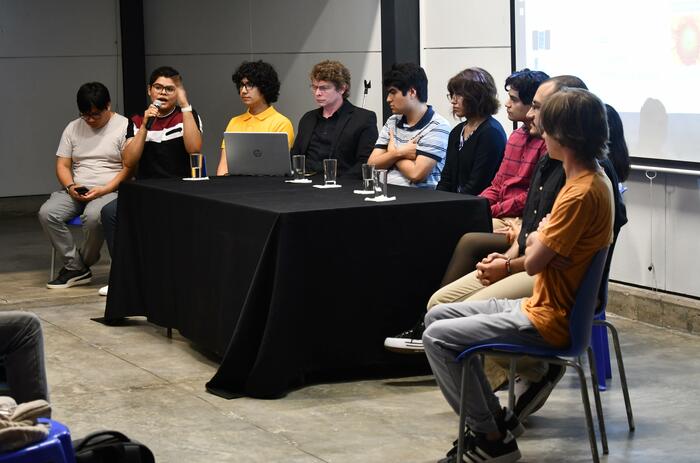
DIGITAL ART EXPANDS IN PERU
The Museum of Contemporary Art of Lima (MAC) is organizing New Horizons of Digital Art, aimed at young people and adults, as part of the public program of the exhibition Artware 9. Lima Digital Art Biennial.

PERUVIAN AMAZONIAN ART THROUGH THE HOCHSCHILD CORREA COLLECTION
The Hochschild Correa Collection boasts of being the most complete private collection of contemporary art from the Peruvian Amazon. Nevertheless, for more than a decade, it has been built on a varied and unrestricted collection, which has made it possible to bring together the different trends and techniques currently being used in the region, with a focus on dialogue and a certain relational patina among the works that make up the collection.

CELEBRATING PERUVIAN ART: MALI'S SUMMER AUCTION RETURNS
The Lima Art Museum (MALI) has announced the return of its emblematic event, thanks to the sponsorship of BBVA Global Wealth and RIMAC. The showcase will take place on February 21 at Playa del Golf, in the Asia beach resort.
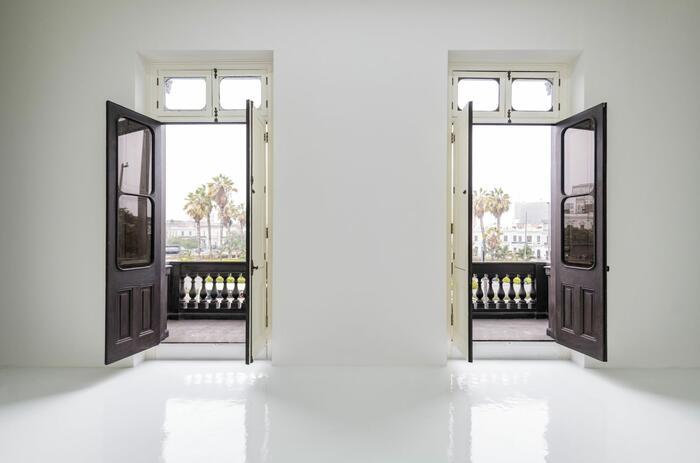
GATO: THE GALLERY THAT SEEKS TO GENERATE NEW DIALOGUES IN PERU
At Plaza Bolognesi, in the historic center of Lima, has opened GATO. Co-founded by Axier Villanueva and Oscar Flórit, this art platform seeks to sustain a dynamic, institutional-level program in a unique commercial environment.
POETRY IN THE DIGITAL WORLD AT MAC LIMA
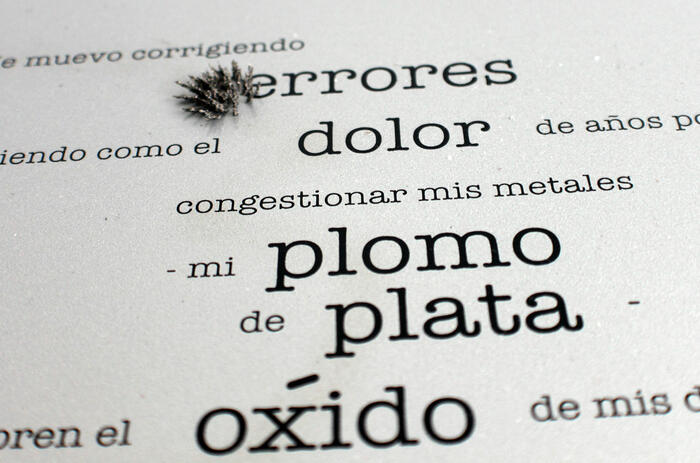
The Museum of Contemporary Art of Lima (MAC Lima) presents La poesía es una invasión (Poetry is an invasion), a retrospective celebrating the 25-year career of José Aburto Zolezzi, a pioneer in experimental electronic literature.

EXPLORING PERU AND ITALY: A JOURNEY THROUGH SHARED HISTORY
Milan hosts an extraordinary exhibition marking the bicentenary of Peru’s independence, the 150th anniversary of Italy-Peru diplomatic ties, and the bicentenary of Antonio Raimondi, a Milanese explorer who greatly contributed to the country. Organized with the Consulate General of Peru, the display at MUDEC’s Agora highlights key moments in its liberation through museum artifacts.
THE LATINX NOTION IN NEXT: FIVE ARTISTS FEATURED IN PINTA MIAMI
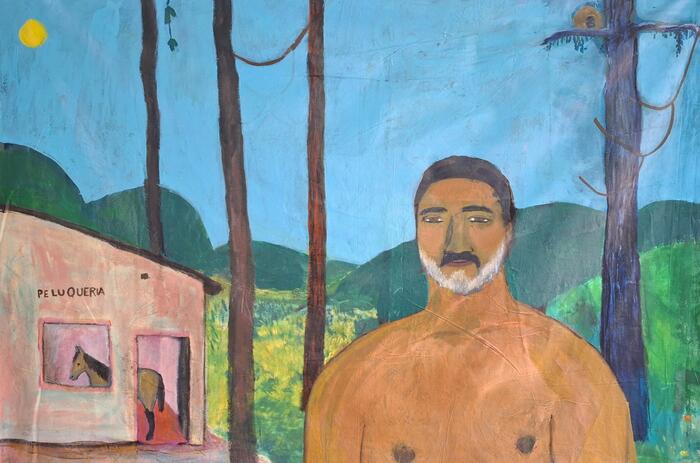
Pinta Miami brings together artists who explore the identity, memory and cultural diversity of Ibero-America. In this 2024 edition, several proposals seek to redefine the Latinx notion from unique and transformative perspectives.