
DANCING OUR PROBLEMS: LATIN AMERICAN PRESENCE AT MOCA’S ART ON THE PLAZA 2026 AWARDS IN MIAMI
In a context marked by the debate on immigration in the United States, Joan Jiménez Suero (Perú) has been recognized by the Museum of Contemporary Art - North Miami (MOCA) for a proposal that reflects on the identity, memory, and resistance of the Latin diaspora.
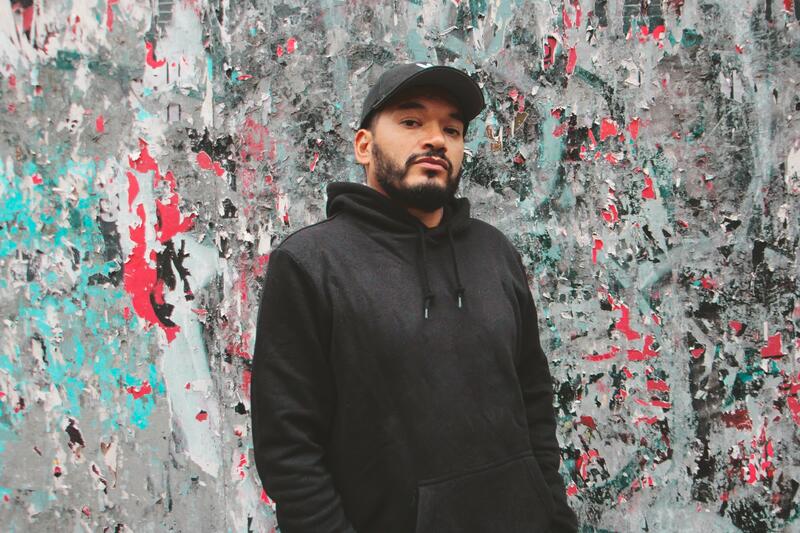
The Peruvian multidisciplinary artist based in Miami, Joan Jiménez Suero (Entes), has been selected as one of the three winners of Art on the Plaza 2026, an initiative by the Museum of Contemporary Art - North Miami (MOCA), as part of the institution’s 30th anniversary, for his work Bailando Nuestros Problemas (Dancing Our Problems), whose official opening will take place on April 15.
Entes is known for an artistic practice that celebrates and amplifies Afro-descendant Latin American cultures and communities. His work has evolved from the public sphere into a contemporary proposal that brings together different languages such as painting, sculpture, and graffiti.
The Art on the Plaza initiative annually invites contemporary artists to intervene in the museum’s surroundings with proposals that engage with the social and urban context. In this edition, the artist was distinguished for an installation that addresses the Latin experience in the United States through a sensitive and deeply symbolic approach.
The exhibition presents a series of moving metal sculptures that reinterpret a material historically associated with rigid structures, transforming it into a language of fluidity, expression, and reminiscence. Inspired by Afro-Peruvian tradition and popular culture surrounding salsa—a rhythm born in port neighborhoods and among historically segregated ethnic groups—the pieces—musicians, dancers, and couples on stage—evoke collective practices that sustain identity and community.
In them, dance ceases to be merely celebratory and becomes a way of enduring, resisting, and claiming space. It also becomes a gesture that sustains bonds and affirms the presence of a diaspora that organizes and survives through movement.
“The project engages with a Latin American visual genealogy that has transformed the representation of racialized bodies. Like the indigenists, who positioned Indigenous and Afro-descendant peoples as cultural producers, these sculptures seek to assert that the popular is not peripheral, but fundamental,” the artist states.
Installed in the museum’s public space, the proposal projects a Latin American presence into the public sphere, connecting territories from South America and the Caribbean with a city like Miami, and reaffirming art as a space for encounter, memory, and projection.
Bailando Nuestros Problemas (Dancing Our Problems) will be on view, free of charge, through June 14, 2026.
Related Topics
May interest you
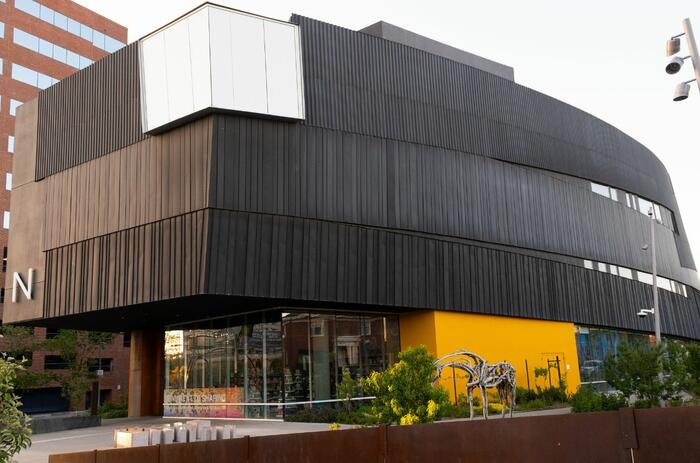
ART AGAINST COLLAPSE: 193 ARTISTS IMAGINE ALTERNATIVE FUTURES
Into the Time Horizon, at the Nevada Museum of Art, unfolds as one of the most expansive surveys of environmental art in the United States, combining critical diagnosis with concrete proposals in the face of the climate crisis.
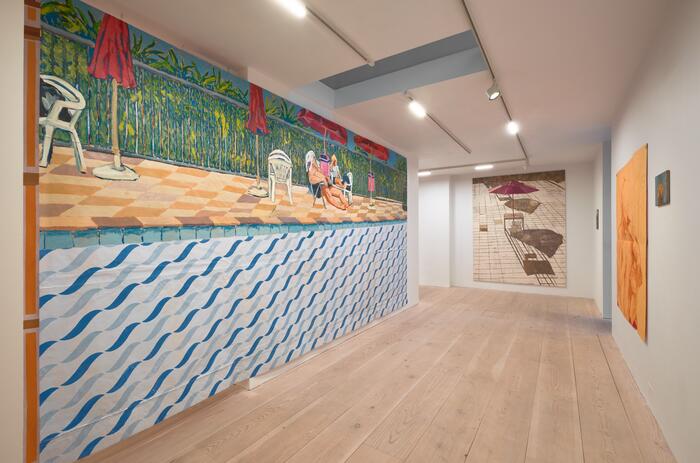
FINAL DAYS TO APPLY: LONDON RESIDENCIES FOR LATIN AMERICAN AND CARIBBEAN ARTISTS
Open call for residencies in London that promote exchange, research, and international outreach. Application deadline: April 6.
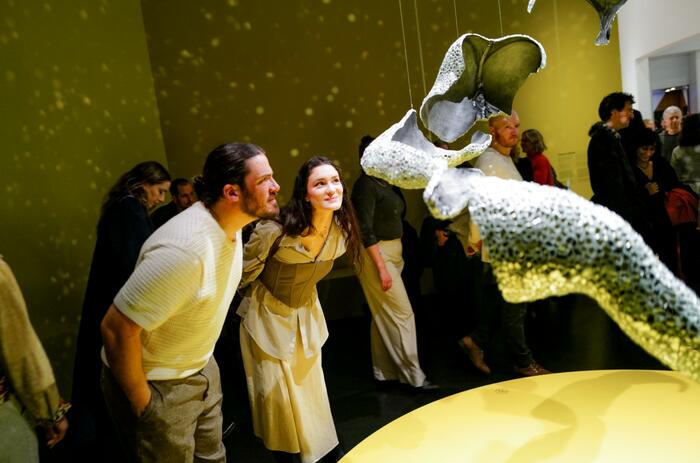
WHITNEY BIENNIAL 2026, A FIELD DENSE WITH ENCOUNTERS
The intergenerational selection traces a sensitive map of practices connected to the United States, where affective, political, and technological ties intertwine through an experimental lens.
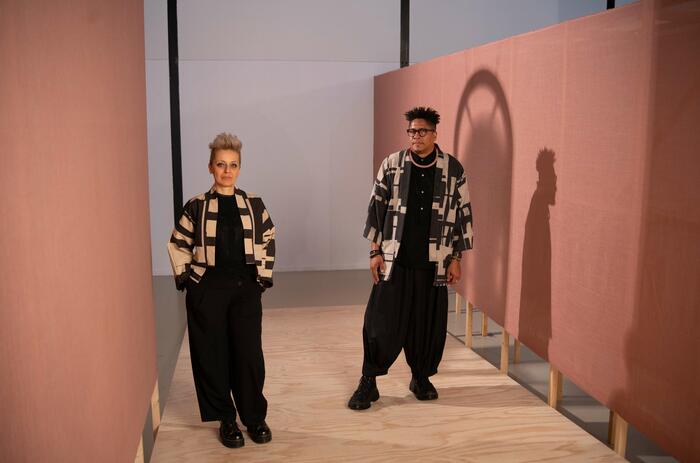
TROPICAL HYPERSTITION, A SPACE OF MEMORY AND RESISTANCE AT THE BIENNALE DI VENEZIA 2026
With the large-scale installation and performative work of Antonio José Guzmán and Iva Jankovic, Panama participates for the second time as a National Pavilion in the Biennale di Venezia 2026.
MARÍA LUCÍA ALEMÁN: "CULTURAL EXPRESSIONS ARE UNITING THE REGION MORE"
The executive director of MAC Panama, who will participate in the discussion Building Institutional Stories, part of the Pinta Panamá FORO initiative, envisions great opportunities for Central America with the strengthening of its institutions and joint work.

WALTER OTERO: “A TROPICAL GALLERIST IS ONE WHO IS NOT AFRAID OF ANYTHING”
Walter Otero is recognized for his unconventional approach to artist management and the Puerto Rican art ecosystem. His career is now compiled in Walter Otero. A Tropical Gallerist, a book in which he reviews his career and reflects on changes in the sector.
HUMANS, MACHINES, AND POSSIBLE FUTURES: THE LAST 100 YEARS AT NEW MUSEUM
The exhibition features more than 15 new commissions by artists such as Ryan Gander, Camille Henrot, Jamian Juliano-Villani, Wangechi Mutu, Hito Steyerl, Alice Wang, and Santiago Yahuarcani, among others.

MAYA WATANABE IN A GROUP EXHIBITION AT THE HOSPEDALETTO COMPLEX IN VENICE
The exhibition evokes a present marked by oppression, where bodies, sensibilities, and politics are deeply intertwined.

A JOURNEY THROUGH LATIN AMERICAN PHOTOGRAPHY AND A REFLECTION ON THE ROLE OF COLLECTING
The Jan Mulder Collection showcases the intersections between Latin American tradition and global developments in the field.
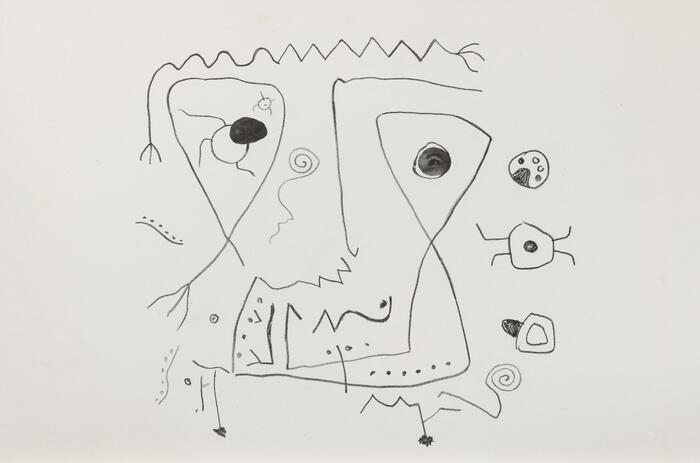
A PIONEERING EXHIBITION AT THE MAC IN BARRANCO
The show presents six decades of artistic and cultural work by Francesco Mariotti and María Luy, two artists who have intertwined technology, collectivity, nature, and social commitment in their work.
EFG LATIN AMERICA ART AWARD PRESENTS THE NOMINATED ARTIST AT SP-ARTE 2026
Cristiano Lenhardt was selected for his series of works born from his encounter with the environmental tragedy of the 2024 floods in southern Brazil.