THE GLACIER AND ITS ANDEAN GUARDIANS: ÁNGELA PONCE IN NEW YORK
The photographic work of the Peruvian artist reveals the lived realities of Andean communities in the face of climate change.
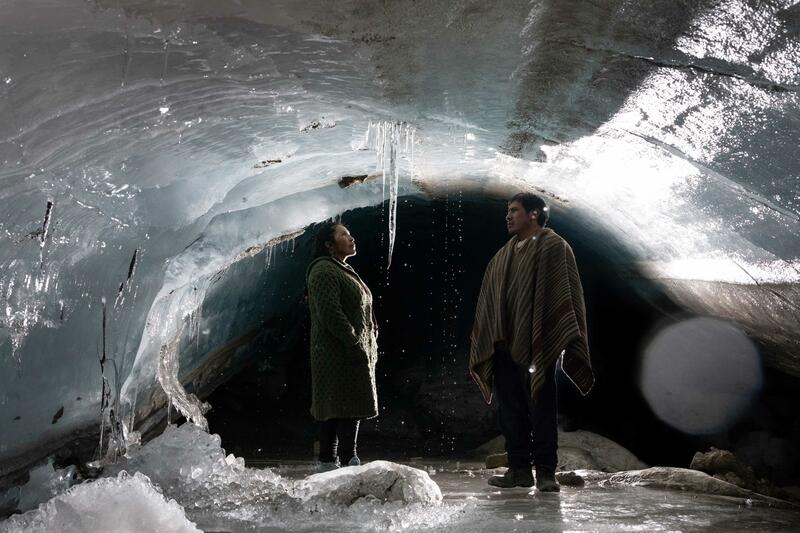
This Thursday, Guardians of the Glaciers, a photographic exhibition by Peruvian photojournalist and documentary photographer Ángela Ponce, curated by Jorge Villacorta, opened at the Instituto Cervantes in New York. The exhibition transports viewers to the summit of the Quelccaya glacier—formerly the largest tropical glacier in the world—through the perspective of Andean communities whose ancestral ways of life are threatened by its rapid melting.
At the foot of the Quelccaya glacier, located at 5,000 meters above sea level in Cusco, Peru, lives a Quechua community of approximately 130 households that has inhabited the region for generations. Although Quelccaya is the main source of water for the region—including the Machu Picchu hydroelectric plant—those who live there lack basic services such as running water and electricity. Agriculture is also nearly impossible in this extreme climate, so the community relies on the herding of camelids, which graze on the hardy grasses and provide leather and wool for clothing and handicrafts.
-
Alpacas grazing in the wetlands produced by the melting of the Quelccaya Glacier/ Alpacas pastando en humedales formados por el deshielo del glaciar Quelccaya. Créditos: Ángela Ponce
-
A resident moves on horseback through the snowy winter landscape in Phinaya. Un habitante se desplaza a caballo por el paisaje invernal nevado de Phinaya. Créditos: Ángela Ponce
-
The Phinaya community is located 4,830 meters (15,850 feet) above sea level in Cusco, Peru. Is the highest town near the Quelccaya Glacier/ La comunidad de Phinaya se encuentra a 4.830 metros (15.850 pies) sobre el nivel del mar, en Cusco, Perú. Es la localidad más alta cercana al glaciar Quelccaya. Créditos: Ángela Ponce
-
Yolanda (R) combs her daughter's hair. The latter is visiting from the city, where she now lives and studies, after leaving Phinaya due to limited opportunities/ Yolanda (der.) peina el cabello de su hija; la joven está de visita de la ciudad, donde ahora vive y estudia, tras haber dejado Phinaya debido a la falta de oportunidades. Créditos: Ángela Ponce
-
Peru is home to 70% of the world's alpaca population. Raising these camelids is becoming increasingly difficult due to frost, drought, and scarcity of pasture/ Perú alberga el 70 % de la población mundial de alpacas. La crianza de camélidos se está volviendo cada vez más difícil debido a las heladas, la sequía y la escasez de pastos. Créditos: Ángela Ponce
Ice is the planet’s second-largest source of fresh water, and Peru is home to 70 percent of the world’s tropical glaciers. However, the Quelccaya glacier is retreating by nearly 60 meters per year, and it is projected to disappear within the next three decades if global emissions are not drastically reduced. At this pace of melting, life here becomes increasingly precarious. Its inhabitants struggle to sustain their existence and traditions as their source of life fades away.
Guardians of the Glaciers celebrates the sublime—and increasingly fragile—beauty of Quelccaya, while also revealing the lived realities of climate change. Local communities know that future generations may never see the glacier of their ancestors, and that its melting, intensified by black carbon, threatens life in the region. In the Andean worldview, the relationship between the planet and human beings mirrors that of parent and child: the Apu (mountain) is an elderly relative worthy of respect, a living being capable of dispensing punishment and intervening in human destiny. Through Ponce’s striking photographs, the raw force of nature intertwines with intimate moments of community.
Ángela Ponce (Peru, 1994) is a documentary photographer and photojournalist who addresses social and climate issues within the Latin American context. She is a Pulitzer Center grantee and a regular contributor to The New York Times, The Washington Post, and Reuters. Her photographs have also been published in the Los Angeles Times, Geo Magazine, The Wall Street Journal, Bloomberg, BBC, Die Zeit, The Guardian, NPR, El País, among others.
*Cover image: For herders, the ‘Apu,’ mountain in Quechua, possesses a spirit that can intervene like a god in the lives of human beings, punish, and alter destinies. In the Andean worldview, the naturehuman connection is akin to that between parent and child. The villagers not only see the snowy mountain as an element of nature, but also as an older relative worthy of care and respect.
Related Topics
May interest you
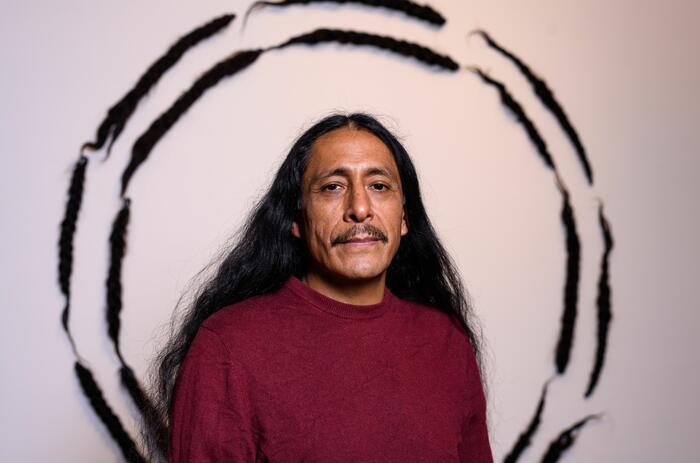
ANTONIO PAUCAR'S ANDEAN POETICS RECOGNIZED BY ARTES MUNDI
The AM11 international prize brings visibility to a practice rooted in collective experience and a sensitive engagement with the landscape.

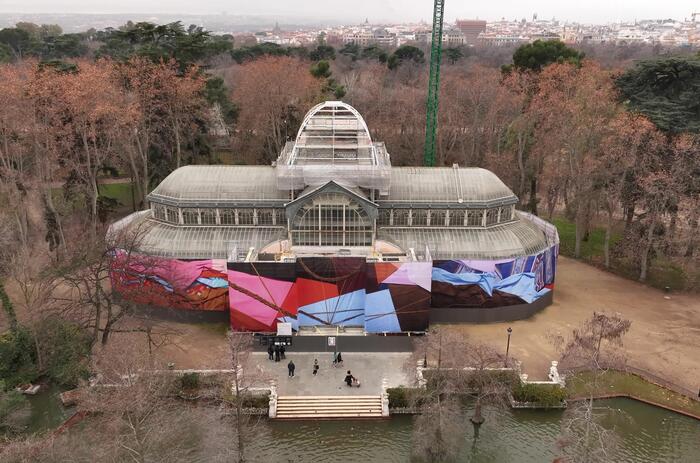
ANDREA CANEPA: THE PALACIO DE CRISTAL AS A SYMBOLIC BODY
Andrea Canepa intervenes in the Palacio de Cristal at the Museo Reina Sofía with Fardo, an installation consisting of a large tarp inspired by pre-Columbian funerary bundles that transforms the building into a symbolic body, inviting reflection on what is visible and displayed, as well as on preservation and transformation.
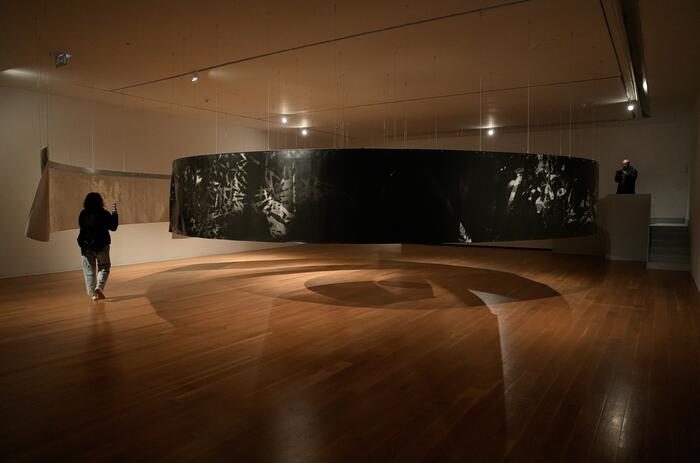
ROBERTO HUARCAYA’S PHOTOGRAMS AT MARCO VIGO
The exhibition brings together a decade of technical and poetic experimentation that transcends the traditional boundaries of photography and places visual experience at the center of reflection.
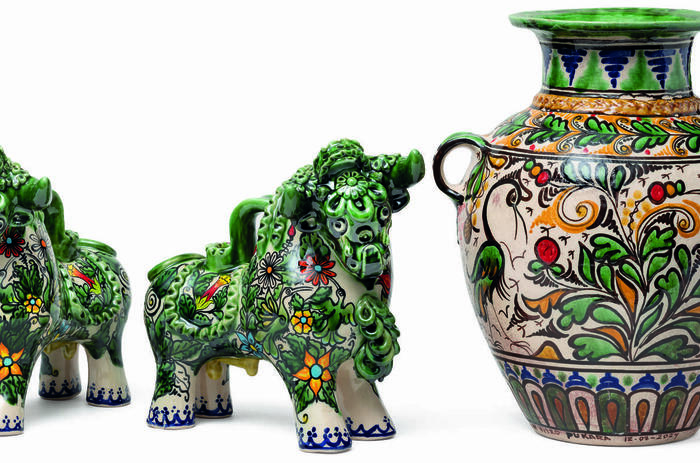
MALI PRESENTS ITS 2026 SUMMER AUCTION AND FESTIVE GALA
With the aim of safeguarding and promoting Peru’s artistic heritage, the museum unveils a catalogue that brings together both historical and contemporary works.