
By
Violeta Méndez
In conversation with Ilaria Conti, curator of the fair's Radar section, we learn how to adjust our gaze when encountering the Guatemalan work of Angélica Serech, presented by La Galería Rebelde.
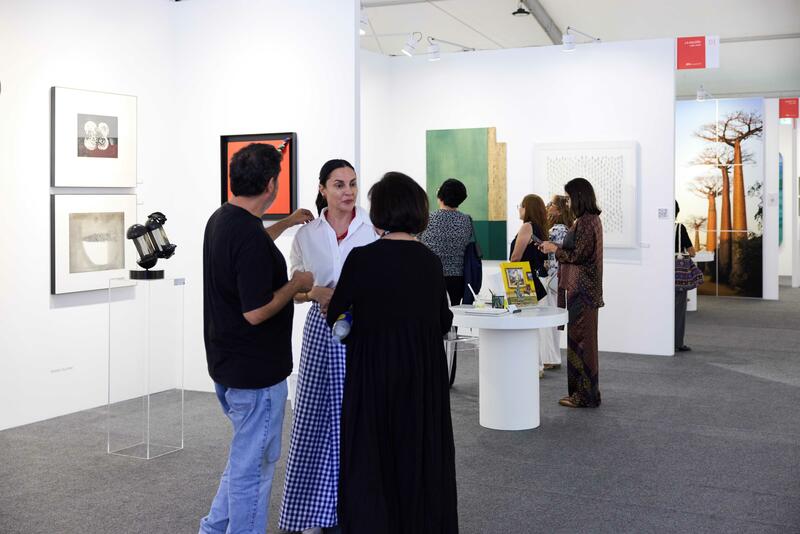
Casa Miraflores brings together artistic practices that operate through permeability and process, rather than fixed positions. The RADAR section in particular, titled Porous Systems and curated by Ilaria Conti, seeks contact between bodies and environments, crossings between open systems. The proposal by Guatemalan center La Galería Rebelde plays with the limits of porosity and unfolds freely within its surroundings.
The gallery presents the work of Angélica Serech (1982, San Juan Comalapa, Guatemala). "Her practice embodies very clearly one of the central questions of this edition of Radar: how inherited knowledge, situated materialities, and contemporary languages can meet from a place of transformation rather than identity fixation," Conti told Arte al Día.
The artist's textile appears as a language in motion. Drawing from Maya Kaqchikel knowledge, she works with matter and generational memory to open a unique space of reconfiguration. Compositional freedom is central to her work, alongside material sensibility. The reaffirmation of weaving as a form of thought broadens the understanding of contemporary art in the region.
Her work should not be seen in isolation; it enters into dialogue with other presences in Radar — with Diana Eusebio's naturally dyed textiles, Luciano Giménez's interwoven materials, Alberto Casari's reflections, and Carlos Luis "Pajita" García Bes's study of tapestry. It is in the conversation between these works that Radar finds one of its richest tensions: "showing that a shared sensibility can unfold through very different languages, but always with an attention to process, to contact, to the ways in which matter absorbs history," said Conti.
Angélica Serech's presence at Pinta Lima 2026 carries significant weight for a Central American reading of contemporary art. It is not a matter of viewing it as peripheral to other Latin American narratives, but rather as a body of work where aesthetic, material, and political knowledge converge. "In Angélica, textile tradition, formal experimentation, community memory, and the affirmation of a personal sensibility come together — one that helps illuminate some of the region's most powerful contributions to the current artistic debate," Conti affirmed. Her trajectory, with presence in biennials and international exhibitions, further confirms the growing relevance of that scene.
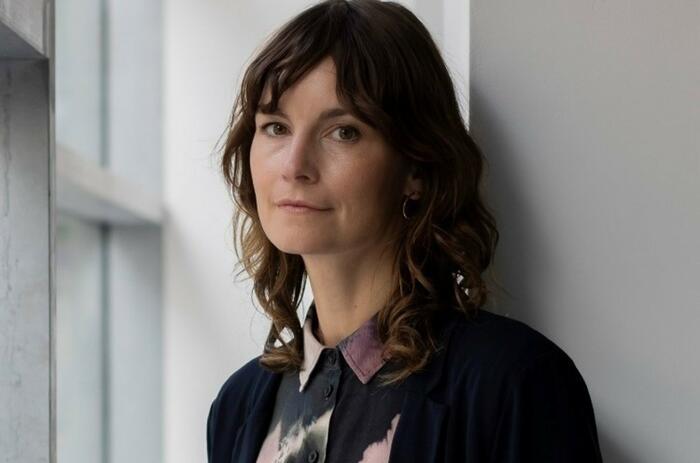
Argentine by origin, the curator and former Director of the Visual Arts Department of the Artists in Berlin Program (DAAD) — a residency that connects creatives from around the world with Germany's cultural scene — has spent years building bridges between Latin American art scenes and the major centers of Western art.
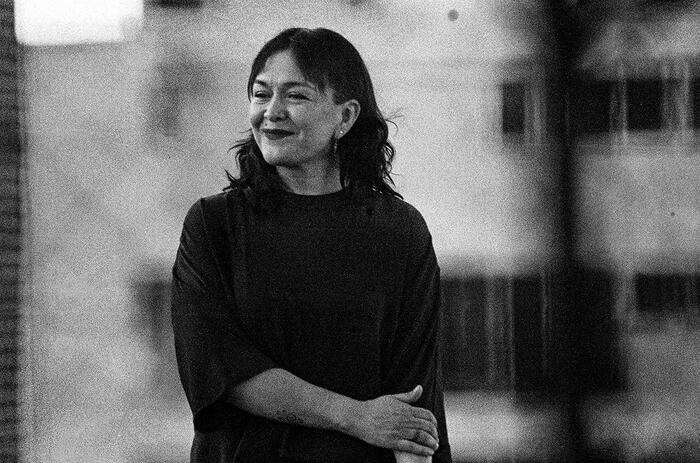
Director of the Museo Universitario del Chopo, Sol Henaro reflects on her role, the tensions within the institution, and the construction of communities from a curatorial perspective.
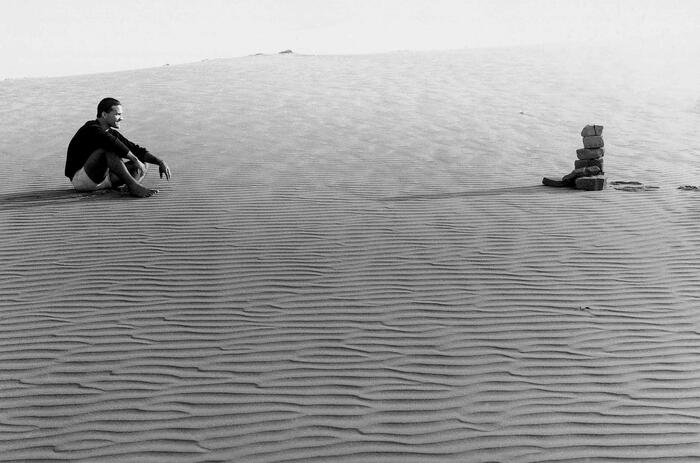
"Repeating and mastering form, shaping clay spheres, is like offering a prayer with no beginning or end in time. When I look, I hear distant music" — Carlos Runcie Tanaka (A Zen Parable and Ten Small Stories, 2007)
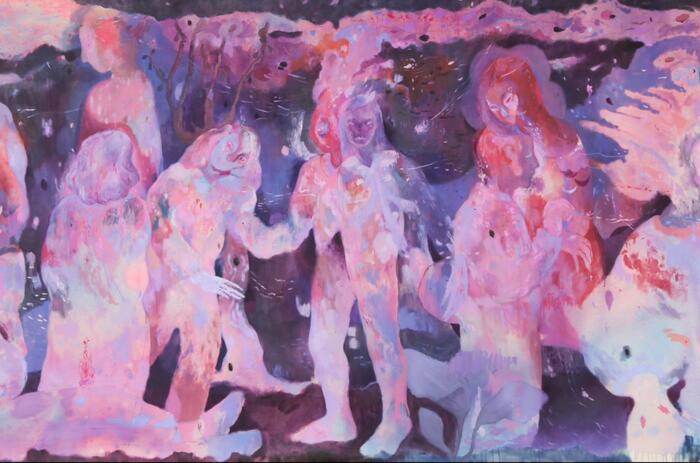
Vásquez, Rodrigo, Másquez, Verovcha, and Yone Makino transform the space into a living organism. A Special Project that questions what it means to make art in Peru today.
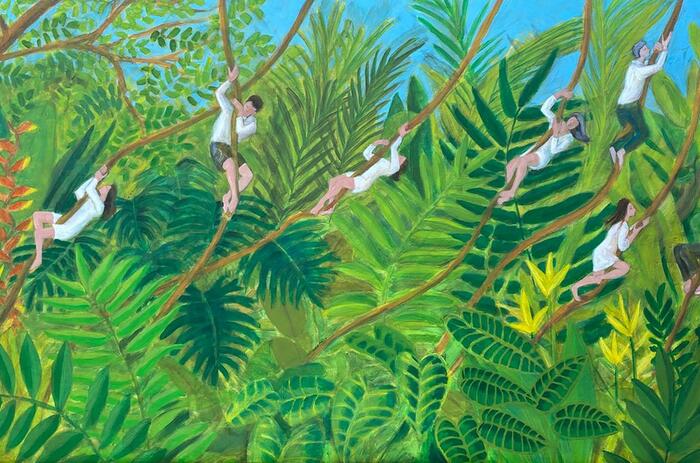
Galería Enlace, Forum, and Livia Benavides participate in the fair with a selection of artists with a presence in the national and international contemporary landscape.
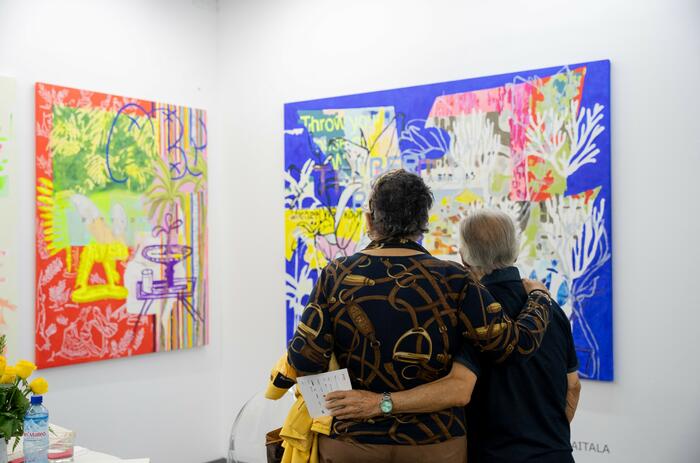
The fair commits to a program that brings together processes, technology, and identity, with curatorial sections that expand ways of thinking about contemporary art.
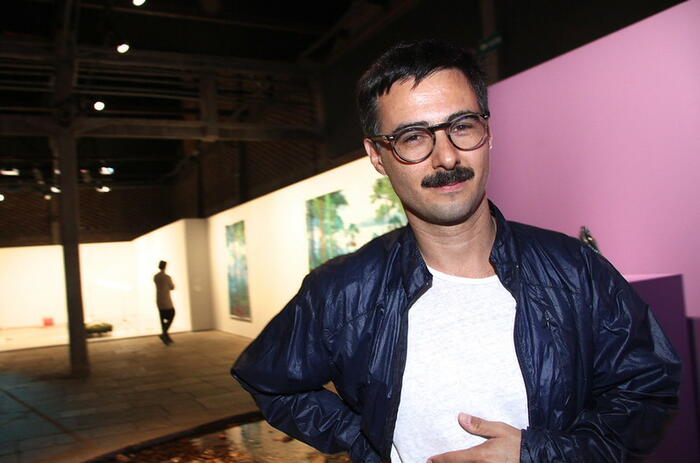
Cristiano Lenhardt was selected for his series of works born from his encounter with the environmental tragedy of the 2024 floods in southern Brazil.