By
María Laura Hernández de Agüero
"Repeating and mastering form, shaping clay spheres, is like offering a prayer with no beginning or end in time. When I look, I hear distant music" — Carlos Runcie Tanaka (A Zen Parable and Ten Small Stories, 2007)
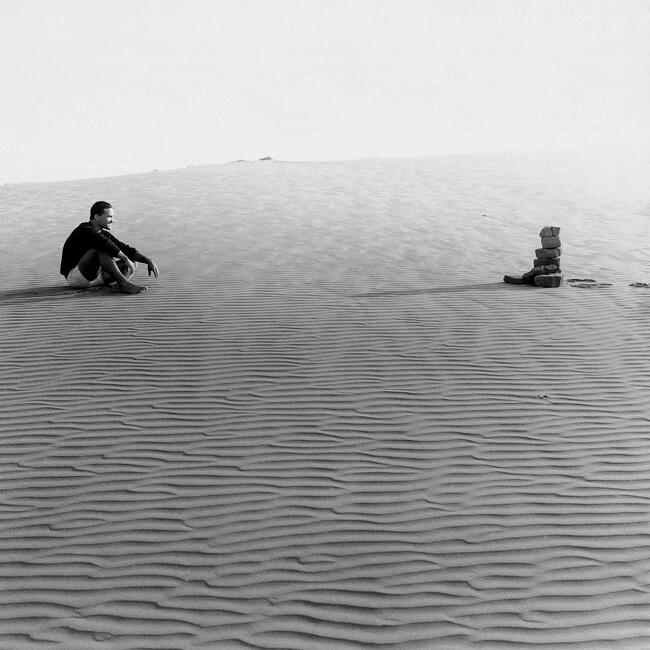
Fundación Pinta, Henrique Faría Gallery, and Carlos Runcie Tanaka’s estate present the Special Project at Pinta Lima dedicated to Carlos Runcie Tanaka (Lima, 1958–2025), an artist whose work in ceramics, at the intersection with pre-Hispanic traditions and installation formats, stands as a fundamental reference for the history of Peruvian and Latin American art.
This project brings together a series of works that attest to a sustained commitment to craft and a constant pursuit of mastery over the form of the clay sphere. The selection includes works produced by the artist between 2001 and 2007.
A large crab, crafted in stoneware, stands at the entrance of his home-studio in the Surco district of Lima. These crabs, humble and persistent creatures, reappear throughout his installations, becoming signs of a wandering, fragile yet obstinate human condition.
Throughout his career, Runcie Tanaka developed a singular visual language. His work is shaped by coastal landscapes, his family heritage, and pre-Columbian cultures. In contrast to the more narrative or overtly political approaches that marked many artists of his generation, his practice -initiated in the 1980s after he decided to leave his Philosophy studies at the Pontificia Universidad Católica- invites contemplation. His pieces seek a sensory and silent experience, where the repetition of forms and the use of space generate atmospheres that are at once calm and tense.
The artist gradually gained recognition, and his works traveled across biennials and museums. His studio was, for him, a space of introspection. “I remember that one of my Japanese teachers always had an offering for the kami-sama, the lord of fire, a Japanese term. At first, while you’re young, you tend to fight against it; but later you realize that you are fighting alongside it to achieve something,” he said in one of his last interviews. In an era marked by noise and speed, the work of Carlos Runcie Tanaka endures as a genuine contribution to the beauty born of clay and fire.
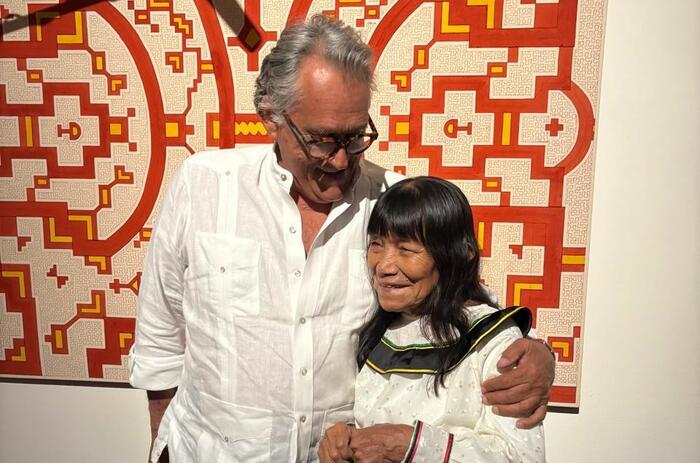
As commissioner of the Peruvian pavilion in Venice, Andrade examines how the Shipibo-Konibo artist transforms a visual thinking system into an all-encompassing experience —and why that gesture reshapes the scale of what contemporary art can hold.
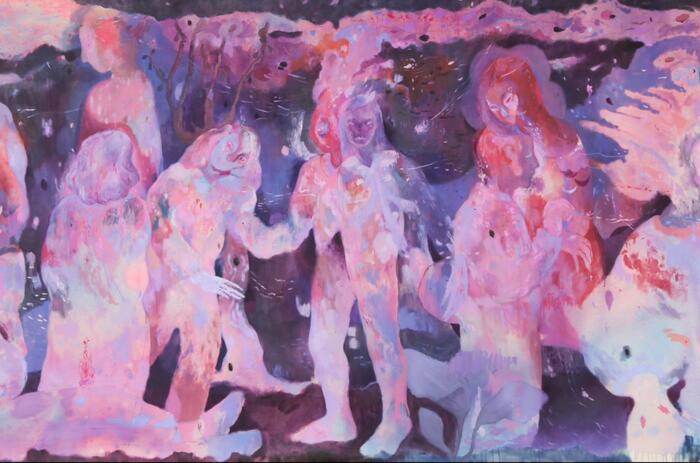
Vásquez, Rodrigo, Másquez, Verovcha, and Yone Makino transform the space into a living organism. A Special Project that questions what it means to make art in Peru today.
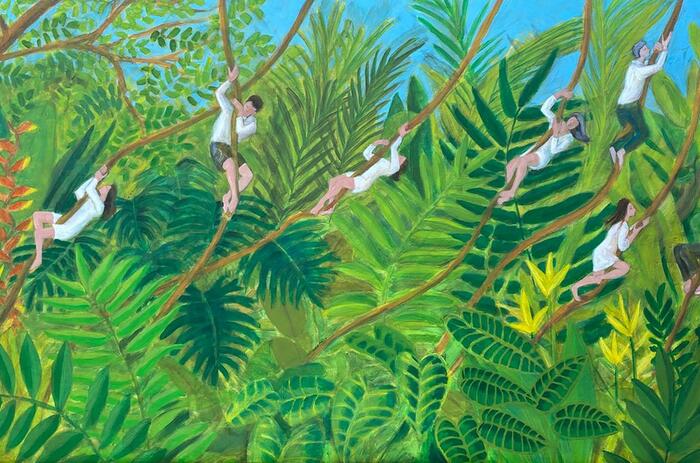
Galería Enlace, Forum, and Livia Benavides participate in the fair with a selection of artists with a presence in the national and international contemporary landscape.
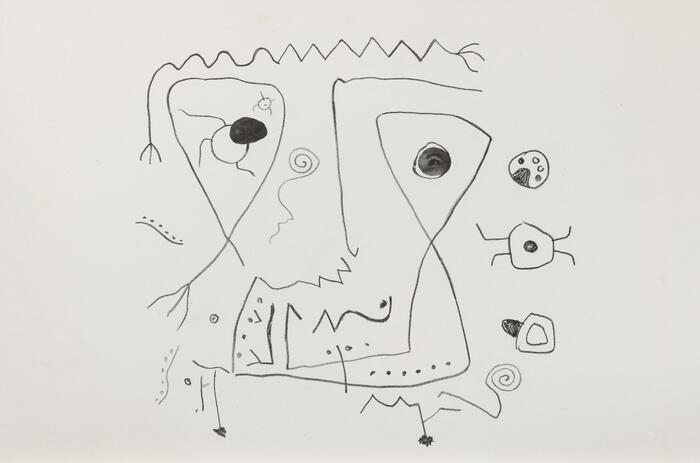
The show presents six decades of artistic and cultural work by Francesco Mariotti and María Luy, two artists who have intertwined technology, collectivity, nature, and social commitment in their work.
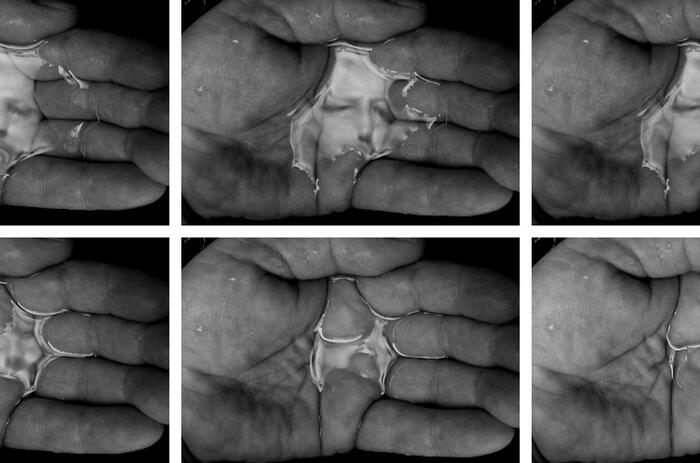
The Brazilian museum presents works by Santiago Yahuarcani and Oscar Muñoz, exploring ancestral knowledge and the fragility of images in Latin America.
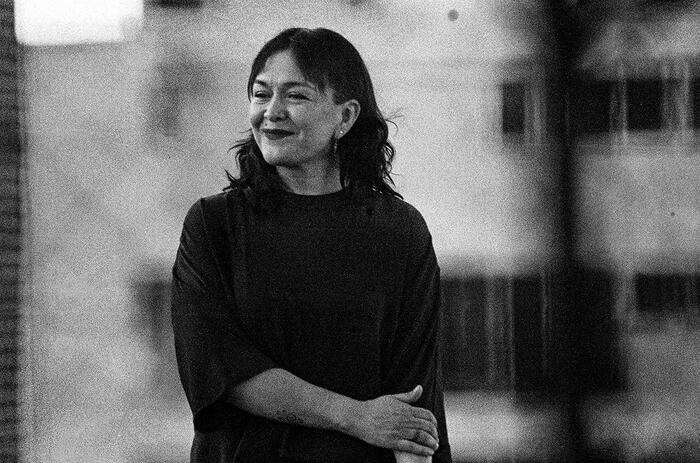
Director of the Museo Universitario del Chopo, Sol Henaro reflects on her role, the tensions within the institution, and the construction of communities from a curatorial perspective.
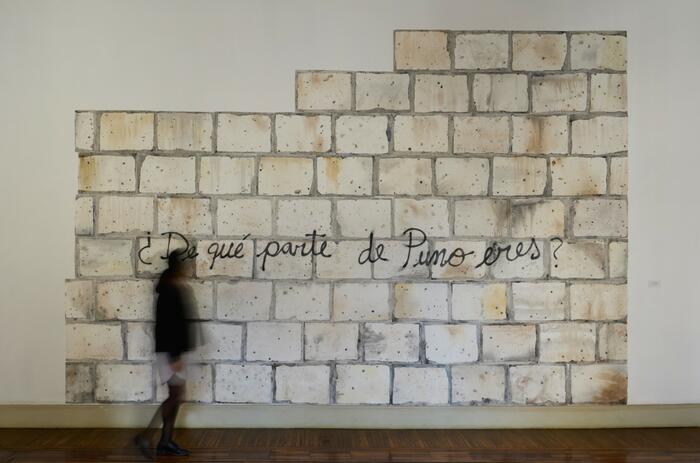
The exhibition Lengua materna (Mother language) is a journey through the intimate and social spaces that have shaped the work of the artist.
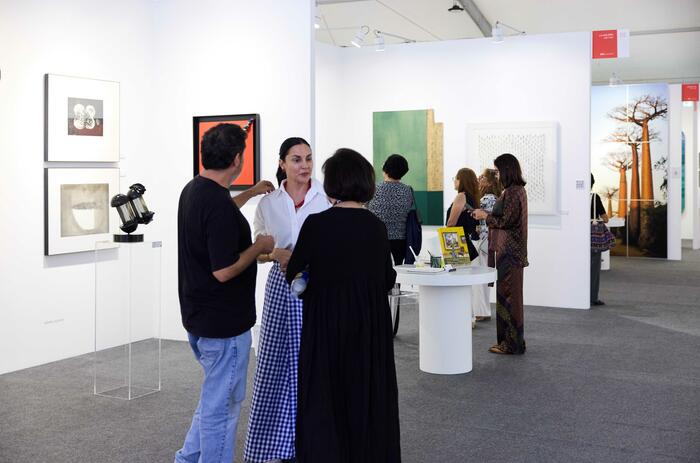
In conversation with Ilaria Conti, curator of the fair's Radar section, we learn how to adjust our gaze when encountering the Guatemalan work of Angélica Serech, presented by La Galería Rebelde.
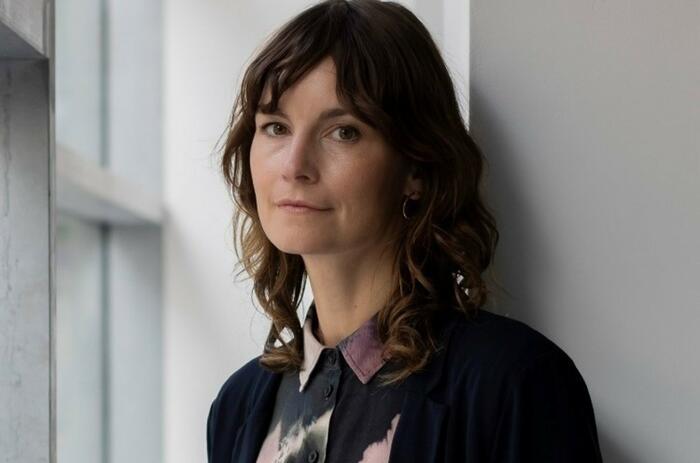
Argentine by origin, the curator and former Director of the Visual Arts Department of the Artists in Berlin Program (DAAD) — a residency that connects creatives from around the world with Germany's cultural scene — has spent years building bridges between Latin American art scenes and the major centers of Western art.