By
María Laura Hernández de Agüero
The exhibition Lengua materna (Mother language) is a journey through the intimate and social spaces that have shaped the work of the artist.
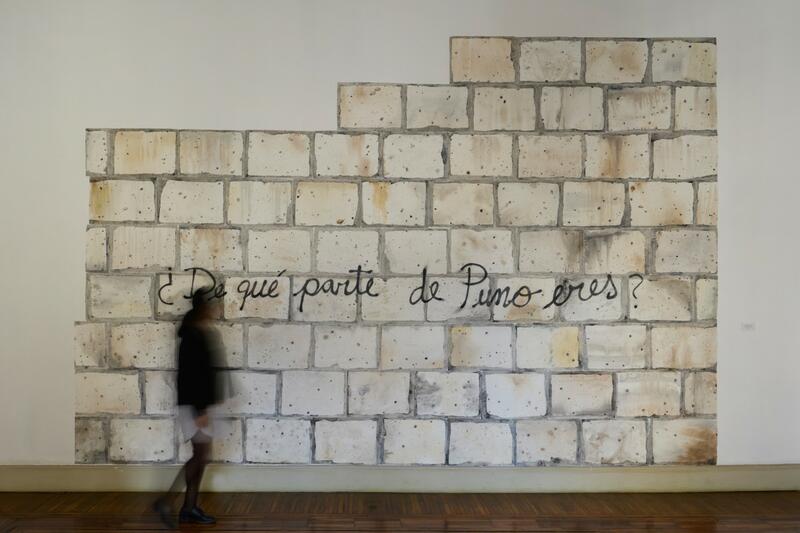
Embroidery, a craft she inherited from her mother and grandmother, emerges as a common thread throughout her practice. Through 150 works encompassing watercolor, painting, printmaking, photography, sculpture, embroidery, and installation, Nareida Apaza Mamani shows us how stories of migration and displacement become cartographies, maps, and family trees.
With a perspective that blurs the lines between the biographical and the social, the artist invites us to reflect on play, education, history, and the enduring traces of political violence. “The exhibition traces migration narratives and questions what it means to belong in a country marked by discrimination and centralism. The daughter of parents from Puno—a seamstress mother and a public school teacher father who compiled a newspaper archive about the internal armed conflict—her work explores how the memory of these displacements is embodied and transmitted,” writes Miguel López, curator of the exhibition.
The artist's notebooks, begun in 2009, are a testament to poetry's capacity to open up often-silenced conversations. In them, the artist offers us tactile, often soft, objects that allow us to touch the past and delicately transmit knowledge. Apaza Mamani's work is a gesture of hope in a world marked by discrimination and centralism. Her serious yet tender gaze reminds us that pointing out a wound not only makes suffering visible but also opens paths to healing. In this sense, Lengua Materna is a call to reflection, a reminder that memory is a political act and that creation is an act of resistance.
The exhibition will run until July 5, 2026, at ICPNA Espacio Germán Krüger Espantoso Avenida Angamos Oeste 120, Miraflores, Lima (Peru).
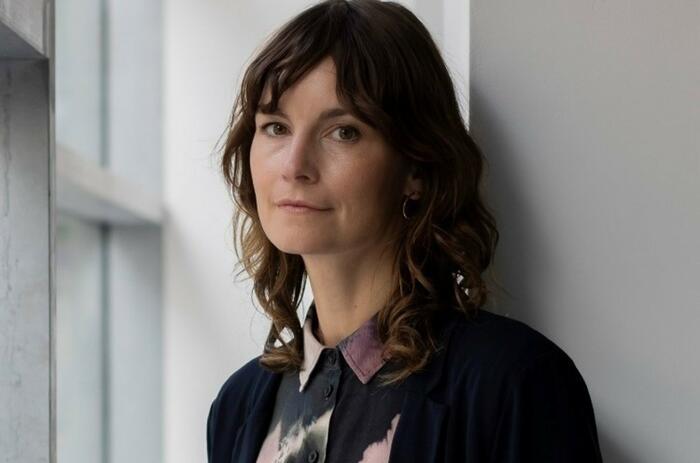
Argentine by origin, the curator and former Director of the Visual Arts Department of the Artists in Berlin Program (DAAD) — a residency that connects creatives from around the world with Germany's cultural scene — has spent years building bridges between Latin American art scenes and the major centers of Western art.
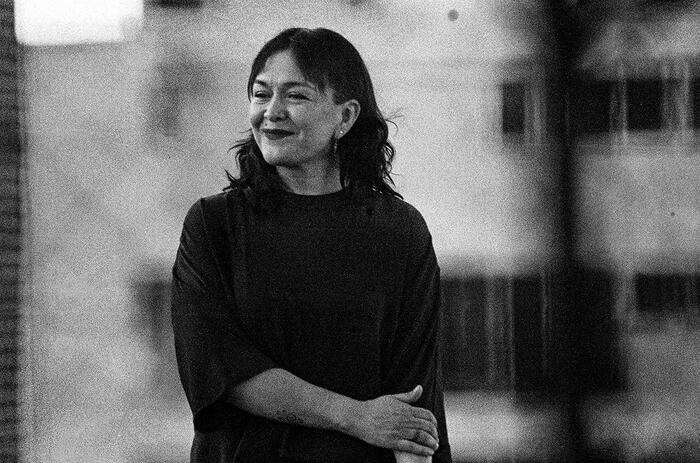
Director of the Museo Universitario del Chopo, Sol Henaro reflects on her role, the tensions within the institution, and the construction of communities from a curatorial perspective.
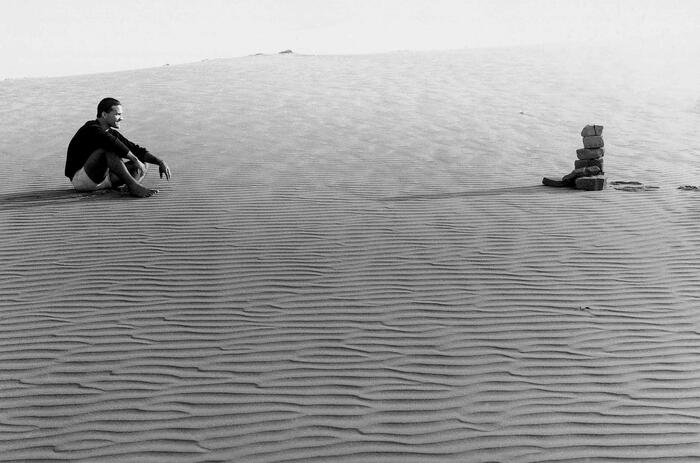
"Repeating and mastering form, shaping clay spheres, is like offering a prayer with no beginning or end in time. When I look, I hear distant music" — Carlos Runcie Tanaka (A Zen Parable and Ten Small Stories, 2007)
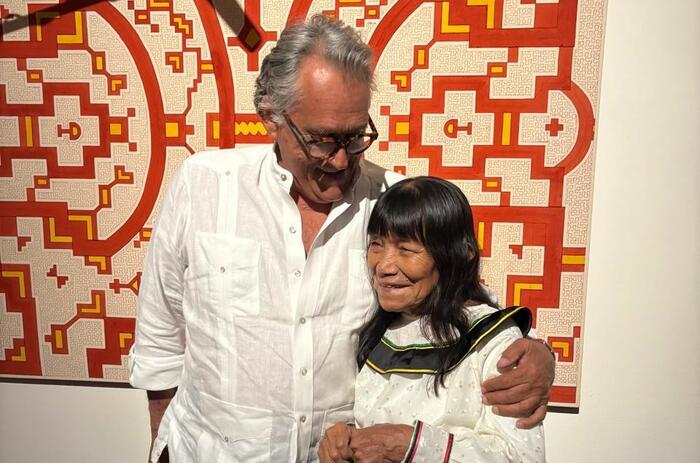
As commissioner of the Peruvian pavilion in Venice, Andrade examines how the Shipibo-Konibo artist transforms a visual thinking system into an all-encompassing experience —and why that gesture reshapes the scale of what contemporary art can hold.
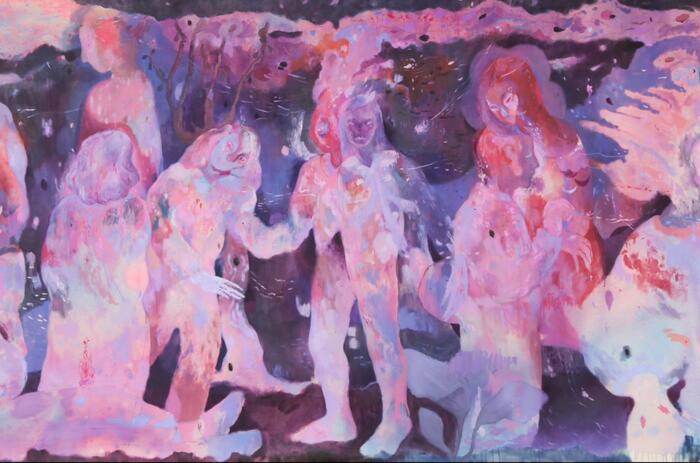
Vásquez, Rodrigo, Másquez, Verovcha, and Yone Makino transform the space into a living organism. A Special Project that questions what it means to make art in Peru today.