

Álvaro de Benito has a degree in Journalism and Communication and a master's degree in Cultural Management. A cultural journalist and correspondent for Arte al Día International in Spain and Portugal since 2005, he has covered the evolution of Latin American art and its institutional fabric from different perspectives, publishing numerous articles, critical reviews, and interviews with its driving forces. He is also the editor of cultural projects focused on promoting linguistic heritage.
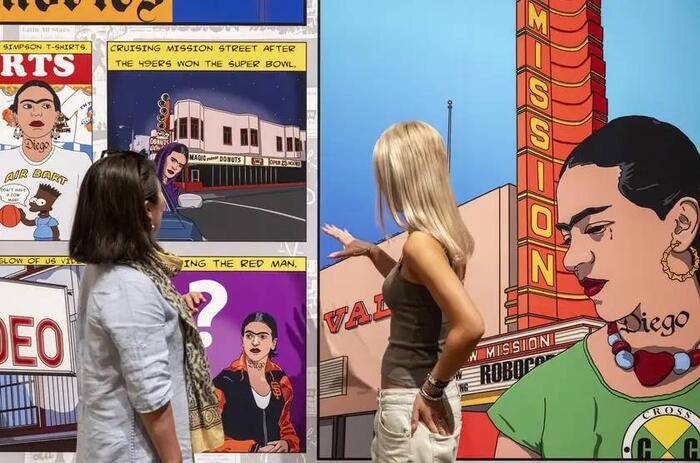
FRIDA AS AN ICON: AN ARGUMENT BETWEEN THESIS AND THE BLOCKBUSTER
The Tate Modern presents a sociological reflection on the construction of Frida Kahlo as a cultural icon through a curatorial discourse that risks becoming a theoretical justification for a proposition of immense commercial appeal.
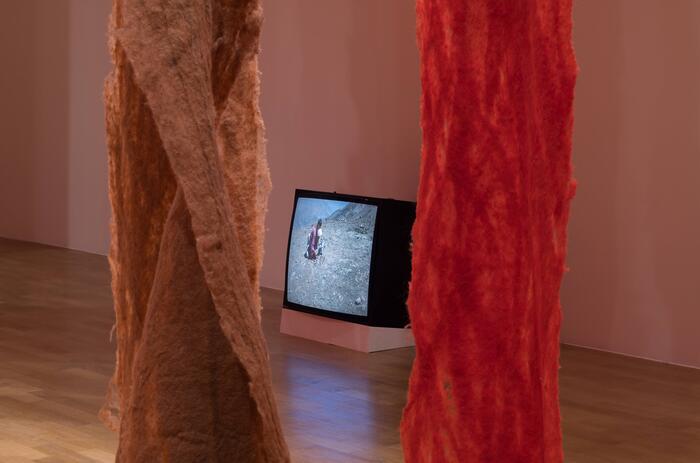
THE INTERDISCIPLINARY UNIVERSE OF CECILIA VICUÑA IN LONDON
The Whitechapel Gallery presents a retrospective survey of Cecilia Vicuña’s oeuvre in an exhibition that weaves together art, poetry, political resistance, indigenous memory, and ecology.
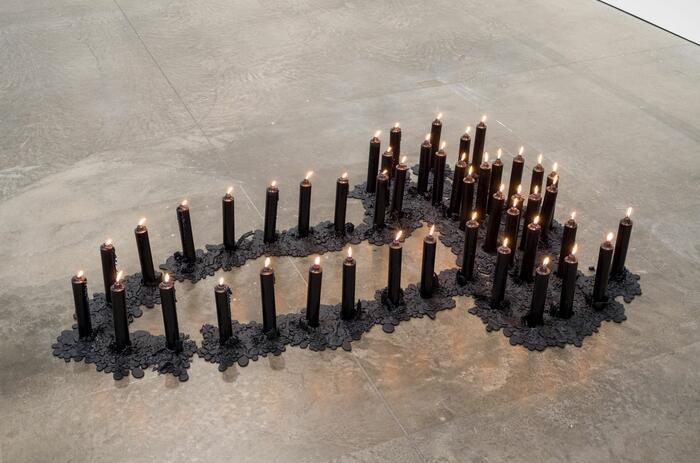
BODY, EARTH, AND MEMORY: ANA MENDIETA AT TATE MODERN
The British institution reclaims the legacy of the Cuban artist through an exhibition that examines the intersection of her lived experience, nature, and identity, utilizing a museographical approach that transcends mere documentation to bridge ephemeral actions, moving-image works, and sculpture.
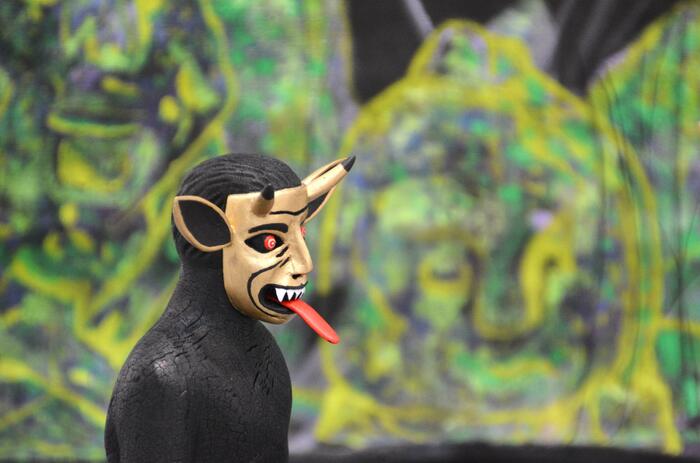
LATIN AMERICAN ART SEEKS A PLACE AT FRIEZE LONDON
The British event highlights the growing presence of Latin American contemporary art, although its visibility remains conditioned by the commercial dynamics of a global fair and by local cultural policies that pragmatically contribute to shaping a contemporary art landscape closer to its audience.
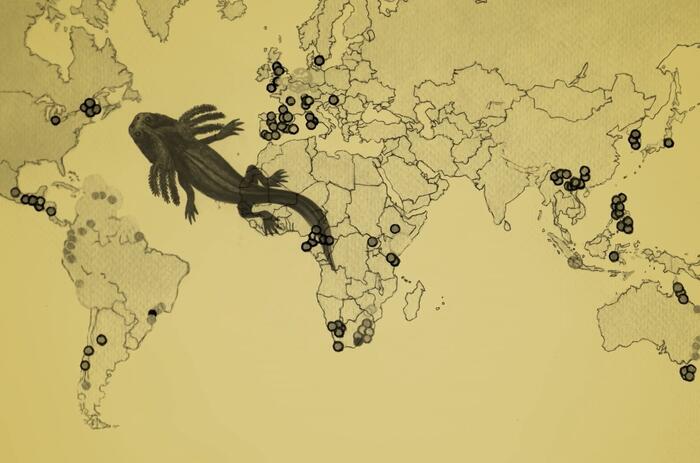
THE RELATIONSHIP WITH NATURE THROUGH THE LENS OF MELANIE SMITH, IN VALENCIA
The British-Mexican artist brings together two projects at IVAM that explore the relationship between endangered species, culture, territory, and forms of coexistence.
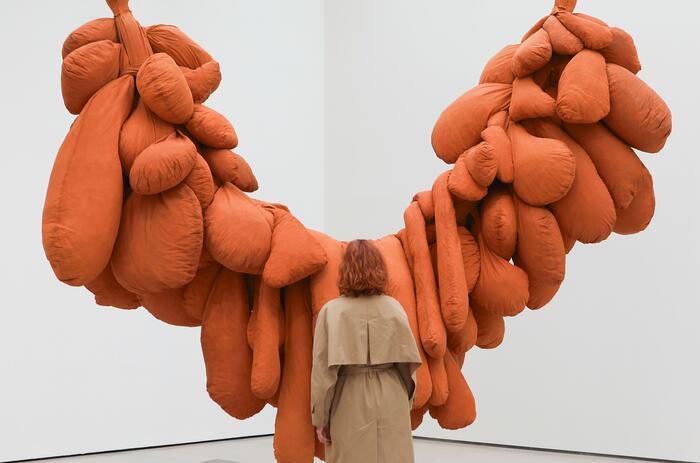
SOLANGE PESSOA IN SANTANDER: MATERIALITY AS THE ORIGIN OF THE SPIRITUAL
The Brazilian artist’s exhibition at the Centro Botín explores the links between matter, nature, spirituality, and architecture through a multidisciplinary body of work that evokes origin and transformation as the fundamental axes of her production.
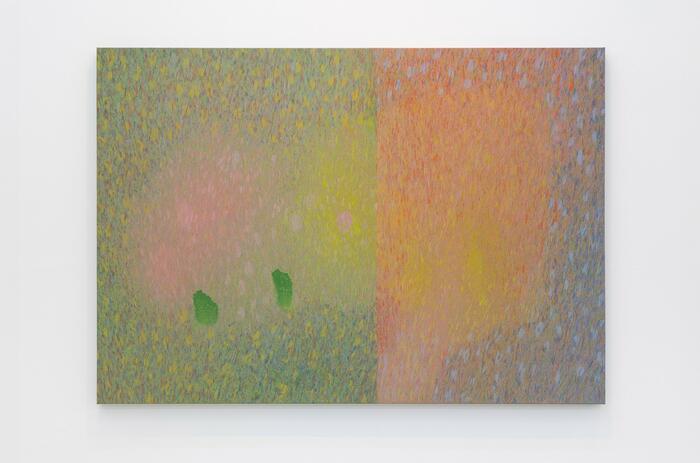
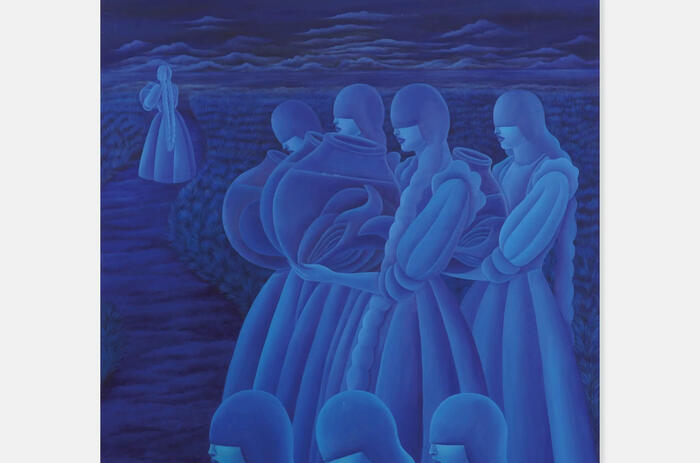
TRANSFORMATION AND COEXISTENCE IN BRENDA CABRERA’S UNIVERSE
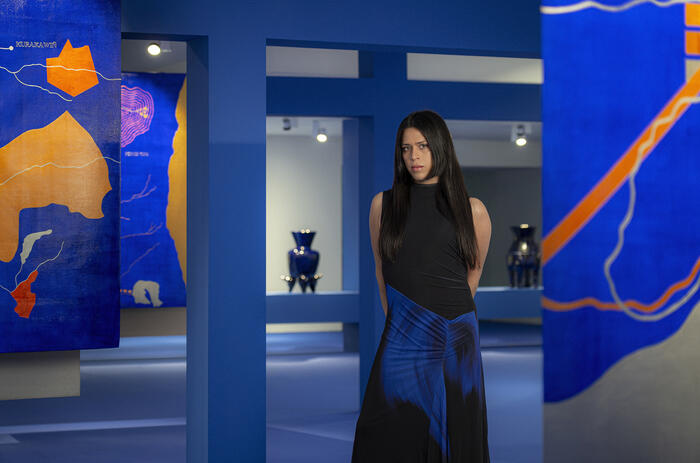
SEBA CALFUQUEO: "I AM INTERESTED IN BLOWING UP PRE-ESTABLISHED IDEAS ABOUT THE INDIGENOUS"
We spoke with Seba Calfuqueo on the occasion of her first institutional exhibition in Europe, at the Museo Thyssen-Bornemisza in Madrid, an exhibition that delves into the relationship with territory through history and identity from a heterogeneous, contemporary perspective.
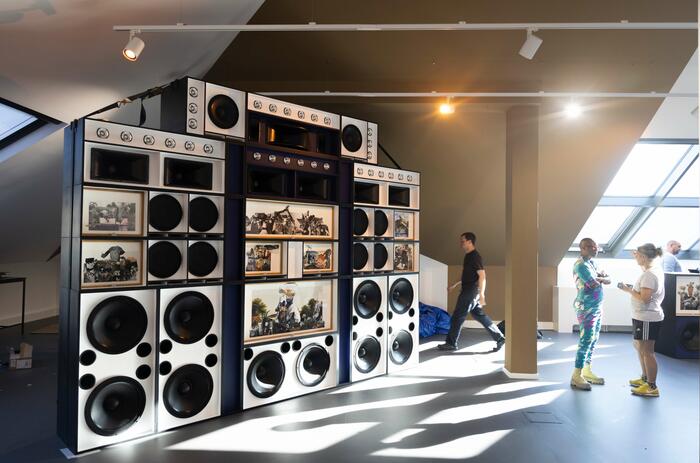
GÊ VIANA IN VIENNA: AFRO-BRAZILIAN MEMORY, SOUND, AND THE ARCHIVE
The Brazilian artist’s exhibition at the newly inaugurated MEZEKƎRƎ explores Afro-Pindoramic forms of knowledge and traditions through documentation, sound, and radiolas, creating spaces for encounter and the preservation of collective identity.
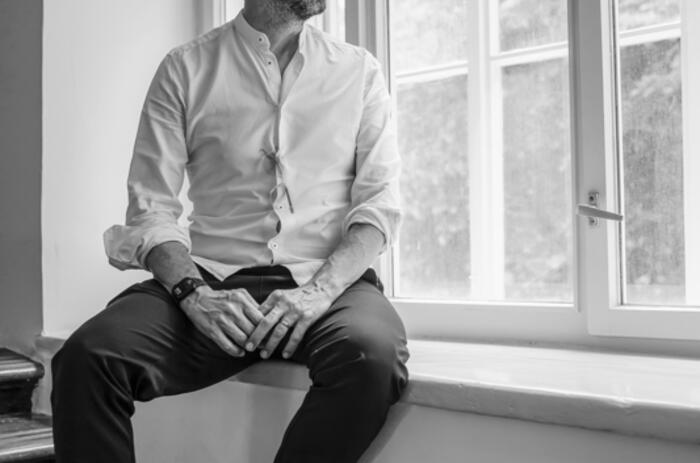
INTERVIEW WITH JOSÉ ROCA: “THE SPECIFICITY OF A MEDIUM GENERATES EXPECTATIONS THAT CAN BE DISRUPTED”
A conversation with the curator of the 37th Ljubljana Biennale of Graphic Arts on navigating biennial management within a turbulent global landscape, detailing his collaborative, site-responsive project exploring expanded printmaking for the 2027 edition.
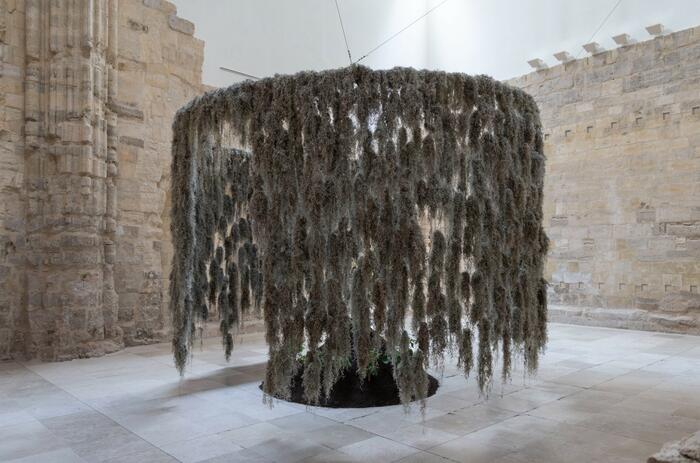
PAULO NAZARETH: IDENTITY AND THE FIGURE OF THE MOTHER IN VALLADOLID
The Brazilian artist arrives at the Museo Patio Herreriano with a proposal that brings together the political, the spiritual, and humor to reclaim memory and pay tribute to mothers.
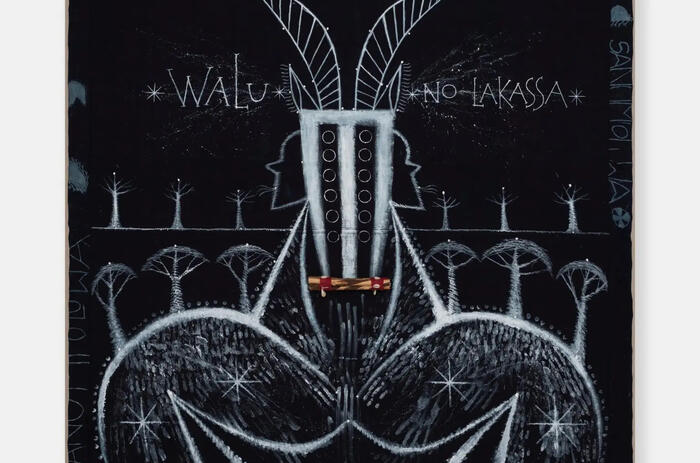
JOSÉ BEDÍA: HERITAGE AND TRADITION AS AN ACT OF COMMUNICATION
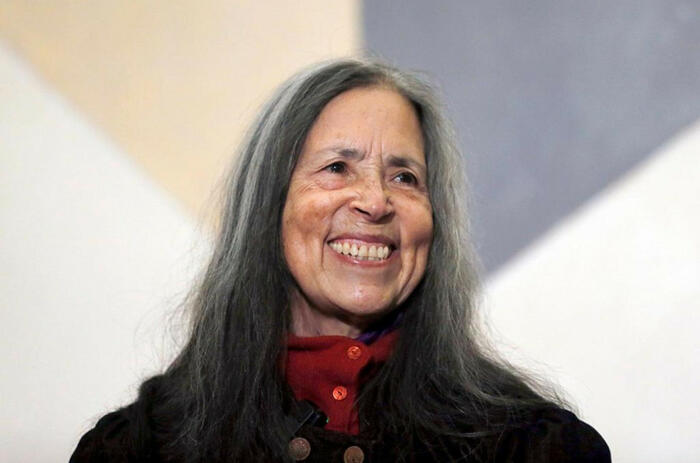
CECILIA VICUÑA: “FOR THE QUIPU TO ENDURE IS TO SAY THAT LIFE GOES ON IN THE FACE OF EXTINTION"
Interview with Cecilia Vicuña
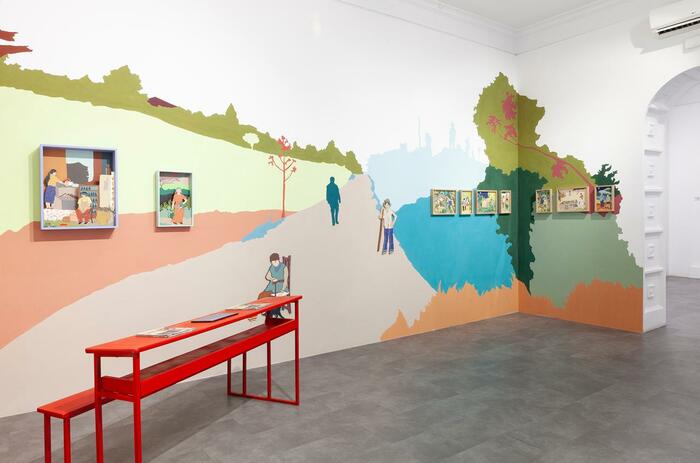
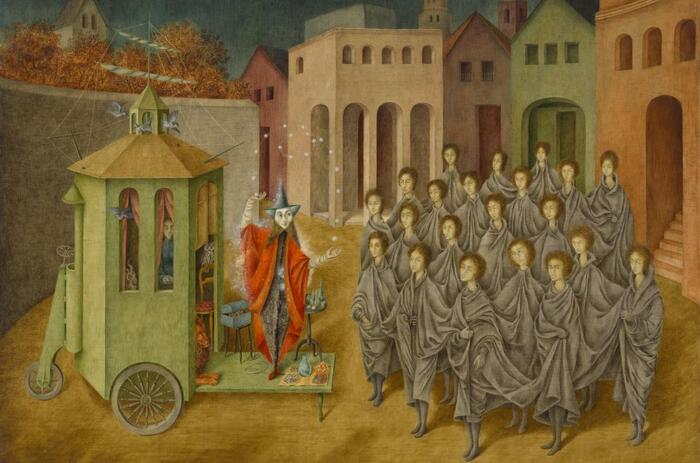
REMEDIOS VARO’S DREAMLIKE WORLD ENCHANTS THE LOUISIANA
The Danish institution explores the highly distinctive pictorial universe of the Spanish-Mexican artist, examining her creativity, thematic concerns, and meticulous technique at the intersection of Surrealism, mysticism, and science.

LA CHOLA POBLETE: "THEY EXPECT A VICTIM, I GIVE THEM A DIVA"
An Interview with La Chola Poblete
MINUJÍN, FERNANDA LAGUNA AND MIGUEL ÁNGEL ROJAS, PROTAGONISTS AT THE REINA SOFÍA
The institution is reinforcing its commitment to Latin American art with three exhibitions that, like the thematic lines underpinning this season, will explore the body, memory, and participation.