

By
Álvaro De Benito
Seven artists from the island come together at El Apartamento’s Madrid space to explore painting as an archive of memory, identity, and representation in contemporary culture.
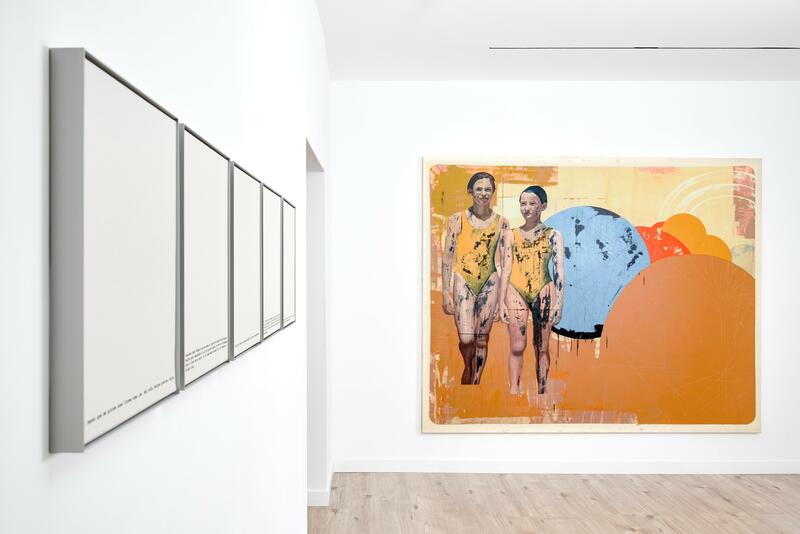
Painting (Archive) is the title of the group exhibition organized by El Apartamento at its Madrid gallery, bringing together seven Cuban artists from different generations. Through a representative selection of works, the exhibition reflects on painting as a site for questioning systems of representation and cultural imaginaries.
The works of Brenda Cabrera (Havana, Cuba, 1997), Leandro Feal (Havana, Cuba, 1986), Diana Fonseca (Havana, Cuba, 1978), Héctor Onel Guevara (Havana, Cuba, 1984), Juan Miguel Pozo (Banes, Cuba, 1967), and René Francisco Rodríguez (Holguín, Cuba, 1960) engage in dialogue with the trajectory of Flavio Garciandía (Caibarién, Cuba, 1954) and with the debates initiated by the Volumen I Generation. These references are essential for understanding a conception of painting linked to questions of identity and the construction of meaning within contemporary Cuban culture.
Rather than focusing on the formal qualities of individual works, the curatorial framework proposes a reading of painting as a critical tool capable of interrogating the mechanisms through which meaning is produced in contemporary culture. From this perspective, the pictorial emerges as an archive of historical, social, and symbolic tensions that cut across both artistic traditions and collective experiences.
The Cuban context, which provides the exhibition’s geographical and conceptual framework, reactivates discussions surrounding post-conceptualism, cultural appropriation, and the various forms of colonialism that have shaped the island’s experience. In this sense, the works on display appear to testify to the capacity of Cuban culture to absorb, transform, and reinterpret external influences, as well as the political circumstances that have accompanied its historical development.
The exhibited works are thus presented less as autonomous entities than as fragments of broader research processes and instruments of critical reflection. The notion of the archive shifts attention away from immediate visual experience toward the relationships between memory, knowledge, and power that painting can embody. Nevertheless, Painting (Archive) leaves room for viewers to establish their own connections and interpretations.
Painting (Archive) remains on view through August 1, 2026, at El Apartamento, Puebla 4, Madrid, Spain.

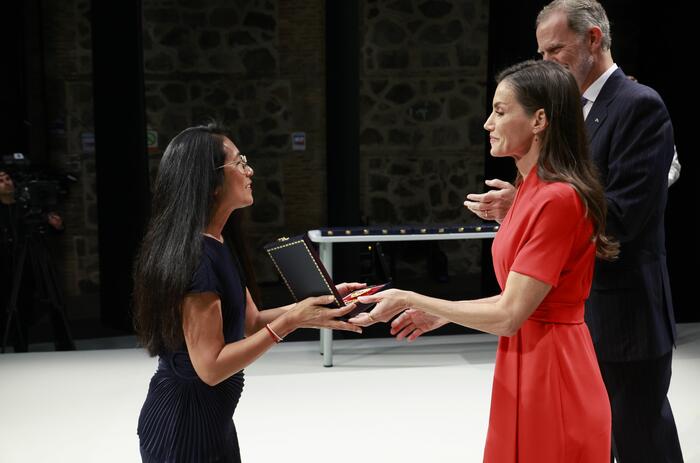
The Lima-born, Madrid-based artist received the Gold Medal for Merit in the Fine Arts from King Felipe VI and Queen Letizia at a ceremony in Toledo.
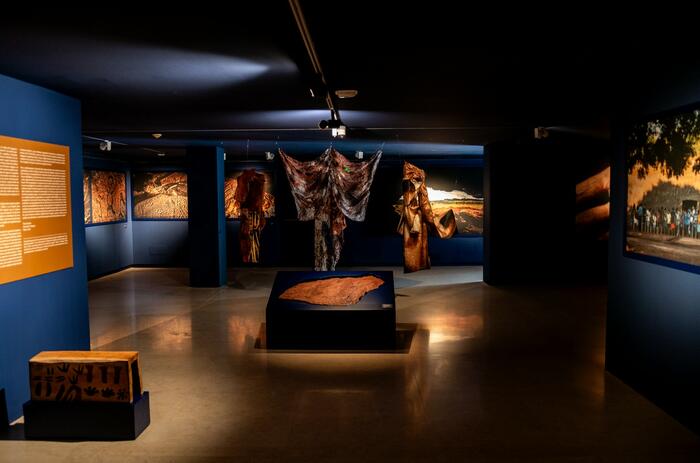
The Paraguayan artist and researcher Fernando Allen engages with the rock art of his home country in La piedra y la luz, an exhibition that combines photography, academic inquiry, and contemporary artistic practice while reflecting on cultural heritage and memory.
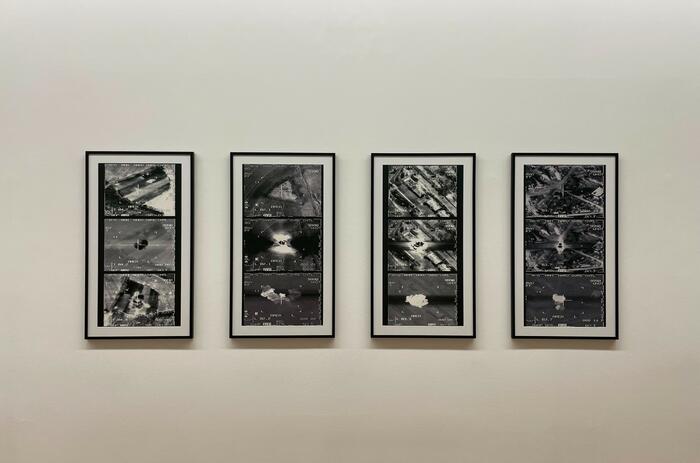
The Galician institution presents a proposal that connects the practices of Macchi, Ježik and Hernández with those of Alberto Ardid, bringing together critical strategies that engage with the construction of contemporaneity through media language and visual culture.
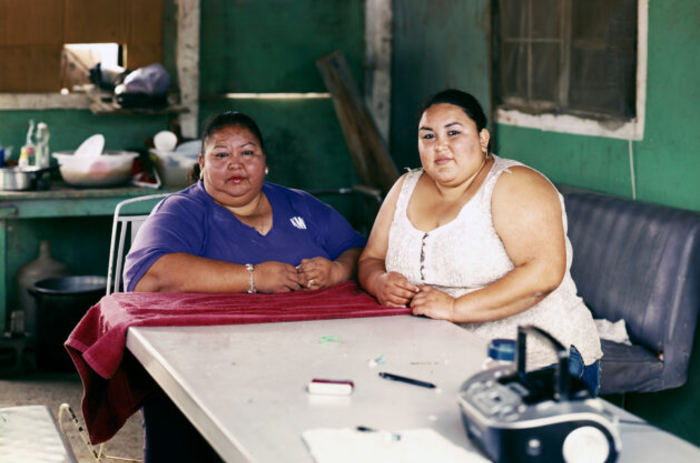
The Dominican-Mexican photographer explores the social and territorial transformations of Mexico through a critical and serial photographic practice in a major exhibition presented as part of PhotoEspaña.
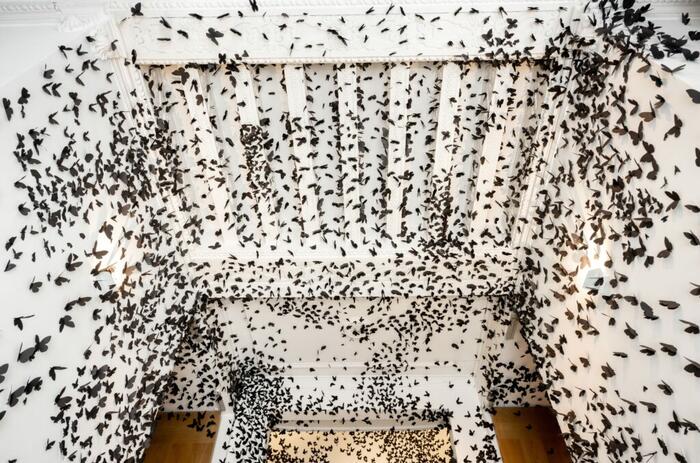
The renowned installation by the Mexican artist transforms the exhibition space into an immersive experience through the unsettling arrangement of thousands of black paper butterflies, exploring the tension between beauty, collectivity, and perception.