
By
Violeta Méndez
Vásquez, Rodrigo, Másquez, Verovcha, and Yone Makino transform the space into a living organism. A Special Project that questions what it means to make art in Peru today.
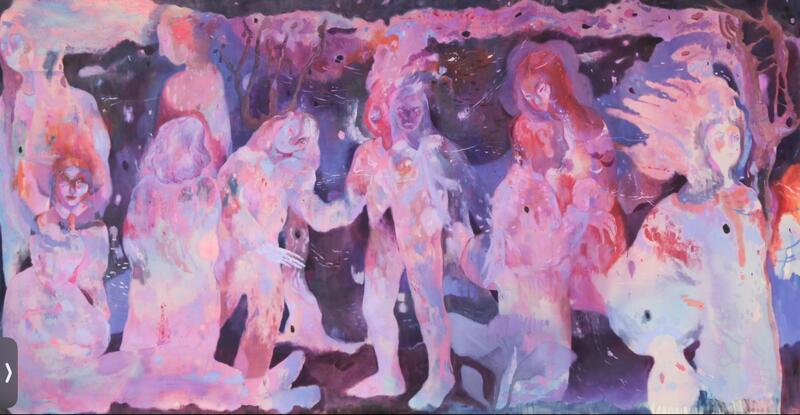
The body stands as a transversal axis. The decorative, the feminine, and the popular emerge as fundamental tools for mapping the present. The image of another world takes shape in a vibrant form. This April Pinta Lima 2026 presents, alongside curators Florencia Portocarrero and Irene Gelfman, a Special Project that exposes the contemporary Peruvian art scene through the work of five young artists: Elizabeth Vásquez, Fátima Rodrigo, Pierina Másquez, Verovcha, and Yone Makino.
The gallery was transformed into a habitable space that visitors must traverse in its entirety to fully grasp what is on display. The works, though diverse and produced individually, develop within the exhibition a mutual dependence: they form a map of what is happening in contemporary Peru. The gallery is an active body, the viewer is an active body, the work is an active body.
The hybrid is absolutely necessary to locate a shared terrain. "Rather than presenting a homogeneous panorama, the exhibition articulates a set of practices that, across a diversity of media, share a common sensibility in which materiality occupies a central place," Portocarrero explained in conversation with Arte al Día.
The selection brings together five artists born after the 1980s, with international reach and actively working within the local scene, who have been redefining the languages and concerns of contemporary art in Lima. In Gelfman's words: "the work of these five artists, with very different approaches, questions the notion of art and craft, rethinks the value and place of Peruvian art, and challenges certain terminologies carried over from modernism onward — the place Latin American art has occupied as something always lesser, always derivative."
The interdisciplinary nature of their practices — none of them confined to a single medium — allows matter itself to be activated as a field of thought. The works cease to be autonomous objects and become spaces for dialogue.
Pierina Másquez Limo (Chiclayo, 1993) works across textile, ceramics, drawing, and painting to address the relationships between body, desire, and collective organization, from an experience shaped by internal migration, workers' memory, and domestic labor. Fátima Rodrigo (Lima, 1987) works with installation, sculpture, textile, sound, and scenography. Her practice investigates how European modernism was appropriated and resignified within Latin American popular culture. Verovcha (Lima, 1994) explores the body as a porous vehicle that destabilizes the illusion of separation, positioning itself between form and overflow. Her work weaves together painting, textile, embroidery, and ritual actions from a sensibility close to tantric geometry. Yone Makino (Lima, 1997) builds from research and interpretation of memory, identity, the passage of time, and the Japanese diaspora. In her painting she explores materiality through intuition and gesture, generating fictional narratives about the everyday, the nostalgia of remembering, and questions of identity. Elizabeth Vásquez Arbulú (Lima, 1990) develops an interdisciplinary artistic practice grounded in the investigation of territory, culture, and their social and environmental transformations. Her work draws on video, ceramics, sculpture, and site-specific installation.
At Pinta Lima 2026's Special Project, visitors will encounter what Gelfman calls "a fundamental genealogy for tracing what is happening in contemporary Peruvian art." For Portocarrero, "the body — as a surface of affective and political inscription — becomes a fundamental key for understanding the density of these practices." The Image of The image of another world takes shape in a vibrant form is there to be walked through.
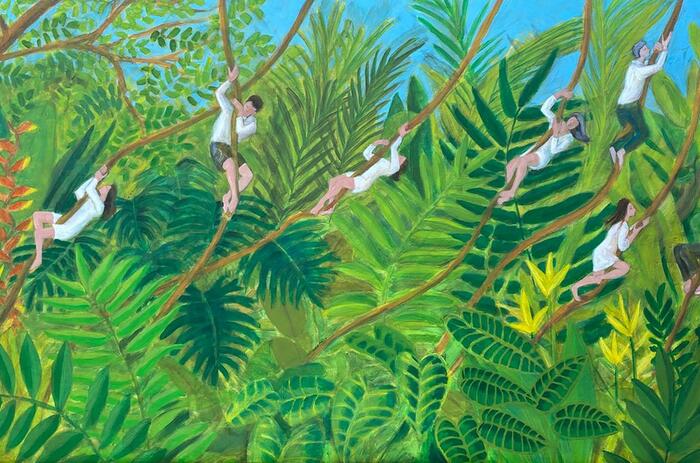
Galería Enlace, Forum, and Livia Benavides participate in the fair with a selection of artists with a presence in the national and international contemporary landscape.
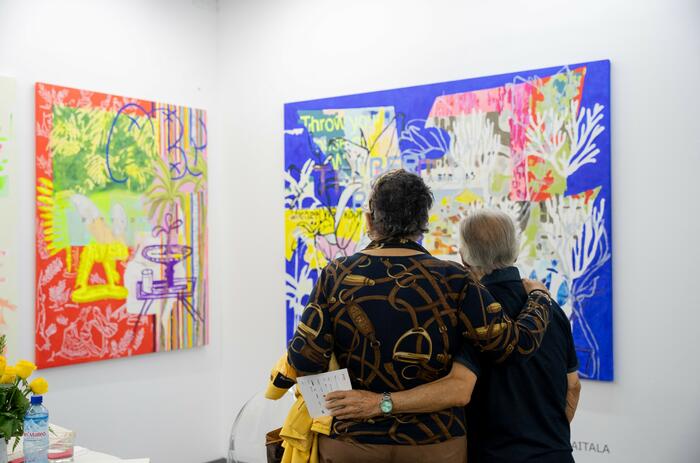
The fair commits to a program that brings together processes, technology, and identity, with curatorial sections that expand ways of thinking about contemporary art.
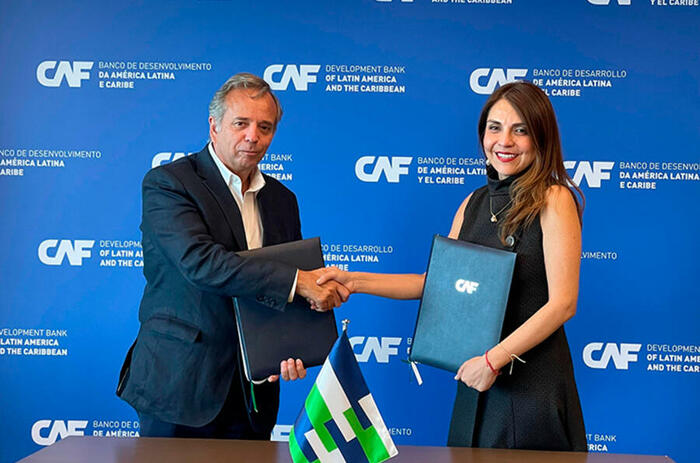
The collaboration between the two institutions will promote cultural platforms, professional exchanges, and spaces for dialogue aimed at advancing Latin American art and its international projection.
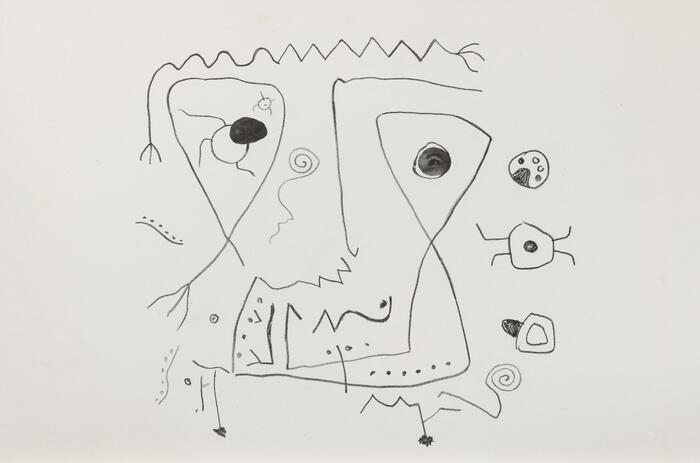
The show presents six decades of artistic and cultural work by Francesco Mariotti and María Luy, two artists who have intertwined technology, collectivity, nature, and social commitment in their work.

The Jan Mulder Collection showcases the intersections between Latin American tradition and global developments in the field.
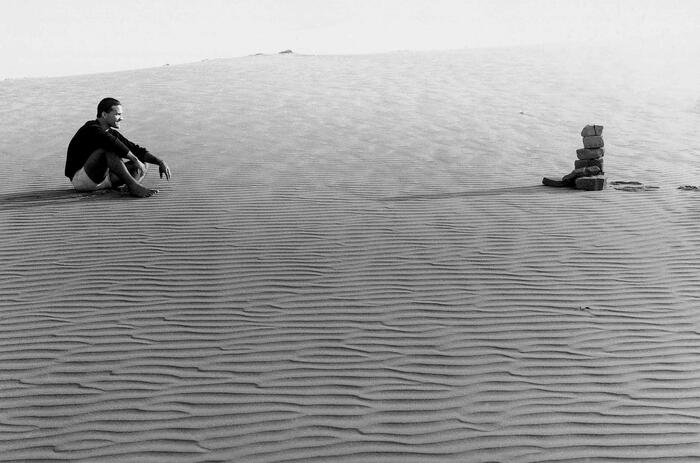
"Repeating and mastering form, shaping clay spheres, is like offering a prayer with no beginning or end in time. When I look, I hear distant music" — Carlos Runcie Tanaka (A Zen Parable and Ten Small Stories, 2007)
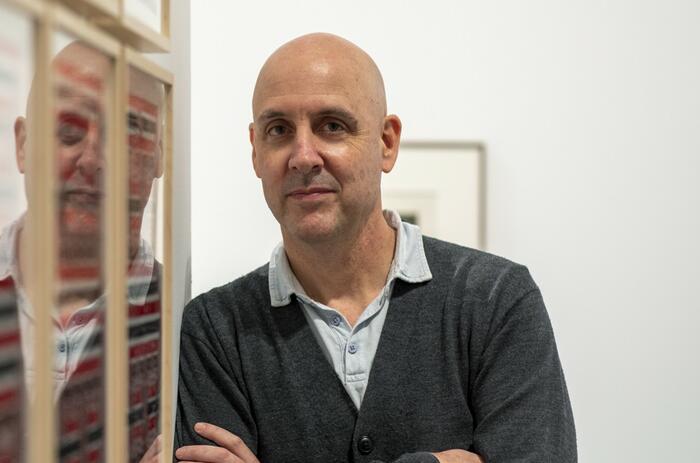
What is a Culturally Specific Institution? Director of El Museo del Barrio for over eight years, Patrick Charpenel reflects on the role of museums in the United States, the visibility of Latinx communities, and the challenges of thinking about art beyond fixed categories and market logics.
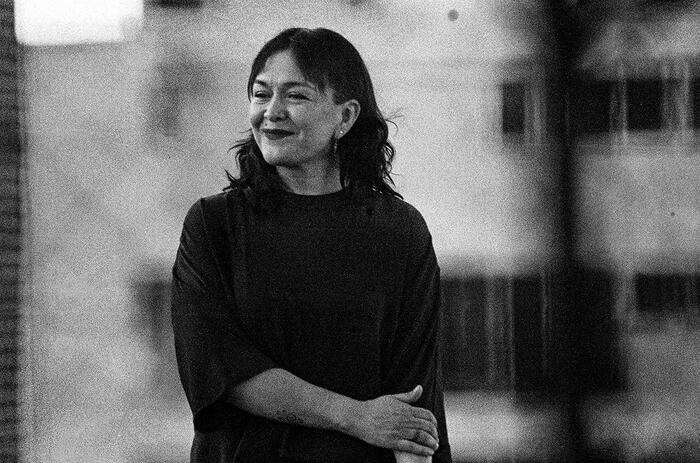
Director of the Museo Universitario del Chopo, Sol Henaro reflects on her role, the tensions within the institution, and the construction of communities from a curatorial perspective.
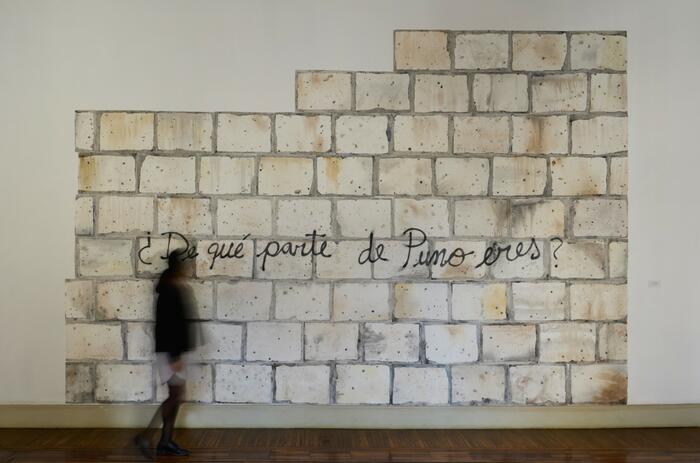
The exhibition Lengua materna (Mother language) is a journey through the intimate and social spaces that have shaped the work of the artist.
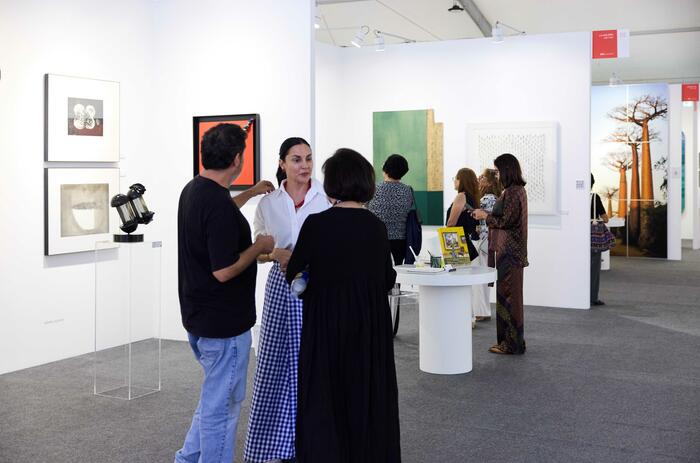
In conversation with Ilaria Conti, curator of the fair's Radar section, we learn how to adjust our gaze when encountering the Guatemalan work of Angélica Serech, presented by La Galería Rebelde.
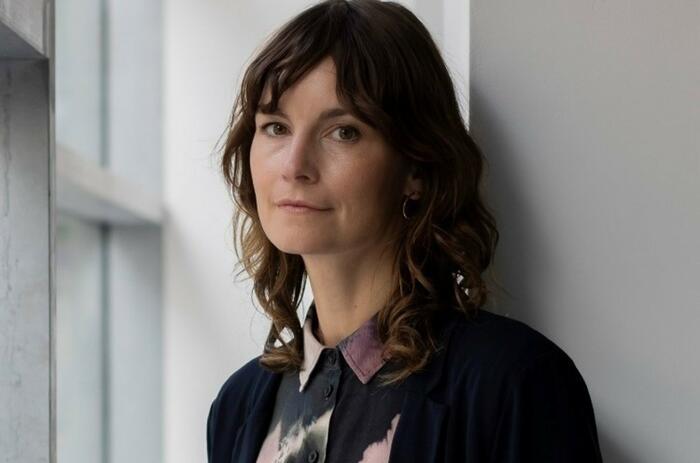
Argentine by origin, the curator and former Director of the Visual Arts Department of the Artists in Berlin Program (DAAD) — a residency that connects creatives from around the world with Germany's cultural scene — has spent years building bridges between Latin American art scenes and the major centers of Western art.
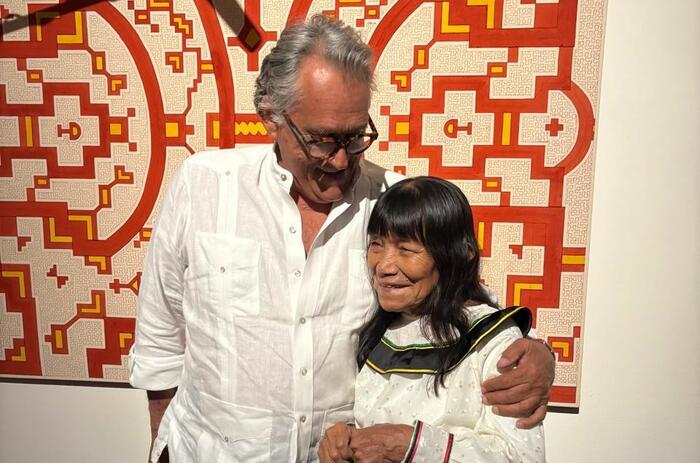
As commissioner of the Peruvian pavilion in Venice, Andrade examines how the Shipibo-Konibo artist transforms a visual thinking system into an all-encompassing experience —and why that gesture reshapes the scale of what contemporary art can hold.