
By
Mercedes Abella
Argentine by origin, the curator and former Director of the Visual Arts Department of the Artists in Berlin Program (DAAD) — a residency that connects creatives from around the world with Germany's cultural scene — has spent years building bridges between Latin American art scenes and the major centers of Western art.
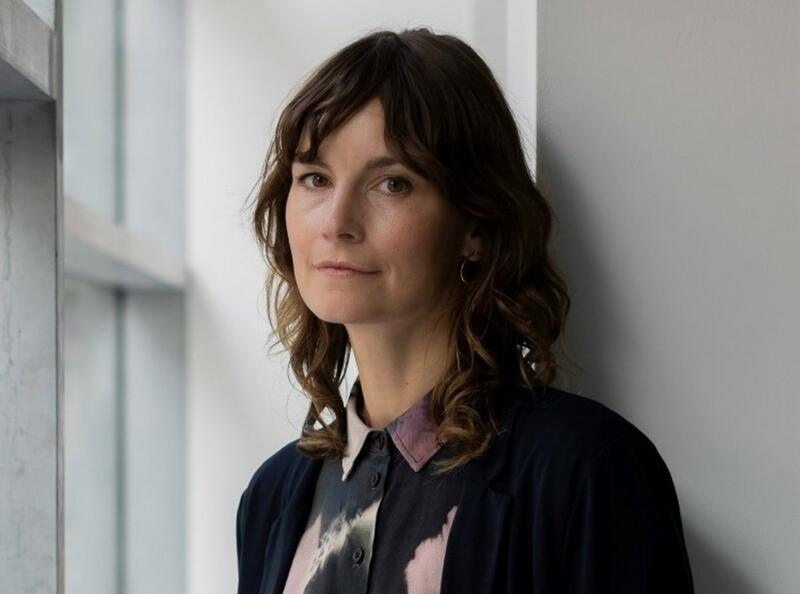
This Friday, Melanie Roumiguière da Silva participates in Pinta Lima FORO, in the panel discussion Curating on the Global Stage, alongside Allegra Cordero di Montezemolo, Associate Director of the Latin America Program at KADIST (Mexico City), and Alexia Tala, independent curator (Santiago, Chile); moderated by Florencia Portocarrero, curator of Special Projects at Pinta Lima. The panel brings together curatorial practices that operate in a delocalized manner, building bridges across multiple cities and art scenes. Additionally, on Saturday the 25th, Melanie will lead the workshop "The Review of Collections as Artistic Practice" at MALI – Museo de Arte de Lima.
In this interview, Melanie shares her experience working in Berlin, her perspective on the tensions between the global and the local, and the effort to institutionalize practices of openness, democratic discourse, and polyphony. She also sheds light on the creative potential of migrant artists and curators.
Some highlights:
Let's start from the beginning: what brought you to Berlin? And what keeps that city so fertile for cultural exchange?
What brought me to Berlin was the opportunity to work for the Nationalgalerie collection, one of the most important public collections in Germany. I arrived in Berlin in 2012, and between then and now the cultural landscape has changed considerably. On one hand, the city and its art scenes have become more commercialized, and the political climate has grown increasingly less tolerant toward a diverse society. It remains a city with a very high density of cultural and artistic production, but we are truly living through a moment of great uncertainty, and this is unfortunately causing many agents within the art scene to decide to leave the country.
You were Director of the Visual Arts Department of the DAAD residency program in Berlin — why do you believe it's worthwhile to create time and space for artists?
Precisely because of what I just described: the program generates enormous opportunities to bring people to the city who keep democratic debate and discourse alive, and who bring impulses from which we can learn.
What happens — in them, in the scene, in society — when commercial pressures are loosened?
For me, that has always been one of the most valuable aspects of this program: it comes with no production demands and offers the opportunity for a free space to develop thought and community. Outside the program, it must be said that commercial pressures are increasing more and more, alongside serious cuts to public cultural funding.
How do you see Latin American artists and curators in Berlin today? What do they find there that they don't have in their home regions, and what do they lose or give up when they cross over?
There are many communities from Latin American countries within Berlin's art scene. At the same time, there is little visibility for their practices and little institutional space for them — both within institutions and within the academic framework of art schools, specifically in terms of teaching. That structural tension is, in my view, one of the reasons why so few curators from Latin American contexts are able to work in the city long-term. I think many migrant artists find in the city a great supply and demand for artistic production at the level of audiences. Berlin's public is characterized by great curiosity and openness. The combination of a lack of institutional spaces and the city's enormous volume of cultural production often makes it difficult to build a long-term career. Living conditions on an economic level have changed enormously — Berlin is no longer the accessible city it once was in that sense. There are very few free spaces left.
The DAAD works explicitly toward the internationalization of cultural production and the decentralization of artistic discourses. Why is it important to sustain artistic practices that operate outside of — or that challenge — the Western art canon?
Germany is experiencing, alongside many European countries, a political crisis in which there is a serious risk of losing democratic structures. Within this context, it is crucial to maintain polyphonic, inclusive, and anti-discriminatory perspectives. As we know from many historical instances of censorship around the world, culture can serve both as an instrument of political propaganda and as a powerful vehicle for resistance and solidarity in the service of the common good. This kind of work also represents many communities in the city and country that remain underrepresented or unrecognized. Bringing artists to the city — with the discourses, experiences, and practices that entails — is a very coherent and enormously important way of activating those communities and providing them with spaces for exchange and debate.
People speak of a global perspective, but how do you prevent that globality from becoming homogenization? How do you build bridges without erasing or subjugating the local?
In cultural work within Western European or North American institutions, global representation and exchange can only have a real effect when the subjects of artistic or cultural production are not merely presented, but actually come to have a real impact within the structural systems of the institutions that present them. That is the moment when alternative or new forms of approach and knowledge are created. Ideally, these processes are reflected across all sites of action of the global majority, not just along a north/south axis. Speaking of locality, I think it is a very significant challenge and responsibility to recognize that the local also produces concepts of relevance — concepts that are not the same everywhere. It is remarkable when those concepts can be discussed under conditions defined by equality and curiosity. But there is still much to be done in that regard, and persistence is absolutely essential to achieving it.
Do you find a relationship between working transnationally and working in a transdisciplinary way? Do the two logics feed each other?
In my experience, absolutely. Recognizing practices and ways of thinking that are situated outside the boundaries or categorizations mostly imposed by Western tradition means, for me, automatically accepting the transdisciplinary as well, and developing new ways of acting and perceiving from that starting point. It represents an incredible potential that, in my view, is still recognized and applied in a very marginal way — and not only thinking in terms of artistic disciplines, but also including forms of knowledge production that fall outside cultural production in its classical sense.
Within your own practice, is there a project you are especially proud of for its capacity to generate that kind of genuine exchange?
I could name several, especially in the context of my time with the DAAD program. But the most complete moment of generating a project dedicated to formulating a concrete proposal — one that changed the ways of categorizing and thereby separating practices and their origins and mutual influences, beyond historical periods or geographies — was a chapter within the project "Hello World. Revision of a Collection", shown at Hamburger Bahnhof in 2018. For that extensive project, which questioned the criteria under which the collections of renowned German museums were formed, I curated the chapter "Intertwined Existences. Folk Art, Surrealism and Emotional Architecture" — which followed precisely this idea of liberating rigid and universal categories, proposing the possibility of parallel processes and diverse — and in many cases appropriated — origins.
In addition to being invited by Miguel López to participate in Pinta FORO on Friday the 24th, on Saturday the 25th you will lead a workshop at MALI on collections and hidden narratives. How can artistic exchange open new readings and ways of narrating?
I think exchange makes sense when a space of resonance is created for voices and impulses between different places and societies. So I can only reiterate that a decisive condition is openness and a sincere willingness to incorporate the lesser-known or the new into structural processes, along with the experience of other actors. Artistic thinking, in particular, can formulate proposals and questions that broaden and renew institutional mechanisms and functioning. The capacity for self-criticism and the drive to act on its consequences are, of course, an enormously important condition for achieving real change. That is partly what Saturday's workshop will address, focusing on collections and archives. But also the lecture at PUCP on Wednesday, which will focus on the need to create real spaces for artistic action within institutions.
At that intersection of memory and institution: how should commercial organizations — like an art fair — and public institutions relate to one another to foster exchanges between the local and the external, and also between past, present, and future?
I think Pinta this year is showing a very good example of how to bring together the needs and opportunities of the art market with deep exchange at the level of content and institutional work within a specific cultural context. I think there should be far more of this type of format, and I am very grateful to be here and to be part of this process. Unfortunately, in a German context there are very few formats of this kind, and the art market and curatorial scene within a Latin American context is very poorly represented and recognized — despite the large communities of artists living and working there — which brings me back to my very first answer in this conversation.
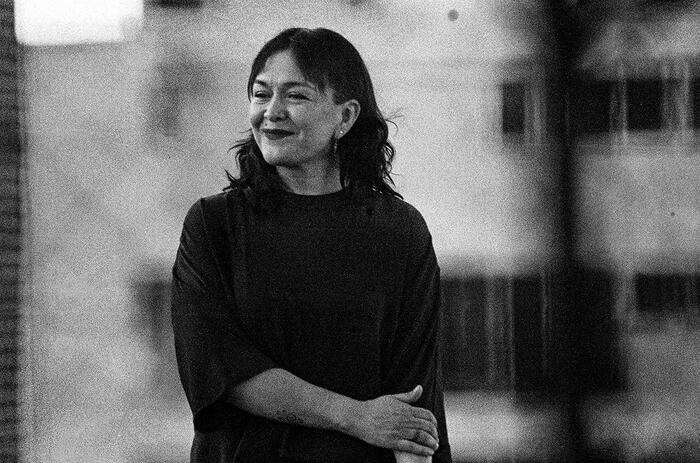
Director of the Museo Universitario del Chopo, Sol Henaro reflects on her role, the tensions within the institution, and the construction of communities from a curatorial perspective.
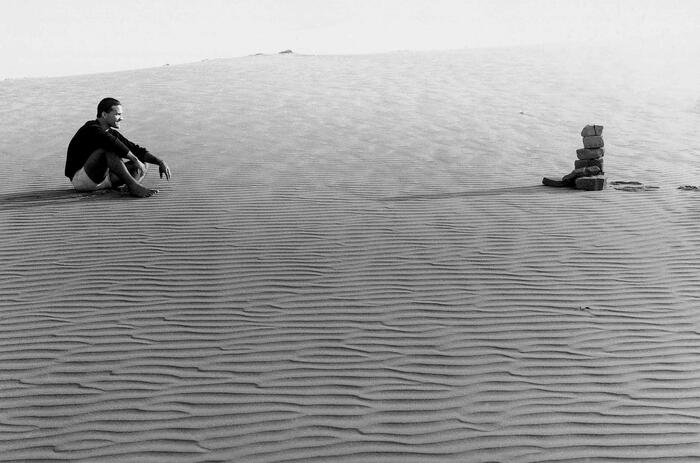
"Repeating and mastering form, shaping clay spheres, is like offering a prayer with no beginning or end in time. When I look, I hear distant music" — Carlos Runcie Tanaka (A Zen Parable and Ten Small Stories, 2007)
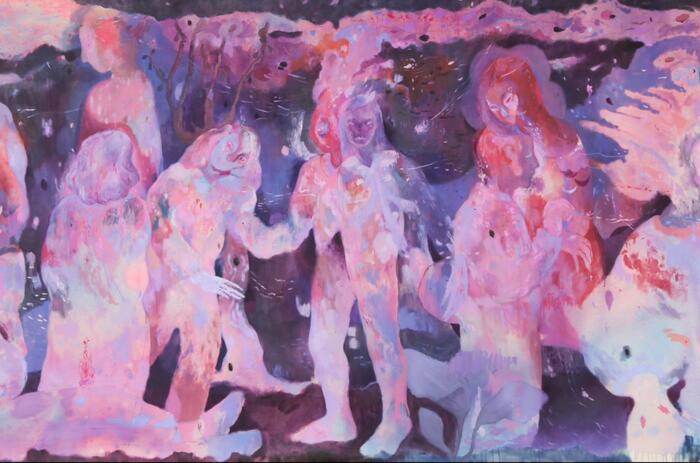
Vásquez, Rodrigo, Másquez, Verovcha, and Yone Makino transform the space into a living organism. A Special Project that questions what it means to make art in Peru today.
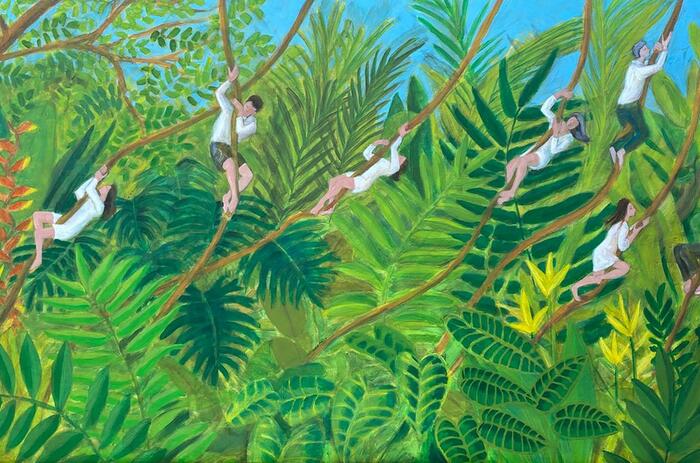
Galería Enlace, Forum, and Livia Benavides participate in the fair with a selection of artists with a presence in the national and international contemporary landscape.
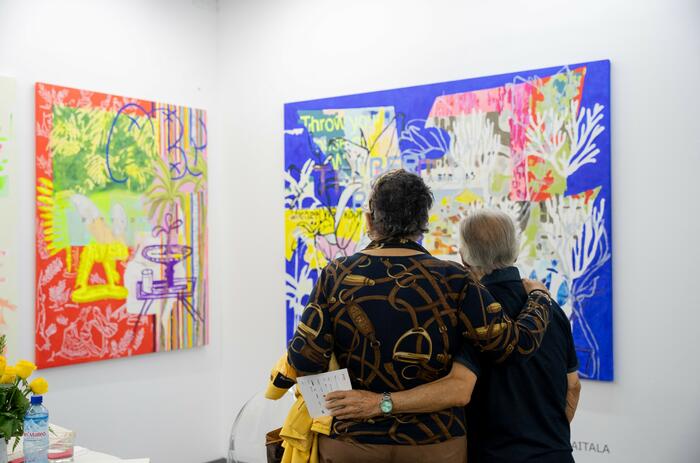
The fair commits to a program that brings together processes, technology, and identity, with curatorial sections that expand ways of thinking about contemporary art.
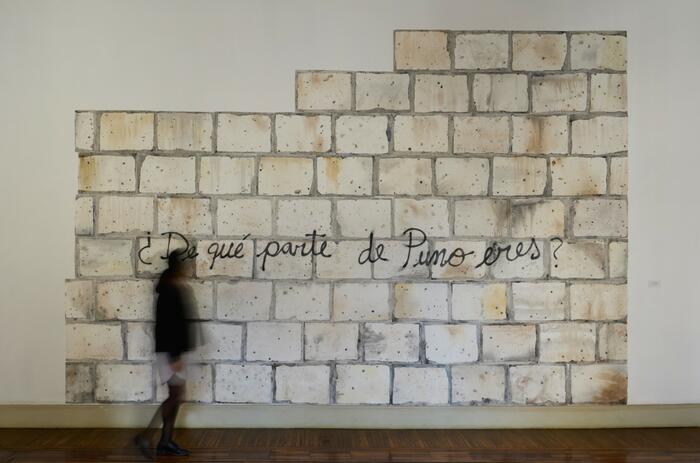
The exhibition Lengua materna (Mother language) is a journey through the intimate and social spaces that have shaped the work of the artist.
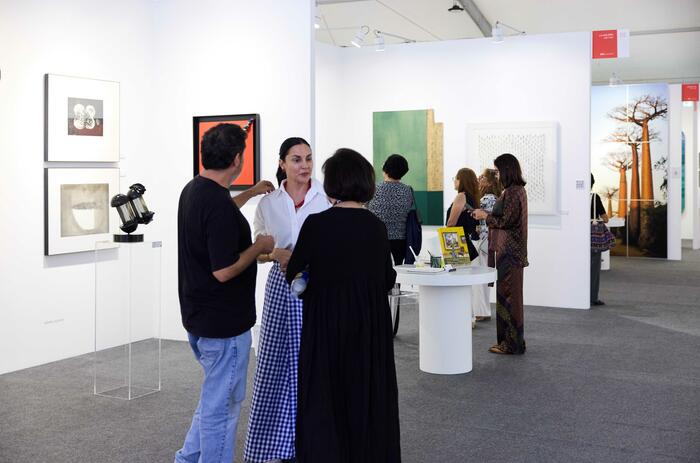
In conversation with Ilaria Conti, curator of the fair's Radar section, we learn how to adjust our gaze when encountering the Guatemalan work of Angélica Serech, presented by La Galería Rebelde.
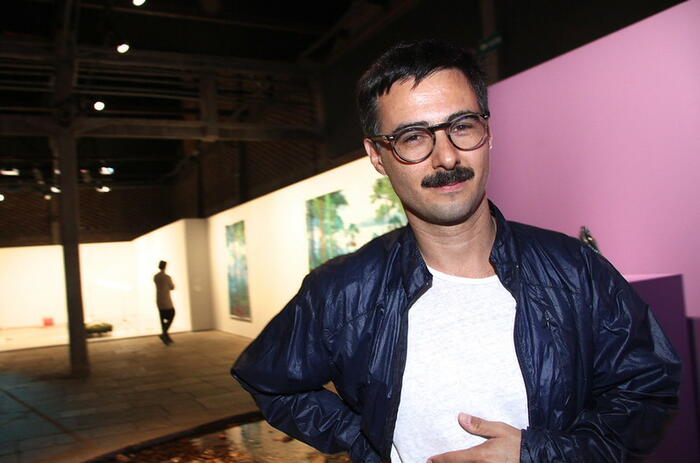
Cristiano Lenhardt was selected for his series of works born from his encounter with the environmental tragedy of the 2024 floods in southern Brazil.
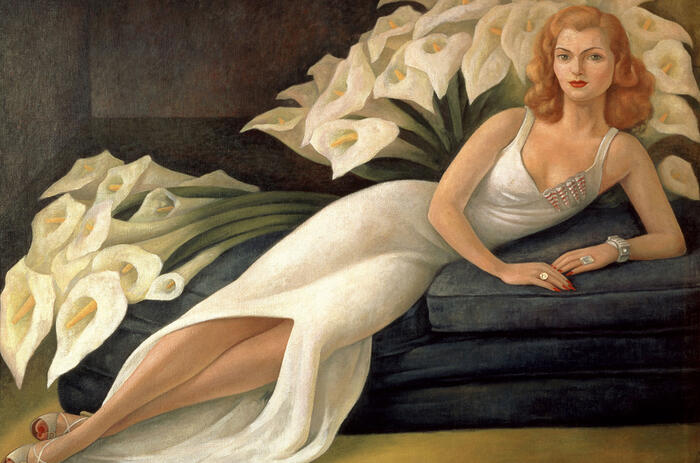
The current controversy highlights the difficult coexistence between the collection’s private ownership and the heritage protection that covers part of its works.
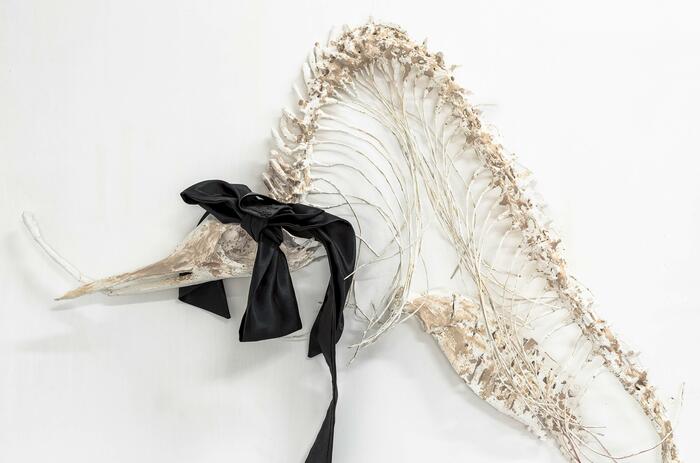
Just as Emilia de las Carreras (Buenos Aires, 1989) looks at the hermit crab and understands that leaving a mark means that life leaves marks on you too, engaging with her artistic practice inevitably means that little crusts of her narrative stick to us: the methodology she works with, her intuition as a collector, her thinking of the body as geology, her obsessions, her skeletal and exoskeletal sculptures. The artist's work explores bodies and their remains through a visual and sensory operation crossed with scientific research and self-knowledge, giving shape to pieces that evoke an intersection of the archaeological, the clinical, and the speculative. Her approach to art could easily fill dozens of pages; this is only one chapter.