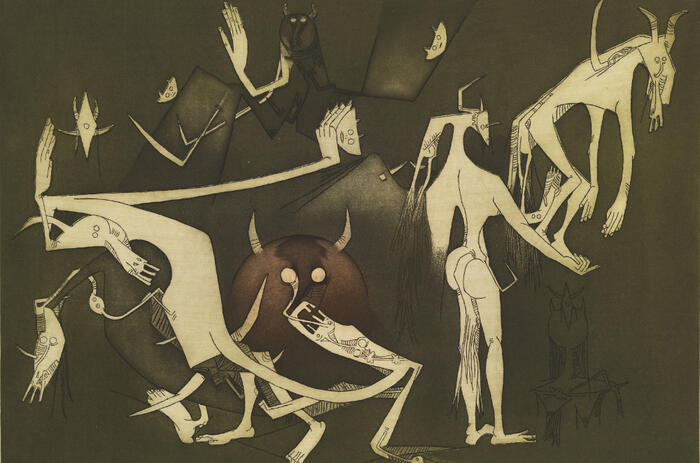
WHITNEY BIENNIAL 2026, A FIELD DENSE WITH ENCOUNTERS
The intergenerational selection traces a sensitive map of practices connected to the United States, where affective, political, and technological ties intertwine through an experimental lens.
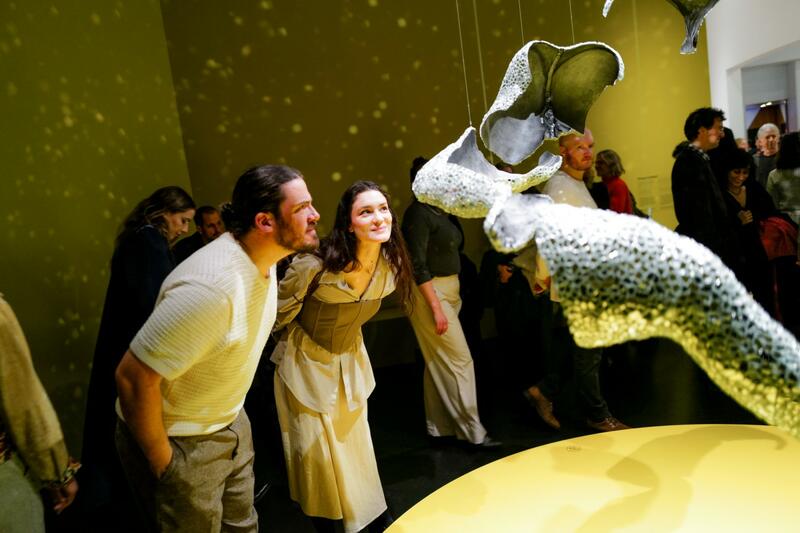
Whitney Biennial 2026, which opened on March 8 and closes in August, is presented by the Whitney Museum of American Art as the 82nd edition of its landmark exhibition series and the longest-running survey of American art. Featuring fifty-six artists, duos, and collectives across most of the museum’s galleries, the Biennial is accompanied by a robust program of performances and public events, both onsite and online.
Co-organized by Marcela Guerrero and Drew Sawyer, the exhibition brings together artists working across a range of media and disciplines, reflecting shifting notions of American art. Whitney Biennial 2026 unfolds as a vivid and atmospheric journey, shaped by a moment of profound complexity. The works examine multiple forms of relation, from interspecies and familial bonds to geopolitical entanglements, technological affinities, shared mythologies, and the infrastructures that sustain and condition contemporary life. Rather than offering a definitive statement on the present, the exhibition foregrounds mood and texture, inviting visitors into environments that evoke tension, tenderness, humor, and unease, while proposing imaginative, undisciplined, and unexpected forms of coexistence.
Whitney Biennial 2026 is conceived as a constellation of resonant moods that condense the turbulent existential atmosphere of the contemporary United States. Anxiety, playfulness, ecstasy, irreverence, and ambivalence run through the galleries in works that activate senses beyond the visual, incorporating sound, scent, and touch. The result is a series of deliberately dissonant environments that invite meaning to be perceived as much through atmosphere as through image.
Over the course of eighteen months, Guerrero and Sawyer considered more than 460 artists and conducted over 300 studio visits, traveling extensively, attending exhibitions worldwide, meeting artists in studios and galleries, and maintaining both in-person and remote conversations. The resulting selection is markedly intergenerational, ranging in age from twenty-eight to ninety-two, and includes artists from twenty-five states, as well as some based outside the United States. This expanded field is shaped by the realities of intervention, occupation, and the colonial histories of the United States beyond its national borders.
Rejecting individualism in favor of unruly collaborations, irreverent associations, and new forms of mutuality, the works do not move toward clear resolutions but toward a coexistence that embraces “coming apart together” and remaining in tension rather than forcing closure. It repeatedly unfolds forms of “disarmament” that are far from simple.
Taken together, the works in Whitney Biennial 2026 do not deliver a single verdict on the present, but rather a field charged with encounters. Across the museum’s galleries and terraces, visitors are invited to experience contemporary American art as a set of improvised, contested, and deeply affective relations. By privileging mood and texture, the Biennial proposes new ways of inhabiting contradiction and imagining forms of coexistence that are open-ended, unresolved, and firmly grounded in the present.
Related Topics
May interest you
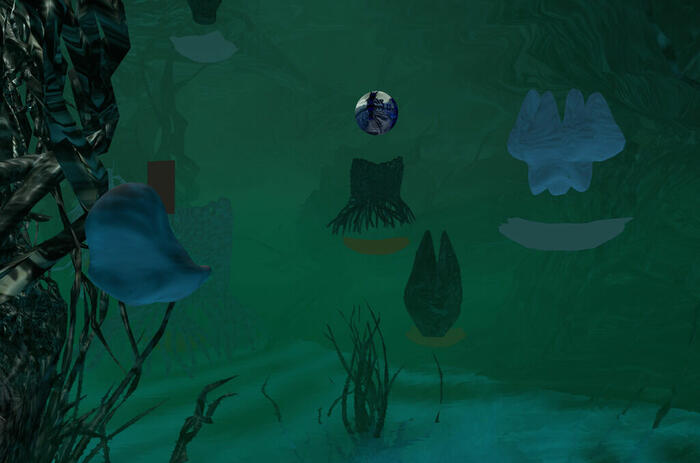
CULTIVATING A VIRTUAL GARDEN: LEO CASTAÑEDA'S NEW INTERACTIVE DIGITAL WORK
Inspired by the Amazon rainforest and the Florida Everglades, the project commissioned for the 2026 Whitney Biennial invites players to explore the interconnections between natural ecosystems and technological systems.
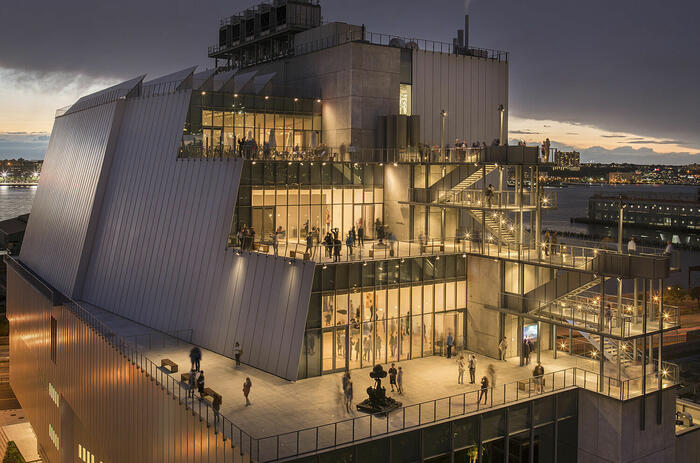
WHITNEY BIENNIAL 2026: LATIN AMERICAN IMAGINARIES IN A TIME OF TRANSITION
The 82nd edition brings together 56 artists and collectives in an exhibition that privileges atmosphere, sensibility, and contemporary forms of coexistence. Within this framework, Latin American artists play a key role, weaving together memory, technology, body, and territory.

CIRCLES, SPOKES, ZIGZAGS, RIVERS: CONTEMPORARY ABSTRACTION AT WHITNEY MUSEUM
Artist Grace Rosario Perkins’s solo exhibition reveals a dynamic process of layering, erasure, and renewal, where personal and collective histories converge.specifically for this exhibition.

WHITNEY MUSEUM UNVEILS A NEW INSTALLATION OF ITS PERMANENT COLLECTION
The museum draws on the thinking of Felix Gonzalez-Torres as a starting point to celebrate the past, present, and future of its collection, which spans works from 1900 to 1980.
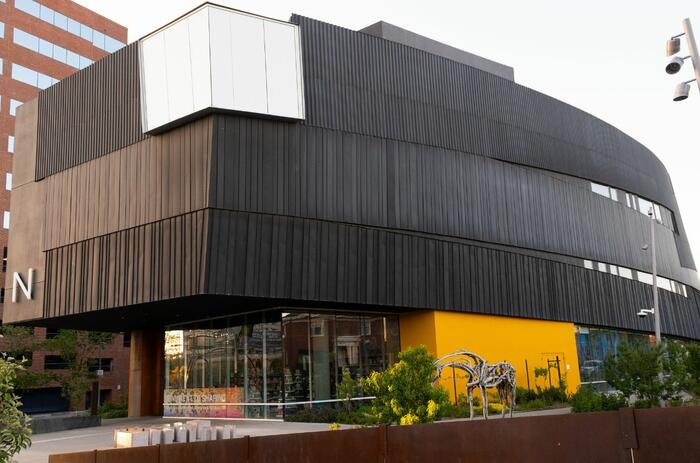
ART AGAINST COLLAPSE: 193 ARTISTS IMAGINE ALTERNATIVE FUTURES
Into the Time Horizon, at the Nevada Museum of Art, unfolds as one of the most expansive surveys of environmental art in the United States, combining critical diagnosis with concrete proposals in the face of the climate crisis.

DISPOSSESSIONS IN THE AMERICAS: CONTEMPORARY ART AND THE COLONIAL LEGACY
The exhibition in Chicago brings together 36 Latin American artists who, through more than 40 works, challenge colonial narratives through critical, community-based, and resistance-oriented practices.
DANCING OUR PROBLEMS: LATIN AMERICAN PRESENCE AT MOCA’S ART ON THE PLAZA 2026 AWARDS IN MIAMI
In a context marked by the debate on immigration in the United States, Joan Jiménez Suero (Perú) has been recognized by the Museum of Contemporary Art - North Miami (MOCA) for a proposal that reflects on the identity, memory, and resistance of the Latin diaspora.
HUMANS, MACHINES, AND POSSIBLE FUTURES: THE LAST 100 YEARS AT NEW MUSEUM
The exhibition features more than 15 new commissions by artists such as Ryan Gander, Camille Henrot, Jamian Juliano-Villani, Wangechi Mutu, Hito Steyerl, Alice Wang, and Santiago Yahuarcani, among others.