

By
Esther María Arjona
With the large-scale installation and performative work of Antonio José Guzmán and Iva Jankovic, Panama participates for the second time as a National Pavilion in the Biennale di Venezia 2026.
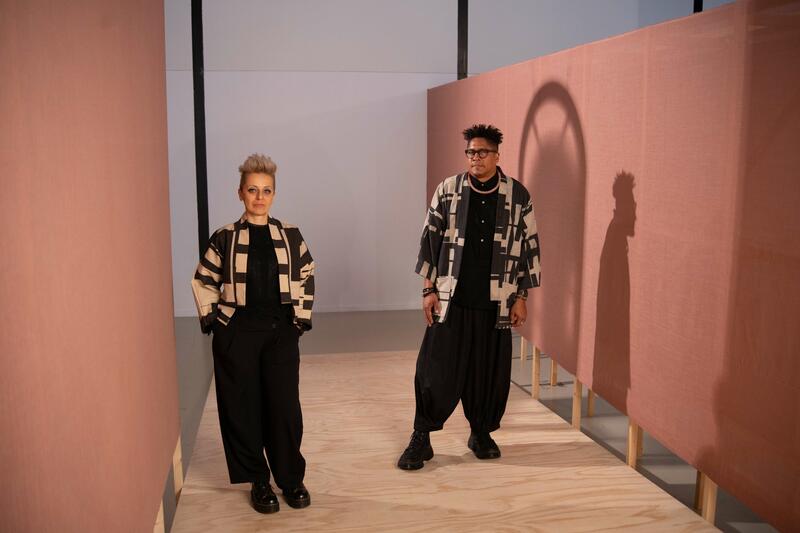
Panama will have its second participation as a National Pavilion in the International Art Exhibition – La Biennale di Venezia. As part of the 2026 Art Biennial, which opens in May, the Panama Pavilion will present Tropical Hypersitution, a large-scale installation and performative work by Antonio José Guzmán and Iva Jankovic, the artistic duo known as Mensajeros del Sol.
The project is led by the Ministry of Culture, in collaboration with the Canal Museum, the City of Knowledge Foundation and the Art & Culture Foundation of Panama. The curatorship is in charge of Ana Elizabeth González and Mónica Kupfer.
Tropical hyperstition confronts colonial memory, displacement, and cultural survival. The purpose of the work is to reactivate silenced narratives of communities displaced during the construction of the Panama Canal and the creation of the Canal Zone. The work situates Panama not only as a global place of transit, but as a territory deeply marked by imperial ambition, logistical power and the social engineering of colonial modernity exercised by the United States, the country that governed this territorial enclave for most of the twentieth century.
In the center of the installation hangs a twenty-meter-long suspended hammock, hand-woven from strips of indigo-dyed fabric. "The hammock is transformed into a monumental architecture of refuge: a structure of serenity, memory and survival. It brings together overlapping stories of indigenous traditions, Afro-Caribbean migration and formation of the Panamanian nation, simultaneously embodying refuge and displacement," explains the Canal Museum in the official statement.
The installation is completed with printed fabrics in the form of visual collages that incorporate photographs and archival illustrations of the so-called "lost towns" and their inhabitants that in turn are intertwined with patterns derived from sequences of Guzmán's DNA, native designs and symbols of ancestral traditions, creating a textile cartography. The pavilion also has a sound environment that combines sounds of water, human voices and the machinery of large engineering projects intertwined with Caribbean rhythms.
Tropical Hypersittion transforms the Panama Pavilion into a space of memory and resistance, with art as a vehicle that confronts colonial infrastructures, reimagines erased geographies, and returns one's own presence to relegated histories.
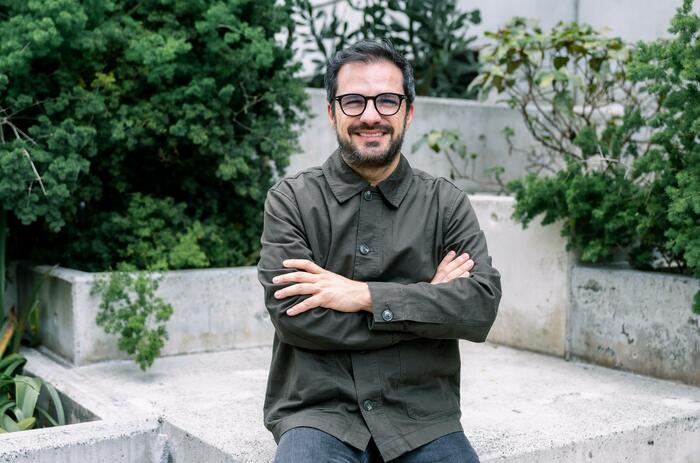
With a background shaped by humanities and a trajectory in cultural practice, Rafael Tamayo promotes a model of the museum that is conceived in relation to its social context. Director of the Museum of Modern Art of Medellín, he will take part in the FORO of Pinta Panamá, where he will engage in discussions on how institutions construct narratives, community, and debate in the region.
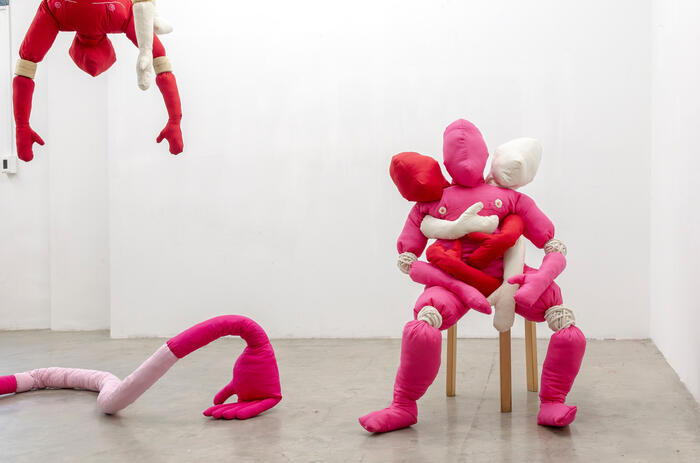
Video, textiles and the body make up a network of relationships in constant construction in the exhibition curated by Irene Gelfman with the participation of artists from Latin America.

The Salvadoran curator reflects on the relationship between art, memory, and politics, and on how his work at Y.ES Contemporary seeks to generate opportunities for local artists while building networks with the international scene. He will be participating in the 2026 edition of Pinta Panamá in the FORO talk.
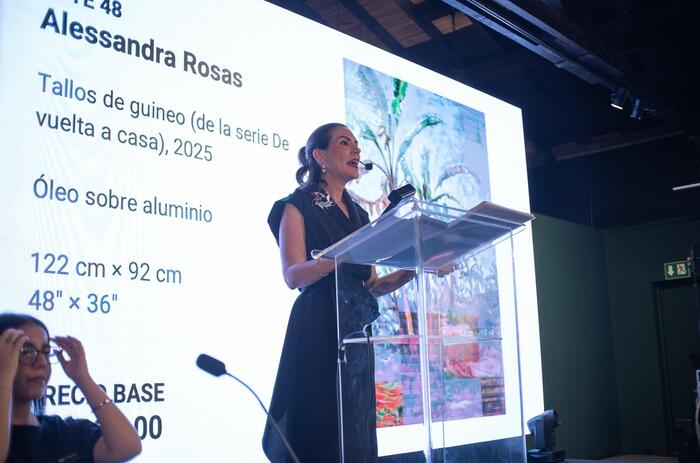
The executive director of MAC Panama, who will participate in the discussion Building Institutional Stories, part of the Pinta Panamá FORO initiative, envisions great opportunities for Central America with the strengthening of its institutions and joint work.
In a context marked by the debate on immigration in the United States, Joan Jiménez Suero (Perú) has been recognized by the Museum of Contemporary Art - North Miami (MOCA) for a proposal that reflects on the identity, memory, and resistance of the Latin diaspora.