
LATIN AMERICAN HISTORIES: MASP PRESENTS ITS 2026 PROGRAM
The museum explores the construction of the region’s identity through a major group exhibition and solo presentations by Jesús Soto, Damián Ortega, Sandra Gamarra, La Chola Poblete, among other artists.
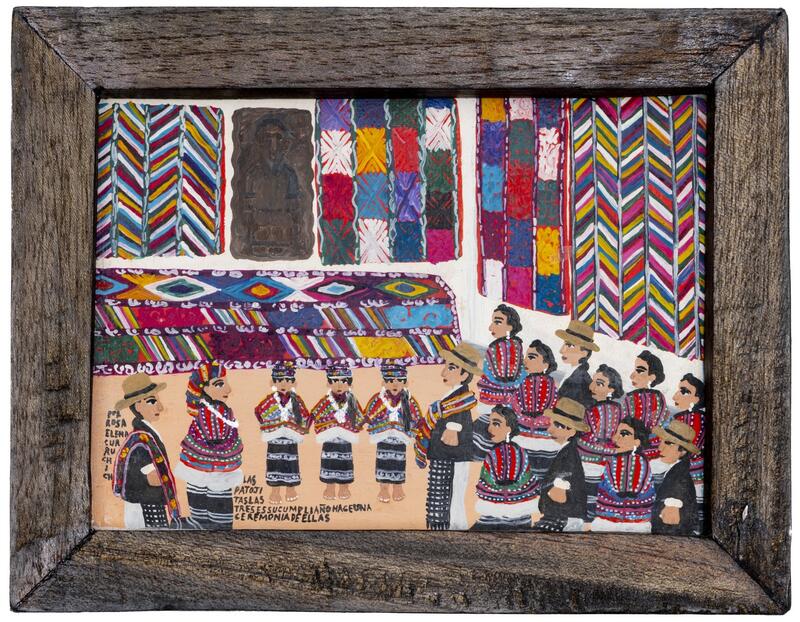
In 2026, the Museu de Arte de São Paulo Assis Chateaubriand (MASP) will present a program dedicated to Latin American Histories. This series of activities—which includes exhibitions, courses, lectures, workshops, seminars, and publications—will explore Latin America both as a geographical region and as a shared identity in constant construction, transformation, and dispute among the countries that comprise it.
The notion of latinidad, present in historical narratives as well as in conceptions of art and visual culture, will be the central axis of MASP’s 2026 program. The year will feature monographic exhibitions by artists, collectives, and activists, alongside a major group exhibition organized into five sections.
-
Cortesía de MASP
The program continues MASP’s exhibition cycles dedicated to Histories, developed since 2016, including: Histories of Childhood (2016), Histories of Sexuality (2017), Afro-Atlantic Histories (2018), Histories of Women, Feminist Histories (2019), Histories of Dance (2020), Brazilian Histories (2021–22), Indigenous Histories (2023), Queer Histories (2024), and Histories of Ecology (2025).
Upcoming exhibitions at MASP
Sandra Gamarra Heshiki: Réplica [Replica]
March 6 – June 7, 2026
The first retrospective exhibition of Peruvian artist Sandra Gamarra Heshiki (Lima, Peru, 1972) brings together around 80 works produced over the past 25 years. Since the late 1990s, her practice has adopted an institutional critique perspective, evident in the creation of the fictional museum LiMac. Gamarra questions the supposed neutrality of artistic representations through the critical appropriation of paintings and sculptures, particularly from the colonial period.
-
Sandra Gamarra (Lima, Peru, 1972). Doble [Double], 2023. Oil on canvas, 90 × 60 cm. Museu de Arte de São Paulo Assis Chateaubriand. Gift
of the artist in the context of the exhibition Indigenous Histories, 2023. Photo: Eduardo Ortega
La Chola Poblete: Pop Andino [Andean Pop]
March 6 – August 2, 2026
La Chola Poblete (Guaymallén, Argentina, 1989) works with performance, drawing, photography, and video. In her practice, she uses her body and biography to explore the complexities of chola identity, a term used to refer to mestizo women of Indigenous descent in Latin America. She also addresses colonial legacies in the Andean region, including violence against queer populations and racialized groups, to which she belongs.
Claudia Alarcón & Silät: Vivir, Tejer [Living, Weaving]
March 6 – August 2, 2026
Claudia Alarcón (La Puntana, Argentina, 1989) and the textile collective Silät—formed in 2023 by women from Wichí communities in the province of Salta, northern Argentina—produce textiles using ancestral techniques of their people. The exhibition presents around 30 works, some shown for the first time, made with chaguar thread, a fiber obtained from a bromeliad native to the region where the artists live. The works recover traditional patterns and techniques used to make yicas, typical local bags. For the Wichí people, weaving is a practice linked to memory, mythology, and territory.
Santiago Yahuarcani: El comienzo del conocimiento [The Beginning of Knowledge]
April 3 – August 2, 2026
The exhibition dedicated to Santiago Yahuarcani (Pebas, Peru, 1960) brings together approximately 30 paintings, including previously unseen works. It continues the artist’s international projection following his participation in the 60th Venice Biennale (2024), where his work drew critical and public attention. Yahuarcani is an Indigenous artist from the Uitoto people, based in the Peruvian Amazon. His work draws on the oral traditions, cosmology, and visual culture of his community, weaving together family memory, history, and imagination.
-
La Chola Poblete. Il Martirio di Chola [The Martyrdom of Chola], 2014. Print on paper, 100 × 70 cm. Artist's collection, Buenos Aires. Photo: Lista Registra Studio
-
Claudia Alarcón & Silät. Chelchup — Otoño [Autumn], 2023. Hand-spun chaguar fibre, woven in hourglass-stitch, 160 × 142 cm. MASP
-
Colectivo Acciones de Arte (CADA). NO+, 1983. Photograph by Jorge Brantmayer of the action by CADA and other artists on the banks of the Mapocho River. © CADA Archive, donated in 2016 by Lotty Rosenfeld and Diamela Eltit. Museum of Memory and Human Rights, Santiago, Chile
Colectivo Acciones de Arte: Democracia radical [Radical Democracy]
April 3 – August 2, 2026
Colectivo Acciones de Arte (CADA) was founded in Santiago de Chile in 1979, during the military dictatorship, by artists Lotty Rosenfeld (1943–2020) and Juan Castillo (1952–2025), writer Diamela Eltit, poet Raúl Zurita, and sociologist Fernando Balcells. The group carried out rapid, anonymous interventions in public space to rethink the relationship between art and life in a context of violence and precarity.
Among the exhibitions scheduled for the second half of 2026 and early 2027 are Damián Ortega: Matter and Energy, Sol Calero, Carolina Caycedo: Confluences, Latin American Histories, Pablo Delano: The Museum of the Old Colony, Rosa Elena Curruchich: Chronicles of Comalapa, a joint presentation by Manuel Herreros and Mateo Manaure, and an exhibition dedicated to Jesús Soto.
*Cover image: Rosa Elena Curruchich. Las Patojitas las tres en su cumpleañero hace una ceremonia de ellas, circa 1980. Oil on canvas, 14.5 x 18.5 cm. MASP. Anonymous Gift in the context of the Biennale di Venezia, 2024-25. Photo: Eduardo Ortega.
Related Topics
May interest you

MASP INAUGURATES AN EXHIBITION BY MINERVA CUEVAS ON SOCIAL ECOLOGY
The multidisciplinary exhibition by the Mexican artist, featuring installation, sculpture, painting, posters, and video, closes the Histories of Ecology cycle and highlights the environmental crisis as a social issue.
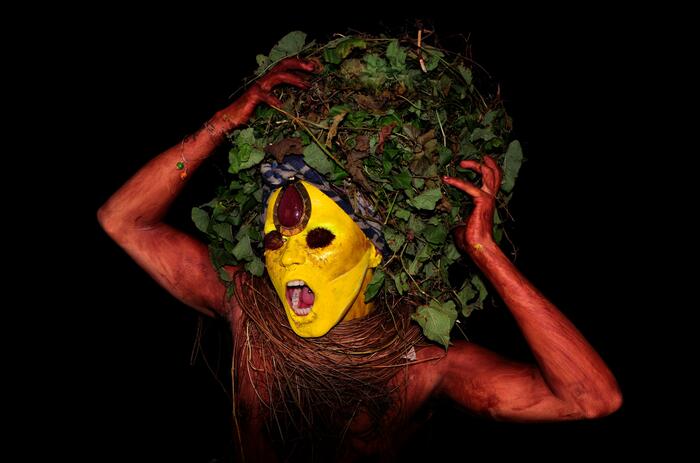
PINTA MIAMI 2025: THREE PROPOSALS REIMAGINING TERRITORY, BODY AND COMMUNITY
In its new edition, Pinta Miami reaffirms its role as a vital anchor of Miami Art Week. Curated by Irene Gelfman, the fair presents three projects that explore—through distinct approaches—the shifting relationships between landscape, identity, and collective experience.
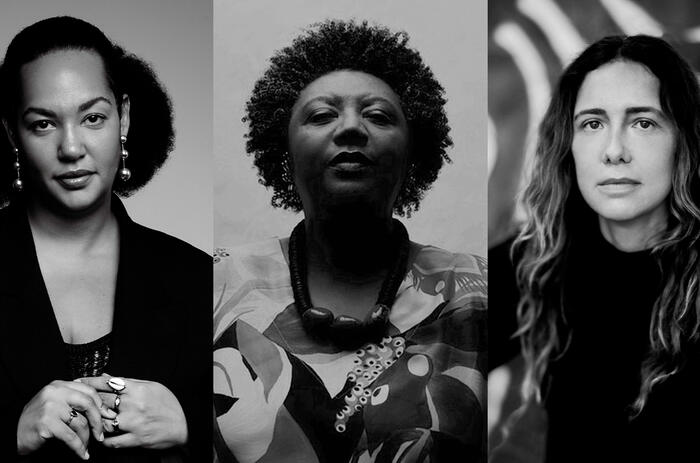
BRAZIL ANNOUNCES ROSANA PAULINO AND ADRIANA VAREJÃO FOR ITS PAVILION AT THE 2026 VENICE BIENNALE
Curated by Diane Lima, the project Comigo ninguém pode will bring together two of the most powerful voices in contemporary Brazilian art around themes of colonial memory, resilience, and poetic imagination in Brazil’s Pavilion.
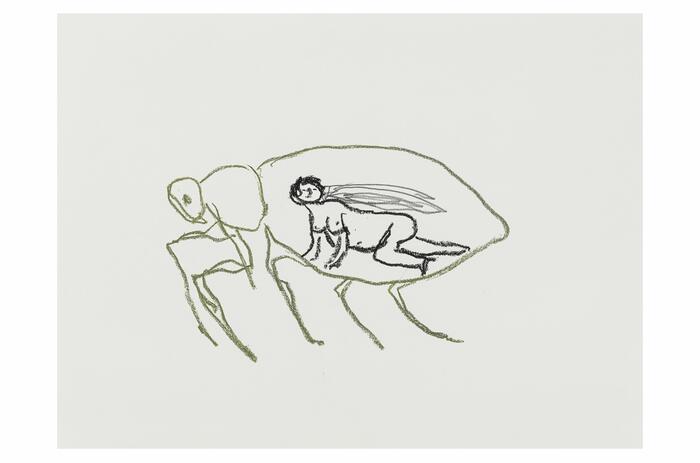
HISTORIES OF ECOLOGY: AN INTERNATIONAL COLLECTIVE EXHIBITION AT MASP
The exhibition connects local and global issues by facilitating dialogue between Brazilian and international artists. Many of these artists are exhibiting their work in Latin America for the first time.
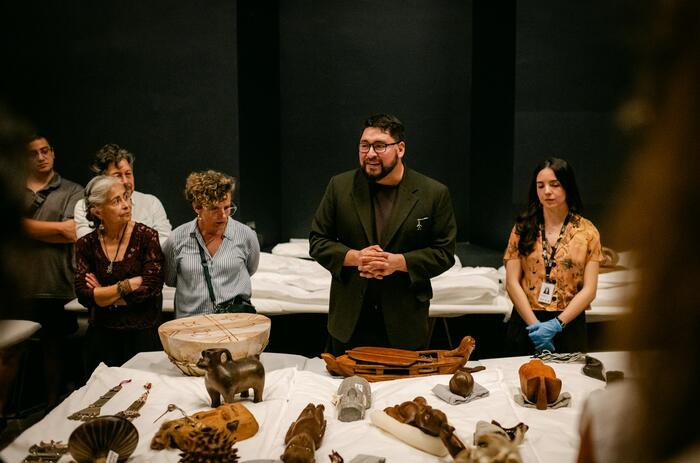
ALIVE AND PRESENT: INDIGENOUS ART THAT “DOES NOT FOCUS SOLELY ON OBJECTS” AT THE PRE-COLUMBIAN MUSEUM
The Chilean museum unveils a temporary exhibition that foregrounds the living traditions and creative persistence of the Atacameño/Lickanantay, Mapuche, and Rapanui peoples through an extensive process of research and collaboration with Indigenous communities.
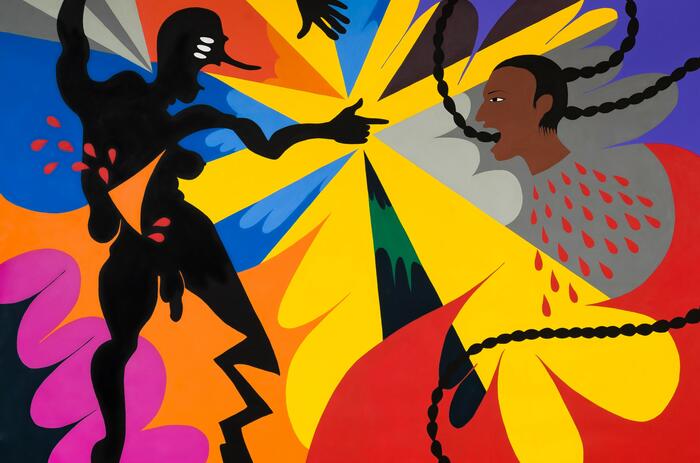
LA CHOLA POBLETE PRESENTS HER FIRST SOLO SHOW IN BRAZIL
With references to Baroque, Pop Art, Andean cosmology, music, fashion, and political protest, the exhibition at MASP encourages reflection on gender, colonialism, and the Chola identity.
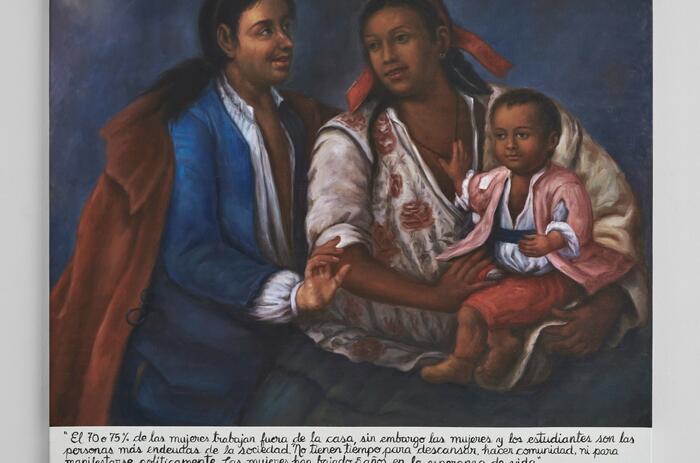
MASP: CONTESTED NARRATIVES BETWEEN REPLICA AND WEAVING
Two parallel exhibitions revisit dominant narratives through practices that interrogate archive, materiality, and community in Latin America.
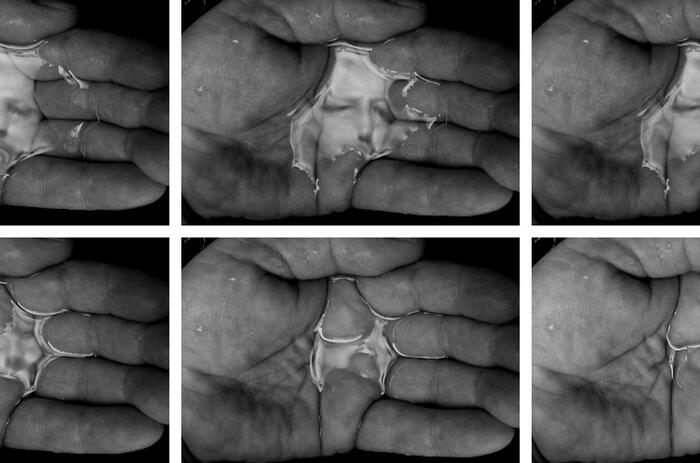
WAYS OF REMEMBERING: YAHUARCANI AND MUÑOZ AT MASP
The Brazilian museum presents works by Santiago Yahuarcani and Oscar Muñoz, exploring ancestral knowledge and the fragility of images in Latin America.
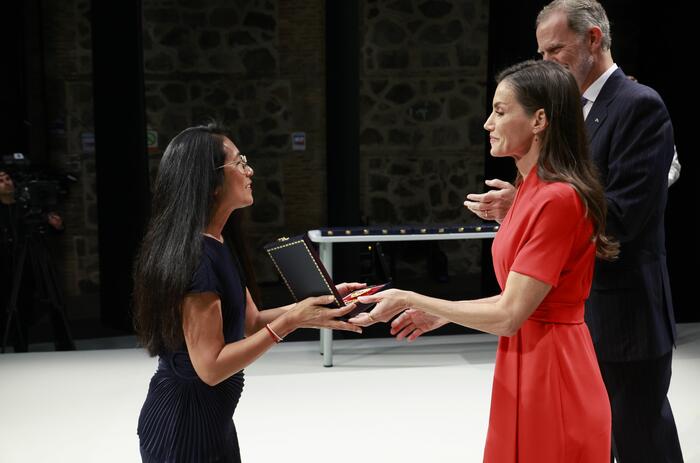
SPAIN HONORS SANDRA GAMARRA HESHIKI WITH ITS MOST PRESTIGOUS CULTURAL AWARD
The Lima-born, Madrid-based artist received the Gold Medal for Merit in the Fine Arts from King Felipe VI and Queen Letizia at a ceremony in Toledo.