
By
Violeta Méndez
During the Central American country’s art week, works that study histories, recreate them, and bring them into reflection will be presented. From the play with materials to the manipulation of space, Lulu Molinares, Cisco Merel, Arístides Ureña Ramos, and Isabel de Obaldía create pieces that propose alternative readings of memory, territory, and everyday life.
The second edition of Pinta Panamá Art Week will take place from March 18 to 22, 2026. Under the artistic direction of Irene Gelfman, the program deepens its conceptual axis: Panama as a territory of connection, a space where artistic practices from Central America converge and bridges are articulated between the north and south of the continent. Within this framework, four Panamanian artists develop proposals that engage with this idea of crossing and exchange.
Cisco Merel
Cisco Merel (1981) uses photography, painting, and sculpture to transform everyday scenes into exceptional ideas, reflecting on society and culture. At Pinta Panamá 2026, he will present Chantín Bar, a sculpture built from fragments of domestic architecture from the Panamanian Caribbean: pieces of houses that evoke Afro-Antillean dwellings, island homes, and chantín—popular structures built with ingenuity and available materials.
The piece recalls a house reconstructed from memory. At its center appears a mini bar with a bottle of seco—an emblematic Panamanian drink—introducing the social dimension of gathering, conversation, and everyday celebration. “Between sculpture and small-scale architecture, the work transforms the house into an intimate object of gathering, where memory, popular culture, and hospitality intertwine,” the artist states.
Lulu Molinares
The Panamanian artist imagines, through textiles, performance, and writing, bodies and worlds that challenge established norms. For Pinta Panamá 2026, Molinares prepared a new series of works using hollow ornamental blocks, gravel, sand, and fabrics. Through an interplay between materials and crochet, the artist produces a piece that seems to assemble itself, open to free interpretation and the passage of time.
“The idea is simple: ornamental blocks and ornamented blocks. I want these blocks to play with light to create shadows on the floor; objects that can stand freely on a surface or on the ground and that, like the blocks they are, can be placed one on top of the other as if building a wall,” the artist explained to Arte al Día. Molinares is interested in exploring the desire to adorn and the possibility of building again.
Arístides Ureña Ramos
Together with Marjalizo Corp., a Panamanian real estate development company, Arístides Ureña Ramos will present a 360-degree immersive experience at the Soho Mall Experience Center. The artist’s work on recovering the identity of the men who inhabit the sea has led him to produce a series of works that place at their center the ways these spaces are occupied and lived.
La casa arriba al mar encompasses the maritime culture built by those who inhabit these territories, who often fail to recognize themselves in dominant narratives. Through signs, dreams, and symbolic elements, the artist seeks to reinvent situations that allow for imagining new aesthetics linked to everyday life and to the relationship with the sea.
Isabel de Obaldía
Isabel de Obaldía will participate in Pinta Panamá 2026 by welcoming a small group of international visitors to her studio. There, they will be able to see a selection of her work, learn about her creative process, and discover the techniques behind her glass sculptures.
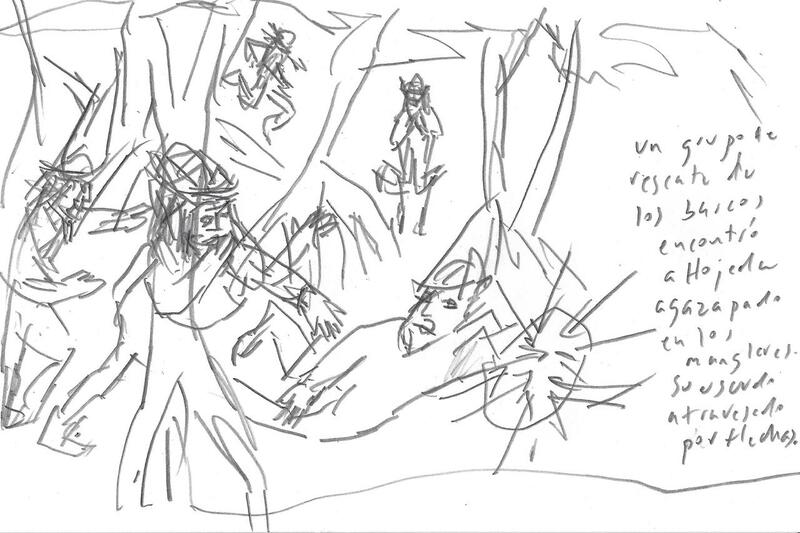
In recent years, the artist has focused on the drama of migrants crossing the Darién jungle. These works are the result of extensive documentary research and direct experiences in that region of the country. From these encounters, she has developed drawings and paintings that interpret stories and episodes that have profoundly marked that reality.
The proposals by Molinares, Merel, Ureña Ramos, and De Obaldía reveal the diversity of approaches present in the contemporary Panamanian art scene. Between domestic architecture, maritime culture, textile materiality, and migratory narratives, their works show how art can function as a space to reconstruct memories, imagine futures, and rethink the territories we inhabit.
The event will unfold a public and free program including exhibitions, tours, talks, film screenings, music, and cultural and touristic experiences.
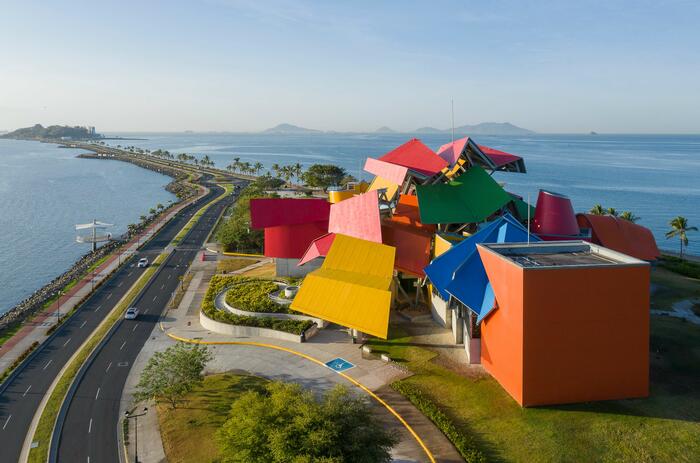
On the Amador Causeway, right at the entrance to the Panama Canal of the Pacific Ocean, the Museum of Biodiversity takes place, with a structure that does not go unnoticed both for its shapes and for its color. It is an avant-garde building that coexists with the natural environment.
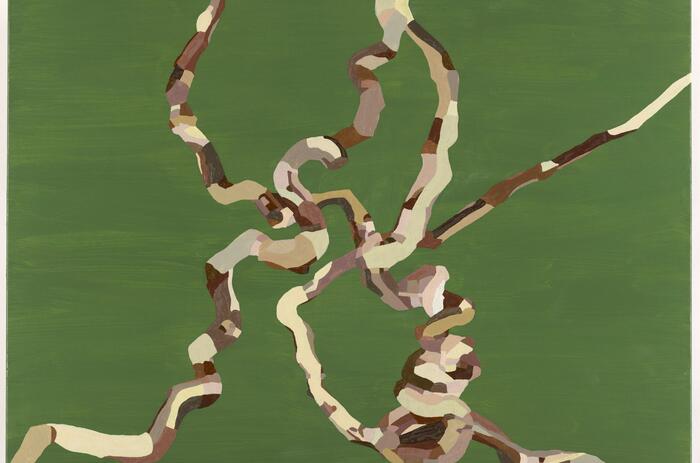
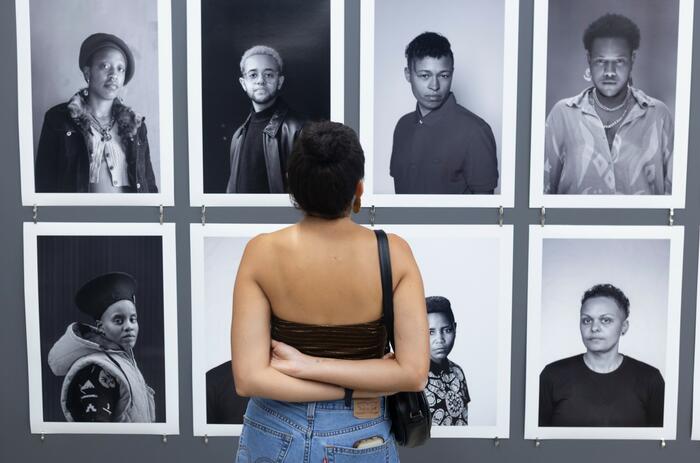
Amalanga Awafani, an exhibition by the South African visual artist in Panama City, leads us to think about the passage of time and how identity and dignity cease to be a constant.
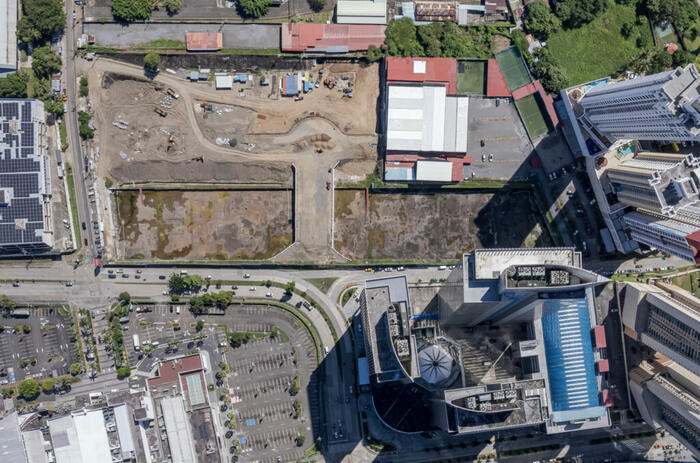
The museum seeks to reaffirm its leadership as a cultural institution and its commitment to a more sustainable, inclusive, and creative future for the country and the region. Application deadline: March 29, 2026.
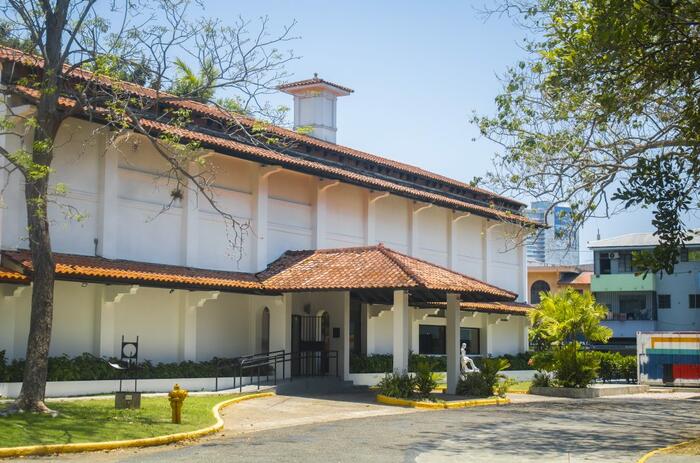
An ocean-centered research project and a historical retrospective dedicated to Trixie Briceño shape MAC Panamá’s current program.
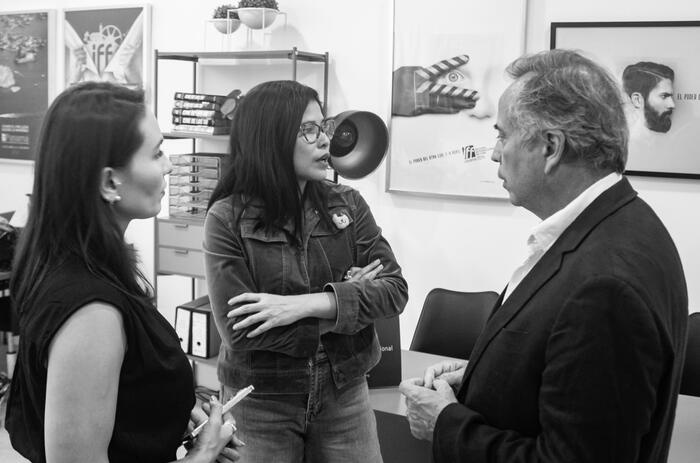
This March, the event will once again take place in Panama City, opening new spaces for exchange to celebrate regional diversity.
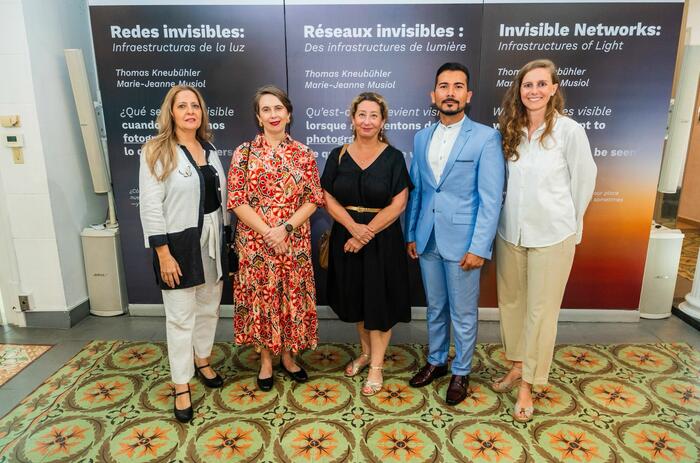
The exhibition of the Swiss-Canadian photographers at the Alliance Française in Panama City invites the public to look beyond what we can usually see.
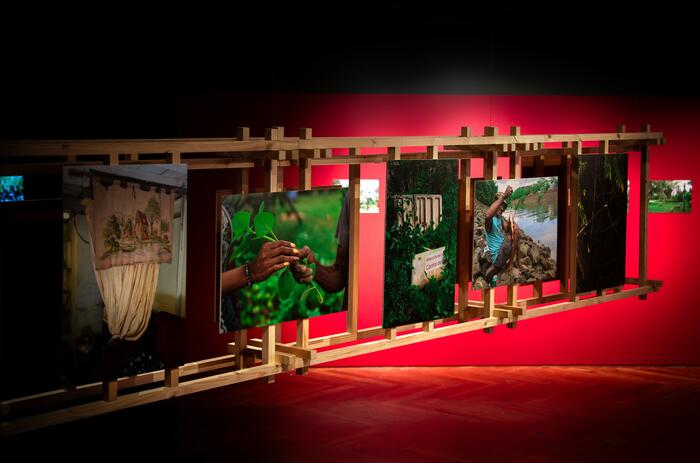
The photographic exhibition of the American Tova Katzman leads the viewer to question the limits that mark the territory we inhabit.
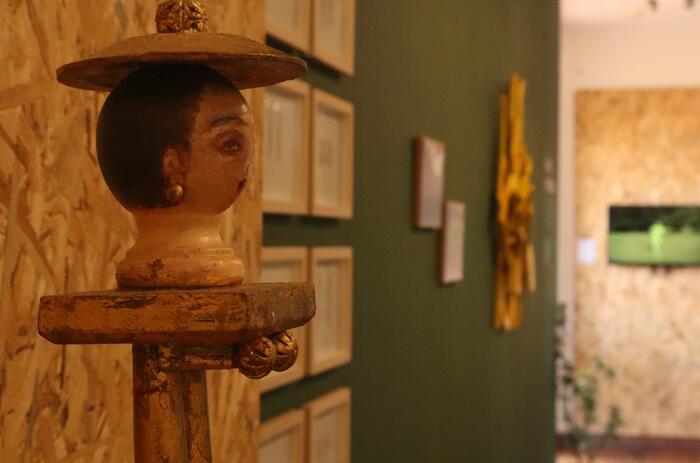
The exhibition The Dimension of the Invisible: Ecofeminist Traces of Panamanian Art brings together 10 women artists who question the boundaries between nature, body and community at El Centro Cultural de España – Casa del Soldado. The exhibition is curated by Gladys Turner Bosso.
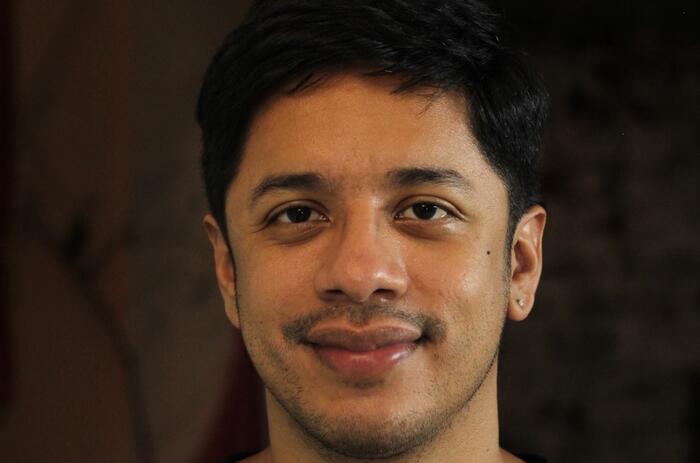
The Salvadoran curator reflects on the relationship between art, memory, and politics, and on how his work at Y.ES Contemporary seeks to generate opportunities for local artists while building networks with the international scene. He will be participating in the 2026 edition of Pinta Panamá in the FORO talk.
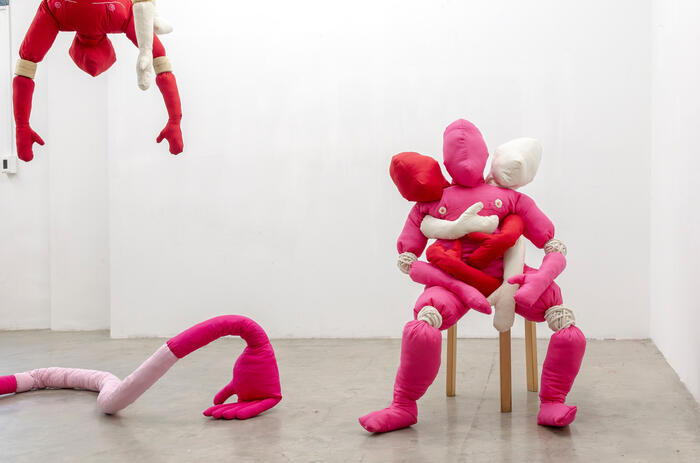
Video, textiles and the body make up a network of relationships in constant construction in the exhibition curated by Irene Gelfman with the participation of artists from Latin America.
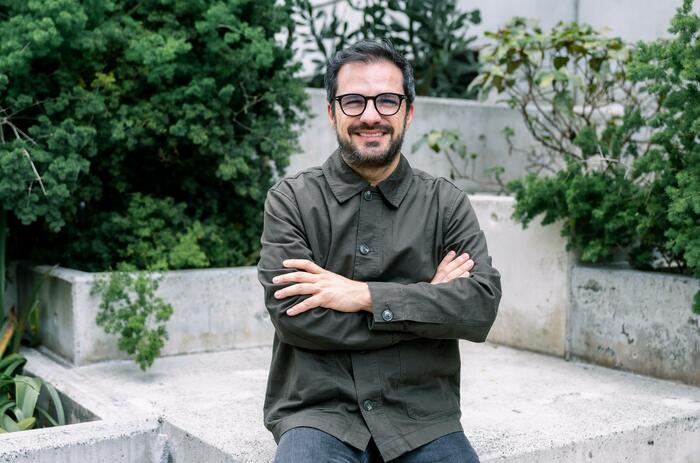
With a background shaped by humanities and a trajectory in cultural practice, Rafael Tamayo promotes a model of the museum that is conceived in relation to its social context. Director of the Museum of Modern Art of Medellín, he will take part in the FORO of Pinta Panamá, where he will engage in discussions on how institutions construct narratives, community, and debate in the region.
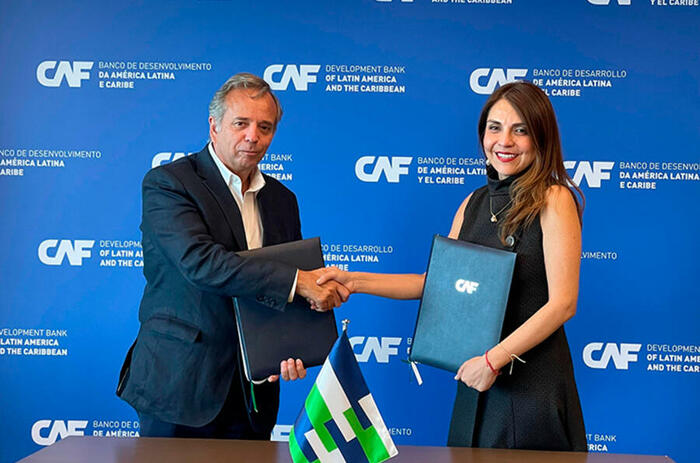
The collaboration between the two institutions will promote cultural platforms, professional exchanges, and spaces for dialogue aimed at advancing Latin American art and its international projection.