
By
Esther María Arjona
On the Amador Causeway, right at the entrance to the Panama Canal of the Pacific Ocean, the Museum of Biodiversity takes place, with a structure that does not go unnoticed both for its shapes and for its color. It is an avant-garde building that coexists with the natural environment.
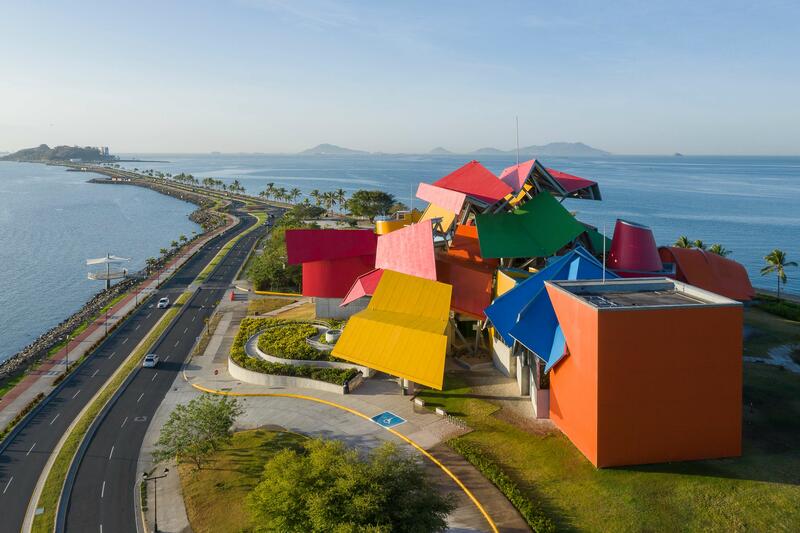
In addition to the work of renowned architect Frank Gehry (1929-2025) with his deconstructivist and sculptural style, which is highly visible in structures such as the Walt Disney Concert Hall and the Guggenheim Museum in Bilbao, the vivid colors of the tropics reflect the country's natural diversity. The building was designed to tell the story of how the Isthmus of Panama rose from the sea, uniting two continents, separating a great ocean in two, and forever changing the planet's biodiversity.
This building with a chaotic exterior image houses interesting exhibition rooms with large sculptures of animals and plants, mineral exhibitions, audiovisual projections that immerse the visitor in Panamanian ecosystems and outdoor spaces that put them in contact with the elements of the tropical climate.
In addition to its permanent rooms, the museum presents temporary exhibitions related to science. 'Eyes in Space' is currently open to the public, about the amazing technology developed by NASA and the role that space exploration has in our understanding of the universe, the Earth and ourselves.
The Biomuseo is surrounded by gardens where you can live with the local flora and fauna, as well as an unbeatable view. From different angles you can see the profile of the modern city, the Old Town, Cerro Ancón and the Bridge of the Americas.
With irregular shapes, curved lines, fragmented angles, and innovative materials, architect Frank Gehry's buildings are often seen as works of urban art that become visual icons of the city where they are located, boosting the economy and tourism. The Biomuseo is his only work in Latin America and in the tropics.
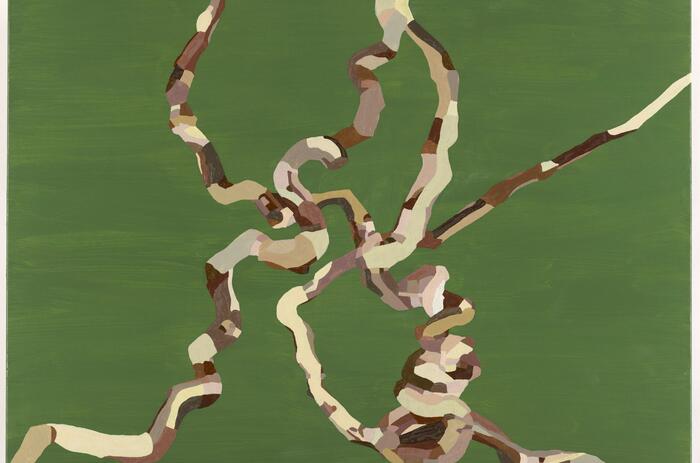
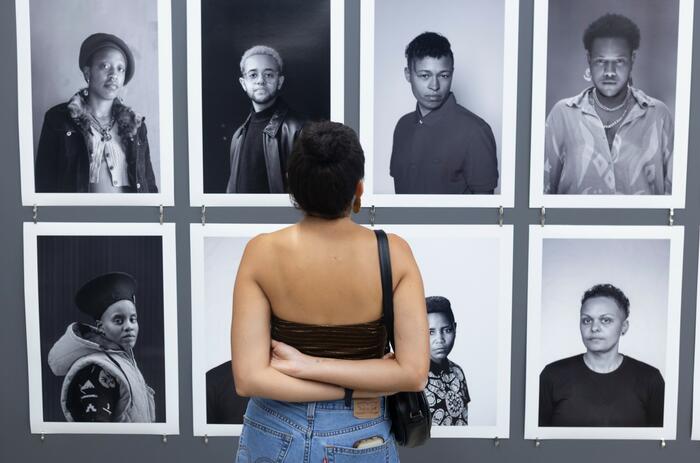
Amalanga Awafani, an exhibition by the South African visual artist in Panama City, leads us to think about the passage of time and how identity and dignity cease to be a constant.
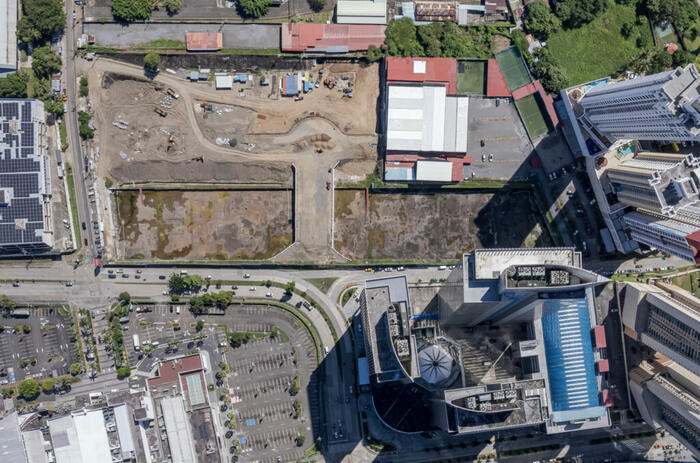
The museum seeks to reaffirm its leadership as a cultural institution and its commitment to a more sustainable, inclusive, and creative future for the country and the region. Application deadline: March 29, 2026.
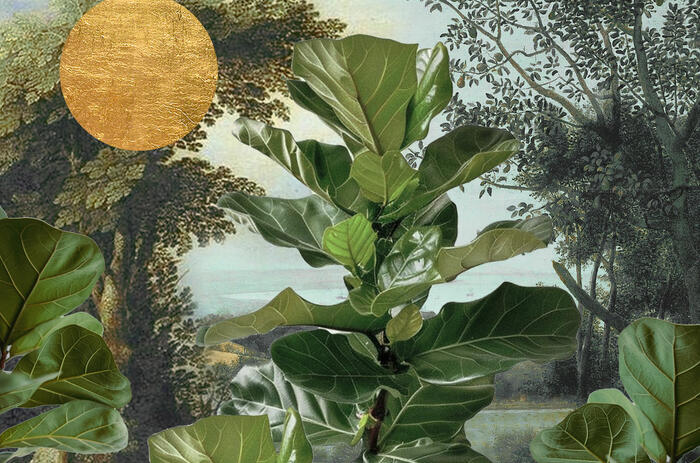
The event will unfold a public and free program including exhibitions, tours, talks, film screenings, music, and cultural and touristic experiences.
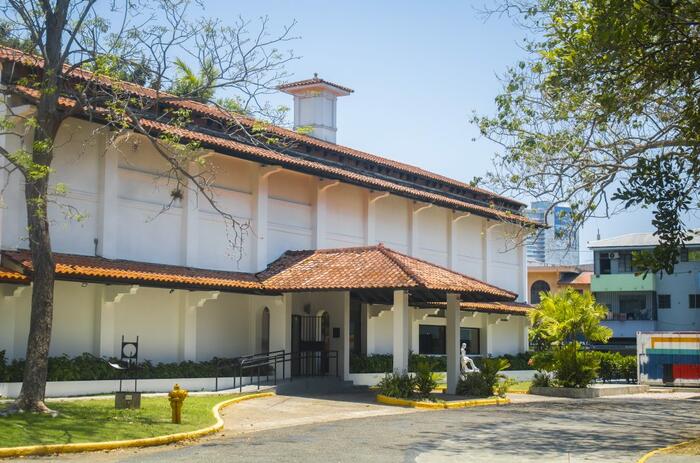
An ocean-centered research project and a historical retrospective dedicated to Trixie Briceño shape MAC Panamá’s current program.
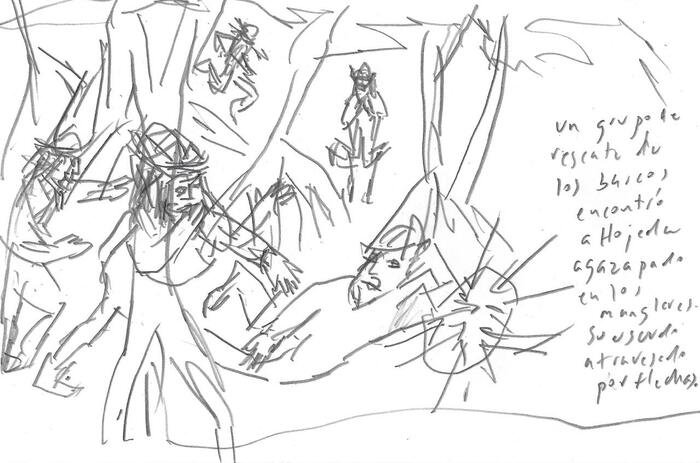
During the Central American country’s art week, works that study histories, recreate them, and bring them into reflection will be presented. From the play with materials to the manipulation of space, Lulu Molinares, Cisco Merel, Arístides Ureña Ramos, and Isabel de Obaldía create pieces that propose alternative readings of memory, territory, and everyday life.
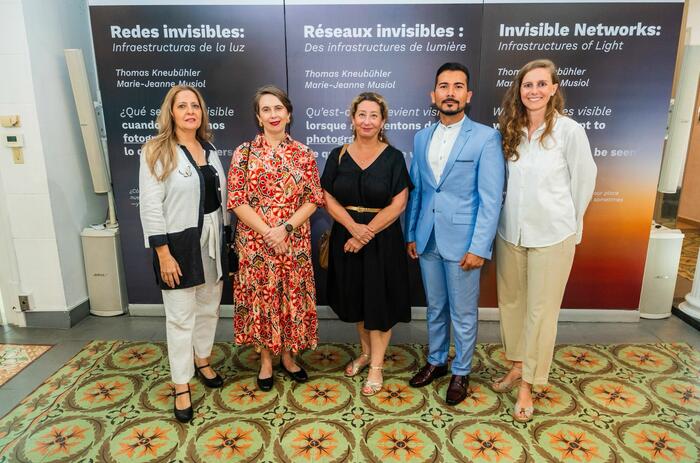
The exhibition of the Swiss-Canadian photographers at the Alliance Française in Panama City invites the public to look beyond what we can usually see.
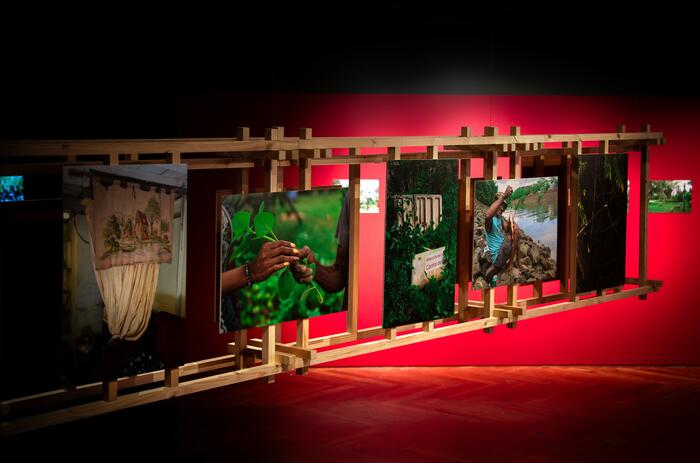
The photographic exhibition of the American Tova Katzman leads the viewer to question the limits that mark the territory we inhabit.
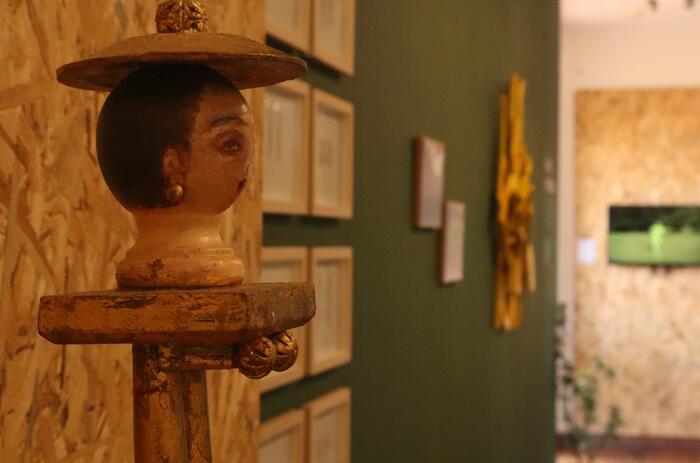
The exhibition The Dimension of the Invisible: Ecofeminist Traces of Panamanian Art brings together 10 women artists who question the boundaries between nature, body and community at El Centro Cultural de España – Casa del Soldado. The exhibition is curated by Gladys Turner Bosso.
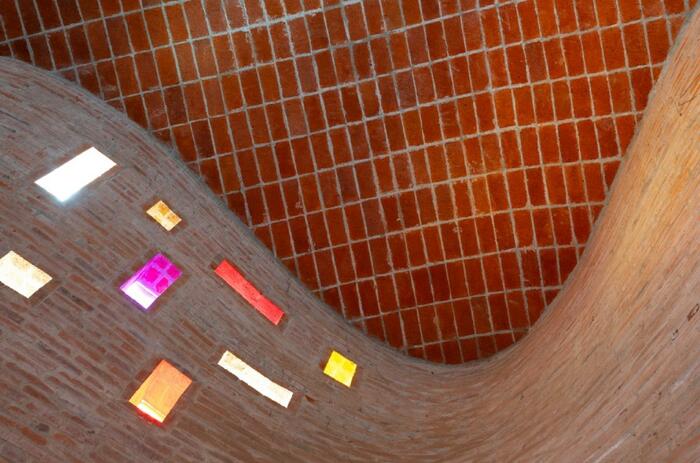
Tucked between Punta del Este and Montevideo in the unassuming coastal town of Atlántida, Uruguay, lies one of the most powerful and tenacious examples of twentieth-century architecture in the world: La Iglesia Cristo Obrero.