
ECUADOR UNVEILS “KANUA” IN THE CANALS OF VENICE
In the run-up to the Venice Biennale, the Ecuador Pavilion project offers solar-powered boat tours and intimate conversations about extractivism, rivers, territories, and ways of life in the Amazon.
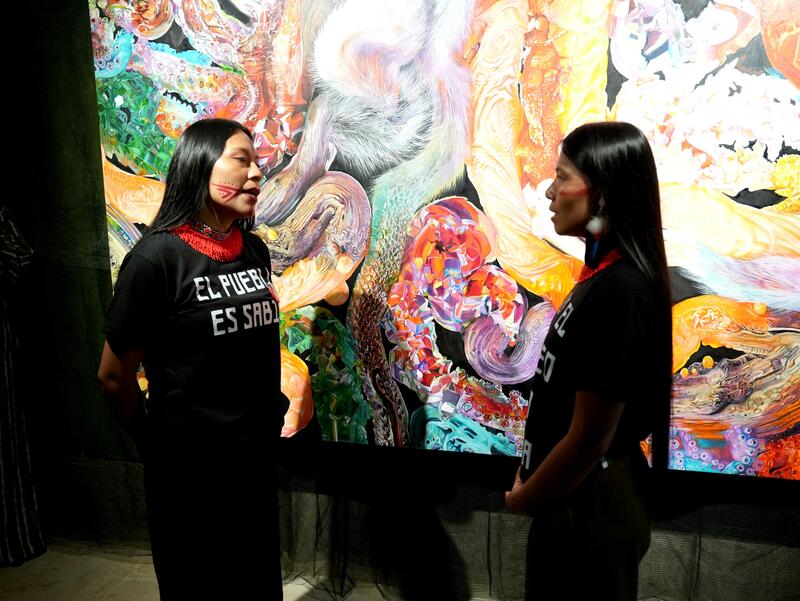
As the 61st International Art Exhibition of La Biennale di Venezia opens on May 9, Ecuador has unveiled Kanua: listening practices, a public program that forms part of the country’s participation in the 2026 Venice Biennale. Developed by the anticolonial film collective Tawna in collaboration with the Kara Solar Foundation, the project transforms Venice’s canals into a temporary space for dialogue around memory, sovereignty, extraction, and territorial resistance.
Curated by Manuela Moscoso, the initiative takes place today, May 8, and consists of six boat journeys lasting between 45 minutes and one hour. Each ride brings together a small group of participants alongside members of Tawna and invited guests to discuss themes such as aqua-feminism, grief, political space, archives, and forms of knowledge that exceed institutional structures.
-
Pabellón de Ecuador 2026
The project builds on Kanua, Tawna’s floating Amazonian film festival in Ecuador, which brought cinema and cultural exchange to remote communities aboard a solar-powered boat. In Venice, that experience is reactivated within another territory equally shaped by water, commerce, and environmental fragility.
Founded in 2017 by activists, filmmakers, and members of Sápara and Kichwa communities, Tawna works through Amazonian visual narratives and collaborative practices of territorial self-representation. For the collective, the boat becomes “a platform for encounter, listening, and the circulation of stories.”
Invited participants include Carolina Caycedo, Mariana Castillo Deball, Tabita Rezaire, Chus Martínez, and La Chola Poblete, among other international artists, curators, and researchers.
The public program is part of Ecuador’s broader pavilion proposal, which brings together Tawna and Oscar Santillán in a reflection on Andean and Amazonian histories, human and non-human worlds, and forms of existence shaped by memory, land, and ancestral presences.
May interest you
THE VENICE BIENNALE IN AN EDITION MARKED BY POLITICAL GAMES
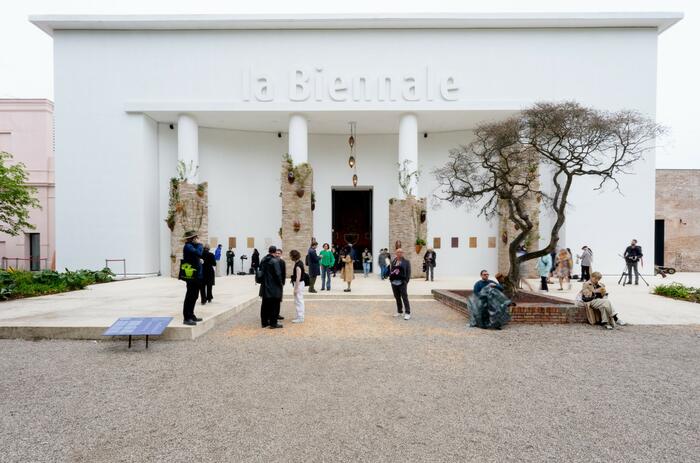
The Venice Art Biennale is approaching the inauguration of its 61st edition amid resignations, protests, and controversies. Never indifferent to its time, its launch also converges within an intense context of wars, genocides, and geopolitical crises. From Arte al Día, we ask ourselves: how can we trace the relationships between politics and art?
CHILE AT THE 2026 VENICE BIENNALE: NORTON MAZA PRESENTS "INTER-REALITY"
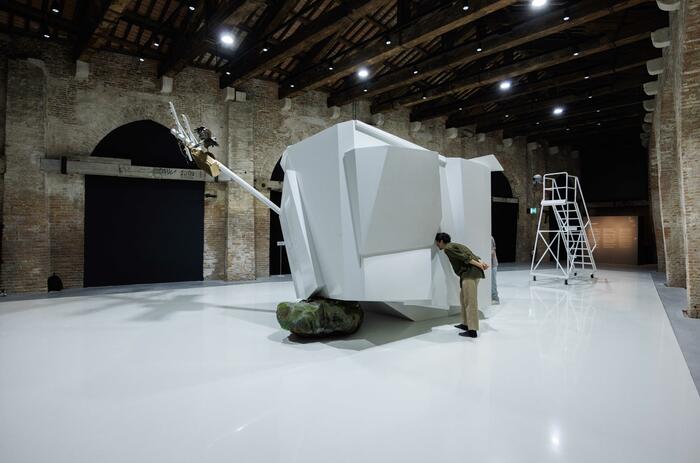
The proposal selected for the Chilean pavilion brings an immersive experience in Venice that addresses contemporary tensions.
EL SALVADOR MAKES ITS DEBUT AT THE VENICE BIENNALE WITH ITS OWN PAVILION
The Central American country will bring Oscar Molina's work to the Biennale, paying tribute to displaced communities and the global diaspora.
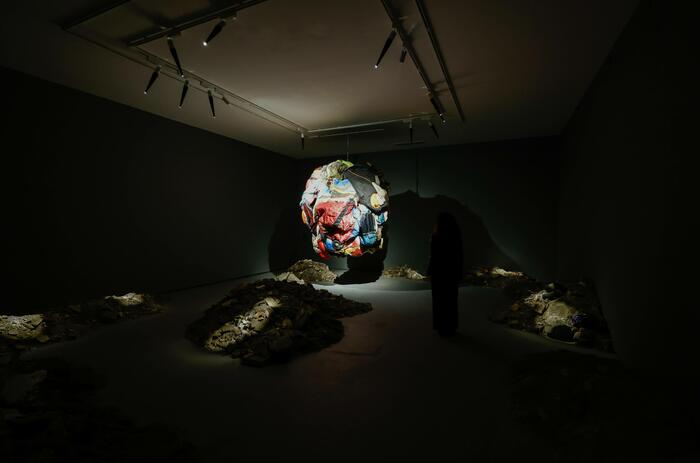
MARGARET WHYTE TURNS FRAGILITY INTO LANGUAGE AT THE 2026 VENICE BIENNALE
The Uruguayan Pavilion in Venice will present Whyte’s work, which combines textiles, obsolete machines, and scraps of waste to demonstrate that disorder does not destroy.
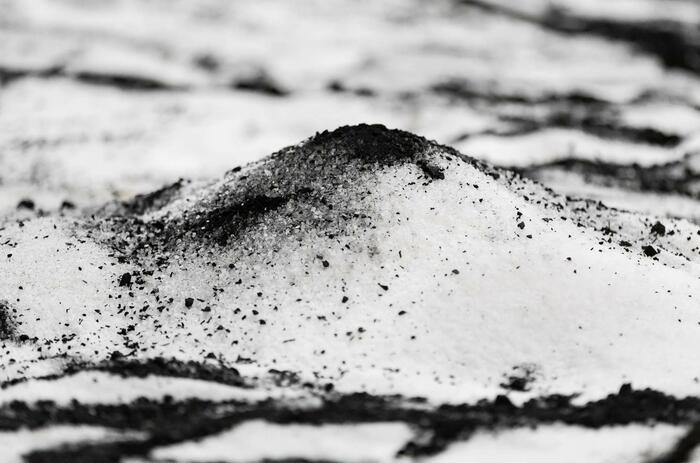
"MONITOR YIN YANG": ARGENTINA ARRIVES AT THE VENICE BIENNALE WITH AN OPEN CARTOGRAPHY
Matías Duville's installation proposes a traversable landscape where light and shadow, permanence and transformation coexist without resolution.
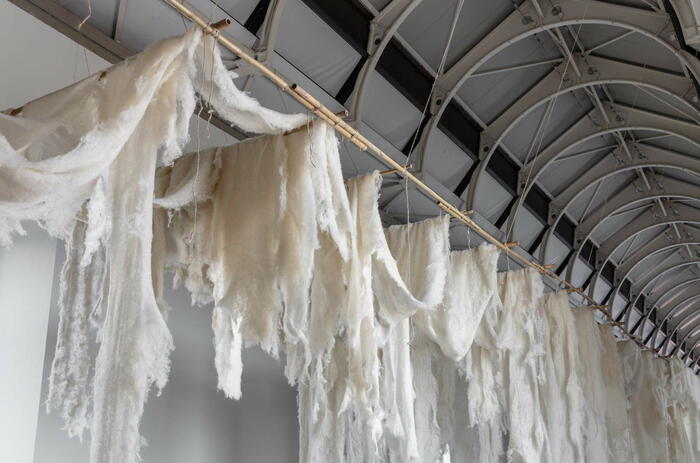
THE THREAD THAT DOES NOT BREAK THIRTY YEARS LATER AT THE CASTELLO DI RIVOLI
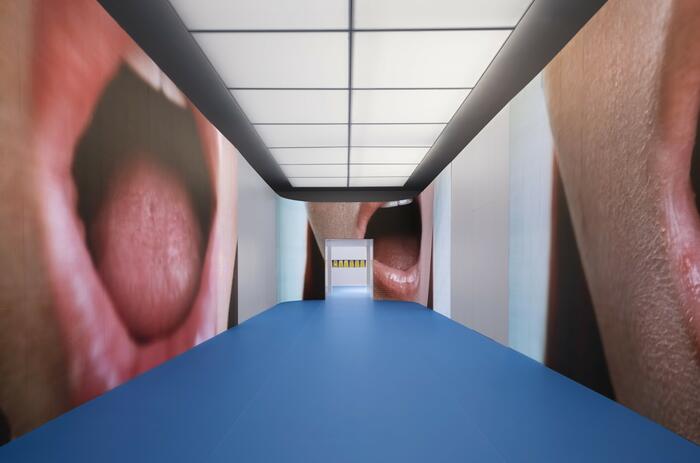
DENMARK’S PAVILION AT VENICE BIENNALE EXAMINES PORNOGRAPHY, SCIENCE, AND HUMAN REPRODUCTION
For the 61st edition of the world's oldest contemporary art exhibition, Denmark selected Maja Malou Lyse and curator Chus Martínez to represent the country at the Giardini.
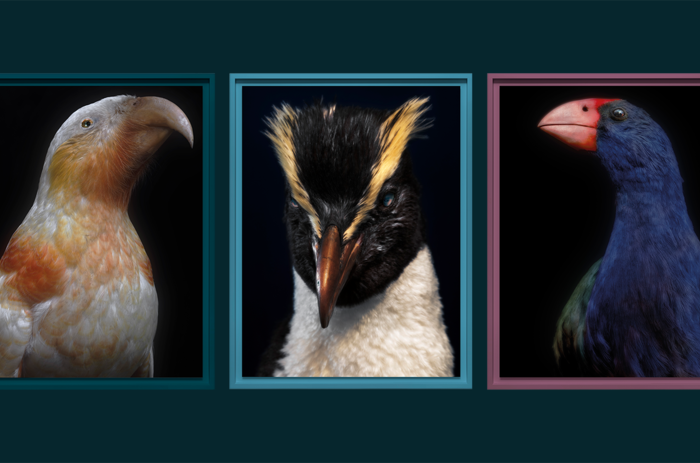
NEW ZEALAND PHOTOGRAPHER FIONA PARDINGTON REPRESENTS AOTEAROA AT THE VENICE BIENNALE
A new series of large-scale photographs of taxidermied birds — some extinct, many endangered — explores the intersection of colonial history, Māori spirituality, and ecological loss.
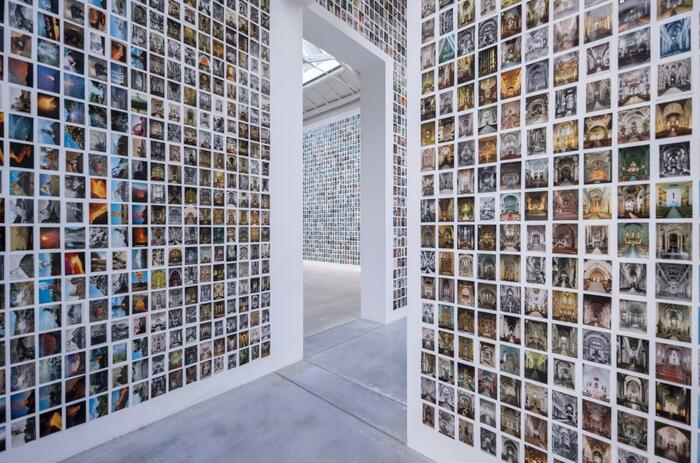
SPAIN: ORIOL VILANOVA AND THE ABOLITION OF THE MUSEUM AND THE ARCHIVE
The Spanish Pavilion at the Biennale is transformed into an anti-museum led by the Catalan artist, grounded in the accumulation of postcards, memory, and a critique of the archive.
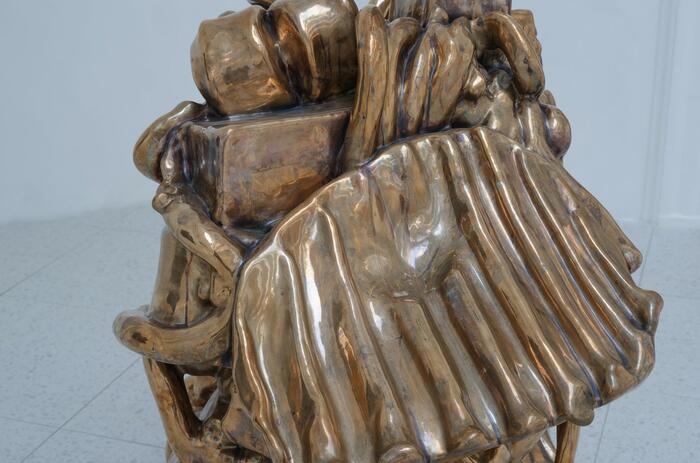
US SCULPTURES AMID CONTROVERSY AT THE VENICE BIENNALE
No formal application, no galleries, and uncertain funding: the artist representing the United States in Venice explores the transformation of matter and the American landscape.
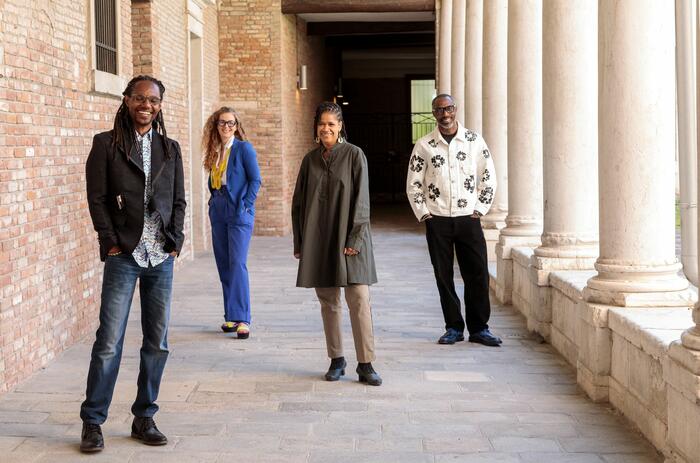
JUNKANOO IN VENICE: ART, MEMORY, AND POSTHUMOUS COLLABORATION AT THE BAHAMAS PAVILION
The 2026 Venice Biennale hosts an exhibition exploring the Bahamian Junkanoo tradition through the work of John Beadle and Lavar Munroe — two generations of artists united by discarded materials and collective memory.