
By
Violeta Méndez
Matías Duville's installation proposes a traversable landscape where light and shadow, permanence and transformation coexist without resolution.
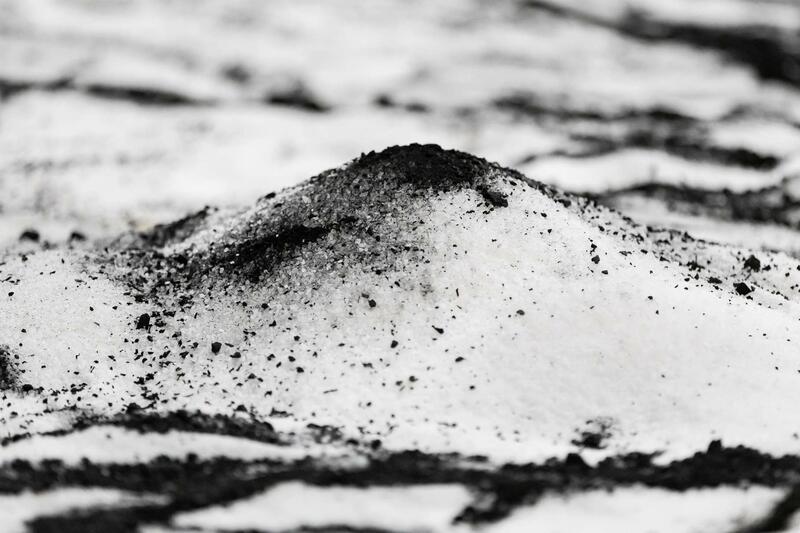
The Argentine Pavilion, on the occasion of the 61st Venice Biennale, will be dressed in salt and charcoal. Matías Duville (Buenos Aires, 1974) presents a project in which drawing unfolds as a spatial, sonic, and performative experience. A landscape you can walk through.
Monitor Yin Yang is a site-specific installation curated by Josefina Barcia that draws from the yin and yang worldview to imagine a territory where opposing forces coexist: "light and shadow, waste and energy, ruin and promise, with no horizon of resolution," as the Venice Biennale describes it. The exhibition exists within a context where landscapes are no longer purely physical spaces, but also systems mediated by technologies of observation and recording — hence the notion of "monitor" in the title.
Although Duville works from an idea or sketch, he emphasizes the importance of producing the work on site. Over a blanket of white salt, he draws an unstable landscape using ground charcoal. "There is a lot of handwork. There is work with different tools to achieve many degrees of subtlety and loss of control, of brutality," the artist explains.
Duville works with objects, video, and installations. His works evoke desolate scenes with rarefied, timeless atmospheres — the kind that precede a cataclysm. Monitor Yin Yang will embody one of the artist's defining qualities: a setting that operates like the dreamlike vision of a wandering explorer, like a mental landscape.
His practice is characterized by the exploration of surfaces and materials. In this case, he will use salt — a product of evaporated oceans and millions of years of geological processes, evoking permanence and accumulation — and charcoal — the result of vegetal combustion, condensing a time bound to energy, transformation, and consumption. In this dialogue, the materials make visible the crossing of temporal scales: what endures and what is altered.
"I come from the south of the world, from a territory marked by vastness and distance, and that experience of displacement is fundamental to my work. My earliest memories are tied to journeys through Patagonia, to landscapes that exceed the human scale. That relationship with territory continues to operate as a starting point in my work," Duville explained.
The installation incorporates an original sound composition developed by Centolla Society — a project by Matías Duville and his brother Pablo Duville — in collaboration with Alvise Vidolin and the team at the Centro di Sonologia Computazionale (CSC) at the University of Padua, which he directs. Conceived specifically for the pavilion, the system integrates real-time environmental data from the city of Venice — such as variations in air quality, suspended particles, and atmospheric conditions — which are translated into sonic transformations. In this way, the installation adds to the elements already present — water (salt) and earth (charcoal) — a third component: air.
Monitor Yin Yang was the winning project of an open competition organized by the Directorate of Cultural Affairs of the Ministry of Foreign Affairs, the National Secretariat of Culture, and the Argentine Investment and Trade Agency (AAICI). It stood out among 69 proposals for its processual dimension.
The tension between opposites, mutation, and time are some of the themes that run through Duville's recent work — and that will be on view from May 9 through November 22 at the Argentine Pavilion.
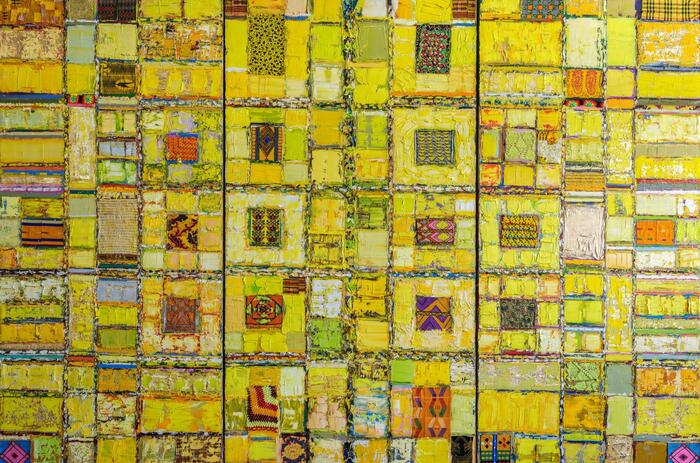
The exhibition offers a political reading through paintings that bring together sacred, industrial, and domestic textiles within a single visual field.
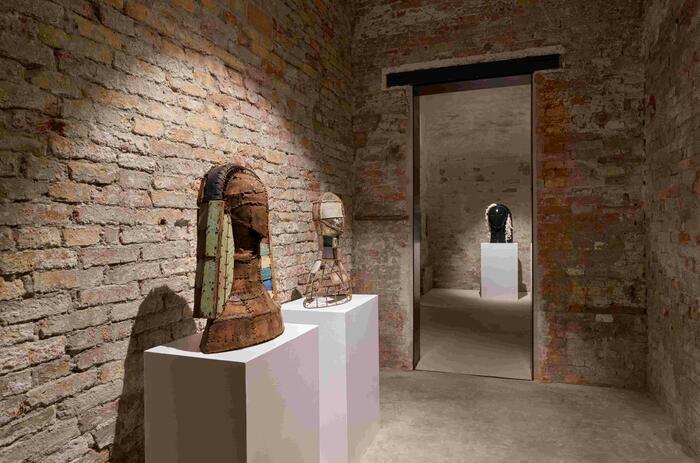
Cuban artist Roberto Diago presents a sculptural installation that turns the scar into an emblem of identity and precariousness into an act of sovereignty.
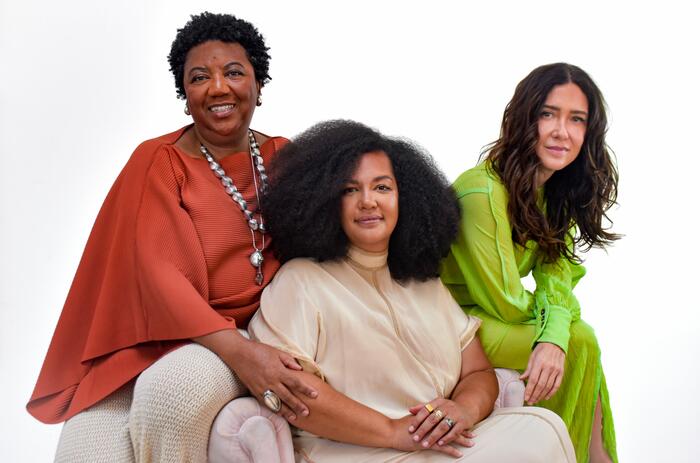
Curated by Diane Lima, the exhibition brings together Adriana Varejão and Rosana Paulino for the first time to rewrite the wounds of colonialism.
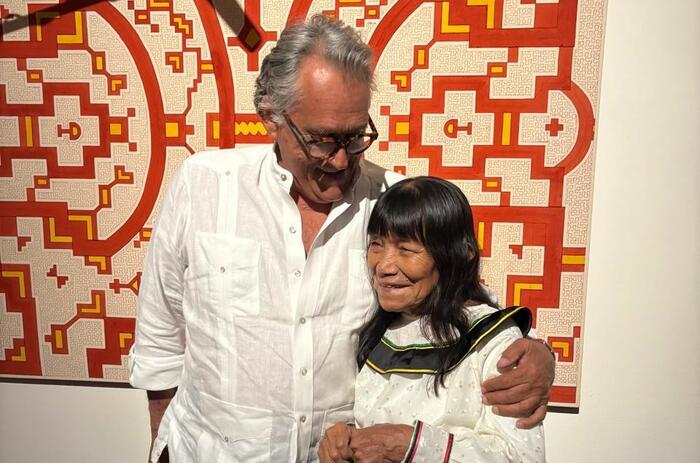
As commissioner of the Peruvian pavilion in Venice, Andrade examines how the Shipibo-Konibo artist transforms a visual thinking system into an all-encompassing experience —and why that gesture reshapes the scale of what contemporary art can hold.
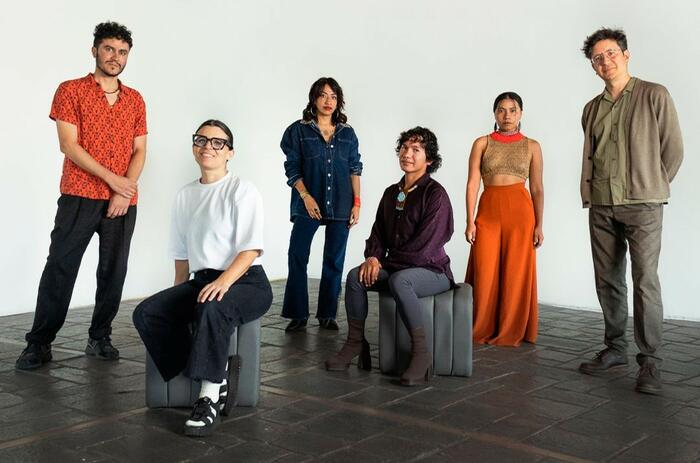
This May, the Ecuador Pavilion will present an exhibition curated by Manuela Moscoso that explores territory, knowledge, and coexistence.
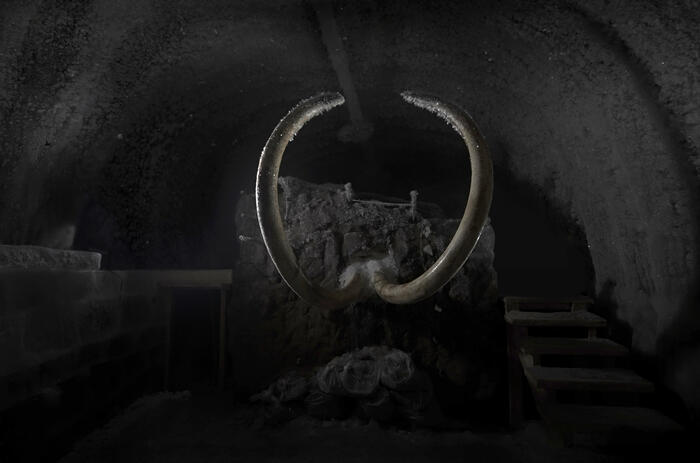
The exhibition evokes a present marked by oppression, where bodies, sensibilities, and politics are deeply intertwined.
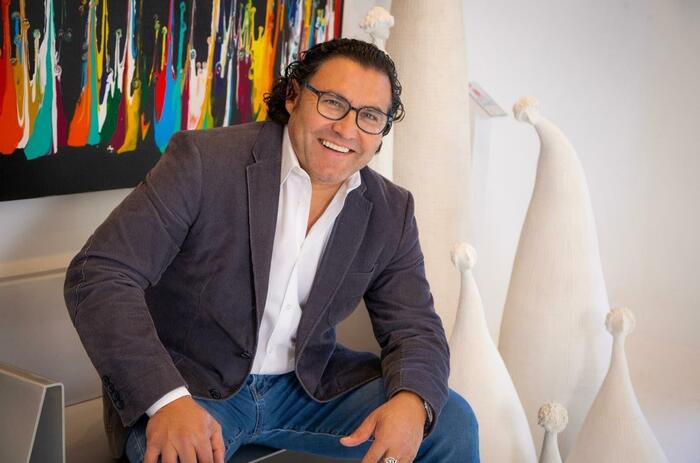
The Central American country will bring Oscar Molina's work to the Biennale, paying tribute to displaced communities and the global diaspora.
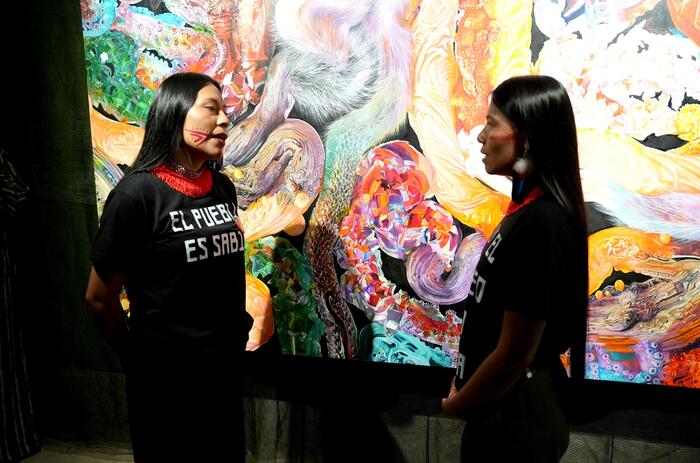
In the run-up to the Venice Biennale, the Ecuador Pavilion project offers solar-powered boat tours and intimate conversations about extractivism, rivers, territories, and ways of life in the Amazon.
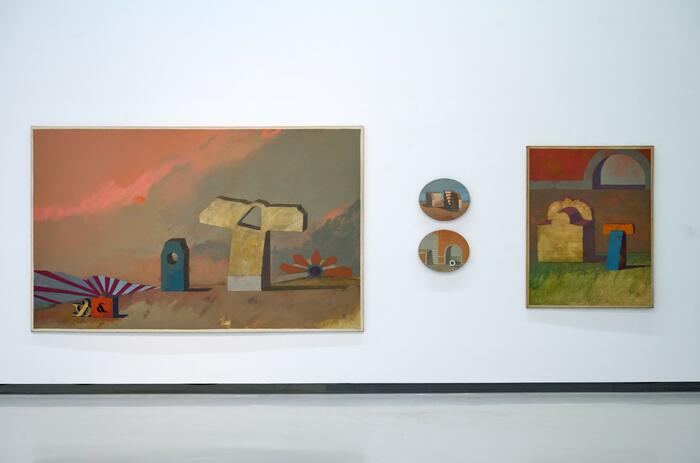
With more than 50 paintings and watercolors, the exhibition offers a journey through the metaphysical universe of the painter, marking the beginning of a national tour that will continue in Córdoba and Mendoza.
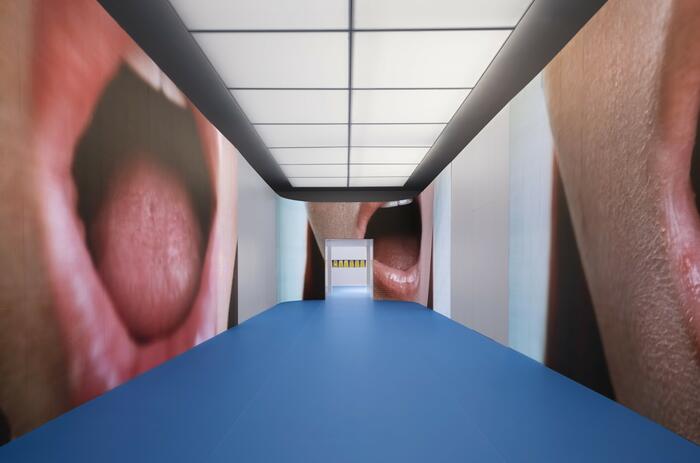
For the 61st edition of the world's oldest contemporary art exhibition, Denmark selected Maja Malou Lyse and curator Chus Martínez to represent the country at the Giardini.
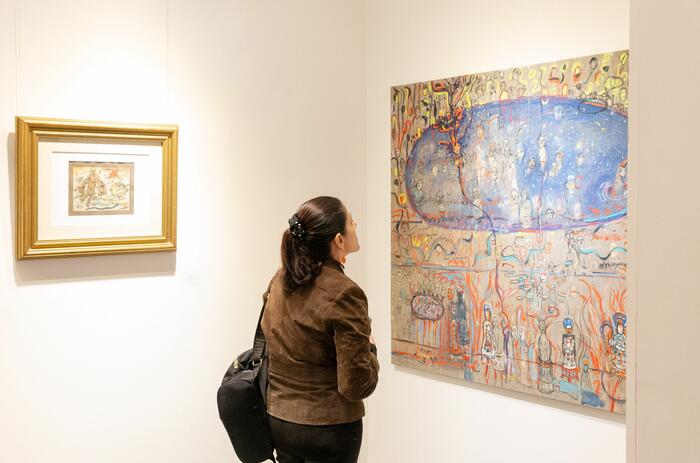
The first 2026 edition of Gallery arrives in Recoleta, Retiro, and Microcentro. Organized across different circuits, this major free event has been showcasing the best of local art scenes for over two decades.
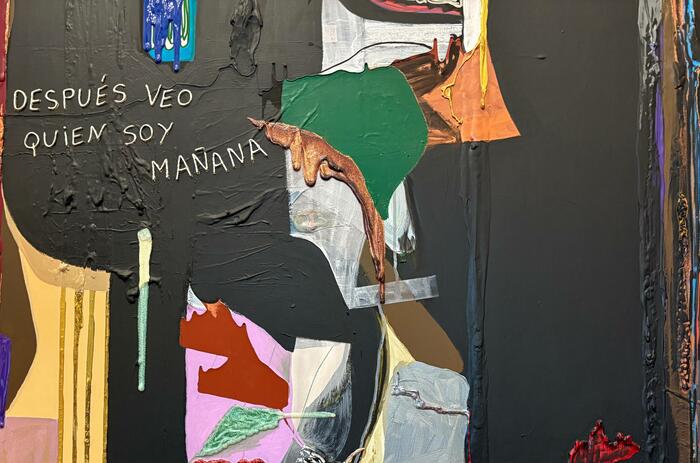
Guillermo Iuso and FlorenciaBöhtlingk next to Sebastián Gordin present two exhibitions at the Buenos Aires gallery where text and painting coexist without translating each other.
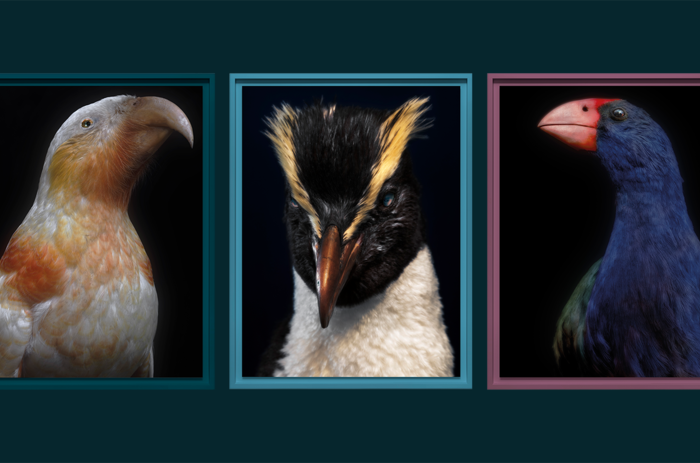
A new series of large-scale photographs of taxidermied birds — some extinct, many endangered — explores the intersection of colonial history, Māori spirituality, and ecological loss.
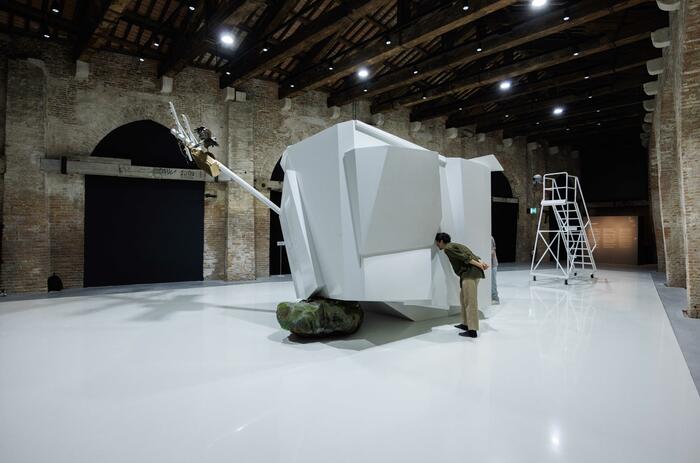
The proposal selected for the Chilean pavilion brings an immersive experience in Venice that addresses contemporary tensions.
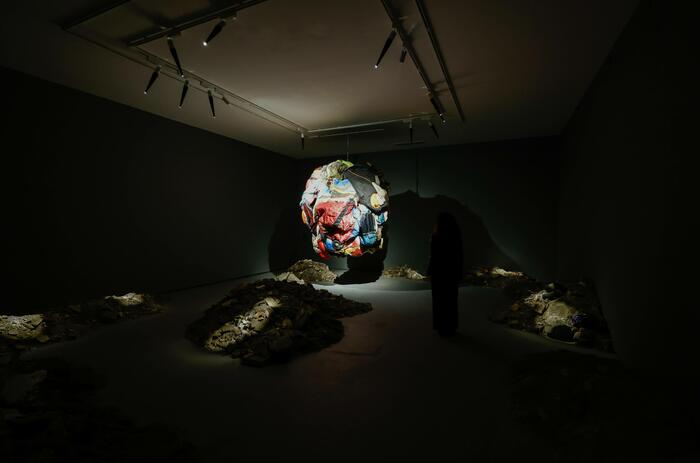
The Uruguayan Pavilion in Venice will present Whyte’s work, which combines textiles, obsolete machines, and scraps of waste to demonstrate that disorder does not destroy.
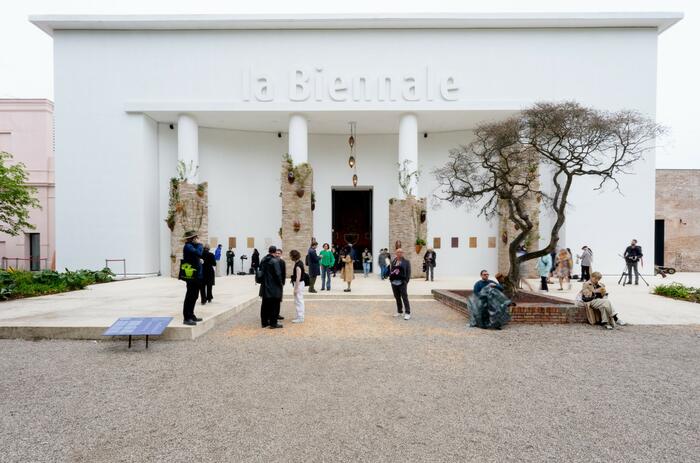
The Venice Art Biennale is approaching the inauguration of its 61st edition amid resignations, protests, and controversies. Never indifferent to its time, its launch also converges within an intense context of wars, genocides, and geopolitical crises. From Arte al Día, we ask ourselves: how can we trace the relationships between politics and art?