

By
Violeta Méndez
The Central American country will bring Oscar Molina's work to the Biennale, paying tribute to displaced communities and the global diaspora.
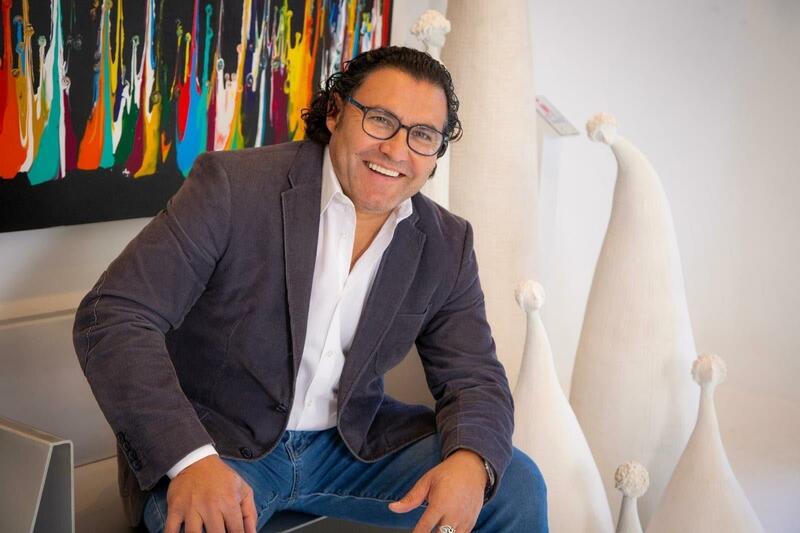
El Salvador will participate for the first time with its own pavilion at the 61st International Art Exhibition – La Biennale di Venezia. The exhibition, titled Cartographies of Displacement, features the work of J. Oscar Molina (El Salvador, 1971), curated by Alejandra Cabezas and commissioned by Dr. Astrid Bahamond. From May 9 to November 22, it will be on view at Palazzo Mora, which each edition hosts national pavilions and international projects outside the official venues of the Giardini and the Arsenale.
The sculptural series Children of the World is at the heart of the exhibition. The figures, which Molina began working on in 2019, are elongated and faceless, of monumental scale. They are images of the migrant experience — a tribute to displaced communities and the global diaspora. The sculptures probe the ontological condition and the uncertainties of crossing borders.
“Displacement is often understood as a rupture tied to a single moment: the departure, the loss, the crossing. Children of the World proposes a different reading. In J. Oscar Molina’s sculptural practice, displacement unfolds as a sustained condition —one that reshapes how bodies relate to space, memory, and time long after movement has occurred. The works gathered here do not document journeys; they materialize what remains,” said Cabezas.
"Being a Salvadoran-American artist in Venice is an honor, but also a responsibility. I carry with me the stories of my people and the interconnected struggles of the world's displaced communities," Molina stated, as reported by the Ministry of Culture of the Government of El Salvador.
The Salvadoran artist grew up in the Gulf of Fonseca region during the civil war, surrounded by conflict and displacement. He emigrated to the United States at a very young age. His multidisciplinary practice spans sculpture, painting, installation, and public art. His work, which addresses themes such as diaspora, memory, and belonging, reflects not only his personal experience but also a collective history.
Although the country had previously participated as part of the Italo-Latin American Institute (IILA), this will mark El Salvador's official debut with its own pavilion.
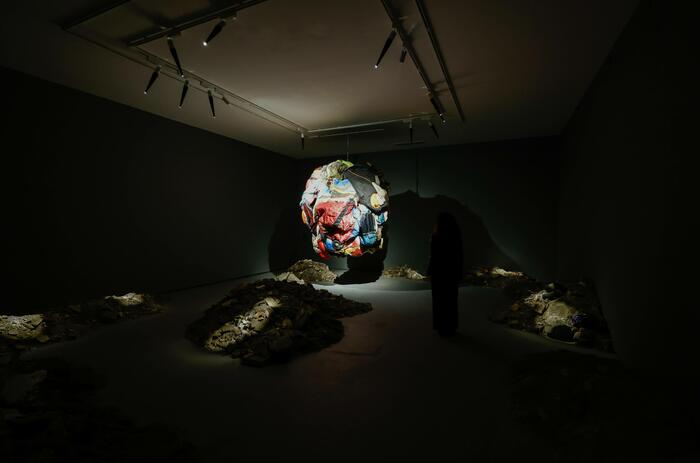
The Uruguayan Pavilion in Venice will present Whyte’s work, which combines textiles, obsolete machines, and scraps of waste to demonstrate that disorder does not destroy.
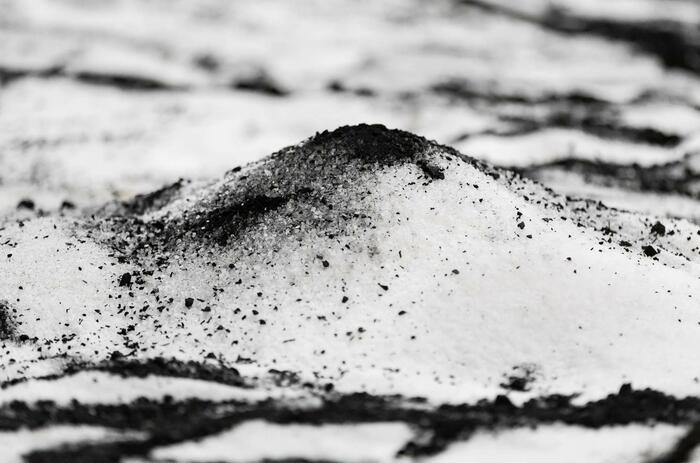
Matías Duville's installation proposes a traversable landscape where light and shadow, permanence and transformation coexist without resolution.
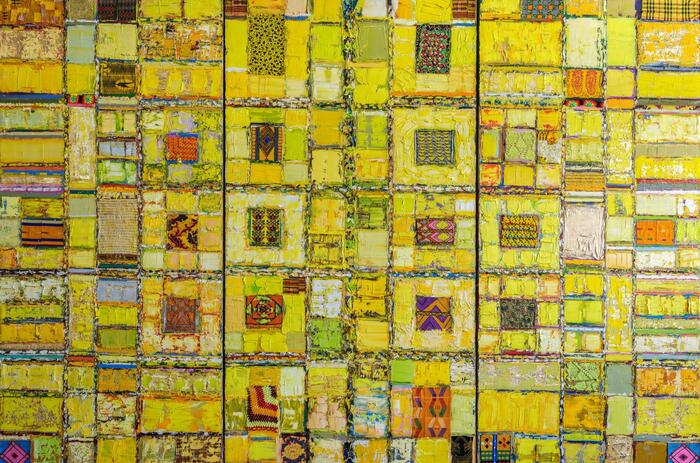
The exhibition offers a political reading through paintings that bring together sacred, industrial, and domestic textiles within a single visual field.
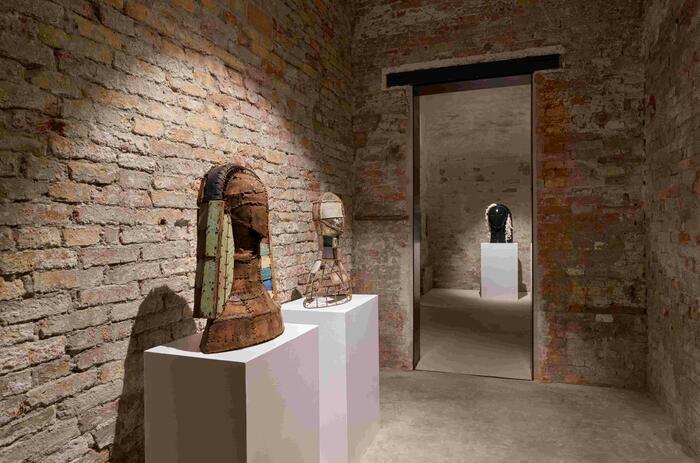
Cuban artist Roberto Diago presents a sculptural installation that turns the scar into an emblem of identity and precariousness into an act of sovereignty.

Curated by Diane Lima, the exhibition brings together Adriana Varejão and Rosana Paulino for the first time to rewrite the wounds of colonialism.
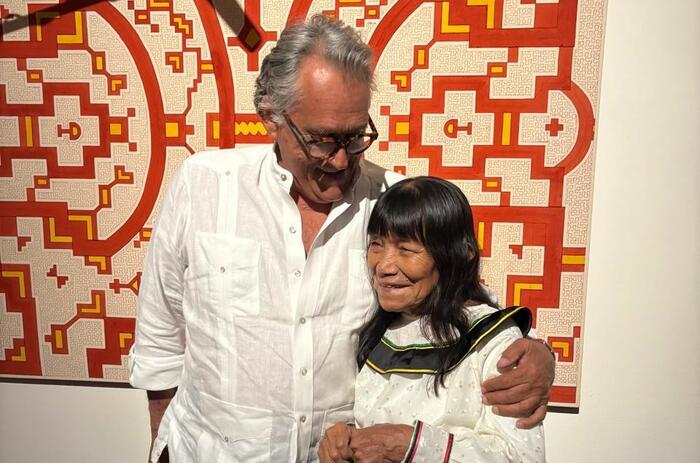
As commissioner of the Peruvian pavilion in Venice, Andrade examines how the Shipibo-Konibo artist transforms a visual thinking system into an all-encompassing experience —and why that gesture reshapes the scale of what contemporary art can hold.
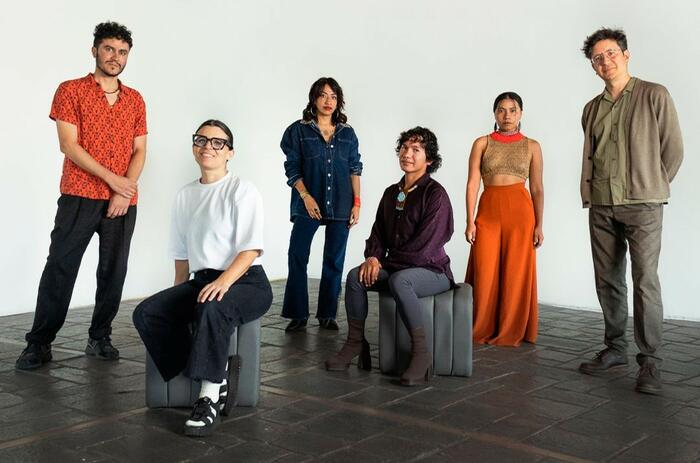
This May, the Ecuador Pavilion will present an exhibition curated by Manuela Moscoso that explores territory, knowledge, and coexistence.
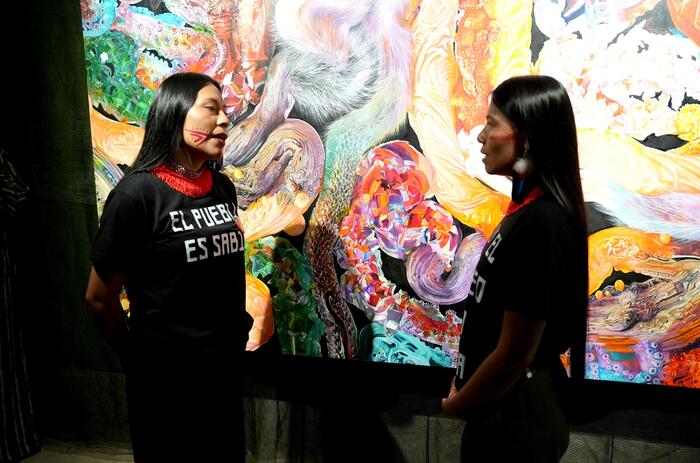
In the run-up to the Venice Biennale, the Ecuador Pavilion project offers solar-powered boat tours and intimate conversations about extractivism, rivers, territories, and ways of life in the Amazon.
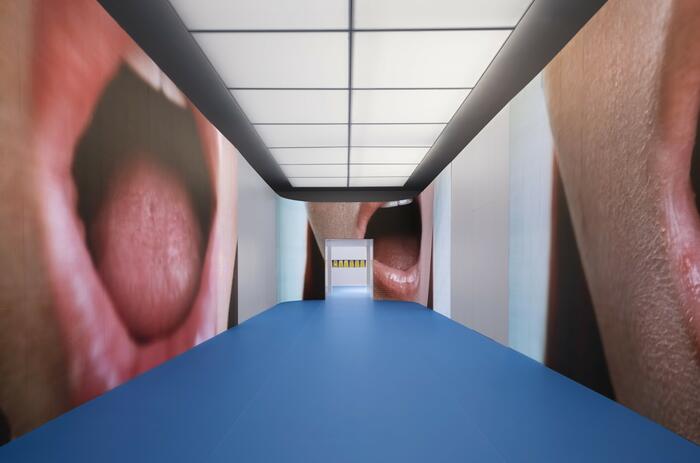
For the 61st edition of the world's oldest contemporary art exhibition, Denmark selected Maja Malou Lyse and curator Chus Martínez to represent the country at the Giardini.
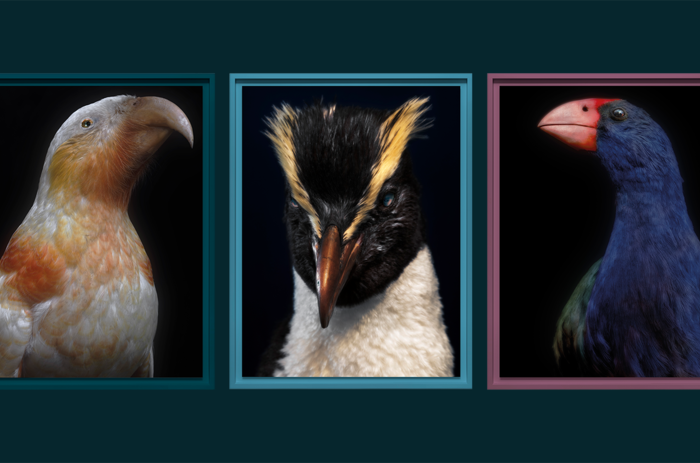
A new series of large-scale photographs of taxidermied birds — some extinct, many endangered — explores the intersection of colonial history, Māori spirituality, and ecological loss.
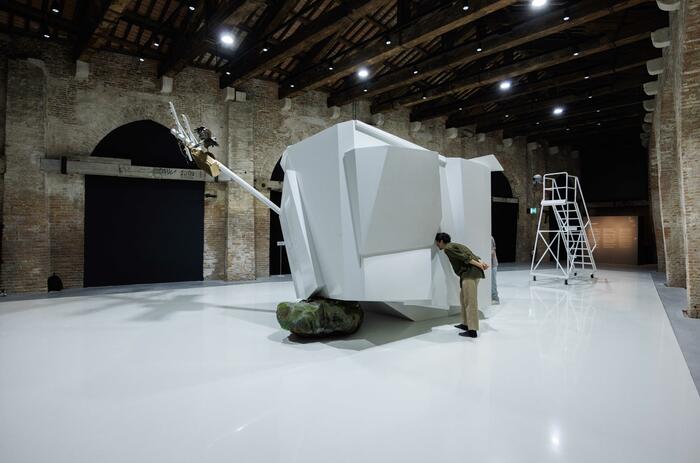
The proposal selected for the Chilean pavilion brings an immersive experience in Venice that addresses contemporary tensions.
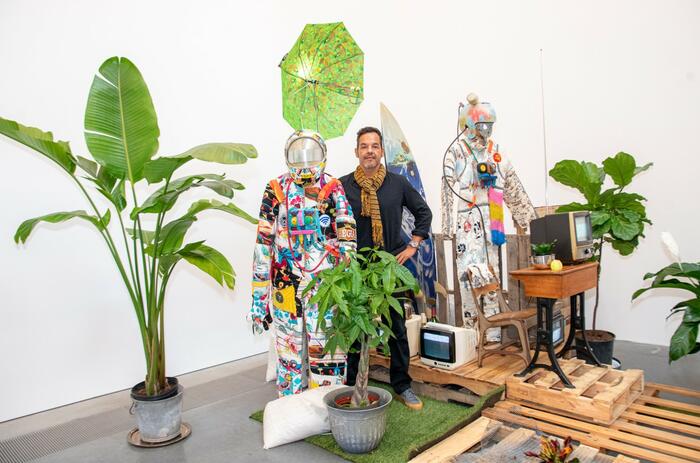
Works by Beatriz Cortez, Simón Vega, Walterio Iraheta, and Verónica Vides are now part of one of the most important collections in the world, thanks to a donation by collector Mario Cáder-Frech.
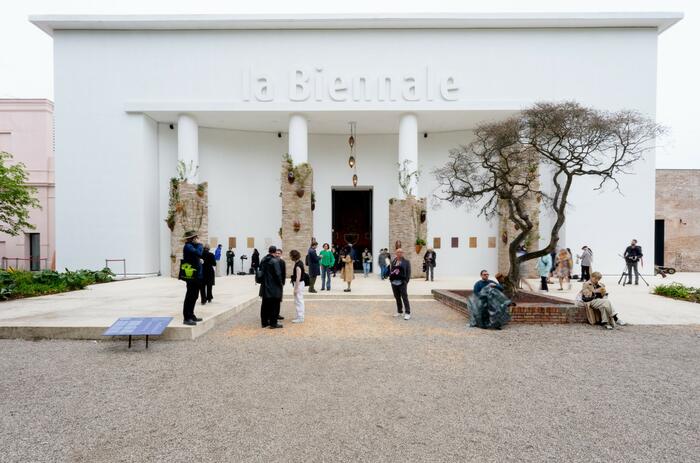
The Venice Art Biennale is approaching the inauguration of its 61st edition amid resignations, protests, and controversies. Never indifferent to its time, its launch also converges within an intense context of wars, genocides, and geopolitical crises. From Arte al Día, we ask ourselves: how can we trace the relationships between politics and art?