A CONTEMPORARY QUIPU TRAVERSES CASTELLO DI RIVOLI
The Chilean artist Cecilia Vicuña unfolds an intervention connecting ancestral practices, ecology, and shared memory.
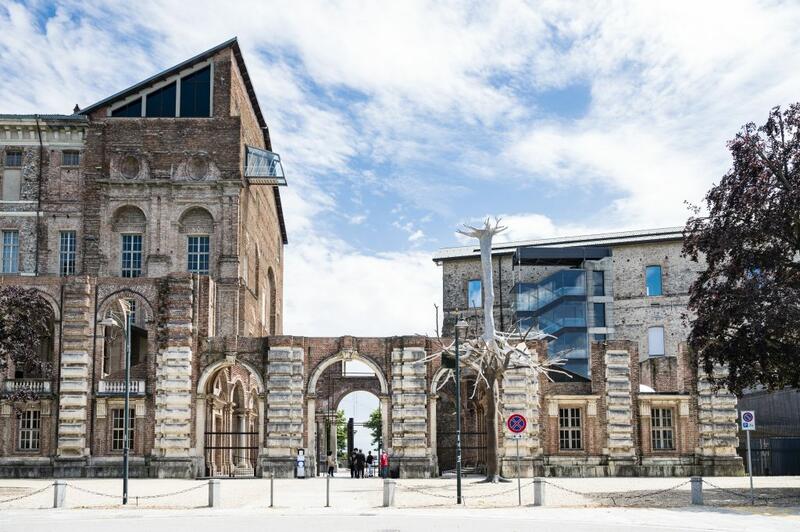
Castello di Rivoli Museo d’Arte Contemporanea presents on April 29 Cecilia Vicuña – El glaciar ido (The vanished glacier / Il ghiacciaio scomparso), the artist’s first solo exhibition in an Italian museum. Born in Santiago, Chile, in 1948 and now based in New York, Cecilia Vicuña is an artist, poet, and activist. Feminist and ecological, her work focuses on issues related to the defense of democracy, freedom of expression, and decolonial practices aimed at protecting the cultural heritage of Indigenous peoples.
Performance, poetry, drawing, painting, video, and installations—ranging from minimal to monumental—make up her artistic universe. The concept of precarity informs Vicuña’s art, which, since the 1960s, has coined the term “Arte Precario” (Precarious Art). Promoting a terminology and practice free from colonial legacies, her work includes ephemeral and participatory projects, often made from small debris and found materials, in creative dialogue with the places and communities she encounters.
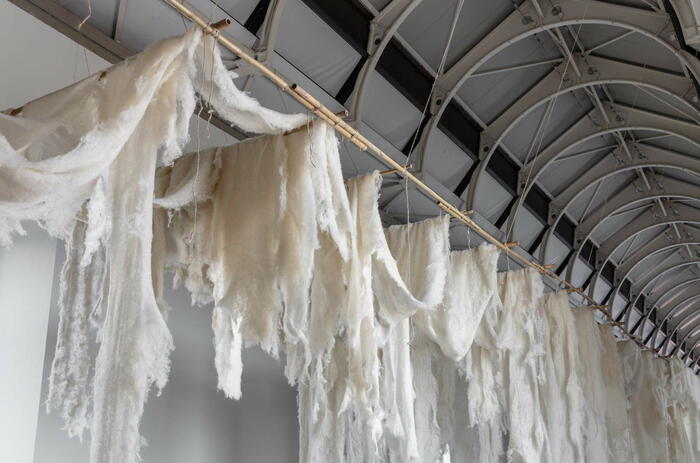
The exhibition at the Castello, curated by Marcella Beccaria and open until September 20, 2026, consists of a new commission conceived by Vicuña for the Manica Lunga. Specifically designed for the building’s longitudinal spaces, the work is envisioned by the artist as a quipu acostado, a horizontal installation suspended at multiple heights. Belonging to ancient Andean civilizations, quipus (knots in the Quechua language) are an ancient form of writing consisting of knotted cords used as a system for recording information, including historical-narrative, administrative, or astronomical data. By directly referencing this type of artifact, Vicuña’s contemporary quipus become immersive environmental installations that traverse space and time. To create them, the artist favors raw, unprocessed wool, which she unwinds and assembles, producing striking aerial architectures.
-
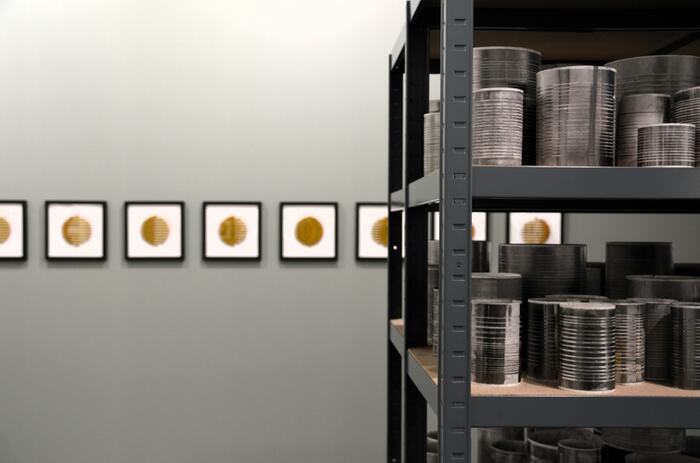
Cecilia Vicuña. Canoa de luz (Canoa di luce), 2000, installation view, Quotidiana, Casa del Conte Verde, Rivoli-Torino, Castello di Rivoli Museo d'Arte Contemporanea, Rivoli-Torino
In the Manica Lunga of the Castello, the new quipu will serve as an evocative presence, suggesting the passage of time—both human and geological—the movement of natural elements such as wind and water, and the transience of human presence in relation to the environment. The artist wishes for local communities to contribute by collecting small residual natural materials—such as wood fragments, stones, shells, feathers, or other elements—from nearby waterways and bodies of water, including the Dora Riparia and the Avigliana Lakes. The participatory nature of the quipu is a fundamental element that allows the work to become a “weaver” of people and places. The relationship with water is sought by Vicuña as a memory of the ancient glaciers, now extinct, that once dominated the landscape of the Valle di Susa, where the Castello is located.
The exhibition will include video works, bringing into the project images, sounds, and songs that have been an integral part of the artist’s practice since its beginnings. Acknowledging Vicuña’s role in the field of poetry, the exhibition will feature new poetic compositions written specifically by the artist. The exhibition will be accompanied by a new publication.
This exhibition marks an important return for Vicuña to the Castello, the institution that first presented her work in Italy in 2000 as part of the group exhibition Quotidiana.
May interest you
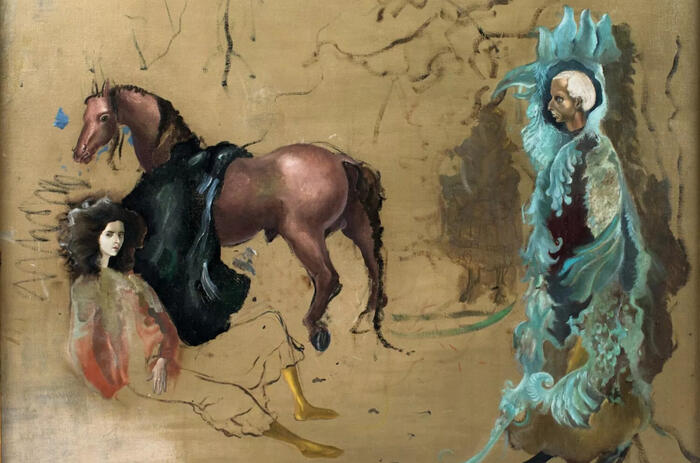
LEONORA CARRINGTON: THE VITRUVIAN WOMAN IN PARIS
The museum presents the work of the Mexican artist through a journey that articulates her main interests, combining chronological and thematic perspectives.
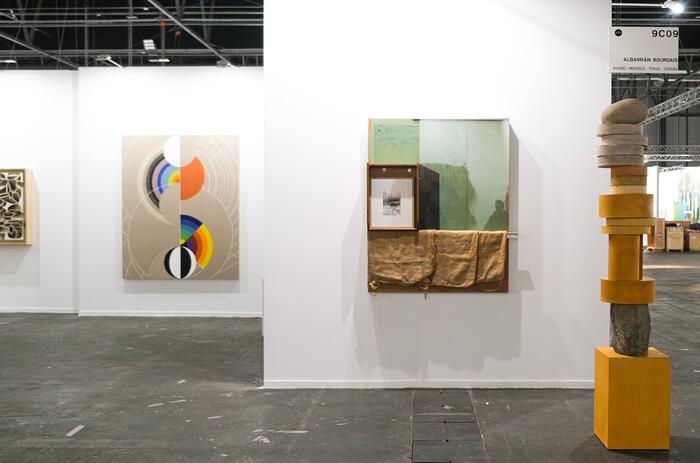
SPAIN’S 21% VAT ON ART IS PUTTING GALLERIES AT A COMPETITIVE DISADVANTAGE
Spain applies a 21% VAT to gallery sales of artworks, a rate in place since 2012. In contrast, other cultural sectors benefit from reduced rates: cinema, theatre and concerts are taxed at 10%, and books at 4%. Contemporary art galleries, however, remain subject to the general rate.
11 VISIONS OF LATIN AMERICAN GALLERIES AT ARCO
We explored the visions and practices of eleven Latin American galleries to gauge the pulse of the region’s art and its status at ARCO, with proposals that, without ignoring the commercial side, affirm tradition, experimentation, and diversity of languages as a common hallmark.