THE DUTCH PAVILION AND A PERFORMANCE OF CONTRASTS IN VENICE
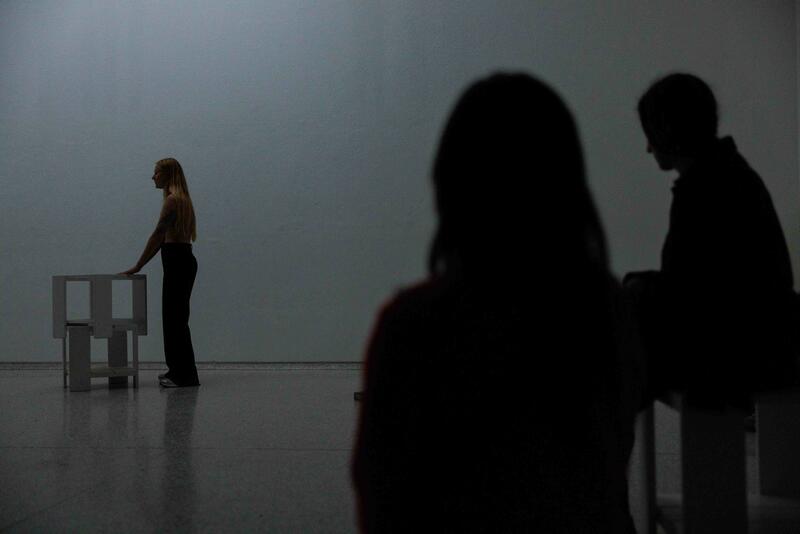
An orderly, Dutch line. A pavilion, white, tall and closed. We were given generic instructions: no filming, keep silent, respect the tempo of the piece. All the visitors entered together and we followed the implicit choreography, finding where to place ourselves in the space. There is something terribly solemn in performances that make room for waiting, that builds tension.
This is the first performance the Netherlands has presented in the history of its national pavilion at the Biennale di Venezia. It is also the first time the pavilion's architecture is part of the proposal, or is put at the service of gestures less subtle than in previous editions. A wide, white building, designed by Rietveld in the fifties as the representation of a modern country, functional and progressive. Over the following twenty-five minutes, the space that at first seems available to everyone will go on closing, darkening, becoming inaccessible.
-
Pavilion of NETHERLANDS (THE). The Fortress. 61st International Art Exhibition – La Biennale di Venezia, In Minor Keys. Photo by: Andrea Avezzù
In words of Dries Verhoeven, the performance's creator: "In the real world, progressive people are less and less able to make their ideals real. That's why they turn to the spheres where they still hold influence, like the art world."
As part of the audience, we suspected one another. The laughter kept dwindling. Until the first (false) note began: someone took off her shoes and settled in as if she were going to stay among us. But this woman wasn't the protagonist; another one was. A blonde, medium height, dressed in a shirt, jeans and a tote bag, who began to move with stage confidence.
-
Pavilion of NETHERLANDS (THE). The Fortress, 61st International Art Exhibition – La Biennale di Venezia, In Minor Keys. Photo by: Jacopo Salvi
We can't trace her entrance, the performance was simply already happening. She let out sounds, guttural, broken, rotten, that released words like stop, or help. Later: smile, hold your ground, engage. Also rage.
This woman, almost animalized, begins to move through the pavilion and intervene on the objects scattered around. Enormous books, trapped in resin, that looked like blocks. She grabbed them, shifted them, pushed them. Clumsy but effective movements. She also touched the walls, screamed against them, implored them.
-
Pavilion of NETHERLANDS (THE). The Fortress, 61st International Art Exhibition – La Biennale di Venezia, In Minor Keys. Photo by: Jacopo Salvi
At the same time, the space was growing darker. And the protagonist came near us without fear. We, the audience, of course, reacted with caution: a woman grabbed her husband's arm, two men wouldn't meet her eyes as she passed beside them. The performer grabbed one of the books and pushed it toward another woman.
With the darkness, the pavilion's architecture kept disappearing. The walls and corners were fading, giving way to a sense of isolation. Together with the guttural demands of the performance around commitment and care, our reflection, shared in silence among those of us living through this experience, moved from uncertainty toward the calm of shelter. But it also underscored that shelter is what separates us.
Dries Verhoeven: "What is fundamentally broken in the world gets symbolically put back together in the arts. In the Giardini, even amid every crisis, we can still feel safe and connected. Cappuccino in hand, we walk relatively calmly through an idyllic park, as if we weren't part of this dark world".
In Europe and in the world we are in constant tension. The wars in neighboring regions, dangerously close, intensely affect every aspect of daily life. Climate catastrophes burn us from inside and all around. Our institutions weaken, and with them the trust that holds up the social fabric. Genuine discourse erodes, and with it the meaning of the principles that sustained our peace gets washed away. What stance do we take in the face of this? How do we treat our neighbors, and where do we draw the line between stranger danger and empathy? How do we conceive of otherness, and why does it have to be this way?
-
Pavilion of NETHERLANDS (THE). The Fortress. 61st International Art Exhibition – La Biennale di Venezia, In Minor Keys. Photo by: Andrea Avezzù
Love yourself. Enjoy. Several more times she would repeat this prayer. Enjoy, enjoy, enjoy. And then: play music, and she stayed there screaming, bare-chested. An insistence on sound while the place kept darkening. In an almost absurd reaction, a spectator who looked like a teenager seemed particularly tempted to laugh. He couldn't hold himself back. But neither could the performer, and she kept howling. Don't hate yourself, and then Do what you can. And, finally, the shutters opened, the performance ended. There was timid applause.
The title of the 2026 Dutch pavilion, The Fortress (El Bastión), the architectural drama of the darkness and the emotional tearing of the performance, put in check the contradictions of a Western world that closes in on itself and poisons itself from within, ignoring the need for help and putting its own safety at risk. This antithesis of care confuses shelter with confinement, and moves us away from ourselves until the difference becomes risk and the end becomes imminent.
We surround ourselves with discourses of openness, but how far do we actually practice them? This performance proposes reflecting on our instincts to protect ourselves, and highlights the contradiction we activate when we isolate ourselves thinking that's how we take care of ourselves, when in reality that leaves us even more exposed. Exposed to opposing one another, to setting ourselves apart, to cutting the ties and communities that hold us up. The gargantuan cries of the performance around protectionism give us back our humanity. They demand we connect with the already nearly drowned need of our neighbors. But how do we react? Do we grow uncomfortable and look away, or do we feel pain, frustration and fear?
If you’d like to travel to Venice and explore the Biennale In Minor Keys through a curated lens, Pinta Experience invites you to take part in an exclusive program led by Irene Gelfman, Global Curator and Artistic Director of Pinta. An experience that lets you discover the Biennale and the city in a unique way.
Related Topics
May interest you
IN MINOR KEYS: WHAT WE SAW AT THE VENICE BIENNALE
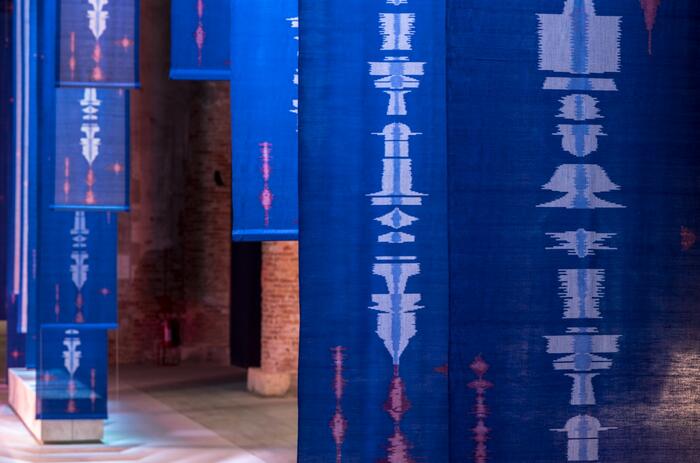
An overhead summer sun, harsh and multiplied by the closeness of the water, beat down on us in the streets, bridges and canals of Venice caught in a heat wave. We were looking for shelter, and then darkness. And then, a panel, an immersive installation by Khaled Sabsabi that glowed in the middle of the entrance to the exhibition. Colors, slow movements, spectral sounds. Can we also imagine, perhaps, certain scents? This is the solemn entrance to the Arsenale in the 2026 edition of the Venice Biennale exhibition.
MEXICO PRESENTS A SPIRITUAL INVOCATION AT THE 61ST VENICE BIENNALE
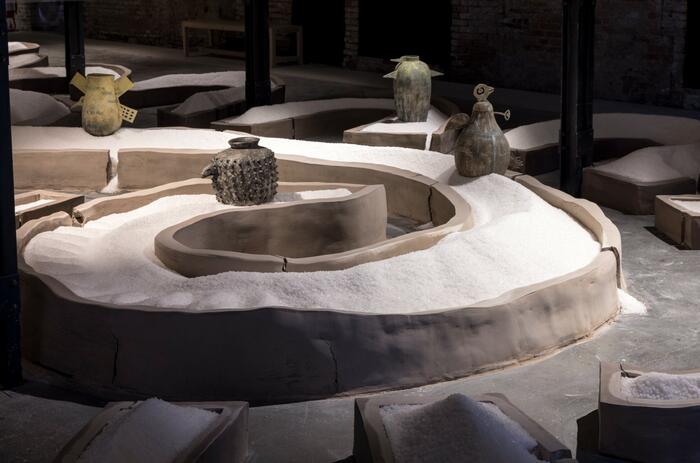
Through a ritual ecosystem of materials, sound, and gesture, RojoNegro's proposal for the Mexican Pavilion opens a space of pause and listening in the face of the saturation of the contemporary world.
SURREALIST IVÁN TOVAR RETURNS TO VENICE HALF A CENTURY LATER
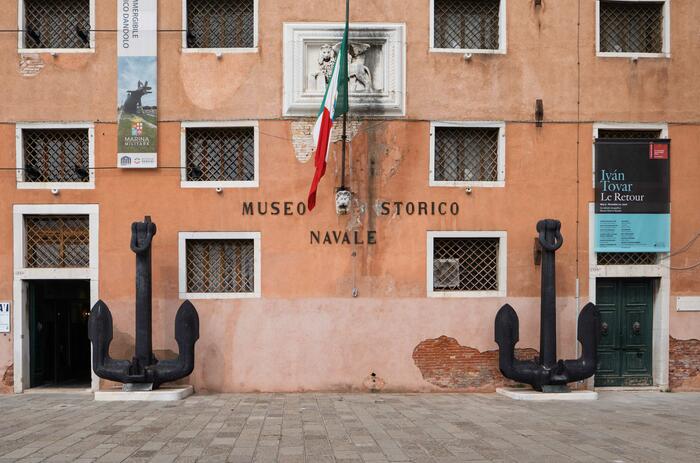
The Iván Tovar Foundation presents Le Retour, a collateral event of the 61st Venice Biennale that repositions the Dominican artist within the global history of Surrealism.
THE ERASED COMMUNITIES OF THE PANAMA CANAL ARRIVE AT THE VENICE BIENNALE
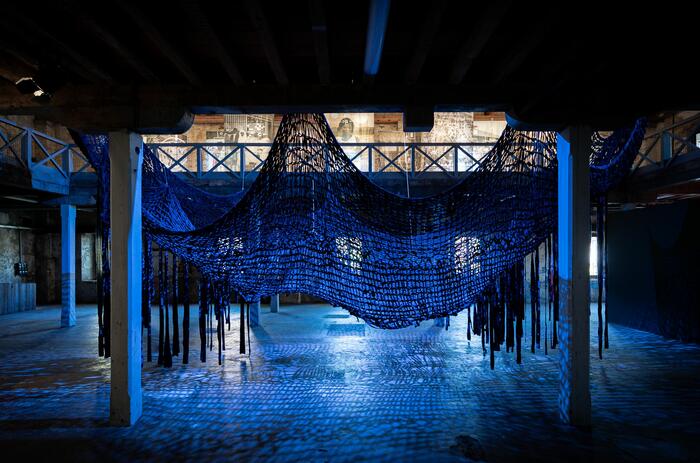
In line with the theme of the 61st edition, the duo Messengers of the Sun turns hyperstition into a tool for rewriting an untold story: that of the peoples displaced by a mythologized feat of engineering.
CAROLINA CAYCEDO: BETWEEN VENICE AND SÃO PAULO, RIVERS AND RESISTANCE
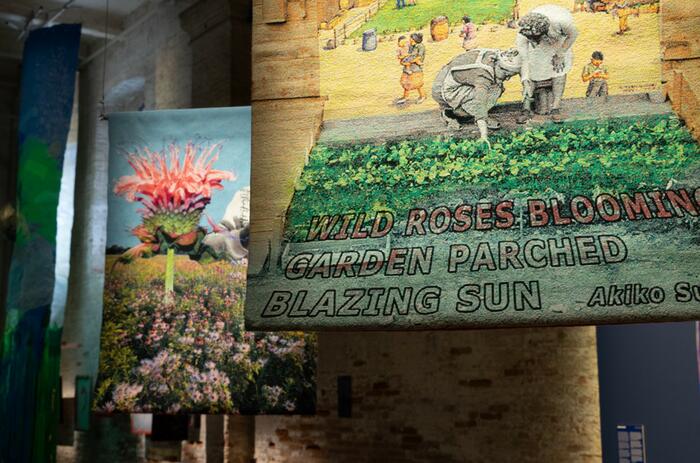
The Colombian-British artist participates in the current Venice Biennale and opens Confluences at MASP on July 3.
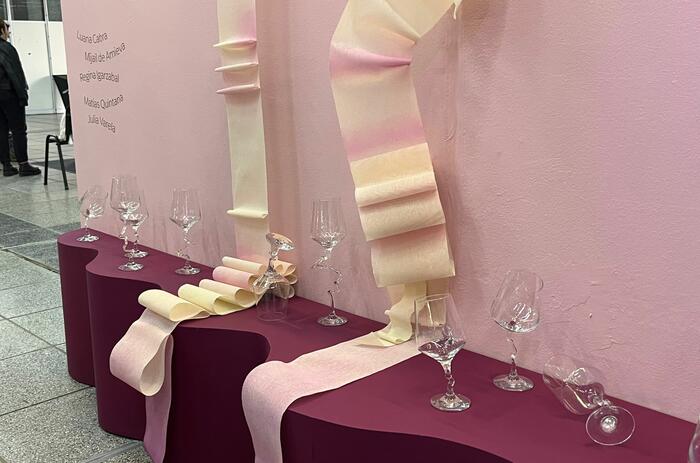
COLORS AND TEXTURES AT PLATEADA, LA PLATA’S ARGENTINE ART FAIR
With a work by Lido Iacopetti presented by Aldo de Sousa at the beginning of the fair, as a La Plata's city grail, as Facundo Belén—artistic director of Plateada alongside Virginia Martin—described it, the fair presents its 2026 edition in the main hall of the Teatro Argentino, in La Plata, Argentina.

THE GARDENS OF 6 WOMEN ARTISTS AT THE 2026 VENICE BIENNALE
In Minor Keys is the title Koyo Kouoh chose for the Biennale we now read in the light filtered through her branches. What was she telling us? In this piece I reflect on its meaning and on the possibilities artists sow as they resignify the structures of our modernity. It is a walk through six works understood as ecologies, in the way philosopher of science Isabelle Stengers conceptualized it.
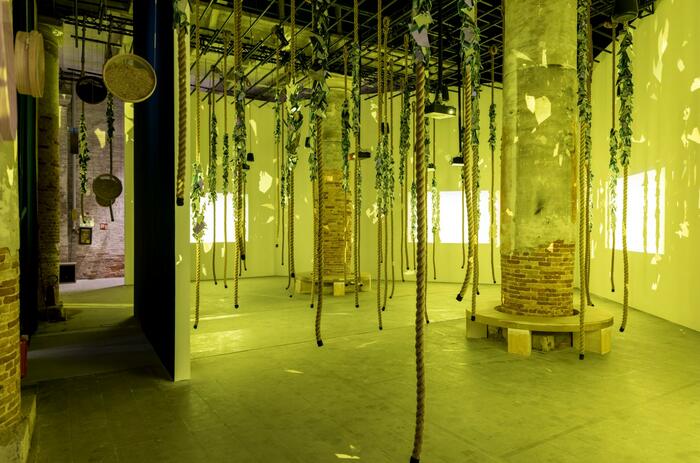
INSISTING GHOSTS THAT REMAIN IN THIS VENICE BIENNALE'S EDITION
From the ghosts of cyberspace to the Orixás, the Venice Biennale builds correspondences between visible and invisible worlds.
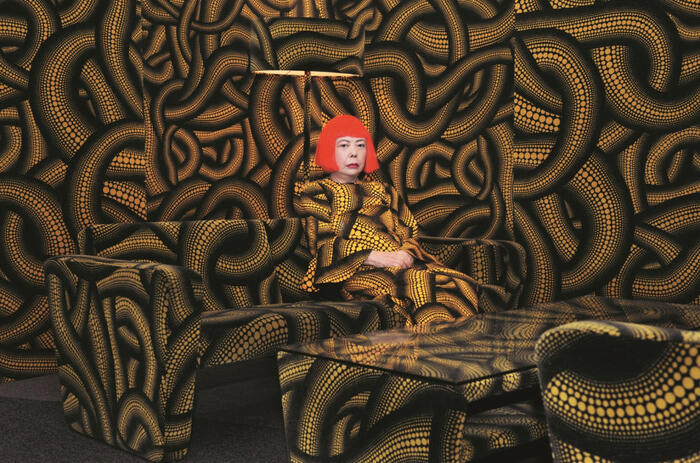
STEDELIJK MUSEUM OPENS LANDMARK YAYOI KUSAMA RETROSPECTIVE
Spanning seven decades of painting, sculpture, and immersive installation, the show features a newly created work alongside pieces never before exhibited in Europe.