
CAROLINA CAYCEDO: BETWEEN VENICE AND SÃO PAULO, RIVERS AND RESISTANCE
The Colombian-British artist participates in the current Venice Biennale and opens Confluences at MASP on July 3.
Carolina Caycedo (United Kingdom, 1978) is participating in the current edition of the Venice Biennale while opening Confluences, her first solo exhibition in Brazil, at the Museu de Arte de São Paulo Assis Chateaubriand (MASP), on view from July 3. Born in London and raised in Colombia, the artist grew up on the banks of the Magdalena River, one of the country's most important waterways, deeply affected by dam construction — a recurring subject in her practice.
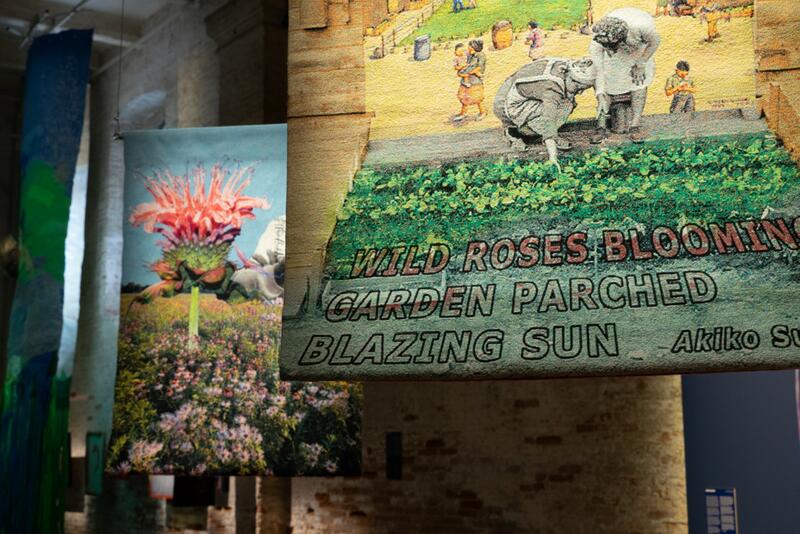
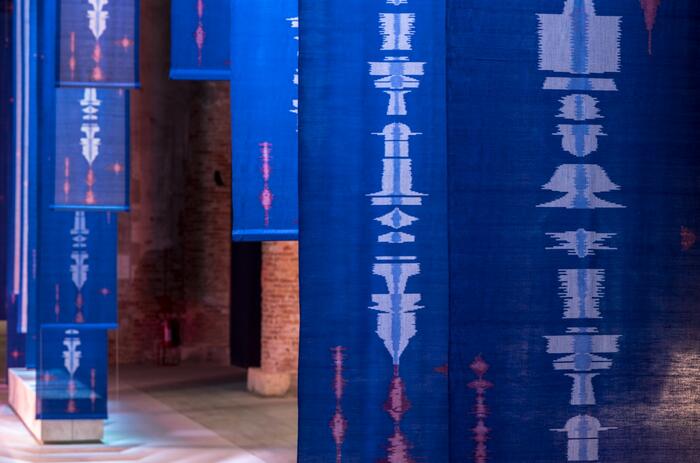
In Venice, Caycedo presents three works from the series We Save Our Seed for the Following Season (2023), tapestries combining Jacquard weaving, printed cotton twill, and organic materials. As curator Atabey fka Carlos Maria Romero notes, the pieces "honour women who develop and keep land-based knowledge": one celebrates Japanese-American women incarcerated by the United States government during World War II who planted gardens to nourish the bodies and souls of their compatriots; another portrays Meda DeWitt, a Tlingit healer and activist in Alaska, gathering crowberries with her daughter; and a third represents Ella Besaw (1902–1990), medicine woman of the Stockbridge-Munsee Band of Mohican Indians in Wisconsin, among sacred plants. Also on view in Venice is Ñañay Kculli ~ S'oam Bawi Wenag ~ Kiik K'úum (2024), three wooden seeds suspended in jute nets referencing the Three Sisters, an Indigenous agricultural technique practiced throughout North and Central America.
-
Carolina Caycedo. 61st International Art Exhibition – La Biennale di Venezia, In Minor Keys. Photo: Luca Zambelli Bais. Courtesy: La Biennale di Venezia
-
Carolina Caycedo. 61st International Art Exhibition – La Biennale di Venezia, In Minor Keys. Photo: Luca Zambelli Bais. Courtesy: La Biennale di Venezia
At MASP, the exhibition takes its title from a new installation created collaboratively during the People's Summit held alongside COP30 in Belém, Pará. The work brings together T-shirts, flags, and banners produced by participants in the gathering, evoking confluence not only of waterways but of people, cultures, and forms of resistance. The show spans photography, installation, video, performance, and drawing, and is curated by Isabella Rjeille.
Among the works on view is the Cosmotarrayas series (2016–ongoing), sculptures inspired by the way fishers hang their nets from tree trunks to dry, combining artisanal fishing nets with objects collected by the artist. Also included is My Feminine Lineage of Struggle (2018–2019), from MASP's collection, featuring drawn portraits of activists including Marielle Franco, Tuíra Kayapó, Dorothy Stang, and Ana Laide Barbosa.
-
Carolina Caycedo. O oito de Oxum. From the series Cosmotarrayas, 2025. Artisanal hand-dyed cast net, 22 carat gold leaf, mirrored glass, paracord, powder coated steel, lead weights, and thread, 102 × 76 × 30 cm. Courtesy of the artist and Commonwealth and Council, Los Angeles. Photo Courtesy Commonwealth and Council; Paul Salveson
As part of the program, Caycedo will perform Atarraya on Saturday, July 4, at the museum's Free Span (Vão Livre). Following its presentation in São Paulo, the exhibition will travel to El Museo del Barrio in New York.
May interest you
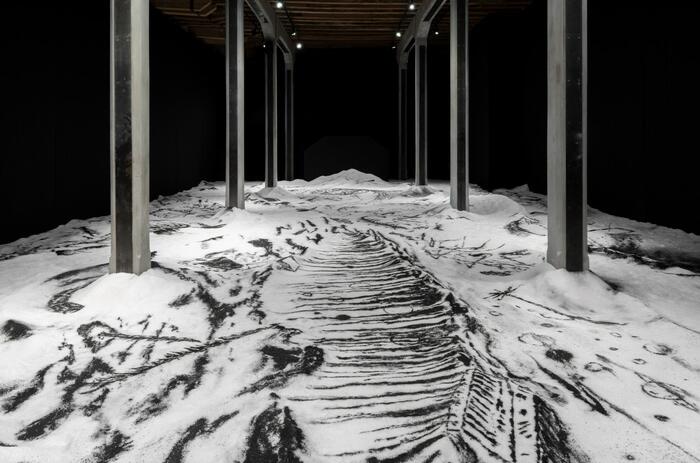
VENICE BIENNALE 2026: A CONTEMPORARY LOOK AT MEMORY, ARCHIVE, AND TERRITORY
At the 61st Venice Art Biennale, titled In Minor Keys and conceived by Cameroonian curator Koyo Kouoh, Latin American artists and projects hold a prominent place within an edition shaped by reflections on memory, territory, identity, and community knowledge.
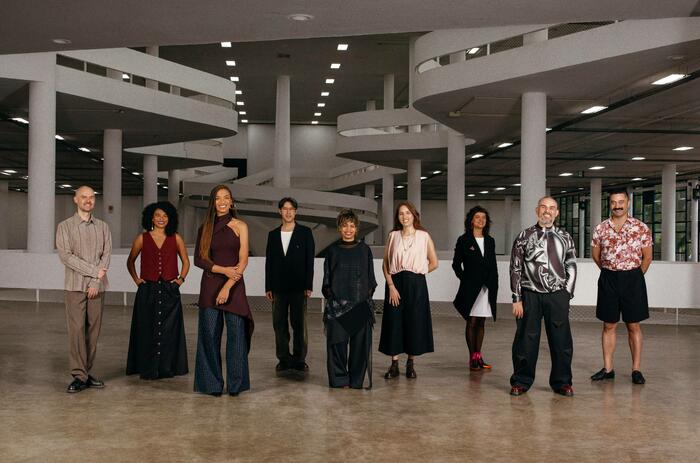
THE CURATORIAL TEAM FOR THE 37th BIENAL DE SÃO PAULO ANNOUNCED
Led by Amanda Carneiro and Raphael Fonseca, nine professionals from across the globe think of the Bienal as a platform for research, imagination, encounter, and meaningful engagement.
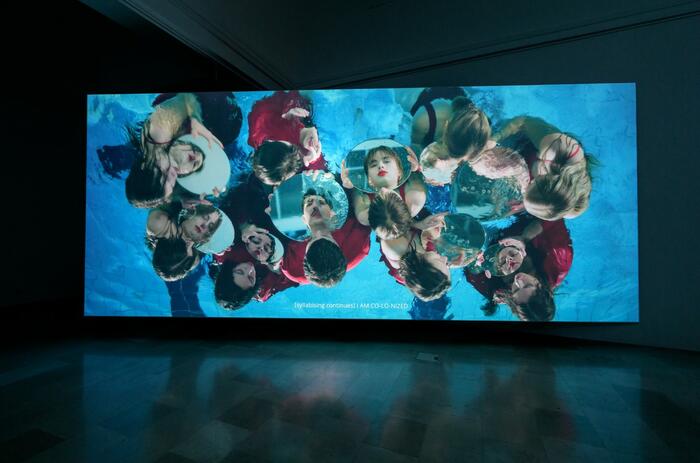
POLAND OCCUPIES THREE NATIONAL PAVILIONS AT THE VENICE BIENNALE
Polish artists and curators are present at the Polish, Estonian, and Albanian Pavilions, as well as an official collateral event at the Procuratie Vecchie.
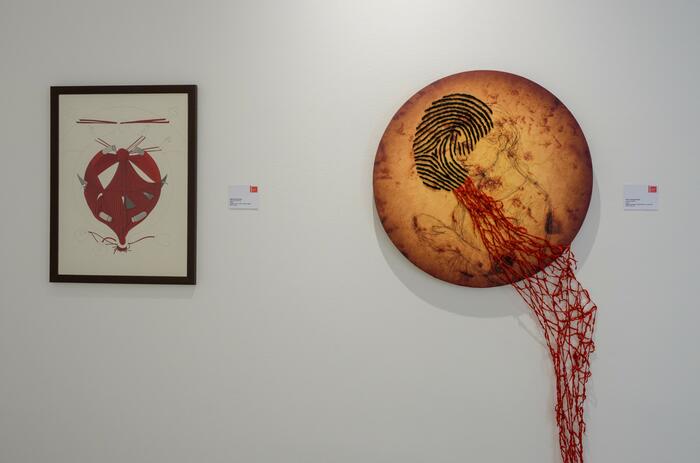
GUATEMALA PRESENTS “LAS INVISIBLES” AT THE 61st VENICE BIENNALE
Memory, identity, and abstraction intersect in the exhibition by Ana Lorena Núñez, Jorge Chavarría, Manuel Navichoc, and Elsie Wunderlich for the international art fair.
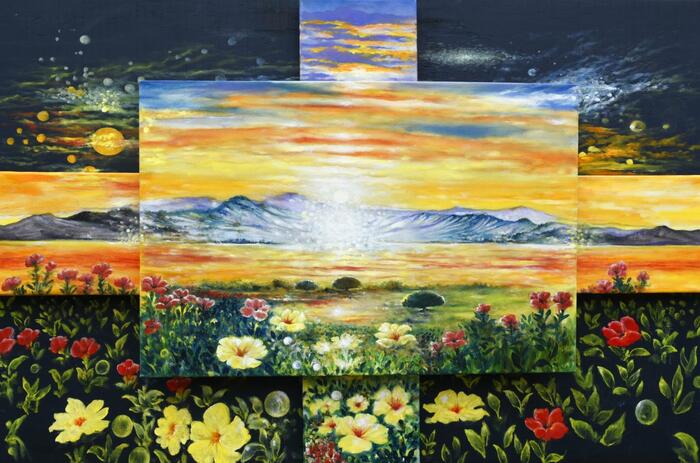
A MENTAL GARDEN: HAITI AT THE VENICE BIENNALE 2026
Haitian artist Enock Placide's installation offers an immersive experience of time, space, and perception, on view through November 22 at Palazzo Albrizzi-Capello.
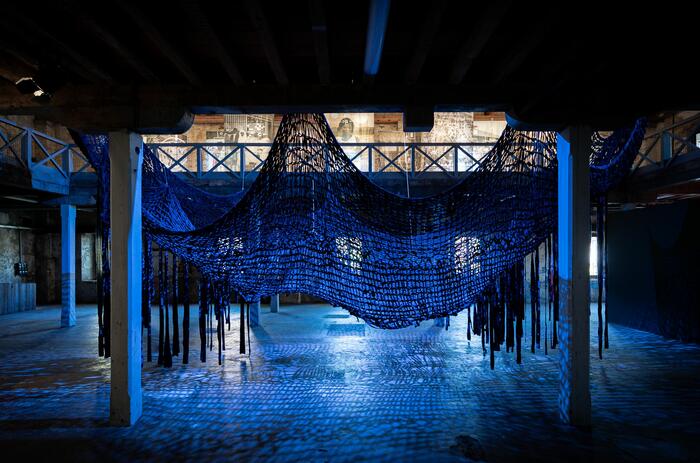
THE ERASED COMMUNITIES OF THE PANAMA CANAL ARRIVE AT THE VENICE BIENNALE
In line with the theme of the 61st edition, the duo Messengers of the Sun turns hyperstition into a tool for rewriting an untold story: that of the peoples displaced by a mythologized feat of engineering.
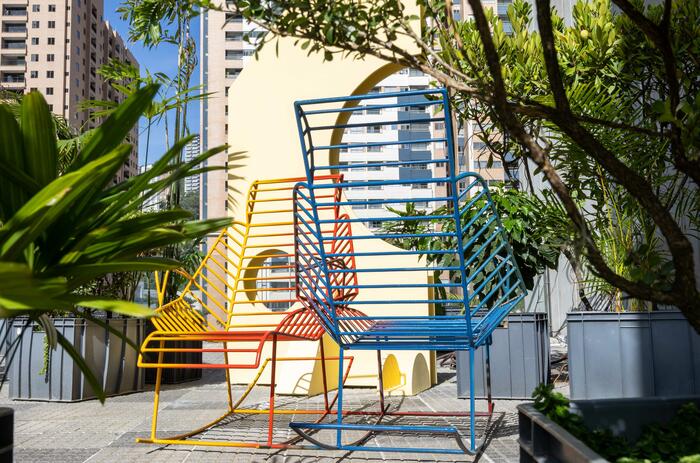
THE WEIGHT OF THE OTHER AS ARTISTIC MATERIAL: IVÁN ARGOTE AT MAMM
The Colombian artist presents Sentir tu peso, a participatory installation on the terrace of the Museo de Arte Moderno de Medellín, his first appearance in the city.
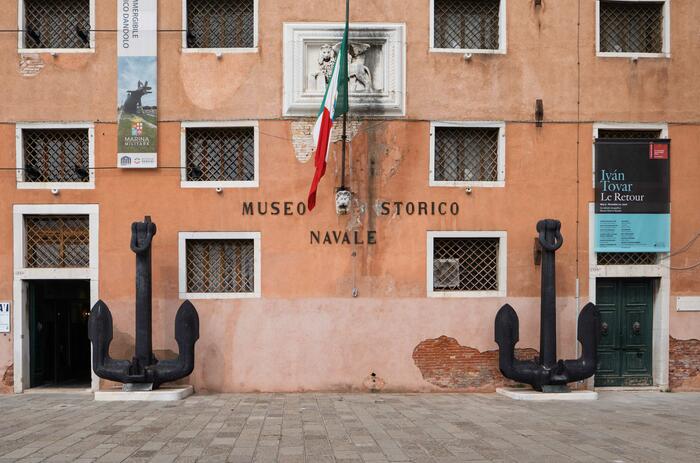
SURREALIST IVÁN TOVAR RETURNS TO VENICE HALF A CENTURY LATER
The Iván Tovar Foundation presents Le Retour, a collateral event of the 61st Venice Biennale that repositions the Dominican artist within the global history of Surrealism.
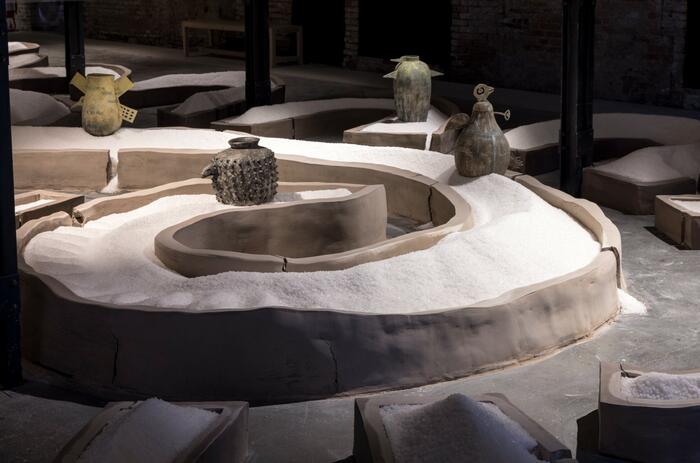
MEXICO PRESENTS A SPIRITUAL INVOCATION AT THE 61ST VENICE BIENNALE
Through a ritual ecosystem of materials, sound, and gesture, RojoNegro's proposal for the Mexican Pavilion opens a space of pause and listening in the face of the saturation of the contemporary world.
IN MINOR KEYS: WHAT WE SAW AT THE VENICE BIENNALE
An overhead summer sun, harsh and multiplied by the closeness of the water, beat down on us in the streets, bridges and canals of Venice caught in a heat wave. We were looking for shelter, and then darkness. And then, a panel, an immersive installation by Khaled Sabsabi that glowed in the middle of the entrance to the exhibition. Colors, slow movements, spectral sounds. Can we also imagine, perhaps, certain scents? This is the solemn entrance to the Arsenale in the 2026 edition of the Venice Biennale exhibition.

MASP PRESENTS INTERNATIONAL GROUP EXHIBITION “HISTÓRIAS LATINO-AMERICANAS”
Spanning five floors of the Pietro Maria Bardi Building, the exhibition brings together works by 148 artists, including previously unseen works, to examine how the idea of Latin America was constructed and continues to be contested today.
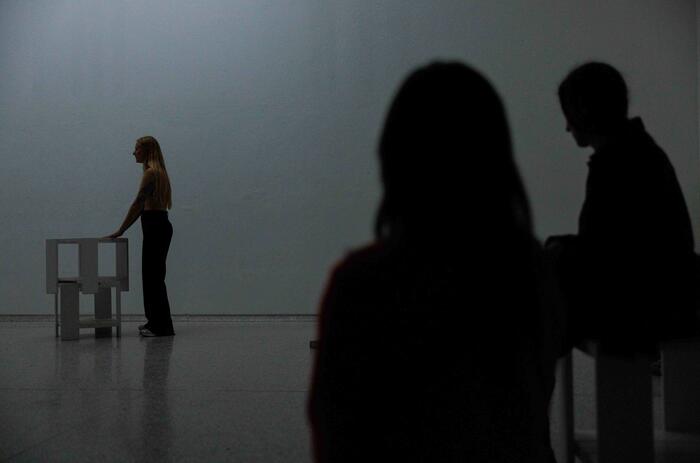
THE DUTCH PAVILION AND A PERFORMANCE OF CONTRASTS IN VENICE
An orderly, Dutch line. A pavilion, white, tall and closed. We were given generic instructions: no filming, keep silent, respect the tempo of the piece. All the visitors entered together and we followed the implicit choreography, finding where to place ourselves in the space. There is something terribly solemn in performances that make room for waiting, that builds tension.
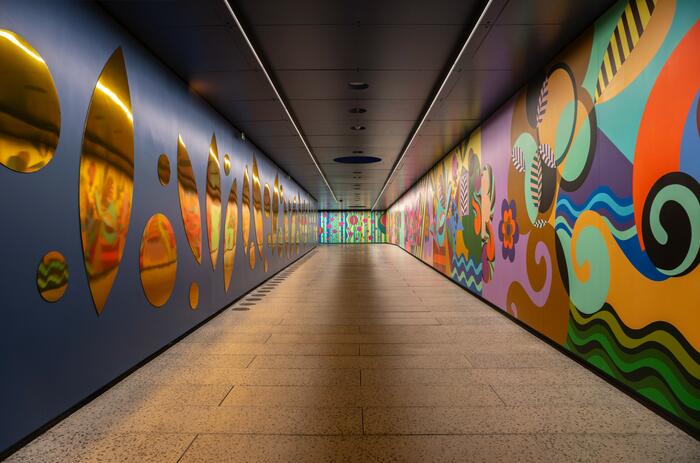
INSIDE MASP'S NEW UNDERGROUND PASSAGEWAY: 98 METERS OF BEATRIZ MILHAZES
Pietrolina borrows the rhythm of a Carnival parade, brought to life in 33 acrylic shades.