

By
Violeta Méndez
Between references to art history and spectacular visual statements, the 2026 Met Gala once again pushed the boundaries between aesthetic creation and performance.
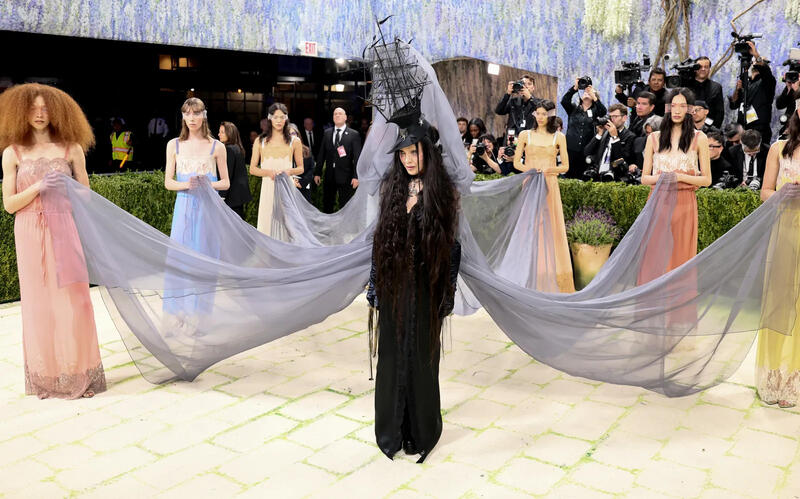
This first Monday of May saw the 2026 Met Gala take place, marking the opening of Costume Art, the spring exhibition at the Costume Institute of the Metropolitan Museum of Art. Guests were required to follow the dress code "Fashion is Art," encouraging designers and attendees to "consider the body as a blank canvas," as Vogue reported. The theme ensured a revisiting of the past — a revolt among depicted textiles that inspire new ways of narrating the present.
Specific references to particular works were on display: Hunter Schafer alluded to Gustav Klimt's Mada Primavesi; Madonna reinterpreted The Temptation of Saint Anthony; Rachel Zegler wore a version of Paul Delaroche's The Execution of Lady Jane Grey; and Angela Bassett evoked a portrait by Laura Wheeler Waring. Other celebrities drew from sculpture, such as Yu-Chi Lyra Kuo, inspired by the Winged Victory of Samothrace, as was Kendall Jenner. There were also tributes to historical figures in the field, like Troye Sivan, who channeled photographer Robert Mapplethorpe. Meanwhile, Emma Chamberlain sought to wear the painting itself: a piece referencing the iconic Thierry Mugler dress, hand-painted by Anne Deller Yee.
Though the exquisite garments worn by the attendees aim to command all attention, the controversy surrounding the event shifts the gaze toward its funding. The most important gala in global fashion is sponsored by Jeff Bezos, one of the wealthiest men in the world. The setting cannot be read purely as a space of creativity and homage when the capital sustaining it comes from the very economic structures that concentrate power on a global scale — putting the cultural meaning of the event under tension.
At that crossroads, the gala functions as something more than an aesthetic celebration: it is also a mechanism where art, fashion, and capital intertwine in plain sight. If the body is conceived as a canvas, as the theme proposes, then so too is the museum that houses it and the system that funds it. There, amid references to the past and spectacular staged displays, a persistent question is at play: to what extent can fashion be read as art without being shaped by the very logics that make it possible?
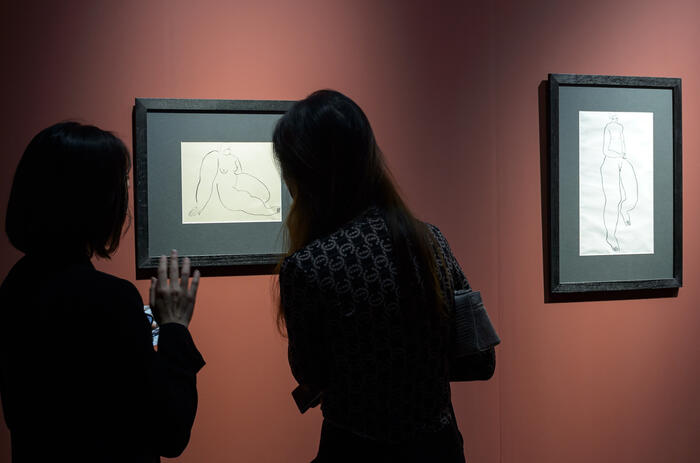
Prestige at a Discount: Salaries and Careers in the Art World
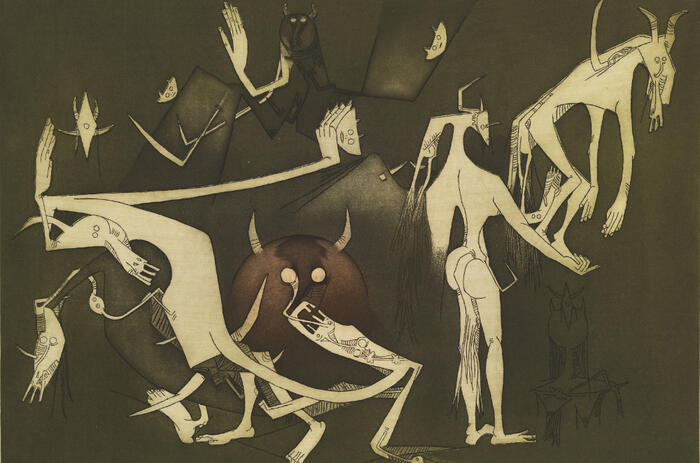
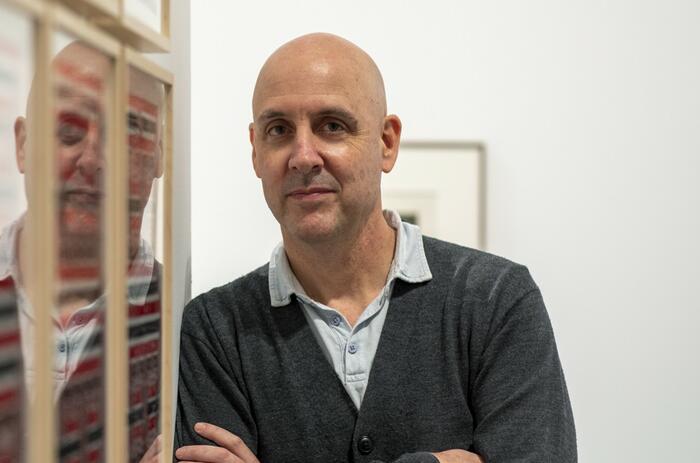
What is a Culturally Specific Institution? Director of El Museo del Barrio for over eight years, Patrick Charpenel reflects on the role of museums in the United States, the visibility of Latinx communities, and the challenges of thinking about art beyond fixed categories and market logics.
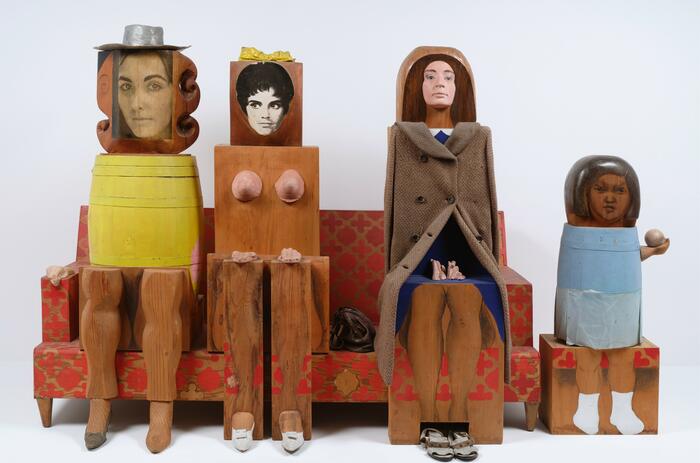
The Swiss institution presents an extensive survey spanning five decades of the Venezuelan-born artist’s production, highlighting her ironic focus on power and mass culture.

Ancestral knowledge and modern utopias meet at the Barbican Centre; the installation invites to reflect on how we inhabit the world.