
WHAT IS "SEAWORLD VENICE"? THE INSTALLATION AT THE BIENNALE THAT STAGES ECOLOGICAL AND SOCIAL COLLAPSE
Florentina Holzinger represents Austria at the 61st International Art Exhibition with a live installation exploring water, purity and feminist resistance. On view through 22 November at the Giardini della Biennale.
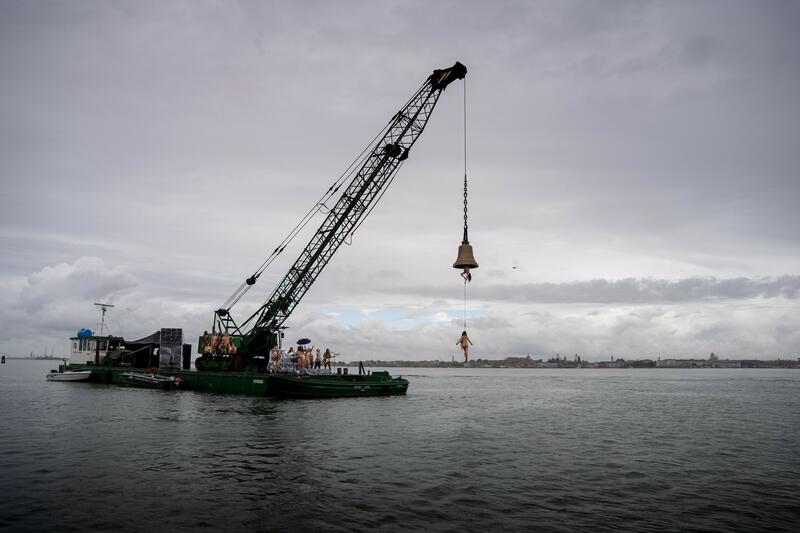
The Austrian choreographer and performance artist Florentina Holzinger (Vienna, Austria, 1986) represents Austria at the 61st International Art Exhibition – La Biennale di Venezia with SEAWORLD VENICE, a bold new interdisciplinary commission curated by Nora-Swantje Almes (Gropius Bau, Berlin). Known for her genre-defying work that challenges socio-political conventions, Holzinger conceptualises the Austrian Pavilion as, at once, a sacred building, an underwater theme park and a sewage treatment plant.
Visitors' bodily fluids are turned into living quarters for performers inhabiting the Austrian Pavilion, while also actively contributing to the pavilion's flooding. Holzinger's work takes the form of a machinic organism in which action and its consequences are continuously negotiated, exploring the body within a radically changing landscape where nature and technology collide. The project features a permanent live installation at the Austrian Pavilion, alongside site-specific Études — an ongoing body of work the artist has been developing since 2020, consisting of performative actions in public space.
-
SEAWORLD VENICE, 2026 © Nicole Marianna Wytyczak
SEAWORLD VENICE derives from this ongoing enquiry, entering into dialogue with Venice, a city defined by its entanglement with water, survival and the consequences of human intervention. Holzinger explores concepts of purity and impurity, cleanliness and dirt, which are integral both to the water world and to societal and religious belief systems. Purification cycles and rituals are deemed necessary to restore order. Here, the artist makes these visible and proposes that order itself is unstable.
The Opening Étude serves as an inaugural ritual. Recovered from the lagoon and brought to the Pavilion in a procession, a bell opens the Austrian Pavilion and towers over its entrance. The rhythmic, embodied persistence of a female performer replacing the clapper rings out the exhausted structures of patriarchal history and religious authority every hour.
-
SEAWORLD VENICE, 2026 © Nicole Marianna Wytyczak
In the flooded pavilion, a jet ski makes its rounds as a monument to the ecological catastrophe driven by turbotourism, which continues to collide with a sinking city. Opposite, a monumental weather vane pierces the architecture. Here, it substitutes the fixed monuments of the past with a rotating, female-led "Deposition of Christ." The work proposes a radical departure from the status quo, foreshadowing a defiant direction for a society in flux.
At the back of the pavilion, the promise of progress continues to unfold as a "Frankensteinesque" dystopia: robot dogs move through rising water behind glass, acting as mechanical watchdogs for a central sacrificial altar — a large aquarium flanked by toilets. In the courtyard, a performer lives inside a water tank sustained by visitors' urine, inhabiting the Austrian Pavilion continuously throughout the Biennale. Living in this reservoir, the performer strips away the inherited romanticism of Giorgione's Sleeping Venus (1510) — art history's first known reclining nude, painted in Venice.
Rising from the depths of the Venetian lagoon and ascending into the city's skies, Holzinger's performers — human and otherwise — reveal the vulnerability and resilience of bodies and the world alike. The artist states: "In Venice — a city caught in a profound and precarious relationship with water — my ongoing fascination with this element will take on new dimensions. Here, the body will play a central role in exploring the interdependence and interplay between nature and technology."
SEAWORLD VENICE is on view through 22 November at Giardini della Biennale, Sestiere Castello, 30122 Venice, Italy.
Related Topics
May interest you
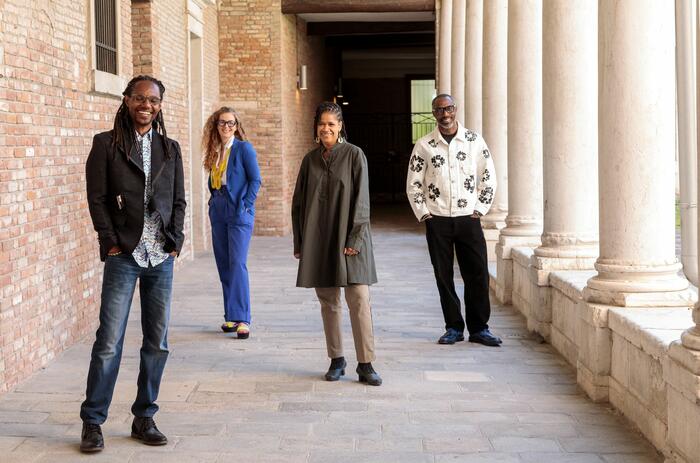
JUNKANOO IN VENICE: ART, MEMORY, AND POSTHUMOUS COLLABORATION AT THE BAHAMAS PAVILION
The 2026 Venice Biennale hosts an exhibition exploring the Bahamian Junkanoo tradition through the work of John Beadle and Lavar Munroe — two generations of artists united by discarded materials and collective memory.
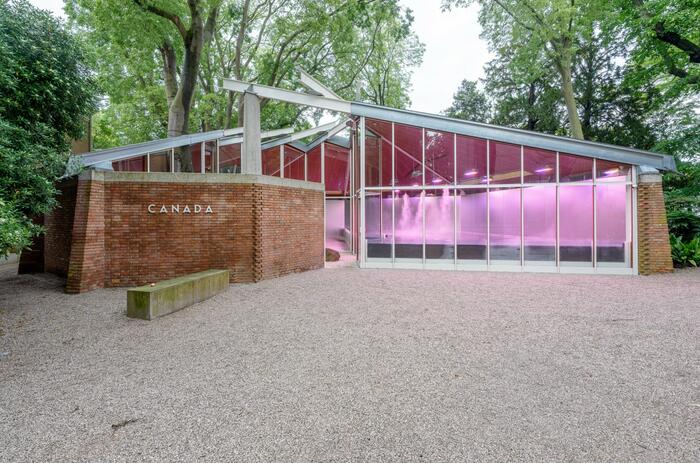
BETWEEN DOG AND WOLF: CANADA BRINGS TWILIGHT TO THE VENICE BIENNALE
With Victoria water lilies as protagonists, Abbas Akhavan transforms the Canadian pavilion into a liminal space that invites to rethink humanity's relationship with the natural world.
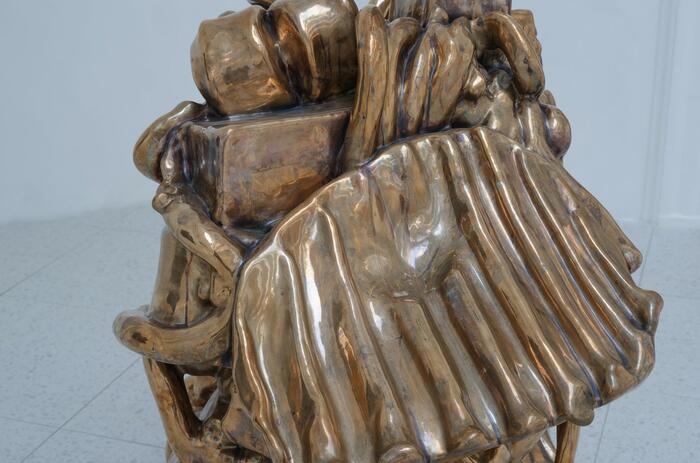
US SCULPTURES AMID CONTROVERSY AT THE VENICE BIENNALE
No formal application, no galleries, and uncertain funding: the artist representing the United States in Venice explores the transformation of matter and the American landscape.
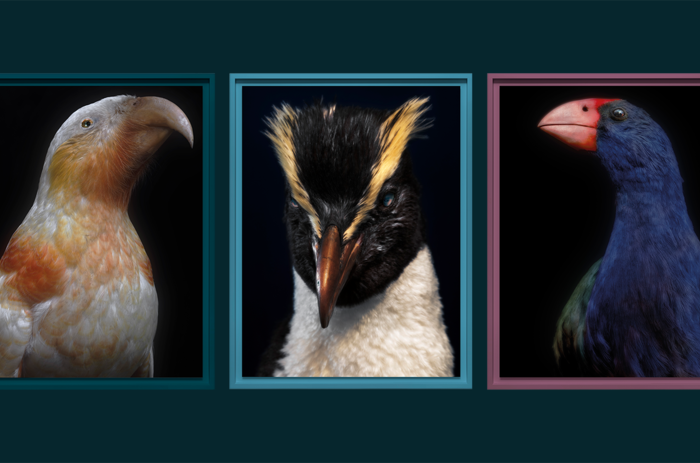
NEW ZEALAND PHOTOGRAPHER FIONA PARDINGTON REPRESENTS AOTEAROA AT THE VENICE BIENNALE
A new series of large-scale photographs of taxidermied birds — some extinct, many endangered — explores the intersection of colonial history, Māori spirituality, and ecological loss.
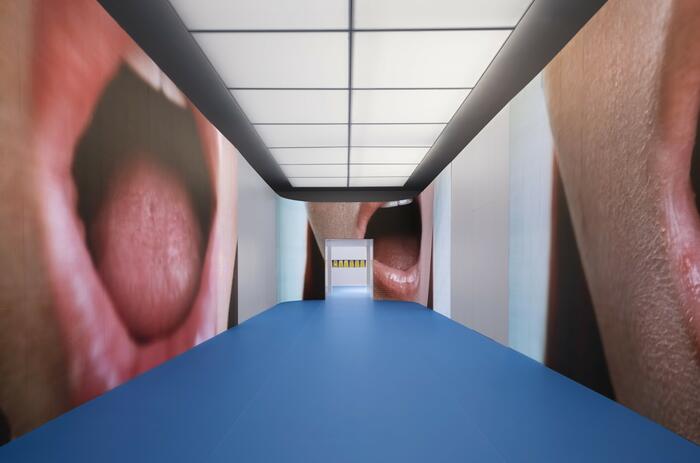
DENMARK’S PAVILION AT VENICE BIENNALE EXAMINES PORNOGRAPHY, SCIENCE, AND HUMAN REPRODUCTION
For the 61st edition of the world's oldest contemporary art exhibition, Denmark selected Maja Malou Lyse and curator Chus Martínez to represent the country at the Giardini.
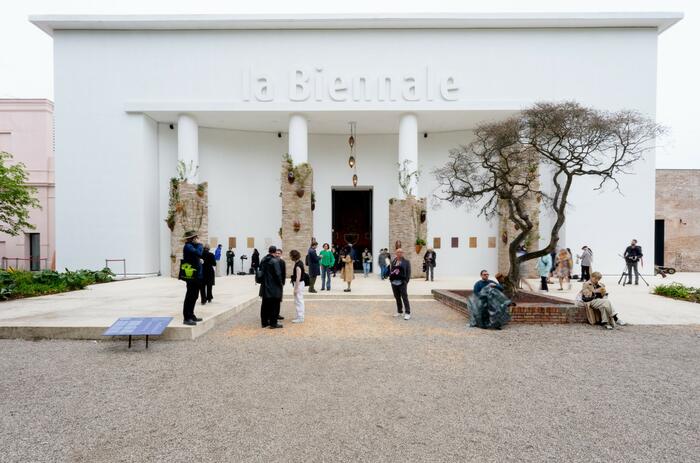
THE VENICE BIENNALE IN AN EDITION MARKED BY POLITICAL GAMES
The Venice Art Biennale is approaching the inauguration of its 61st edition amid resignations, protests, and controversies. Never indifferent to its time, its launch also converges within an intense context of wars, genocides, and geopolitical crises. From Arte al Día, we ask ourselves: how can we trace the relationships between politics and art?
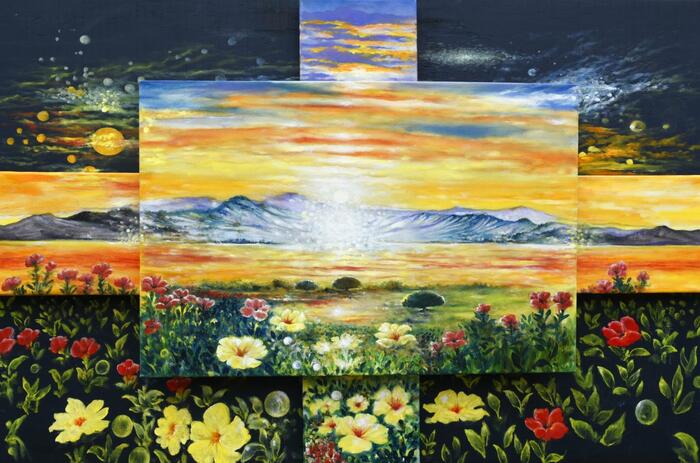
A MENTAL GARDEN: HAITI AT THE VENICE BIENNALE 2026
Haitian artist Enock Placide's installation offers an immersive experience of time, space, and perception, on view through November 22 at Palazzo Albrizzi-Capello.
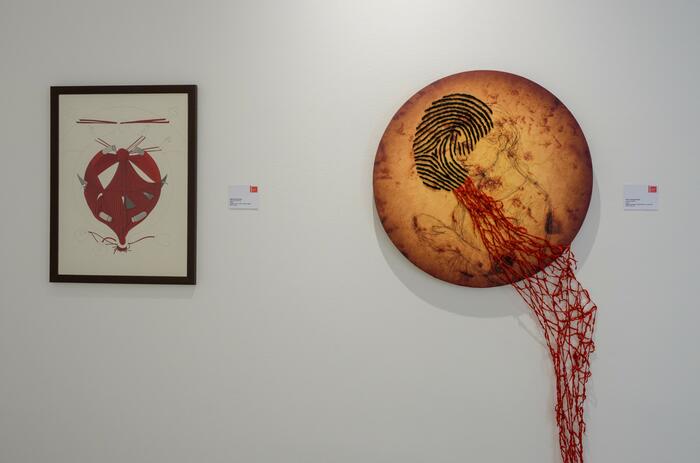
GUATEMALA PRESENTS “LAS INVISIBLES” AT THE 61st VENICE BIENNALE
Memory, identity, and abstraction intersect in the exhibition by Ana Lorena Núñez, Jorge Chavarría, Manuel Navichoc, and Elsie Wunderlich for the international art fair.
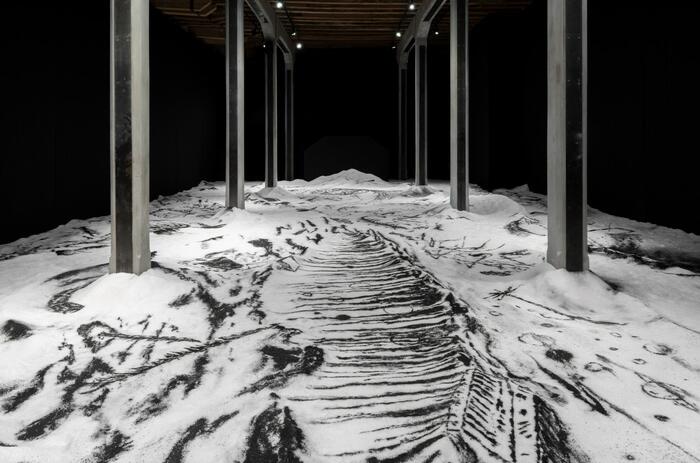
VENICE BIENNALE 2026: A CONTEMPORARY LOOK AT MEMORY, ARCHIVE, AND TERRITORY
At the 61st Venice Art Biennale, titled In Minor Keys and conceived by Cameroonian curator Koyo Kouoh, Latin American artists and projects hold a prominent place within an edition shaped by reflections on memory, territory, identity, and community knowledge.
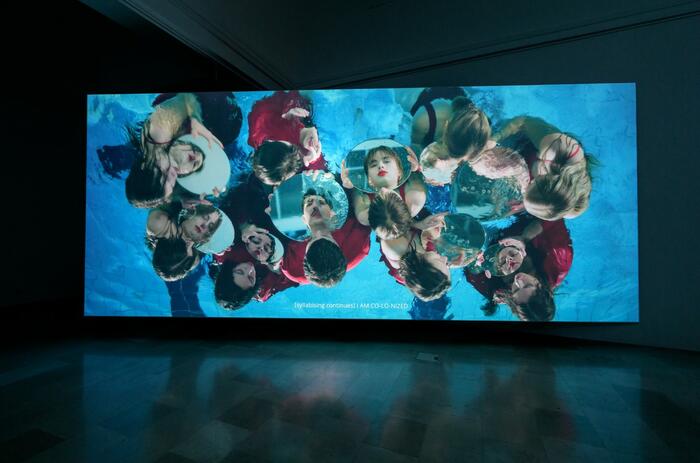
POLAND OCCUPIES THREE NATIONAL PAVILIONS AT THE VENICE BIENNALE
Polish artists and curators are present at the Polish, Estonian, and Albanian Pavilions, as well as an official collateral event at the Procuratie Vecchie.
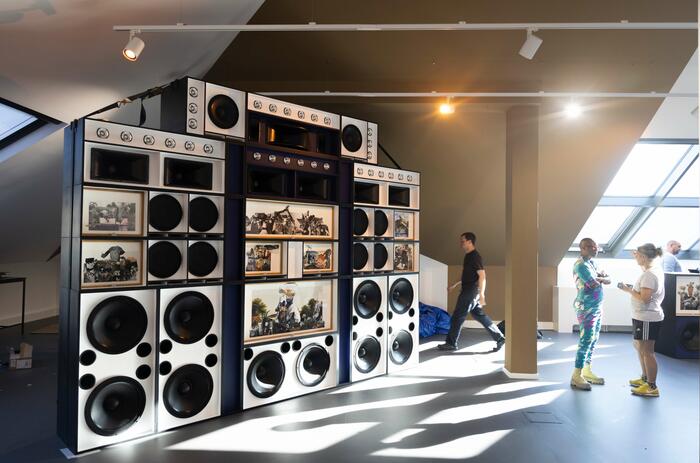
GÊ VIANA IN VIENNA: AFRO-BRAZILIAN MEMORY, SOUND, AND THE ARCHIVE
The Brazilian artist’s exhibition at the newly inaugurated MEZEKƎRƎ explores Afro-Pindoramic forms of knowledge and traditions through documentation, sound, and radiolas, creating spaces for encounter and the preservation of collective identity.