
NEW ZEALAND PHOTOGRAPHER FIONA PARDINGTON REPRESENTS AOTEAROA AT THE VENICE BIENNALE
A new series of large-scale photographs of taxidermied birds — some extinct, many endangered — explores the intersection of colonial history, Māori spirituality, and ecological loss.
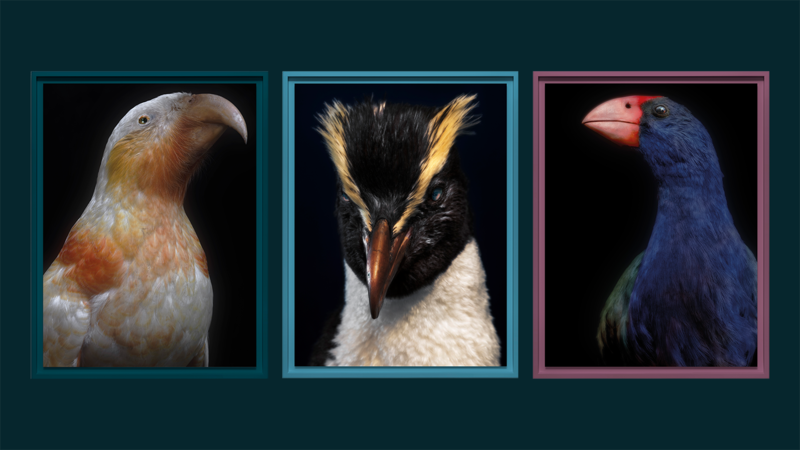
Photographer Fiona Pardington (Auckland, New Zealand, 1961) is presenting Taharaki Skyside, a new body of work, at the Aotearoa New Zealand Pavilion of the 61st International Art Exhibition – La Biennale di Venezia. The exhibition opened on May 9 and remains on view through November 22, 2026, in Venice, Italy. The exhibition is presented by the Arts Council of New Zealand Toi Aotearoa (Creative New Zealand) and Christchurch Art Gallery Te Puna o Waiwhetū, with curators Felicity Milburn and Chloe Cull.
Pardington, of Ngāi Tahu, Kāti Māmoe, Ngāti Kahungunu, and Clan Cameron of Erracht descent, turns her lens on taxidermied birds held in museum collections across Aotearoa New Zealand and Australia. The large-scale portraits focus on species endemic to New Zealand, including the huia and the whēkau (laughing owl), both now extinct, as well as others that remain critically vulnerable. The series builds on her 2024 exhibition Te taha o te rangi / The edge of the heavens and extends a practice of working with museum archives that spans more than two decades.
The photographs are carefully staged, lit, and shot to capture not only the birds' physical characteristics but what Pardington describes as the essence of their spirit. The work engages with Māori creation narratives in which birds hold central roles, and with the concept of manu as intermediaries between the living and the dead. Pardington draws on Dante's poetic vision of the Southern Hemisphere as the location of Purgatory as a structuring framework for the series.
Taharaki Skyside also interrogates the history of museology — the ways in which institutional classification and ethnographic containment have shaped the fate of both species and cultures. The series is in dialogue with the tradition of ornithological illustration, particularly the work of John James Audubon (1785–1851).
The frames of the photographs incorporate colors drawn from the skies of the Hunter Hills near Waimate, in the South Island of New Zealand, where Pardington lives — colors she recognized in the sunsets and sunrises of Venice during a visit in 2024. The frames were designed in collaboration with her brother, artist and designer Neil Pardington, who serves as creative director for the project.
Taharaki Skyside will be on display until November 22, 2026, at Istituto Provinciale per I’Infanzia Santa Maria della Pietà di Venezia, Riva degli Schiavoni, Castello 3701, Venice (Italy).
Related Topics
May interest you
DENMARK’S PAVILION AT VENICE BIENNALE EXAMINES PORNOGRAPHY, SCIENCE, AND HUMAN REPRODUCTION
For the 61st edition of the world's oldest contemporary art exhibition, Denmark selected Maja Malou Lyse and curator Chus Martínez to represent the country at the Giardini.
ECUADOR UNVEILS “KANUA” IN THE CANALS OF VENICE
In the run-up to the Venice Biennale, the Ecuador Pavilion project offers solar-powered boat tours and intimate conversations about extractivism, rivers, territories, and ways of life in the Amazon.
THE VENICE BIENNALE IN AN EDITION MARKED BY POLITICAL GAMES
The Venice Art Biennale is approaching the inauguration of its 61st edition amid resignations, protests, and controversies. Never indifferent to its time, its launch also converges within an intense context of wars, genocides, and geopolitical crises. From Arte al Día, we ask ourselves: how can we trace the relationships between politics and art?
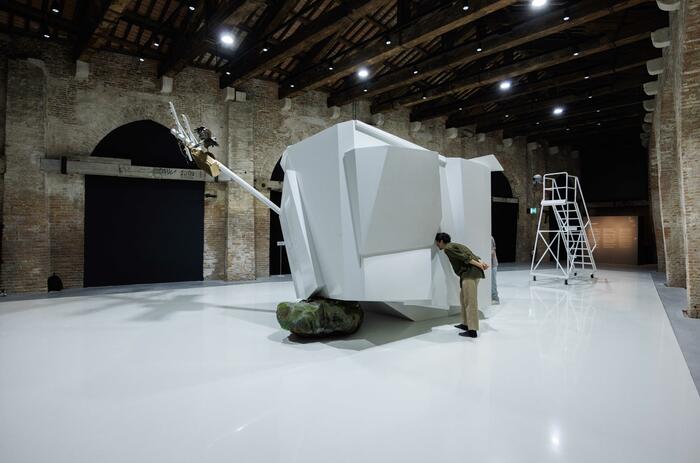
CHILE AT THE 2026 VENICE BIENNALE: NORTON MAZA PRESENTS "INTER-REALITY"
The proposal selected for the Chilean pavilion brings an immersive experience in Venice that addresses contemporary tensions.

EL SALVADOR MAKES ITS DEBUT AT THE VENICE BIENNALE WITH ITS OWN PAVILION
The Central American country will bring Oscar Molina's work to the Biennale, paying tribute to displaced communities and the global diaspora.
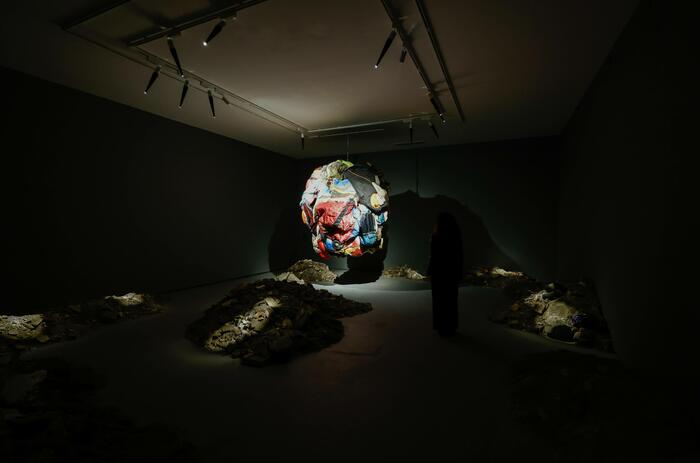
MARGARET WHYTE TURNS FRAGILITY INTO LANGUAGE AT THE 2026 VENICE BIENNALE
The Uruguayan Pavilion in Venice will present Whyte’s work, which combines textiles, obsolete machines, and scraps of waste to demonstrate that disorder does not destroy.
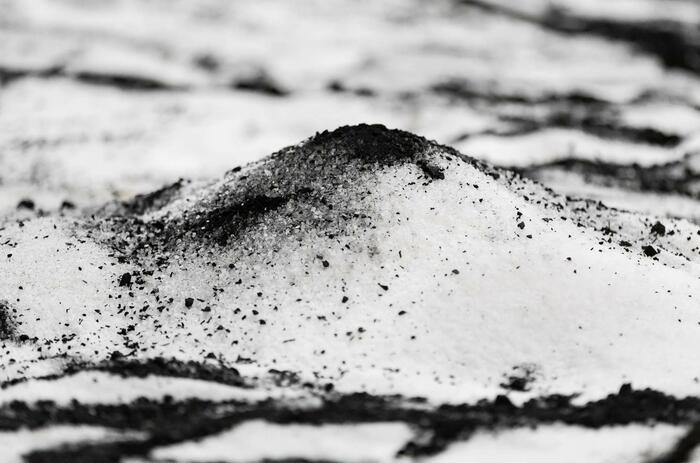
"MONITOR YIN YANG": ARGENTINA ARRIVES AT THE VENICE BIENNALE WITH AN OPEN CARTOGRAPHY
Matías Duville's installation proposes a traversable landscape where light and shadow, permanence and transformation coexist without resolution.
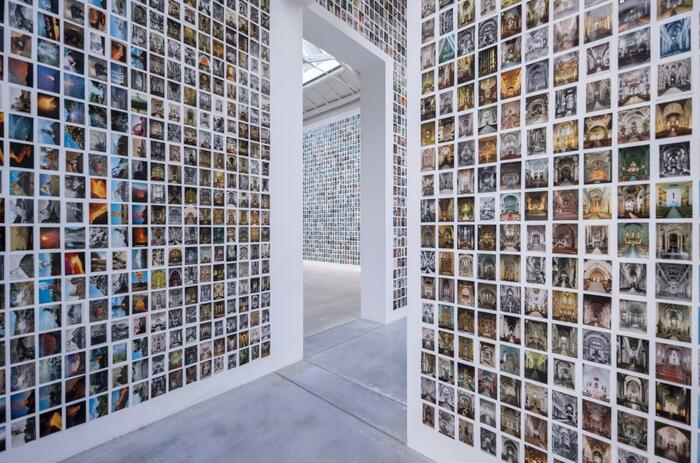
SPAIN: ORIOL VILANOVA AND THE ABOLITION OF THE MUSEUM AND THE ARCHIVE
The Spanish Pavilion at the Biennale is transformed into an anti-museum led by the Catalan artist, grounded in the accumulation of postcards, memory, and a critique of the archive.
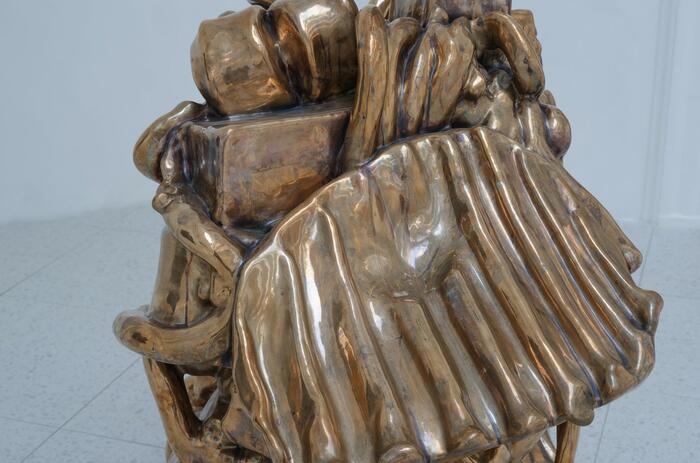
US SCULPTURES AMID CONTROVERSY AT THE VENICE BIENNALE
No formal application, no galleries, and uncertain funding: the artist representing the United States in Venice explores the transformation of matter and the American landscape.
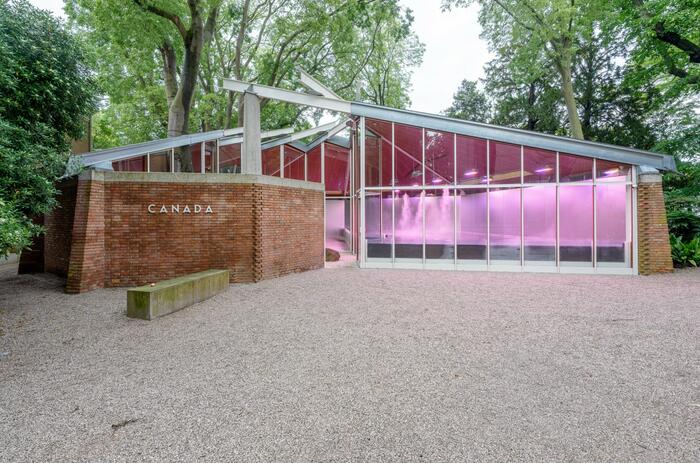
BETWEEN DOG AND WOLF: CANADA BRINGS TWILIGHT TO THE VENICE BIENNALE
With Victoria water lilies as protagonists, Abbas Akhavan transforms the Canadian pavilion into a liminal space that invites to rethink humanity's relationship with the natural world.
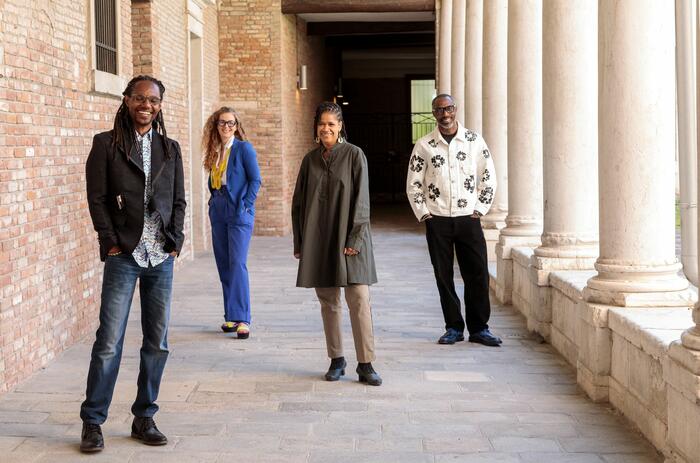
JUNKANOO IN VENICE: ART, MEMORY, AND POSTHUMOUS COLLABORATION AT THE BAHAMAS PAVILION
The 2026 Venice Biennale hosts an exhibition exploring the Bahamian Junkanoo tradition through the work of John Beadle and Lavar Munroe — two generations of artists united by discarded materials and collective memory.
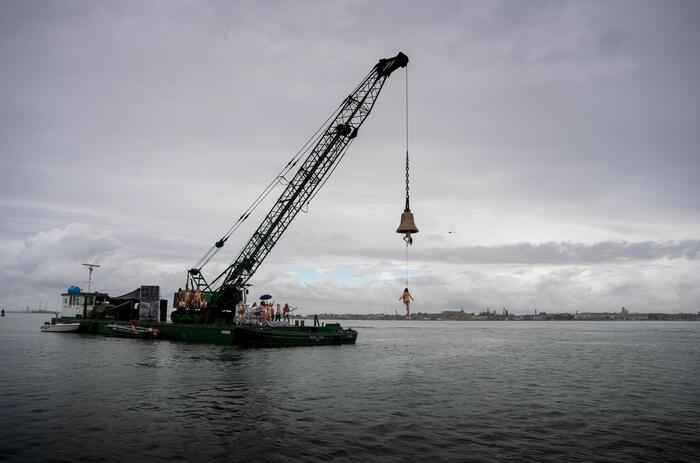
WHAT IS "SEAWORLD VENICE"? THE INSTALLATION AT THE BIENNALE THAT STAGES ECOLOGICAL AND SOCIAL COLLAPSE
Florentina Holzinger represents Austria at the 61st International Art Exhibition with a live installation exploring water, purity and feminist resistance. On view through 22 November at the Giardini della Biennale.
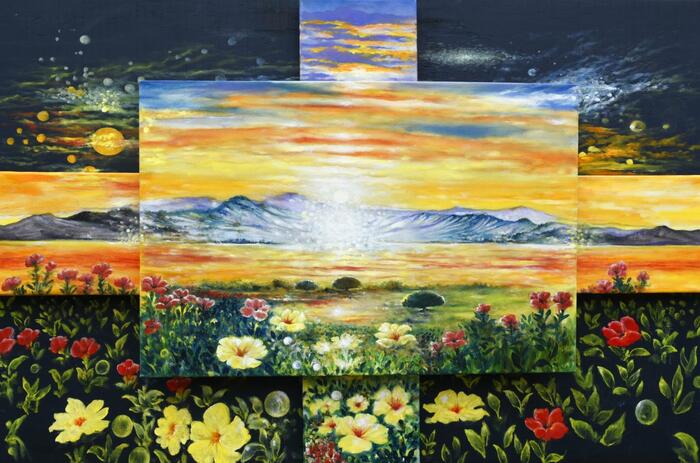
A MENTAL GARDEN: HAITI AT THE VENICE BIENNALE 2026
Haitian artist Enock Placide's installation offers an immersive experience of time, space, and perception, on view through November 22 at Palazzo Albrizzi-Capello.