
By
Violeta Méndez
At the 22nd edition of Pinta BAphoto, the honored artist was Sandra Eleta, one of Latin America’s foundational photographers
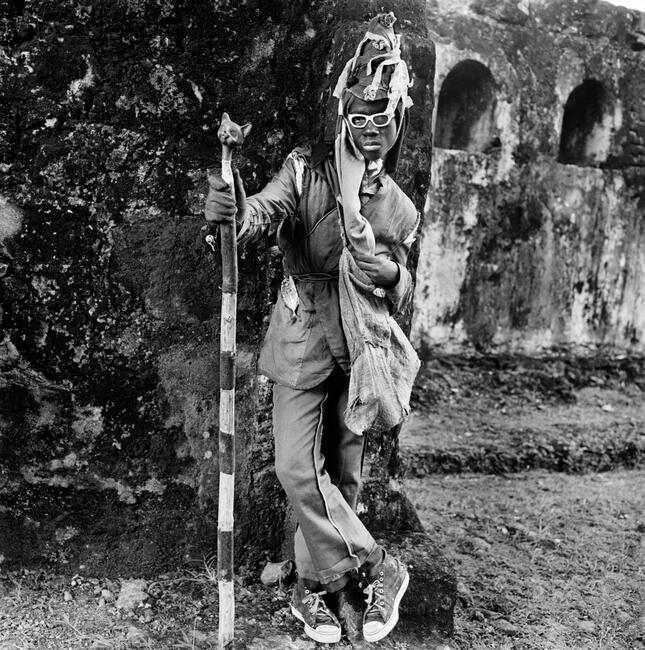
Sandra Eleta (Panama, 1942) is a photographer recognized for turning the artistic gaze toward everyday life in the Afro-colonial and Indigenous communities of Panama’s Atlantic coast. Pinta BAphoto, the photography fair that ran until yesterday, Sunday, in Pavilion 8 of La Rural (Buenos Aires), dedicated its Tribute Artist section to her. Curated by Irene Gelfman, Pinta’s global curator, the tribute was titled Proceso Brujo and featured works from her best-known series, Portobelo, black-and-white portraits made between 1977 and 1980. The project is a photographic and anthropological essay on life in the port town, a place Christopher Columbus named Puerto Bello in 1502. It was one of the main departure points of the Spanish treasure fleets and of the export of silver and gold from South America, it was attacked by pirates, and it is where the first palenques took shape: communities of enslaved people who escaped into the jungle and founded their own.
Sandra Eleta was born into a wealthy family, but she was the “black sheep,” according to Carolina Hausmann, director of Casa Santa Ana (Panama). She first visited Portobelo at the age of 5, when her father took her to see a man from the French Antilles named D’Orcy, “a very tall Black man with a white beard,” in Eleta’s words, who had saved her grandfather’s life at sea. Many years later, after finishing her photography studies in New York, she decided to return to the town and visit D’Orcy. It was then that she learned he had died, and she decided to move into his house, which, according to the neighbors, still held the spirit of the dead man. Once settled, her first contact was with the town’s children: “they were the ones who led me into the labyrinth of this magical town,” says the artist, and the people began to affectionately call her La Bruja (“the Witch”). In the mid-1970s, a woman named Josefa invites her to photograph a ritual to cure the evil eye, and it is there that the artist finds her photographic vision.
“Photographing Portobelo was never fiction; it was discovering the fantastic within the real,” she said in conversation with Arte al Día and Pinta. She did not exoticize the people she portrayed; she gave them names and surnames. She showed their theatrical and satirical traditions, their masks and little-known customs. She made intense portraits. The eyes of the subjects, who carry pigs, fish, octopuses and crosses, look straight into the camera; it is they who shoot, not the machine. “I have always sought out the gaze as the axis of my photography,” says Eleta. “For me, what matters is the honesty of vision,” she adds: “you can be photographing a war or a fleeting cloud, but it implies a commitment to your own being.” The photographer gave an image to what became her home and showed the world just a window onto the culture of Portobelo.
The fact that the Argentine fair honored her leaves us with a few messages. The first: Pinta works as a platform for connections. In Hausmann’s words, “Pinta has created a regional structure that allows for countless connections. Its structure of fairs and art weeks, and the wonderful people who drive it, generously enables the circulation of great artists.” The second: the platform seeks to amplify Latin American voices, in this case that of an 84-year-old Panamanian woman. The last: by exhibiting Portobelo, Pinta brings to the foreground a history of palenques, resistance, and Afro culture, aligning itself with its aim of giving visibility to a practice outside hegemonic discourses and tied to situated narratives and memories that have historically been peripheral.
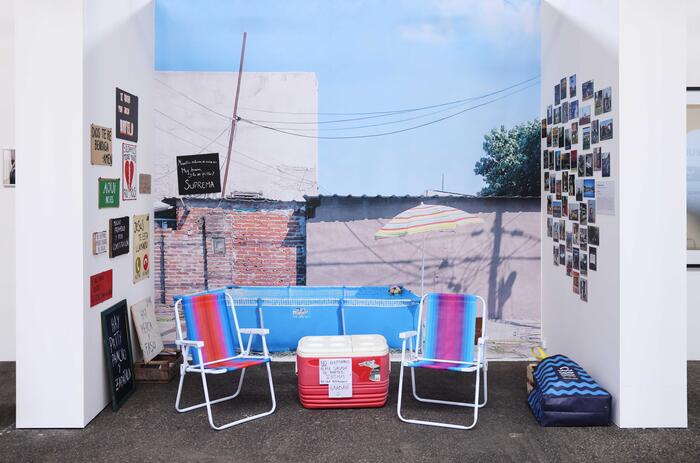
The fair celebrates in Buenos Aires the expansion of the discipline and the way it blends with different materialities, taking shape in endless possibilities.
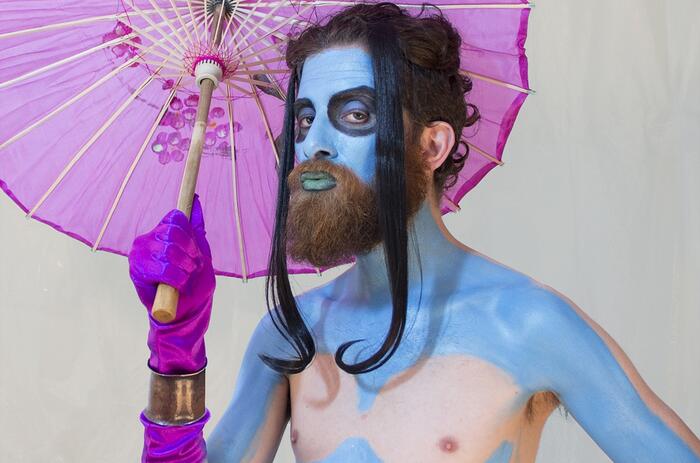
On photography’s 200th birthday, the fair presents images that problematize representations of the body, explore across media, and build collective images.
Brazilian curator Thyago Nogueira, who heads Contemporary Art and Photography at Instituto Moreira Salles (IMS), reflects on the role of institutions, photography’s multiple dimensions, and the need to build new connections between the art scenes of Brazil and Argentina, ahead of his upcoming visit to Pinta BAphoto.
Whether it is from the archive to the gallery or spanning between research and curatorial practice, Mercedes Claus explores the different spaces that outline Argentina’s photographic scene. This is an interview about the circulation, legitimization, and interpretation of images, in light of her work as curator of RADAR at the upcoming edition of Pinta BAphoto.
Eve Schillo is an Associate Curator in the Wallis Annenberg Department of Photography at LACMA (Los Angeles County Museum of Art). During her upcoming visit to Buenos Aires, Argentina, for Pinta BAphoto 2026, she shares an organic and systemic perspective on photography, one that does not need to remain within its own boundaries.
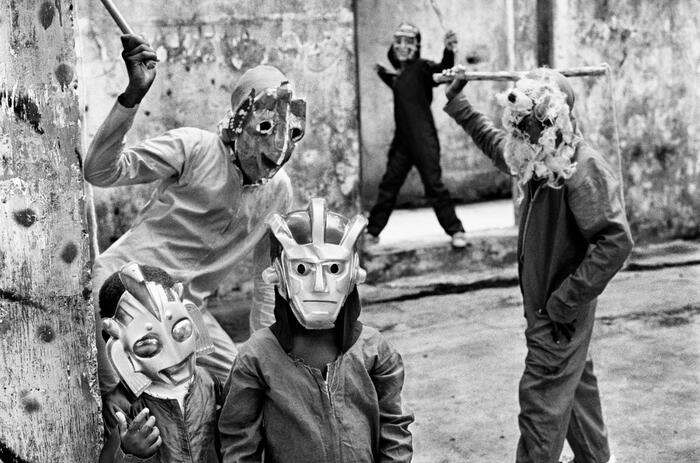
A tribute to Sandra Eleta, the work of Claudia Andujar, a solo show by Joaquín Sánchez, and a project that combines a bookstore and an exhibition chart a map that travels through Panama, Brazil, Paraguay, Mexico, Colombia, Chile, Argentina and Venezuela.
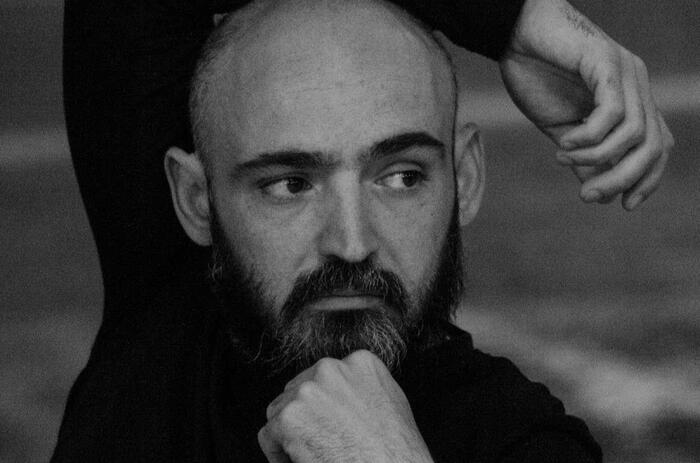
Artist, editor, workshop leader, and gallery owner. Depending on which “hat” he wears, Martín Bollati occupies different positions within the field of image-making (and thinking). He founded ATLAS, a bookstore and gallery specializing in photography, images, design, and architecture, as well as publisher SED Editorial.
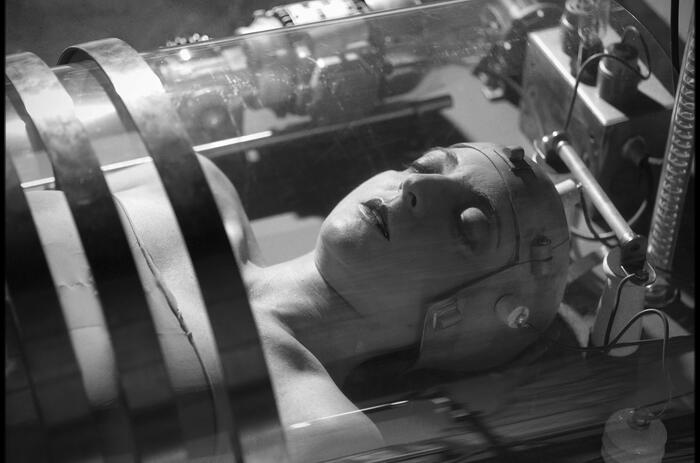
From October 22 to 25, La Rural hosts the 22nd edition of the only photography fair in Latin America: it celebrates two centuries of images with unique works, in-house curatorial projects, and an international presence.
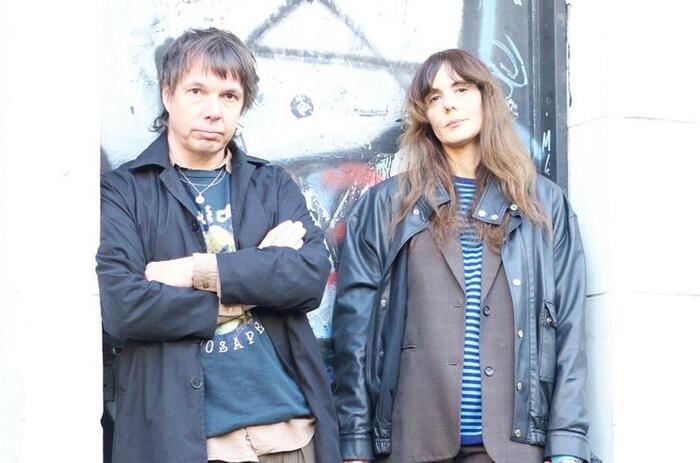
The founders of the NN gallery talk about their curatorial approach, driven by intuition and the periphery: “When it finally articulates well, it’s not that interesting.”