
By
Violeta Méndez
On photography’s 200th birthday, the fair presents images that problematize representations of the body, explore across media, and build collective images.
From October 23 to 25, Pavilion 8 of La Rural (Buenos Aires) will host, as part of Pinta BAphoto, projects by 41 galleries, works by 131 artists, a Forum with 48 guests, 7 curators, tributes, and Special Projects. So it doesn’t feel overwhelming, Arte al Día offers an editorial selection that serves as a guide to 5 projects we find fun and interesting.
1. Imágenes Latentes (Latent Images) | Special Project
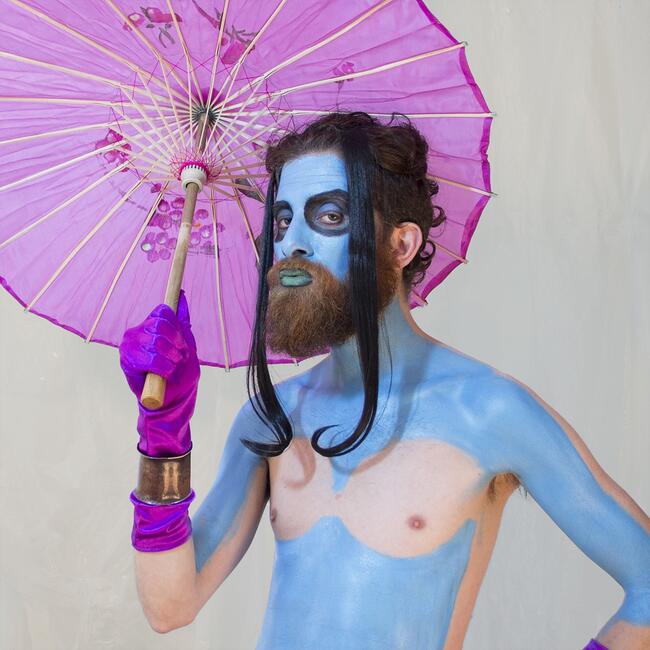
Curated by Sol Echevarría, one of Pinta BAphoto’s Special Projects presents the results of research condensed in the new publication Imágenes Latentes, by Echevarría with Espacio Fan. The project addresses the modification of material conditions—and, through them, of our image—with photographs by Rosana Simonassi, Ananké Asseff, Nicola Costantino, Natacha Voliakovsky, Lucía von Sprecher, La Chola Poblete, El Pelele, Mauro Guzmán, Flavia Da Rin, Lux Valladolid, Alejandro Spano, and Marisa Rubio.
These artists use their own bodies as the central image of their work in order to problematize the hegemonic representations of the body in the culture of a period of crisis that took place between 2000 and 2020. “Social media places a window that runs from the bedroom to the world. Intimacy splits in two, and discourses lose their hierarchies. This brings a change in the mechanisms by which the contemporary subject is represented and in the configuration of bodies, which become intelligible and incorporeal behind the machines,” writes Sol Echevarría.
2. Clown travesti literario. Reconstruyendo a Batato (Literary Travesti Clown. Reconstructing Batato) | Video Project
This year, the Video Project presents a retrospective of Batato Barea (Junín, 1961 – Buenos Aires, 1991), an actor, poet, and performer who described himself as a “literary travesti clown.” He was a key figure of Buenos Aires’s post-dictatorship underground. His shows at Parakultural, Cemento, and the Rojas blended poetry, humor, and transformismo. The selection of audiovisual records recovers a brief, intense body of work that still resonates today.
Curated by Irene Gelfman, this section brings us closer to the work of Batato, an ironic and sensitive character who recited Pizarnik’s poetry and performed as a fortune-teller.
3. Si no fuese fotógrafo, sería músico (If I Weren’t a Photographer, I’d Be a Musician) | Galería Towpyha
Galería Towpyha presents an exploration of the photographic language of Gabriel Rocca, as a portraitist of celebrities and therefore as a builder of a collective imaginary. The artist’s photographs function as essential records of one of the great emblems of Argentine popular culture: music. The works span different genres—from rock to psychedelia, progressive, electronic, and alternative music—and trace a sensitive map of an era.
The curatorial approach of Marcela Astudillo, the gallery’s artistic director, seeks to delve into a kind of musical portraiture different from the one we are used to seeing: a closer, more intimate portrait.
4. Patricia Viel and Guillermo Srodek-Hart | ALMACÉN
Selected for the NEXT section, the gallery ALMACÉN |arte contemporáneo| presents works by Patricia Viel and Guillermo Srodek-Hart, in which spaces appear shaped by those who built them. From architectures, altars, and places where a human presence can be recognized even when the bodies are no longer there, to landscapes of southern Argentina altered through folds, perforations, and fire, the works make visible a physical condition that photography tends to hide: its capacity to be touched, wounded, and modified. A complementary tension emerges between the two practices. He photographs territories that have already been intervened upon; she intervenes in the very territory of photography.
The proposal is completed spatially by a stand design in which black and white, color, and a strong presence of orange build a shared visual identity without erasing the differences between the two artists.
5. Experimentation | Herlitzka & Co
Herlitzka & Co. presents a selection of works that approach photography primarily through its conceptual strength. Through varied approaches and styles—such as collages, Photoshop, and ingenious interventions—the images on view unfold in both visual and theoretical intensity and in the symbolic challenges they suggest. The ensemble reveals the versatility of the technique, its vigor as a visual medium, its experimental capacity, and its nurturing bond with other practices.
The gallery will show works by Ulises Carrión, Guillermo Deisler, Nicolás García Uriburu, Carlos Ginzburg, Alejandro Kuropatwa, David Lamelas, Carlos Leppe, Gastão de Magalhães, Marta Minujín, Karina Peisajovich, Claudio Perna, Martín Weber, and Horacio Zabala.
Pinta BAphoto 2026 takes place from October 22 to 25 at Pavilion 8 of La Rural, Buenos Aires, Argentina.
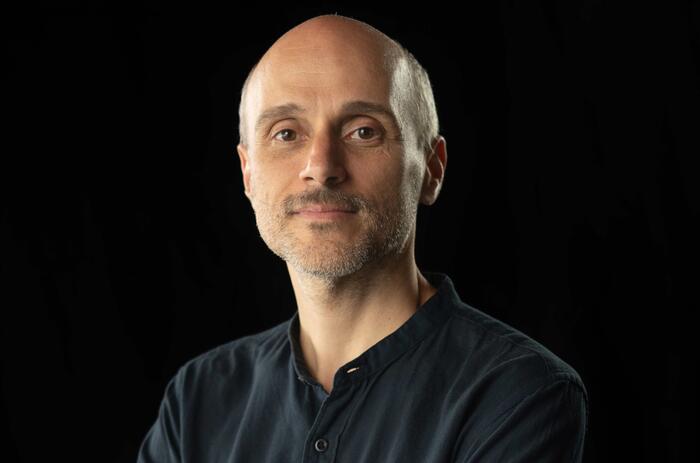
Brazilian curator Thyago Nogueira, who heads Contemporary Art and Photography at Instituto Moreira Salles (IMS), reflects on the role of institutions, photography’s multiple dimensions, and the need to build new connections between the art scenes of Brazil and Argentina, ahead of his upcoming visit to Pinta BAphoto.
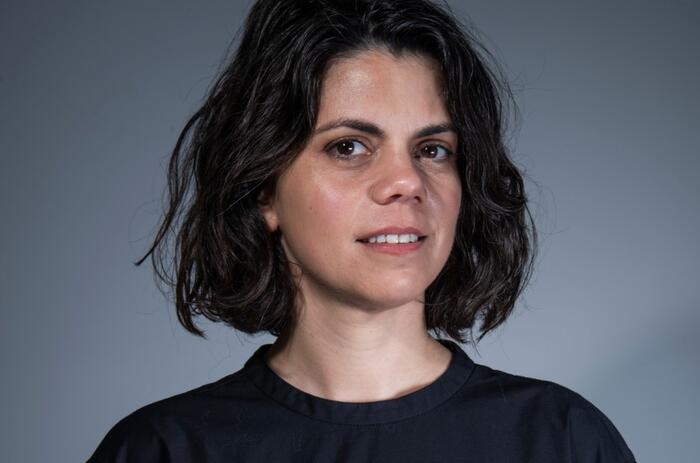
Whether it is from the archive to the gallery or spanning between research and curatorial practice, Mercedes Claus explores the different spaces that outline Argentina’s photographic scene. This is an interview about the circulation, legitimization, and interpretation of images, in light of her work as curator of RADAR at the upcoming edition of Pinta BAphoto.
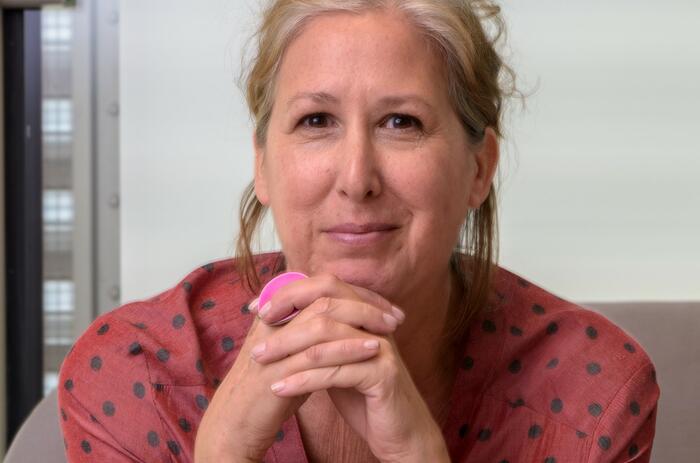
Eve Schillo is an Associate Curator in the Wallis Annenberg Department of Photography at LACMA (Los Angeles County Museum of Art). During her upcoming visit to Buenos Aires, Argentina, for Pinta BAphoto 2026, she shares an organic and systemic perspective on photography, one that does not need to remain within its own boundaries.
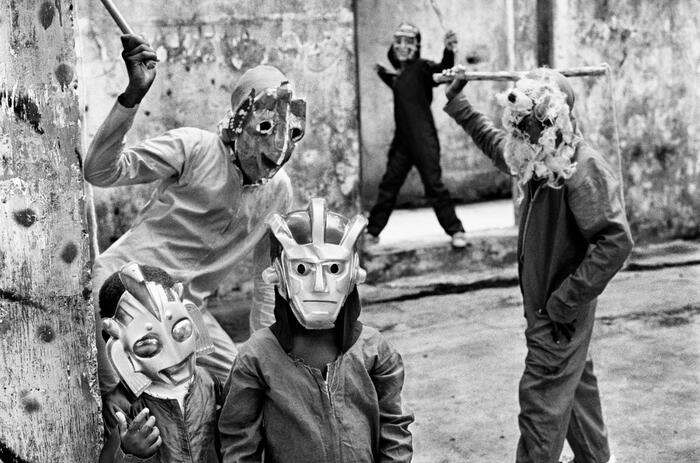
A tribute to Sandra Eleta, the work of Claudia Andujar, a solo show by Joaquín Sánchez, and a project that combines a bookstore and an exhibition chart a map that travels through Panama, Brazil, Paraguay, Mexico, Colombia, Chile, Argentina and Venezuela.
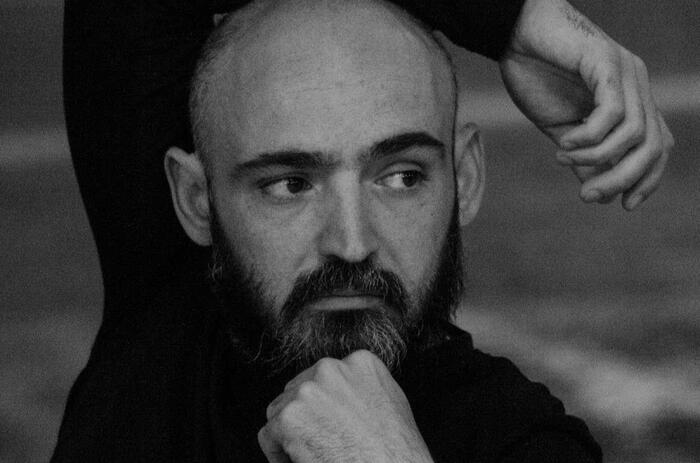
Artist, editor, workshop leader, and gallery owner. Depending on which “hat” he wears, Martín Bollati occupies different positions within the field of image-making (and thinking). He founded ATLAS, a bookstore and gallery specializing in photography, images, design, and architecture, as well as publisher SED Editorial.
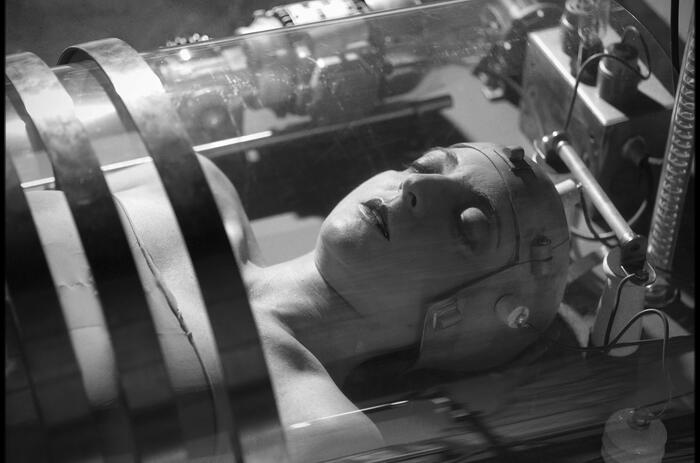
From October 22 to 25, La Rural hosts the 22nd edition of the only photography fair in Latin America: it celebrates two centuries of images with unique works, in-house curatorial projects, and an international presence.
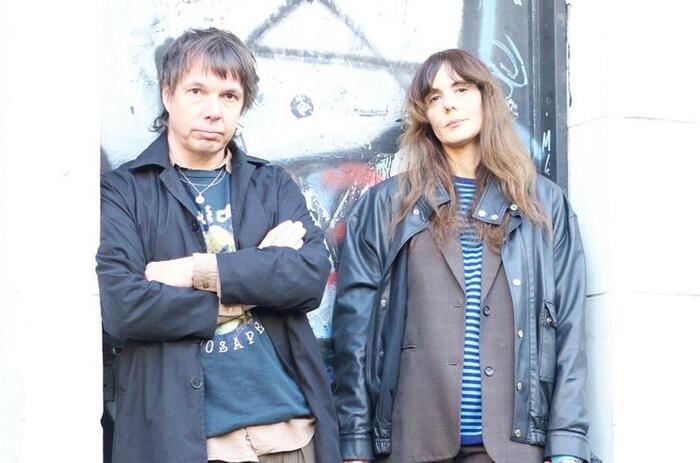
The founders of the NN gallery talk about their curatorial approach, driven by intuition and the periphery: “When it finally articulates well, it’s not that interesting.”