
DIMENSION AND ARCHITECTURE IN JOSÉ DÁVILA, AT ALBARRÁN BOURDAIS
By Álvaro de Benito
The Albarrán Bourdais gallery presents Ensayo de permanencia (Essay on Permanence) at Menorca, a solo exhibition by José Dávila (Guadalajara, Mexico, 1974), which also marks the Mexican artist's first collaboration with the gallery. For the occasion, the artist has conceived most of the exhibition with newly created sculptures and paintings, some of which were made using local materials from the island.
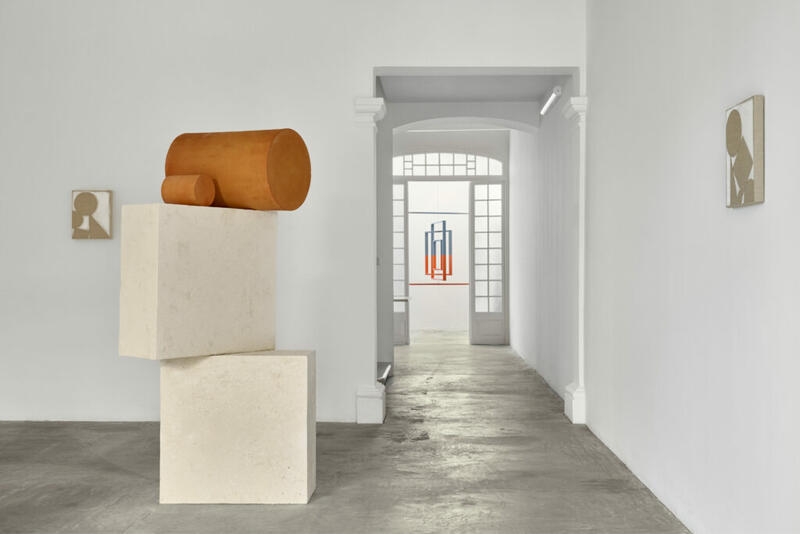
Several of the ideas the artist seeks to consolidate in this exhibition stem from his initial training as an architect. A tour through the works on display reveals Dávila’s ongoing interest in the study of structural and architectural elements, as well as various concepts from both disciplines, such as balance, gravity, and resistance.
In many ways, Dávila sublimates the fundamental principles of technical drawing and construction into three-dimensional space. Thus, the physical mechanisms that allow objects to exist and remain in a given environment are made visible. Underlying this is his interest in megalithic monuments and their construction, connecting with the atavistic and primal aspects of human relations, occupation, the relationship with matter, and the perception of a universe.
The series Fundamental Restlessness occupies the ground and first floors of the gallery. Based on the contrast between theoretically contradictory forces, the sculptures draw on the ancestral practice of the object as a spiritual instrument. The works are recreated in states of unstable equilibrium, where gravity reverses its usual function to become the support and defining feature of the form.
The painting series Fragmentaciones del espacio interior (Fragmentations of Interior Space), a new body of work, is installed in the gallery’s manor house. Dávila frames negatives of geometric shapes on raw linen canvases, delimiting them with white paint. There is a tension between the organic, human nature of the brushstroke and the supposed rectitude and quasi-artificiality of the geometric element, provoking a reflection on the physical and the metaphorical.
In the central courtyard stands Homenaje al cuadrado (Homage to the Square), a mobile made up of concentric squares in chromatic ranges of gray and orange, through which Dávila delves into the chromatic investigations of Josef Albers (Bottrop, Germany, 1888 – New Haven, United States, 1976). In this piece, the German artist’s two-dimensional studies are extended into three-dimensional space. A suspended installation composed of river stones, a wooden log, and a painted beam concludes the exhibition on the second floor. This work revisits the language and results of opposing forces suggested by elements stretched in the air.
Ensayo de permanencia is on view until October 18 at the Menorca location of Albarrán Bourdais, Deià 51, Mahón (Spain).
May interest you
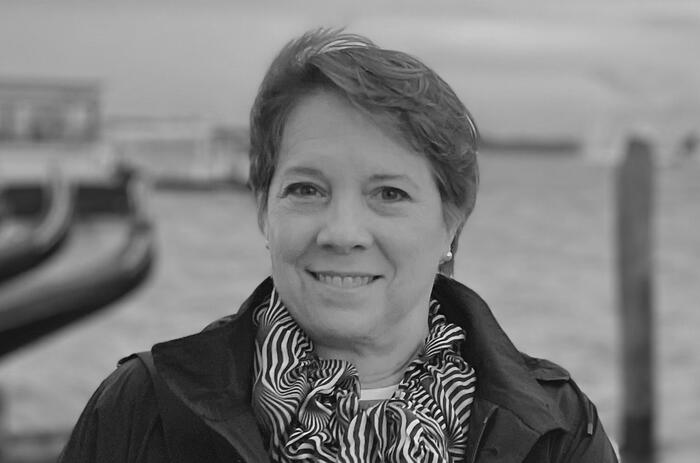
MÓNICA KUPFER: “IT’S NOT ENOUGH TO EXHIBIT ART, WE NEED TO WRITE ITS HISTORY”
For over four decades, Mónica Kupfer has been researching, writing, and curating exhibitions that seek to tell a story of Panamanian and Central American Art that is still under construction. She played a key role in the first edition of Pinta Panamá Art Week, where she coordinated FORO—a regional discussion platform that brought together artists, curators, collectors, and institutions.
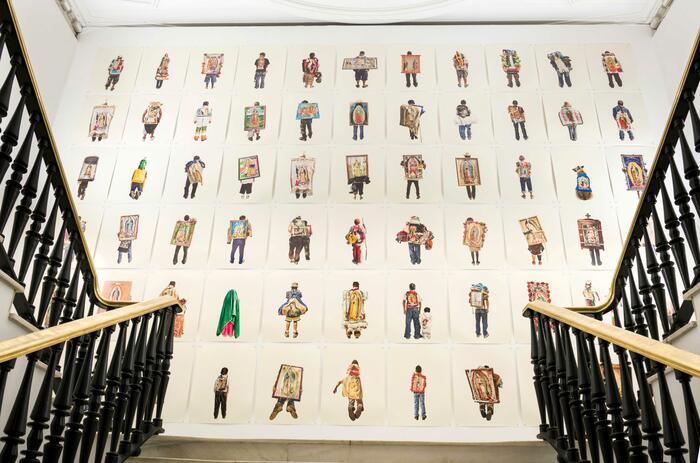
THE VIRGIN OF GUADALUPE: BETWEEN CRAFTS AND ANTHROPOLOGY
By Álvaro de Benito
The Casa de México Foundation in Spain presents Guadalupe. La Virgen de México (Guadalupe. The Virgin of Mexico), an extensive program of exhibitions and activities centered around one of Mexico's most iconic and anthropologically significant figures. In addition to lectures and various screenings, the program revolves around two main themes: craftsmanship and popular culture on one hand, and anthropology on the other.
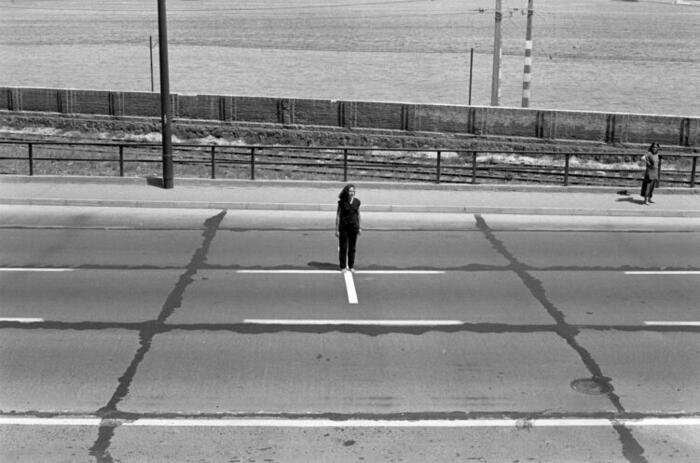
ACTION, STRUGGLE, AND LANGUAGE BY LOTTY ROSENFELD AT THE CBA
The Círculo de Bellas Artes in Madrid is hosting the exhibition By Pass. La frontera del signo (By Pass. The Frontier of the Sign), a comprehensive presentation of the work of Lotty Rosenfeld (Santiago, Chile, 1943–2020), a key figure in Latin American video art whose practice emerged at the intersection of political activism and the creation of images as spaces of expression and freedom.

BIENALSUR CURATES LATIN AMERICAN VIDEO EXHIBITION AT THE REINA SOFÍA
The Reina Sofía Museum, in collaboration with BIENALSUR, presents the exhibition Resistencia. Una selección de video sudamericano (Resistance: A Selection of South American Video). Curated by Argentine art historian Diana Wechsler, artistic director of BIENALSUR, the exhibition offers two complementary ways to engage with the works, both situated around the museum’s cinema hall.
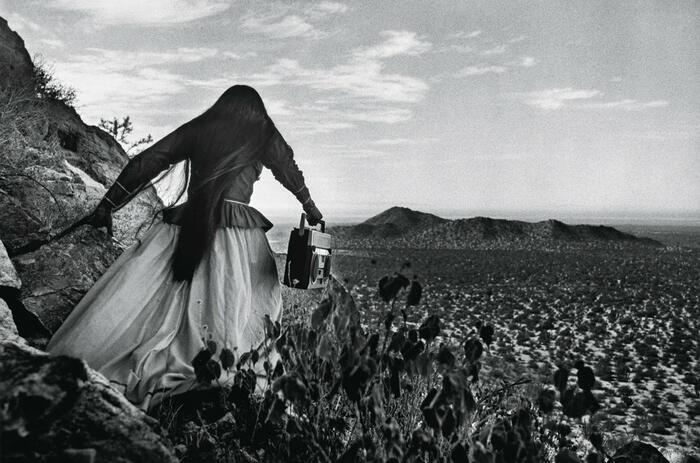
GRACIELA ITURBIDE RETROSPECTIVE AT CASA DE MÉXICO
The Casa de México Foundation in Spain is hosting Cuando habla la luz (When Light Speaks), the first retrospective of Graciela Iturbide (Mexico City, 1942) since she received the 2025 Princess of Asturias Award for the Arts. Curated by Juan Rafael Coronel Rivera, the exhibition brings together 115 works spanning from 1972 to 2017.

SIGN, STONE, AND TIME: A CONTEMPORARY EXHIBITION IN CANTABRIA
Cave Art Centre of Cantabria 'Alberto I de Monaco' in Puente Viesgo is hosting its first-ever contemporary art exhibition.

THE INFLUENCE OF AN ACTIVE PHOTOGRAPHY: TINA MODOTTI AT JUMEX
The exhibition The Tiger’s Coat explores the many facets of the Italo-Mexican artist—photographer, militant, and enigmatic figure—through a constellation of historical documents and contemporary artworks.
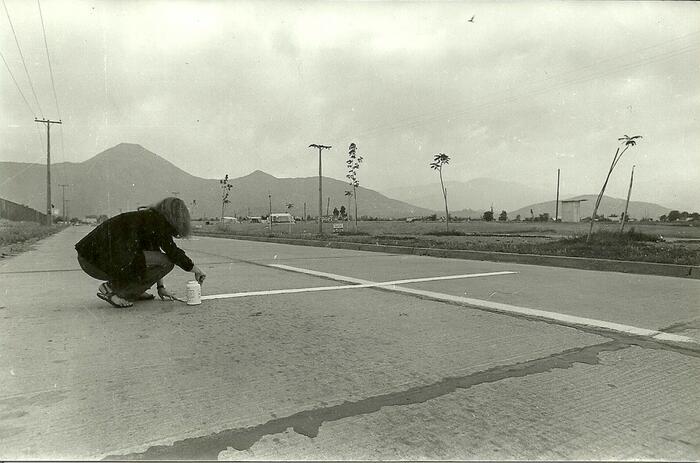
A LINE AS A WEAPON: LOTTY ROSENFELD IN GERMANY
The German venue exhibits the work of the challenging Chilean activist and artist, marked by exile, survival, and repression.

VÁSQUEZ DE LA HORRA IN GERMANY: SPACE, BODY AND THE SACRED
The exhibition sketches an intimate map where rituals, organic materials, and personal narratives intertwine to question the social norms that shape our identities.

CHAOS AND TECHNOLOGY BY SANTOSCOY, AT THE MUSEUM OF AMERICA
The Museum of America is hosting an exhibition of paintings by Juan Carlos Santoscoy (Guadalajara, Mexico, 1973) in its La Tapada gallery, open until the end of the month. Titled Algoritmos del caos (Algorithms of Chaos), the show features a selection of the artist’s most recent large-scale works, which engage with pressing themes in contemporary art such as global warming and the overexploitation of natural resources.

CARLOS MOTTA'S ANTHOLOGICAL EXHIBITION AT MACBA
Barcelona’s MACBA is hosting Plegarias de resistencia (Prayers of Resistance), the first major anthological exhibition of the work of Carlos Motta (Bogotá, Colombia, 1978) to be held at a European institution. The presentation spans more than twenty-five years of the artist’s production, practice, and activism.

MARCO HOSTS THE POETICS OF LAURA LIO
MARCO, the Museum of Contemporary Art in Vigo, presents Savia y sangre (Sap and Blood), a solo exhibition by Laura Lio (Buenos Aires, Argentina, 1967), which reveals the artist’s social vision and commitment through her work. Lio's practice involves a meticulous observation of certain organic and natural processes in search of a kind of internal order. With a poetic approach, the Argentine artist based in Spain challenges this natural structure through visual language and words.